





 Português
  Inglês
  Espanhol
  4 min de leitura
  0 comentários


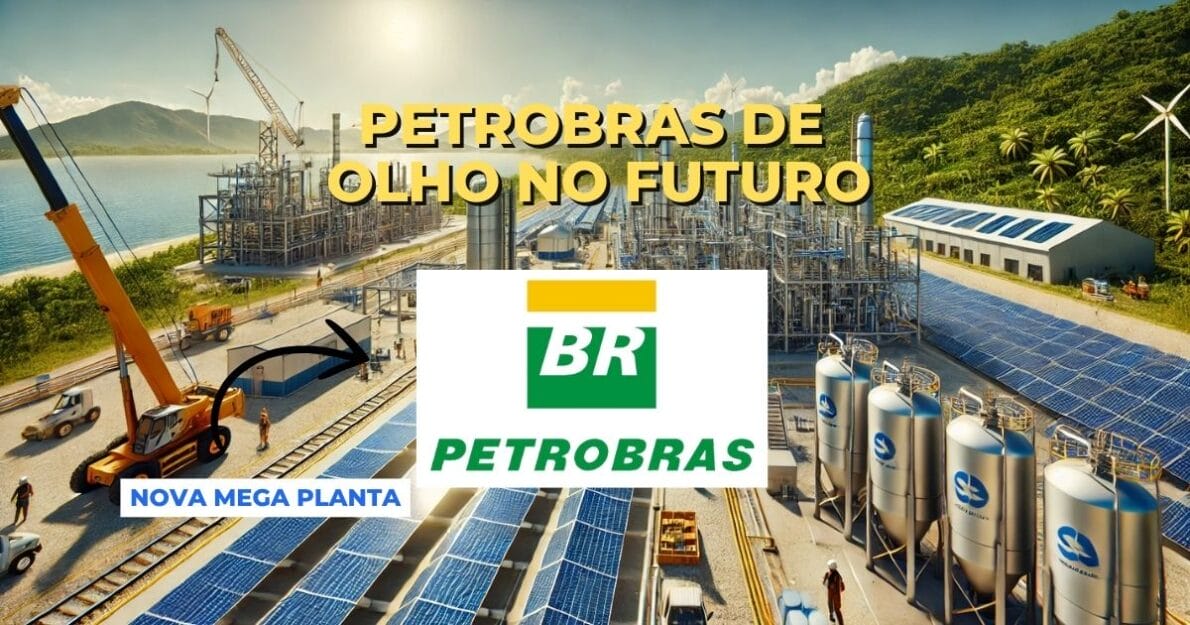
Petrobras Took a Big Step Towards a Sustainable Future with the Announcement of Its First Renewable Hydrogen Plant in Brazil. The Project, Expected to Start in 2026, Promises to Revolutionize the Country’s Energy Matrix.
Get ready for an energy revolution in Brazil. Petrobras surprised the market by announcing an ambitious project that promises to transform the country’s energy future.
What began as an oil-focused company is now looking towards renewable hydrogen, an alternative that can completely change the Brazilian energy matrix.
Will this be the next big step towards decarbonization? The implications of this news have not yet been fully revealed, but one thing is certain: the game is changing and the future is greener.
-
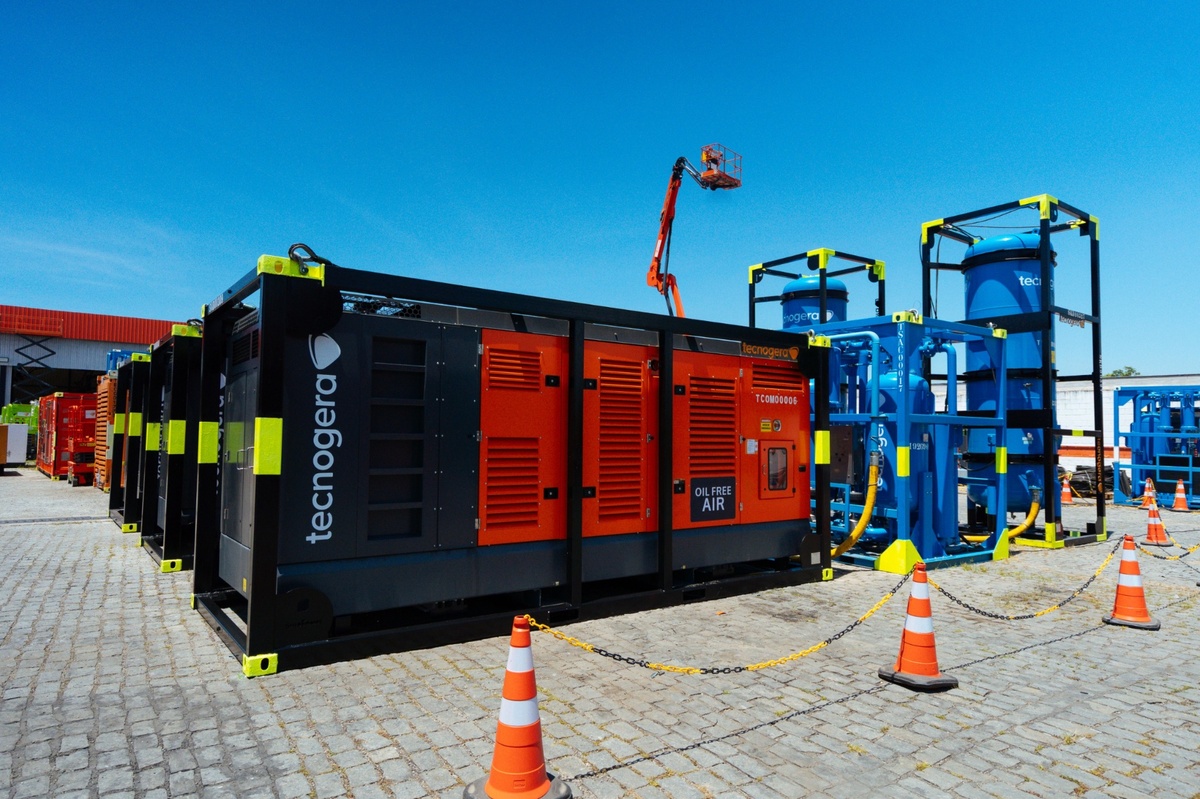
Offshore industrial demand in Macaé skyrockets with the recovery of oil and gas and could grow by up to 396% by 2026 in the Campos Basin.
-
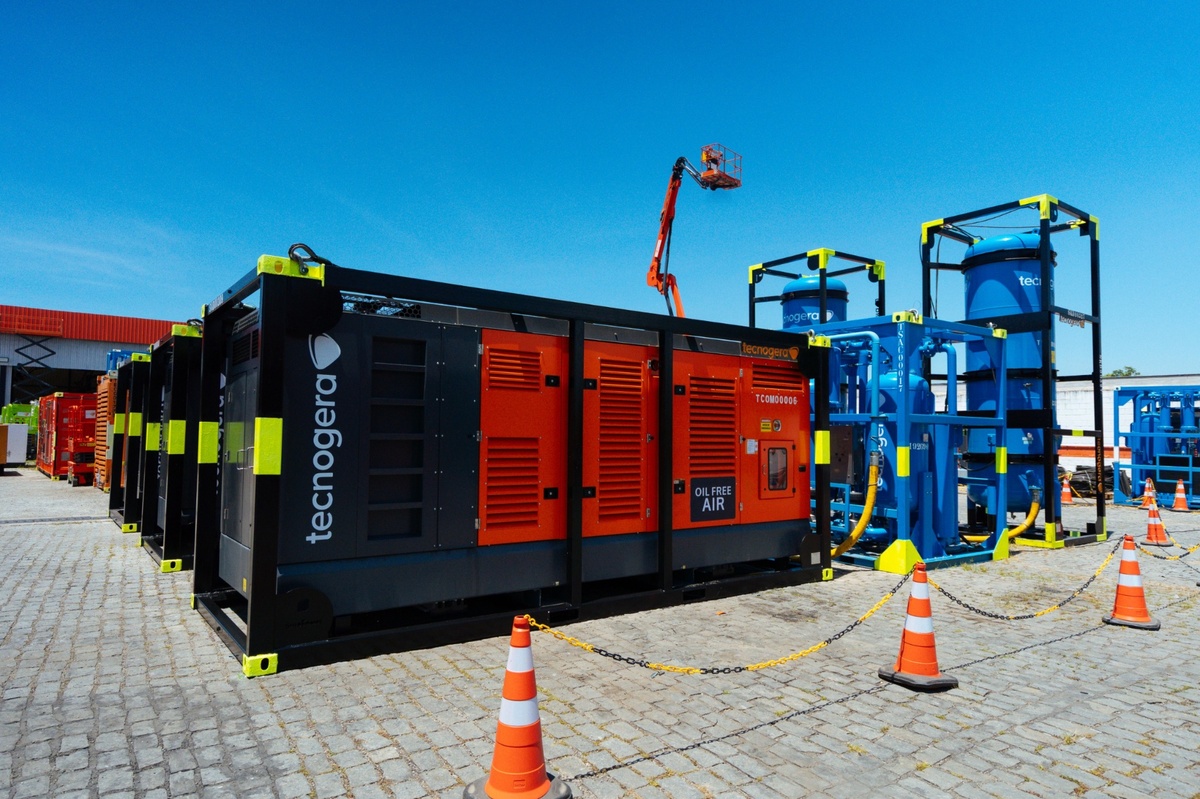
Offshore industrial demand in Macaé surges with the recovery of oil and gas and could grow by up to 396% by 2026 in the Campos Basin.
-
Brazilian giant expands borders in the Southeast: Petrobras confirms new oil discovery in ultra-deep waters in the pre-salt of the Campos Basin.

-
Alert in the global energy market: Severe tropical cyclone hits the coast and disrupts gas production at major plants in Australia, threatening global supply.


Petrobras announced at the end of September 2024 the construction of its first pilot plant for the production of renewable hydrogen.
The plant will be installed at the Thermoelectric Plant of the Vale do Açu, located in Alto do Rodrigues, Rio Grande do Norte.
With an investment of R$ 90 million, the unit is expected to begin operations in 2026. The project involves a partnership with the Senai Institute of Innovation in Renewable Energies (Senai ISI-ER) and will be executed by WEG.
What makes this plant so special? It will be powered by solar energy, using the electrolysis process of water, which separates hydrogen and oxygen molecules through an electric current.
This initiative not only represents a new phase for Petrobras but also for Brazil, as it will be one of the country’s first initiatives focused on clean and renewable energy.
According to Petrobras, the generated hydrogen can be used for electricity generation and in studies of blending with natural gas.
A New Era of Research and Development
The pilot unit will also play a fundamental role in studies involving the blending of renewable hydrogen with natural gas, used to power microturbines.
The idea is to analyze the structural integrity and performance of these devices under this new combination. According to the state-owned company, this will be the first time a Brazilian company conducts studies of this nature with microturbines.
Why does this matter? The use of renewable hydrogen in microturbines can not only reduce greenhouse gas emissions but also open doors for future commercial initiatives in this segment.
In other words, Petrobras is not just testing a technology; it is paving the way for a sustainable transformation that could impact various industries in the country.
Partnerships and Innovation
According to Maurício Tolmasquim, Director of Energy Transition and Sustainability at Petrobras, this pilot project is a milestone within the company’s strategy towards decarbonization.
In his words, “this is the first step towards future commercial initiatives in the sustainable hydrogen sector.”
He also emphasized that hydrogen production through electrolysis with solar energy not only reduces greenhouse gas emissions but also takes advantage of Brazil’s abundant natural resources, such as sunlight.
The Photovoltaic Plant of Alto do Rodrigues, which was originally designed for research, will also undergo improvements.
The production capacity will be increased from 1.1 MWp to 2.5 MWp, ensuring the necessary energy demand for the new electrolysis unit.
Additionally, Petrobras will test different operating modes, using the existing energy storage system at the plant.
A Project with a Vision for the Future
This project is part of a larger plan by Petrobras to invest in renewable energies and technologies that can reduce environmental impact.
Although the company’s focus remains predominantly on oil, the energy transition initiatives demonstrate that the state-owned company is keeping an eye on global trends and demands for a more sustainable future.
For Brazil, this pilot plant is not only an opportunity to innovate in clean energy generation but also to position itself as a relevant player in the global hydrogen market, which has grown significantly in recent years.
What to Expect from Petrobras’ Hydrogen Project?
If all goes according to plan, 2026 will mark the beginning of a new phase for Petrobras and Brazil in the field of clean energies.
Will this project be the starting point for new hydrogen plants in the country? Or will this technology still face challenges before establishing itself as a viable alternative?








Seja o primeiro a reagir!