





 Portuguese
  English
  Spanish
  3 min of reading
  13 comments


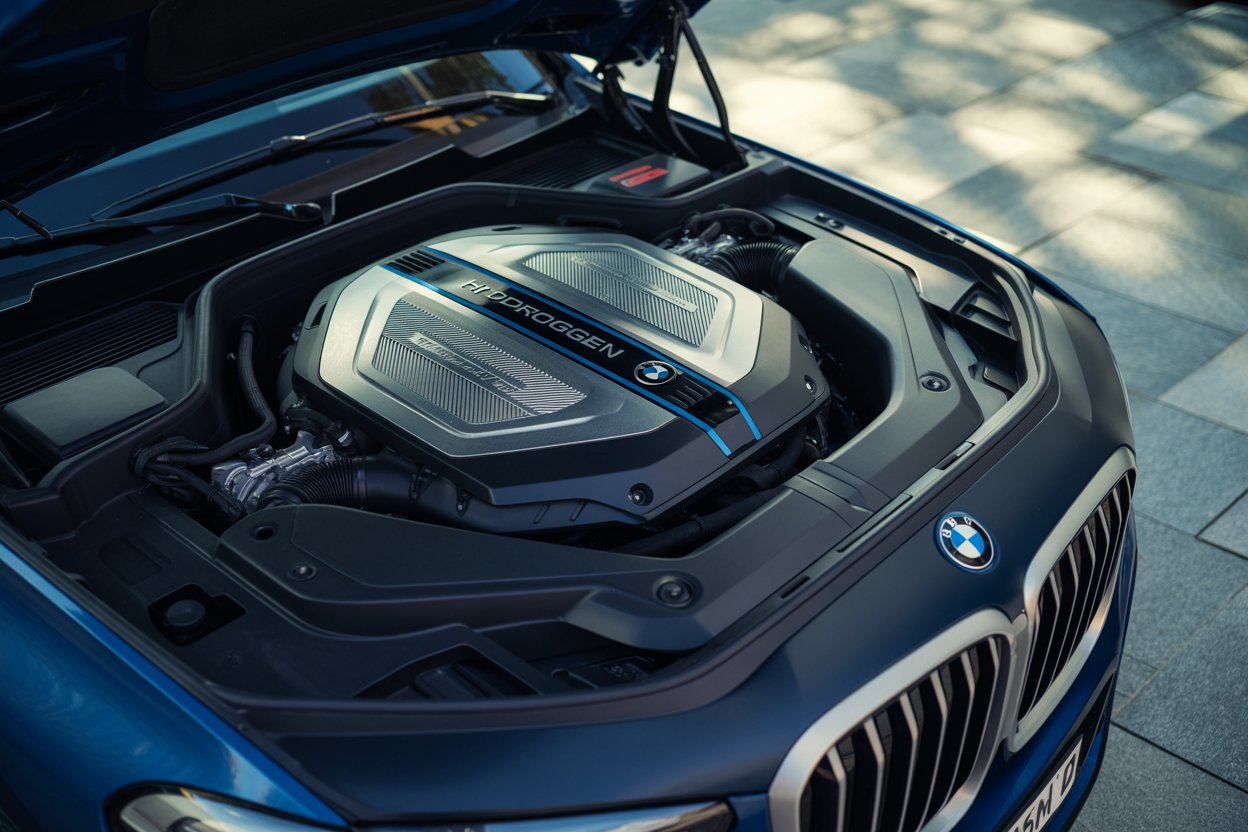


With BMW X5 Hydrogen FCEV Prototypes Already in Testing and Technology in Partnership with Toyota, Germany Bets on Hydrogen Cells as a Viable Alternative to Accelerate the Transition Towards Carbon Neutrality.
Germany started in 2024 the testing phase of a pilot fleet with fewer than 100 prototypes of the BMW X5 Hydrogen FCEV, marking a new step in the search for sustainable solutions for passenger transport. The model, powered by hydrogen fuel cells supplied by Toyota, achieves up to 500 km of range and can be refueled in just four minutes, offering a practical alternative to traditional electric cars, which currently dominate the global market.
The advancement occurs in a context where electric vehicles have established themselves as the main options for alternative propulsion, being offered by almost all major automakers to meet decarbonization goals. However, the limitations of recharging and range over long distances have created space for new technologies, such as hydrogen, to gain traction as a complement.
According to Jürgen Guldner, Vice President of Fuel Cell Technology at BMW Group, range and refueling speed are factors that can make the technology attractive to consumers. “At the 500 km mark and with a refueling time of three to four minutes, I believe that the public will consider migrating to hydrogen,” he stated to the GoAuto portal in 2024.
-
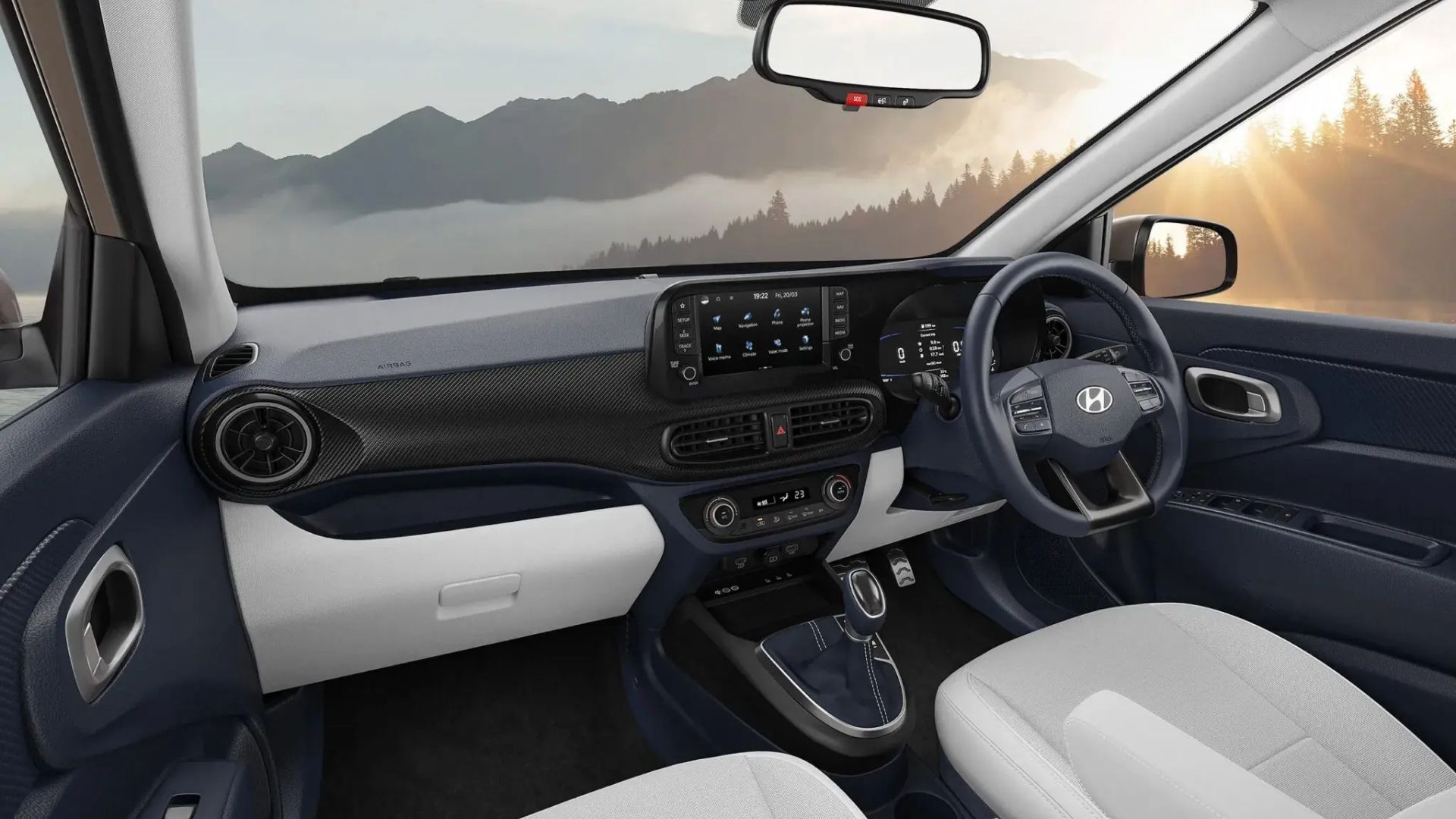
For R$ 32,000, a brand new Hyundai car is a rival to the Kwid with a 1.2 engine producing 82 hp, 6 airbags as standard, multimedia with wireless Android Auto, up to 391 liters in the trunk, and a refreshed look for 2026 in India.
-
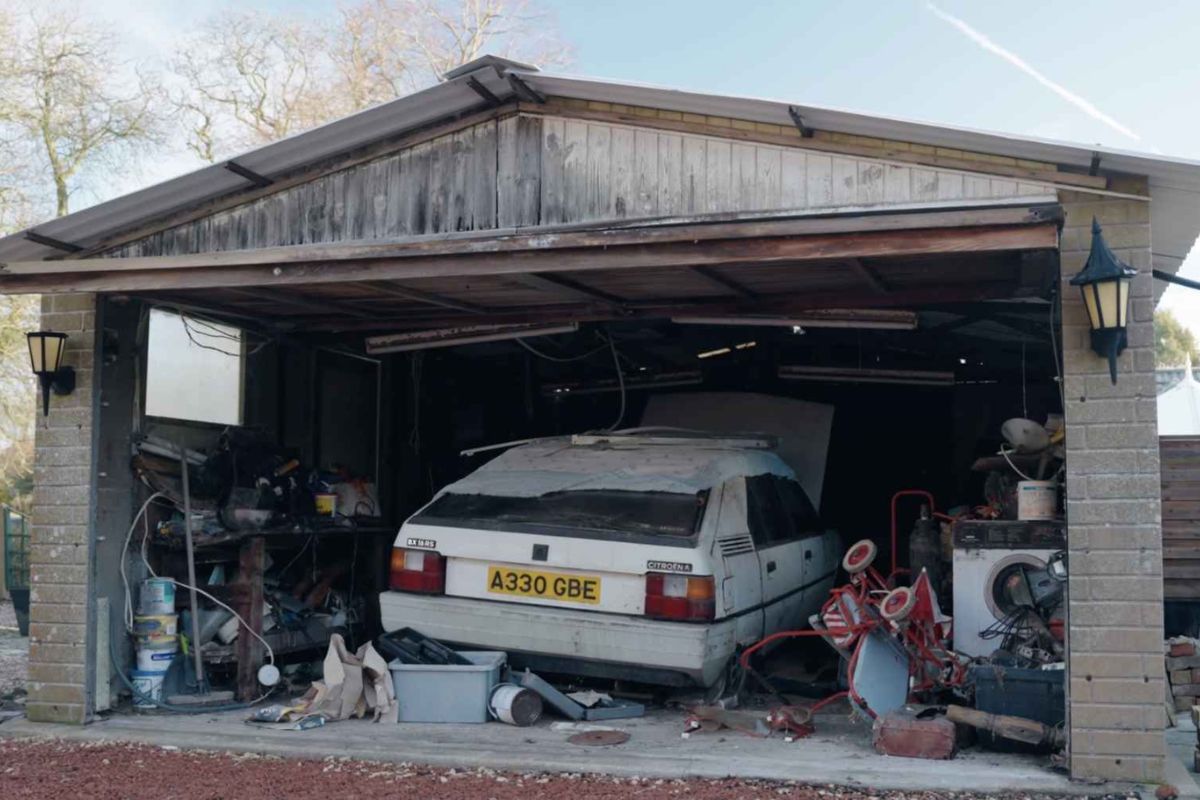
He bought a new car in 1983, locked it in the barn in 1988, and no one opened the door for 38 years until the family discovered what was stored inside and realized it looked like something out of a movie.
-
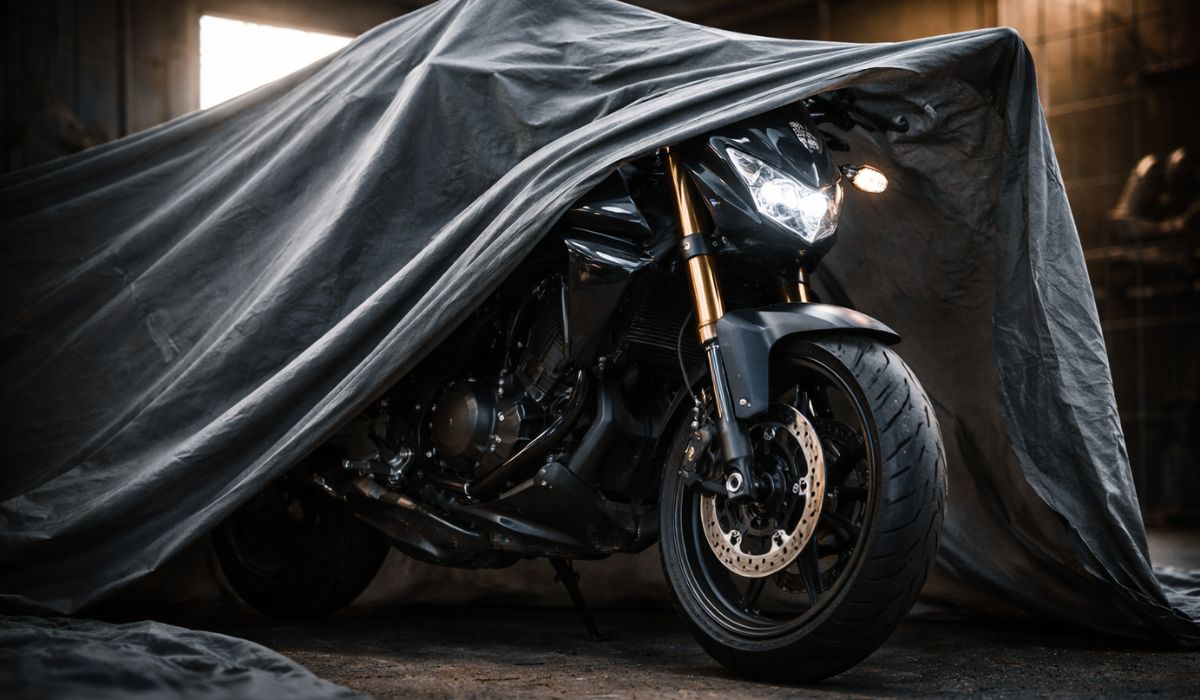
A 250cc motorcycle that can reach 560 km with a 14-liter tank, features disc brakes on both wheels and is among the most well-known in Brazil.
-
Man finds over 200 rare cars abandoned on a lot and tries to do the impossible in 8 hours with a surprise at the end.


BMW and Toyota Join Forces to Propel Technology
Despite competing with companies like Tesla in the electric market, BMW chose to diversify its range of alternative engines, investing in hydrogen as a complementary solution. The partnership established with Toyota in September 2023 strengthened the development of this technology, leveraging Japanese expertise in fuel cell production and German capabilities in automotive engineering.
The collaboration between the two automakers shows how global manufacturers are prioritizing joint efforts to accelerate the energy transition, rather than individually competing for space in the clean propulsion market. This approach may lower costs and accelerate the popularization of hydrogen as a sustainable transportation solution.
Although it is still an experimental technology for the end consumer, BMW already highlights that the efficiency difference between a combustion engine and the hydrogen-powered model could make the project commercially viable, especially in segments that require greater autonomy and refueling speed.
Hydrogen as a Key Piece for Carbon Neutrality
With the climate crisis pressing the automotive industry, hydrogen emerges as an alternative to overcome the limitations of electric vehicles in terms of infrastructure and range on long routes. While fast chargers and batteries with higher energy density still face bottlenecks, fuel cells can serve niches such as long-distance road transport and regions with poor electrical infrastructure.
Toyota and Hyundai are already betting heavily on this technology, and now Germany, through BMW, seeks to expand access and economic viability of hydrogen. This trend indicates that alongside battery electric vehicles, hydrogen-powered engines could share space in the sustainable vehicle market over the next decade.
According to information published by the GoAuto portal and official statements from BMW Group, the X5 Hydrogen FCEV represents one of Germany’s main bets to reduce emissions without solely relying on electric batteries.









O hidrogênio é o elemento mais abundante do universo. O resultado de sua combustão é só água. Com o Hidrogênio se mantém o motor a combustão e suas características inigualáveis de condução e de comportamento do carro.
No universo sim, porém no planeta não é.
Fonte: A **** do Cláudio!
Não é pq ele não seja o mais abundante que ele seja escasso na terra, ele é o terceiro elemento mais abundante na terra.
Sendo encontrado em abundância em compostos como a água e em matéria orgânica.
Creio que na Alemanha até pode se consolidar a logística para carros a hidrogênio. Já Europa / Mundo , meia dúzia de países poderão ter o mesmo.
Nao vai sair do protótipo! A logística transporte em grandes volumes e estocagem no Hidrogênio ainda nao está minimamente bem definida, ai da mais sob alta pressão. Cometamente inviável sob o ponto de vista tecnico comercial. É puro Marketing da BMW. Se os japoneses da Toyota praticamente desistiram e estao focados no motor a combustao de alto rendimento a hidrocarboneto, esquece, nao serão os alemães.
Nossa, a Tesla é BMW deveria contratar vc que é muito inteligente e superior aos engenheiros alemães. Mande currículo pra eles!
Sim, amigo você provavelmente tem razão.