





 English
  Francês
  Alemão
  Italiano
  Japonês
  Norueguês
  Portuguese
  Spanish
  7 min of reading
  0 comments


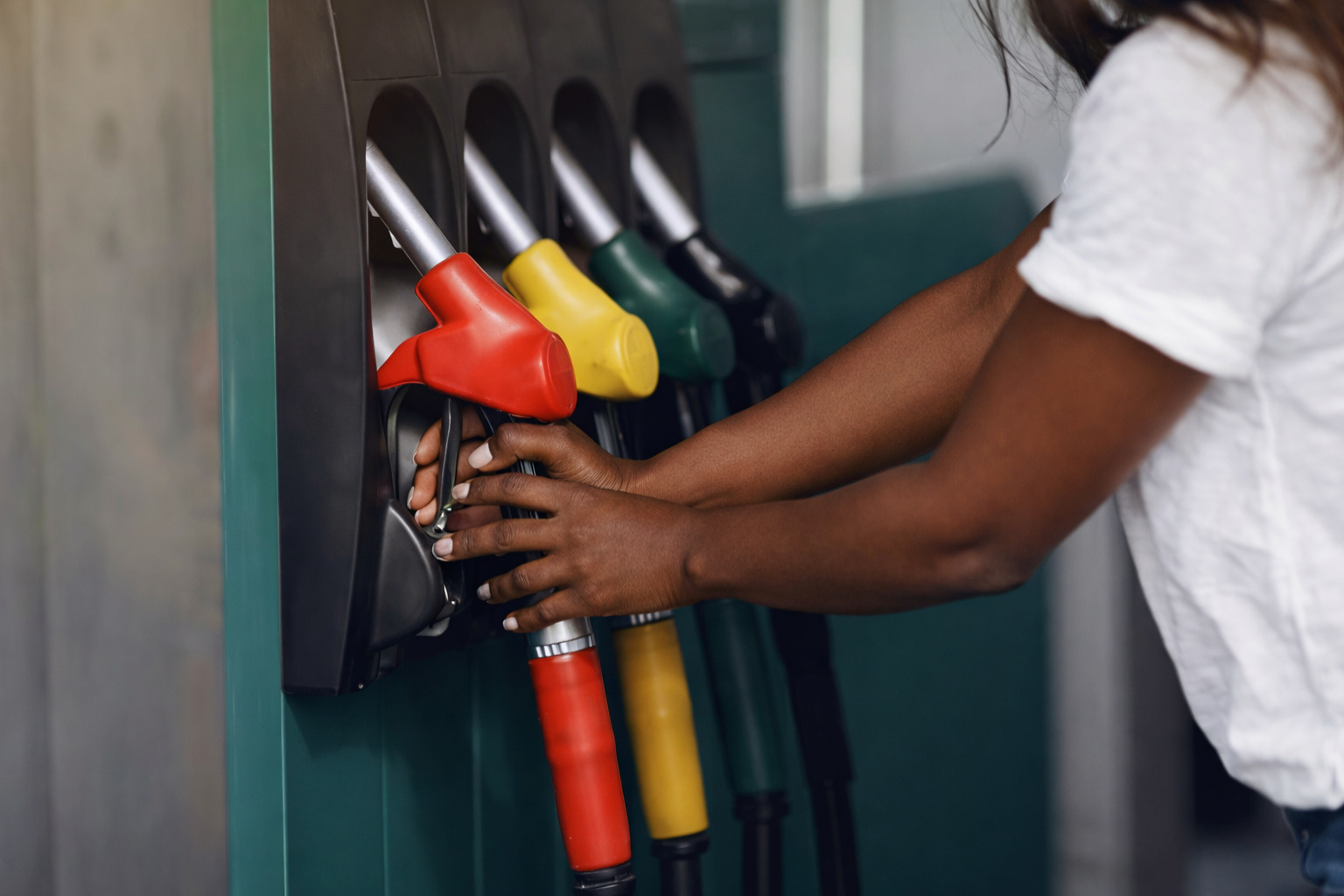
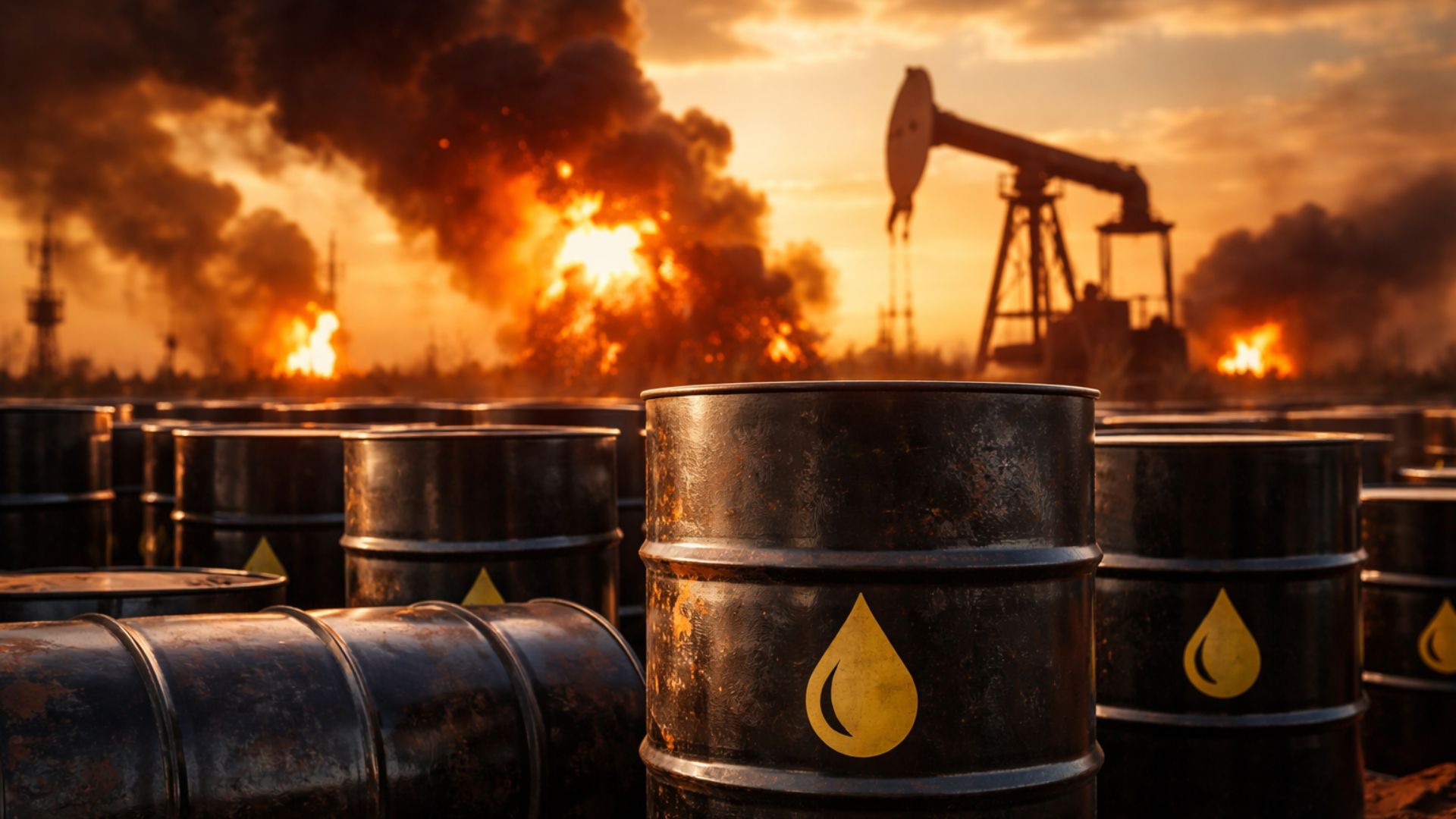
According to energy sector experts, oil prices may worsen due to geopolitical tensions in the Middle East and OPEC+ production cuts, requiring increased attention from Brazilian consumers and investors.
The scenario for the energy market raises a red flag after recent statements from experts indicate that the price of oil may worsen significantly throughout the first half of 2026.
In a recent interview, the former director of the National Agency of Petroleum, Natural Gas and Biofuels (ANP), Helder Queiroz, highlighted that the combination of international conflicts and the supply restriction policy of major producing nations pressures international indices.
The Brent crude oil, which serves as a reference for Petrobras, shows sharp volatility. This directly impacts the price of gasoline and diesel at national refineries. This upward movement does not only affect drivers at the gas station. It generates a cascading effect throughout the supply chain, raising freight costs and consequently, food prices in supermarkets.
-
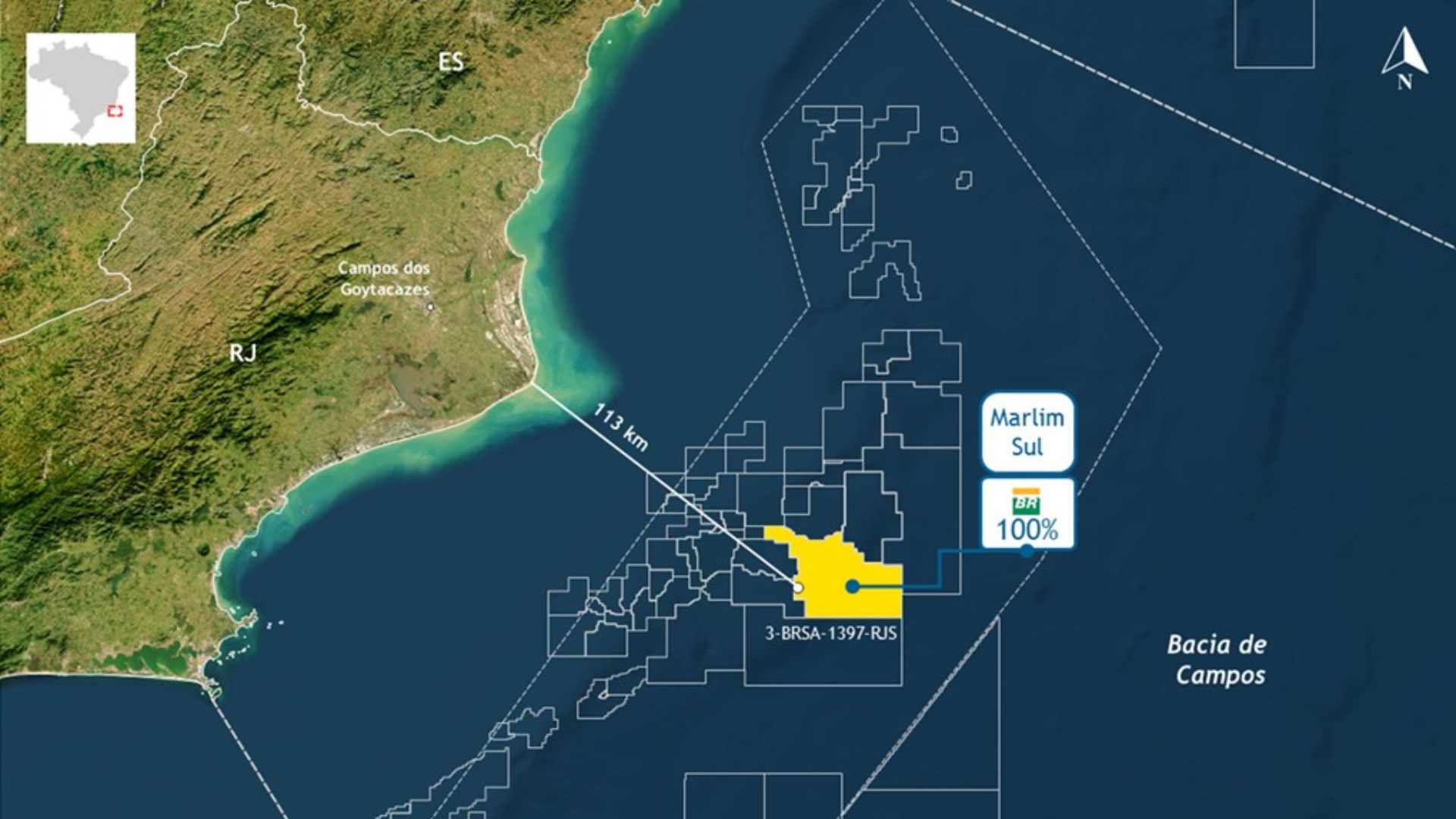
Petrobras announces new oil discovery in the pre-salt of the Campos Basin and reinforces Brazil’s prominence with high-quality reserves that can increase production and energy revenues.
-
Ocyan brings executives and digital solutions to Macaé Energy 2026 and highlights offshore expansion with Nexio and a new base in Macaé.

-
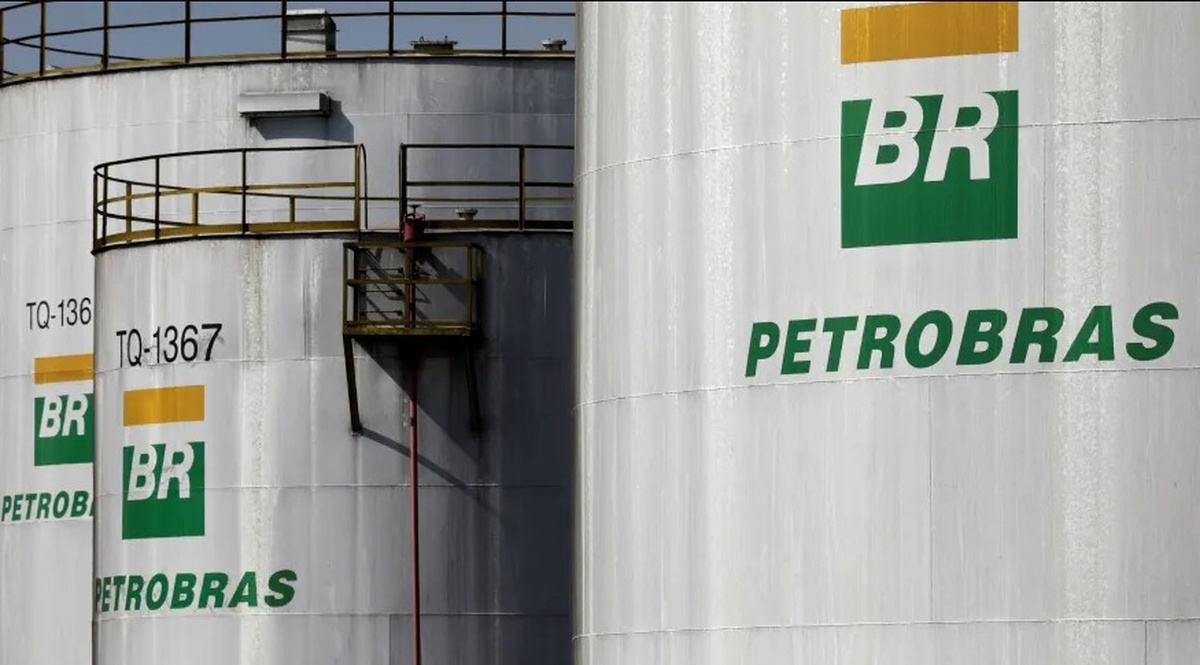
Petrobras advances 4.6% with rising oil prices and the dollar, reigniting the debate on macro risks, pricing policy, and fiscal impact in Brazil.
-
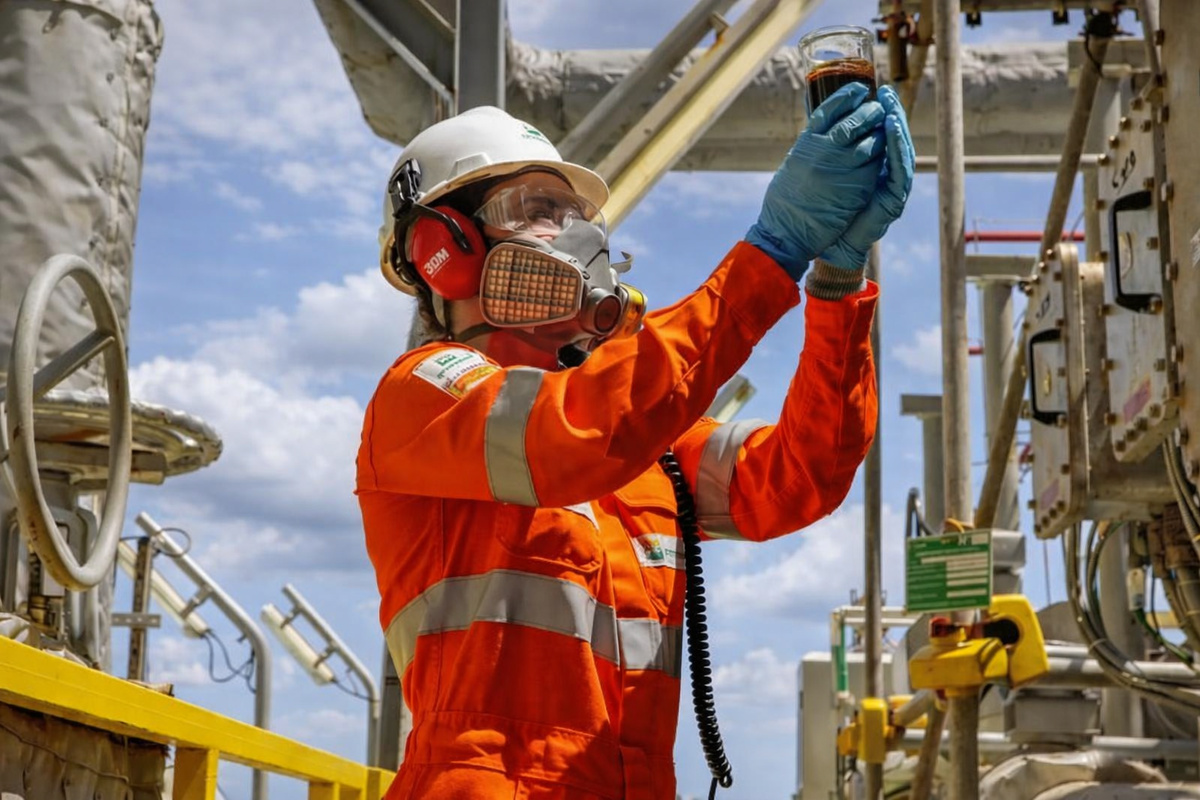
Strategic partnership between Brazil and Bolivia secures new investments: Agreement for the expansion of natural gas strengthens infrastructure market prospects and promises to reduce industrial costs.

Maintaining this high level requires the federal government and the state oil company to monitor profit margins and import parity to avoid an inflationary shock in Brazil.
Geopolitics and supply: Why may oil prices worsen now?
The political instability in strategic extraction regions is the main factor for the price of oil may worsen in the short term. The Middle East is going through a period of uncertainties that threaten maritime shipping routes, such as the Strait of Hormuz.
Any minimal interruption in the flow of oil tankers causes an immediate reaction in the London and New York stock exchanges. Market analysts emphasize that oil is extremely sensitive to military and diplomatic events.
When the market perceives a real risk of supply shortages or damage to refining infrastructures, investors rush to buy futures contracts, inflating the price of the barrel within hours.
In addition to military tensions, OPEC+ (Organization of the Petroleum Exporting Countries and allies) maintains a strict stock control strategy. Member countries of the cartel choose to limit daily production to ensure that prices do not fall below profitable levels for their national economies.
This “invisible hand” of the cartel creates an artificial scarcity in the global market. With global demand in full industrial recovery, reduced supply pushes prices up. Brazil, although a major producer and exporter of crude oil, still depends on the import of derivatives, making the country vulnerable to decisions made in Vienna or Riyadh.

The direct impact on the Brazilian consumer’s wallet
The rise in international prices quickly reaches Brazilian pumps due to the pricing policy that, although it has changed in recent years, still considers opportunity costs and import logistics.
If the price of oil may worsen in the coming weeks, the reflection at the fuel pump will be inevitable. Diesel, the engine of national logistics, suffers the most severe impact. Truck drivers and transportation companies pass on the extra costs to freight prices, making the transport of grains and manufactured products more expensive from one end of the country to the other.
The middle class also feels the hit on their household budgets. The increase in gasoline reduces the purchasing power of families, who need to redirect resources from leisure and education to maintain daily commuting.
Interestingly, this scenario boosts the demand for electric and hybrid vehicles in the national market, as consumers seek alternatives to escape dependence on fossil fuels. However, for most of the population, the only way out is adaptation and cutting expenses in other areas to compensate for the energy inflation that high oil prices generate in daily life.


Logistics and infrastructure under pressure with the rise of Brent
The infrastructure and logistics market watches with concern the possibility that the price of oil may worsen before showing any stability. Major paving and heavy construction projects use petroleum derivatives, such as asphalt, which follow the variation of crude oil.
The rising costs of these inputs may lead to the halt of essential infrastructure projects for the flow of the Brazilian harvest. Highway and railway concessionaires are also recalculating their investment plans in light of a scenario of higher operational costs. This delays the logistical modernization of the country.
On the other hand, high oil prices encourage oil companies to invest more in exploration and production (E&P). Pre-salt projects that were once considered expensive become highly profitable with the barrel above 90 dollars.
This paradox creates an environment where, while consumers suffer, the oil and gas industry experiences a “boom” of new contracts and hiring. Service companies for oil-related activities, such as drilling and maritime support, report increased demand for vessels and drilling equipment in deep waters. This stimulates the economy of coastal cities like Macaé and Santos.
Energy transition: The alternative for the future
Given the realization that the price of oil may worsen periodically due to external crises, Brazil is accelerating its energy transition agenda. Ethanol and biodiesel gain strategic relevance as fuels capable of mitigating the impact of oil volatility.
The Brazilian sugar-energy sector has the technology to supply part of the internal demand but still faces scale challenges to fully replace petroleum derivatives. The federal government is discussing increasing the percentage of biodiesel blended into regular diesel and ethanol blended into gasoline as a way to “soften” international highs and support domestic producers.
Solar and wind energy also play a role in energy security. With expensive oil, the cost of generating thermoelectric power from diesel oil rises, making renewables even more competitive in energy auctions.
The country is heavily investing in new transmission lines to carry solar and wind energy from the Northeast to the industrial centers of the Southeast. This diversification of the energy matrix reduces pressure on fossil fuels. And, therefore, offers an escape route for the Brazilian economy in times of international oil and gas market crises.
Forecasts for the coming months: What to expect? Can oil prices worsen?
International economics experts suggest that the situation where the price of oil may worsen is likely to extend at least until the end of the third quarter of 2026. Uncertainty about the growth of the Chinese economy and the interest rate policy of the Federal Reserve (Fed) in the United States are the final components of this puzzle.

If China shows industrial growth above expectations, energy demand will explode, pushing prices to record levels. If U.S. interest rates remain high, the dollar will strengthen, further increasing the barrel price for emerging countries like Brazil.
The former director of the ANP emphasizes that the country needs more robust strategic stocks to deal with these fluctuations. Developed countries maintain underground reserves to be used in cases of global emergencies, ensuring internal supply for months.
Brazil, despite being self-sufficient in crude oil production, lacks refining capacity that keeps pace with domestic consumption growth. Modernizing existing refineries and building new processing units for derivatives are urgent measures for the country to stop being a hostage to external market fluctuations.
The role of technology in optimizing consumption
Digital technology acts as an important ally when the price of oil may worsen and threatens the profits of transportation companies. Fleet management software and artificial intelligence help chart more efficient routes, reducing fuel consumption by up to 15%.
Modern trucks use telemetry systems that monitor how the driver drives, avoiding sudden accelerations and waste. In the aviation sector, the use of sustainable aviation fuel (SAF) is beginning to be tested on a large scale to reduce carbon footprint and dependence on traditional refined oil.
At the domestic level, fuel price comparison apps gain thousands of new users daily. Brazilian consumers have learned to research and use loyalty programs to obtain discounts cent by cent.
This change in behavior reflects a necessary adaptation to a world where cheap energy is no longer a guarantee. Technological innovation, combined with changing habits, constitutes the first line of defense against fuel inflation that haunts the global market.
Attention and planning are the watchwords
The alert that the price of oil may worsen serves as a call for caution for all sectors of the Brazilian economy. The international scenario remains unstable, and the variables controlling the energy market are beyond national reach.
Financial planning, seeking alternative energy sources, and investing in refining infrastructure are the only tools capable of protecting the country from prolonged external shocks. Oil remains the “blood” of the modern economy, but excessive dependence on it creates vulnerabilities that Brazil needs to overcome.
The coming months will require resilience from consumers and agility from the government in managing crises. If the forecasts for price increases are confirmed, the country will face a new test of fire in its economic policy.
The secret to navigating this turbulent period lies in diversification and strategic intelligence. The sun and wind of Minas Gerais, São Paulo’s sugarcane, and Paraná’s biogas are the natural allies Brazil has to face a world where oil is both wealth and a problem.








Seja o primeiro a reagir!