





 Portuguese
  English
  Spanish
  4 min of reading
  0 comments


The NSA Is Advising All iPhone and Android Users to Reboot Their Devices Now. Understand the Reason Behind This Urgent Alert and How It Can Protect Your Smartphone from Threats!
Nowadays, it is common to hear jokes about the famous YouTube recommendation to “turn it off and on again” in situations of technical problems. But what if this advice comes from the National Security Agency (NSA)?
The recommendation to regularly reboot smartphones, either Android or iPhone, made by the NSA, has sparked debates about its true effectiveness in combating cyber threats like malware and spyware. But, after all, can following this guidance really protect your device against attacks in 2024 and beyond?
The NSA’s Advice on Rebooting Your Phone
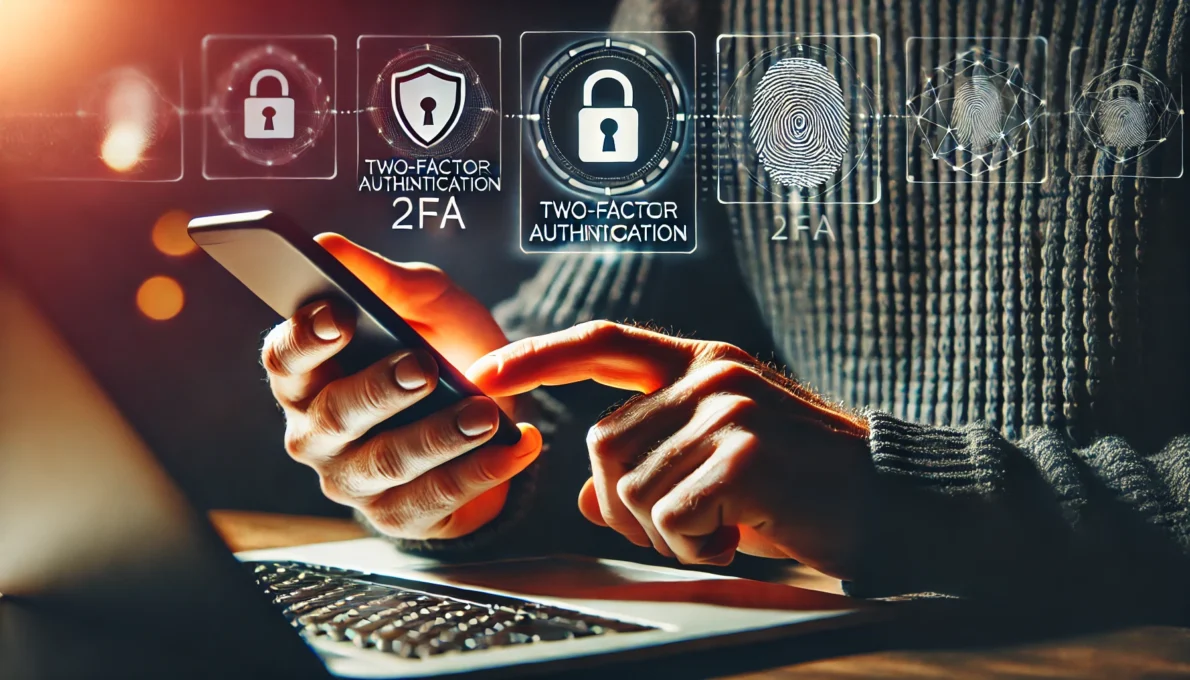
The NSA’s recommendation was originally published in a best practices guide for mobile devices. The document emphasized that, with the rise of cyber threats directed at smartphones, users should adopt simple measures to protect their data and ensure the security of their devices. One of the most straightforward pieces of advice was to turn off and reboot the phone weekly.
-
Millions of people have been eating yam for centuries without knowing that this humble tuber contains a compound called diosgenin, which scientists have now discovered can improve memory and help control blood sugar levels.

-
Scientists from an international project drill 1,800 meters of ice in Antarctica using hot water and discover details about one of the most intriguing places on planet Earth.

-
Seen from space, a colossal volcano nearly 5,000 meters high in Russia has released 1,600 km of smoke over the Pacific, forming “devil’s horns” of lava and revealing the brutal force of the Ring of Fire.

-
Expedition 501: Scientists drill into the ocean floor and discover a giant reserve of fresh water hidden beneath the sea, extracting nearly 50,000 liters and revealing an invisible system that could reshape the map of water scarcity.


The NSA justified that many of the features of smartphones, whether Android or iPhone, that offer convenience and connectivity, end up compromising the security of the devices. Although the recommendation seems simple, security experts claim that rebooting can indeed prevent certain types of attacks, but it is not a complete solution.
What Can Rebooting Prevent?
The NSA guide suggests that regular rebooting of smartphones can help prevent some types of malware and spyware. This is because many malware programs are designed to operate in the device’s temporary memory, and a simple reboot can eliminate these programs. However, it is important to remember that rebooting will not solve everything.
More sophisticated malware, such as Pegasus, used by governments for espionage, can reinfect the device after a reboot, especially when exploiting system vulnerabilities. In this case, rebooting may be helpful, but only as a temporary measure.
The main issue raised by many experts is that while rebooting helps combat less persistent malware threats, it is not enough to protect against more advanced threats.
Is Rebooting a Magic Solution?
Definitely not. Regularly rebooting your smartphone can be effective against certain types of malware, but you should not rely solely on this practice to ensure your device’s security.
The NSA warns that this is just one of several measures users should take to protect themselves. The agency also recommends using strong passwords, biometric locks, and regularly updating software as effective ways to keep smartphones protected.
Additionally, experts point out that rebooting can help improve phone performance. Connectivity issues and even battery problems can be resolved with a quick reboot. However, when it comes to security, there is more to consider.
Why Does the NSA Recommend Rebooting?
The main reason behind the NSA’s recommendation is that, with the advancement of digital threats, it is important to reduce the attack surface.
Since many modern malware rely on zero-click exploits, rebooting the device regularly can help mitigate the impact of some of these attacks.
These exploits can allow hackers to install malware on the device without requiring user interaction, making them particularly dangerous.
By rebooting the device, temporary malware is removed from memory, meaning it will need to be reintroduced to cause damage again. While this is not a complete solution, the practice of rebooting the phone can be seen as an additional layer of protection.
Rebooting Your Android and iPhone in 2024: Is It Necessary?
The answer is both yes and no. In terms of security, rebooting the phone can remove temporary malware, but it does not offer total protection. Experts recommend rebooting as a good practice, but emphasize that this measure should be combined with others, such as using security software and performing frequent system updates.
Jake Moore, a cybersecurity expert at ESET, states that “rebooting is a good idea, but more for performance reasons than for security.” He explains that while it is useful against non-persistent malware, true security comes from regularly updating software and using preventive measures like strong passwords and biometric authentication.
On the other hand, when it comes to advanced and persistent exploits, rebooting will not be enough to prevent sophisticated attacks, such as those carried out by nation-states using tools like Pegasus. In these cases, rebooting may at most reduce exposure time.
Conclusion: The Importance of Adopting a Holistic Approach
The NSA’s advice to reboot smartphones regularly is a reminder that in an increasingly connected digital world, every security measure counts. However, relying solely on rebooting is not sufficient.
Android and iPhone smartphone users need to be aware of other security practices, such as keeping their devices updated, using robust authentication methods, and avoiding clicking on suspicious links.
Rebooting the phone can help, but true protection comes from a combination of various security practices that together make the device more resilient to attacks.









Seja o primeiro a reagir!