





 Portuguese
  English
  Spanish
  3 min of reading
  0 comments


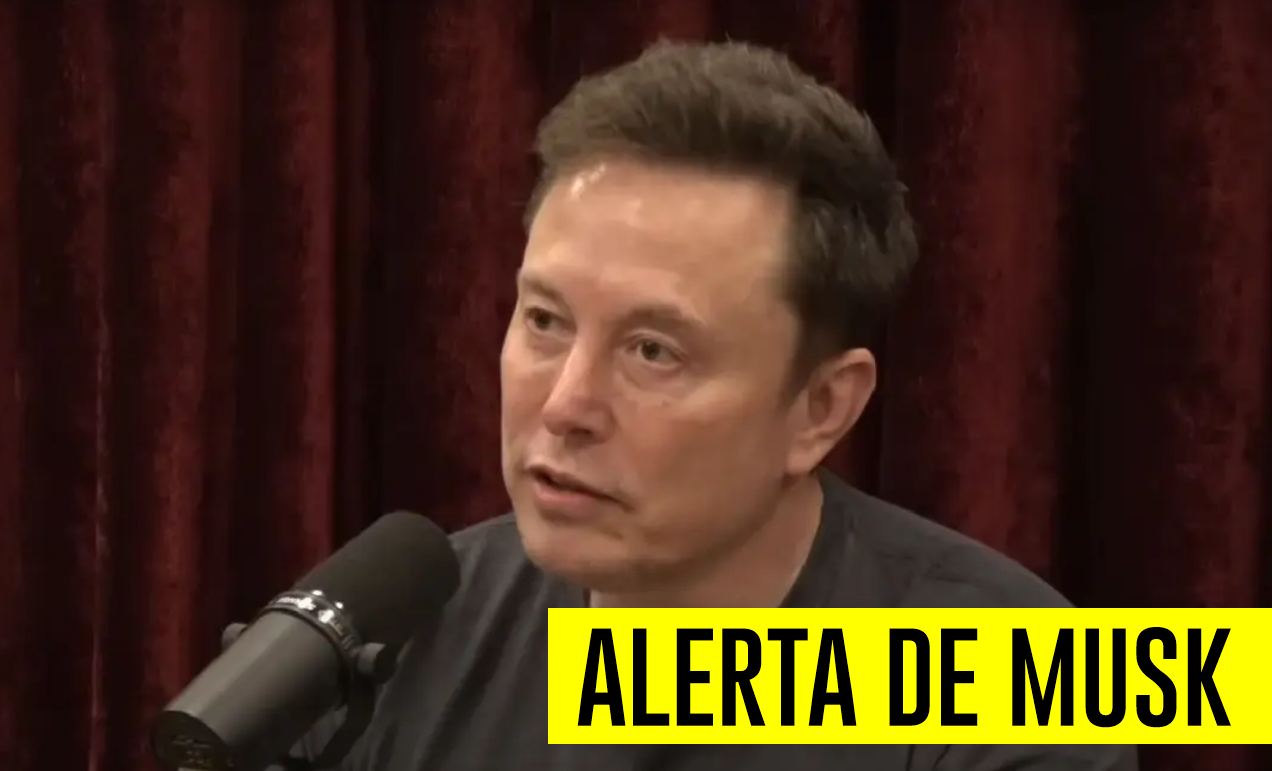
Elon Musk Issued A Severe Warning About The Crisis Facing The Automotive Industry, Stating That Many Companies Will Not Be Able To Survive The Current Competitive Landscape.
Elon Musk, CEO of Tesla and a figure known for his controversial opinions, has sparked another debate in recent days. The billionaire issued a troubling warning about the future of the automotive industry worldwide.
In a post on X (formerly Twitter), Elon Musk said that many automakers are on the brink of collapse amid the current challenges in the sector. The message came in response to a discussion about the critical situation of Nissan, one of the traditional manufacturers facing significant difficulties.
Nissan: A Giant On The Brink
The Nissan faces a very challenging environment. Recently, two anonymous executives from the Japanese company stated that the automaker has between 12 and 14 months to avoid bankruptcy.
-
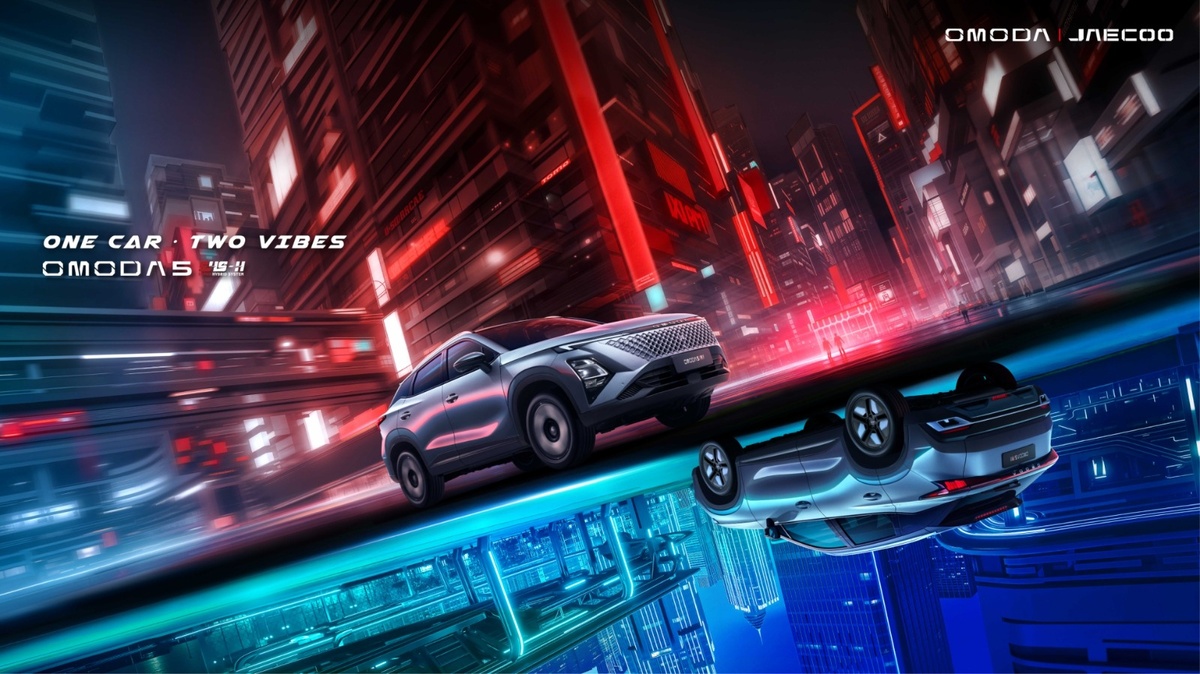
OMODA & JAECOO grows in Europe in 2026 with an integrated strategy of sales, innovation, local production, and technological advancement in the United Kingdom, Italy, and Spain.
-
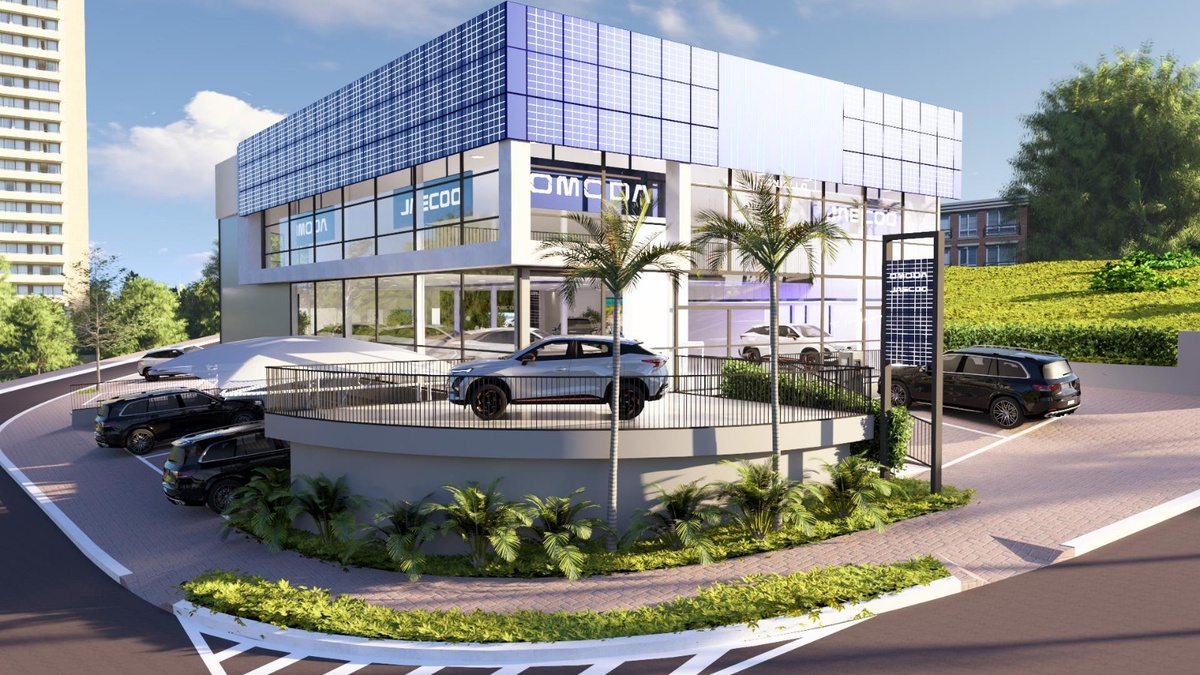
OMODA & JAECOO expands after-sales service in Brazil with competitive maintenance, a 7-year warranty, and high availability of parts for technological SUVs.
-
OMODA & JAECOO appoints Alessandra Souza as executive marketing director in Brazil and accelerates brand expansion with a focus on innovation, networking, and hybrid portfolio.

-
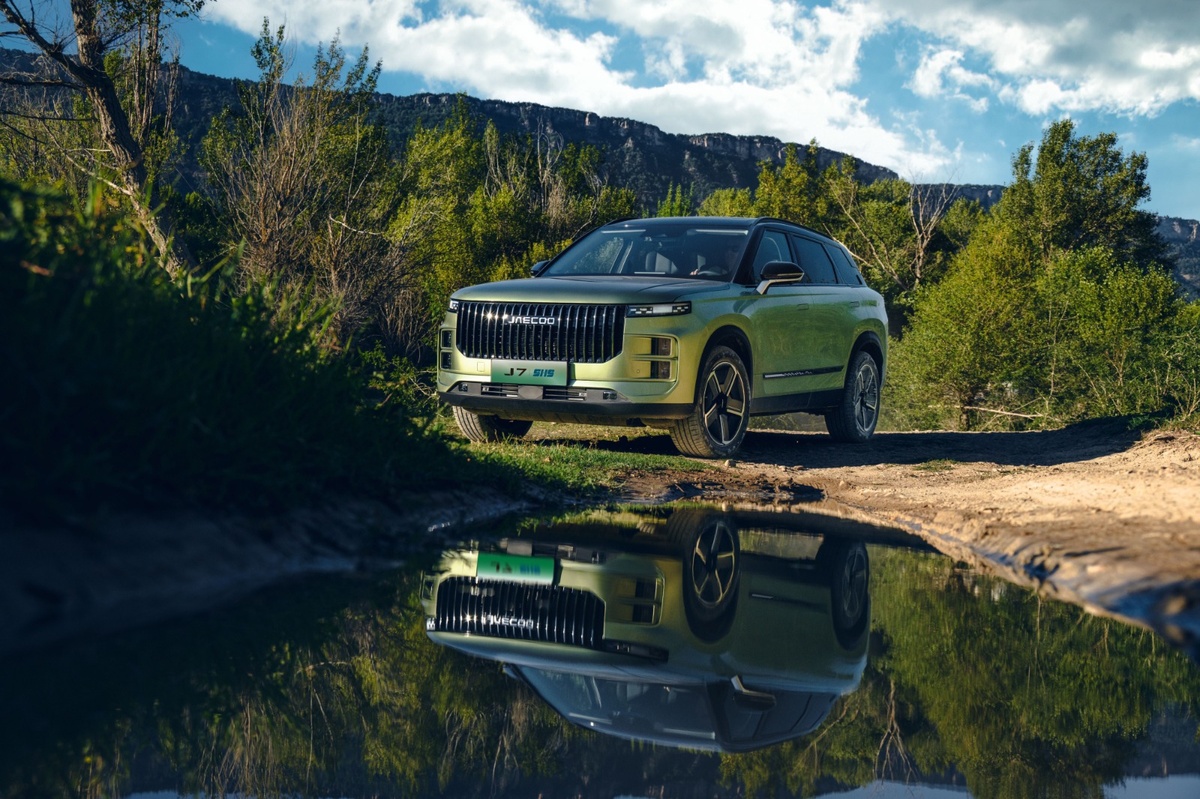
Jaecoo 7 with super hybrid SHS system exceeds 1,200 km of combined range with a 1.5 turbo engine, high-density battery, and intelligent energy management.
The situation is worsened by cuts of 9,000 jobs and a 20% reduction in production. Additionally, the company reported an 85% drop in operating profit in the last quarter, compromising its ability to innovate and compete.
Musk’s message amplified the severity of the issue, highlighting that Nissan is just one example of how traditional automakers are struggling to adapt to changes. The automotive market is undergoing a technological revolution, with the transition to electric vehicles and increasing competition from Chinese brands.
Other Automakers Are Also Feeling The Pressure
The challenge is not limited to Nissan. Manufacturers such as Stellantis, Ford, and Volkswagen are also facing tough times. In Europe, brands like Fiat and Citroën, which belong to Stellantis, have seen their sales plummet, resulting in production adjustments.
Ford announced the cut of 4,000 jobs in Europe, while the Volkswagen Group is studying the closure of up to three plants.
The crisis exposes a common pattern: automakers that fail to adapt to the demands of electrification and changes in consumer behavior are being surpassed. Competition from China and the high cost of developing electric vehicles are additional challenges.
The Electric Transition As A Watershed Moment
The coming years will be crucial in determining which companies will survive the industry’s transformation. The high cost of developing electric technologies, combined with the global economic instability, is pushing some companies towards collapse.
Promising startups have already faced bankruptcies, and even major players in the sector are struggling to remain relevant.
Despite the challenging landscape, Tesla continues to thrive.
In the last quarter, Musk’s company reported a profit of US$ 2.18 billion, a 17% increase compared to the previous year. However, even Tesla is not immune to challenges.
Its best-selling model, the Model Y, has not been updated in five years and is starting to lose steam in some markets. To address this, the brand is already working on a redesign of the vehicle, aiming to maintain its leadership in the sector.
Elon Musk’s Warning
Elon Musk’s warning underscores a harsh reality: many automakers will not survive. The automotive industry is at a crossroads, and only those who can innovate quickly and meet new market demands will have a chance to thrive.
The electric revolution is separating the winners from the losers, and time is running out for those who insist on outdated business models.








-

-

-

-

-

-

7 pessoas reagiram a isso.