





 Portuguese
  English
  Spanish
  4 min of reading
  0 comments


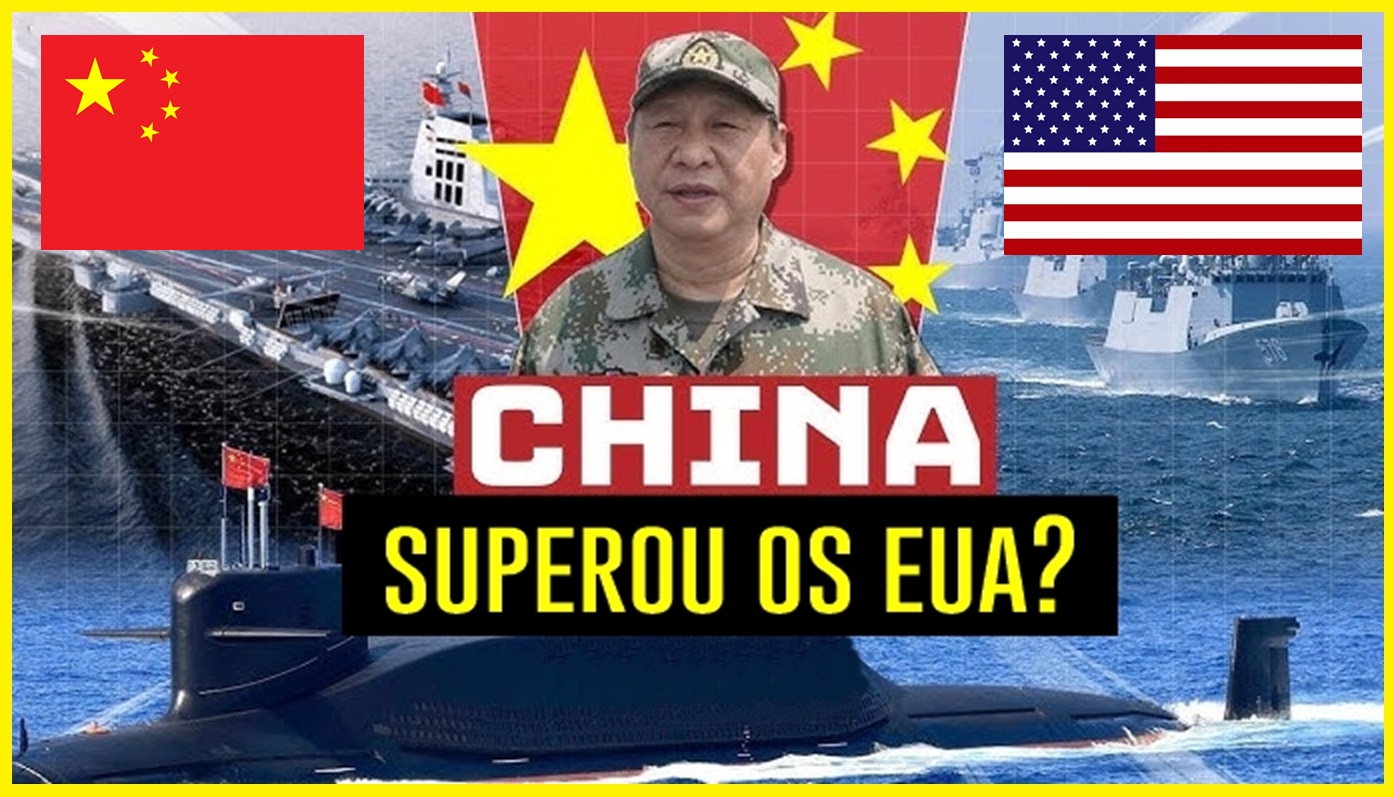
In recent decades, the world has witnessed a rapid modernization of the Chinese Armed Forces. This transformation has been closely monitored by the U.S. Army, which observes the growth of the Chinese Army with attention and caution.
Both countries are military and economic powers, and as the Chinese Army strengthens its capabilities, the competitiveness between it and the U.S. Army intensifies. In this article, we will explore the main areas of advancement of the Chinese Army, its global implications, and how the United States is responding to this growth.
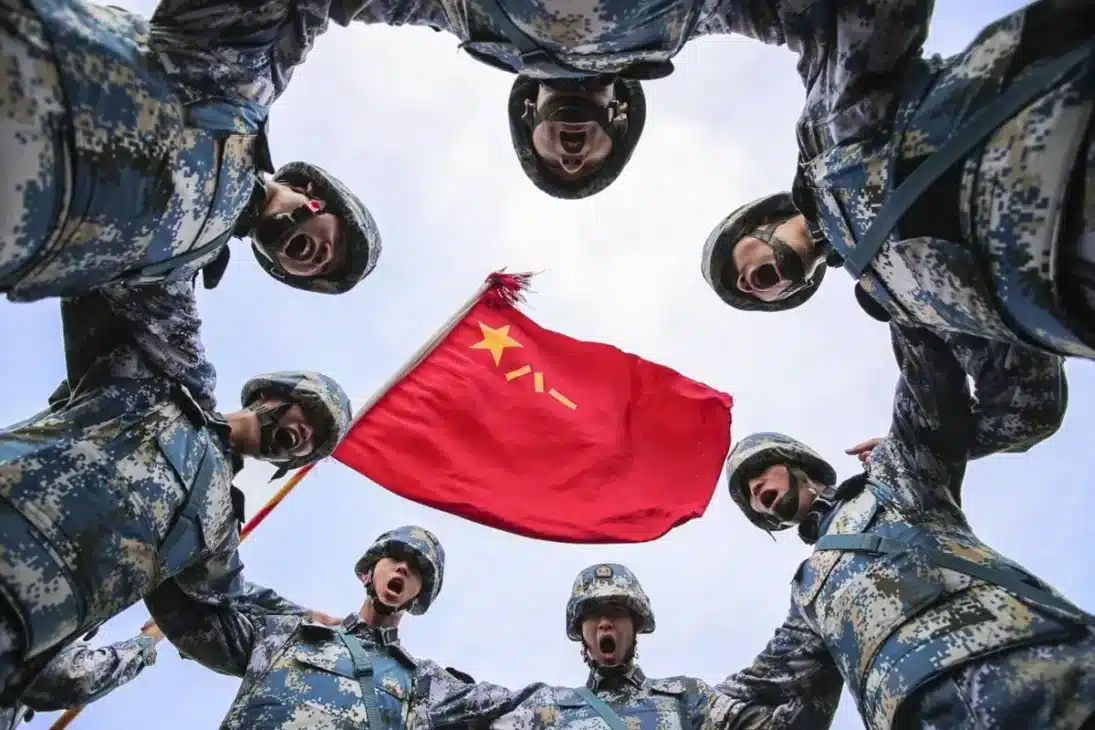
Transformation of the Chinese Army
The Chinese Army has undergone significant changes in recent years, evolving from a quantity-focused force to a highly technological and effective organization. This development has included modernization in several areas, such as the Navy and the Air Force.
-
If the USA were to go to war with Brazil, Washington’s greatest fear would not be the attack itself, but facing a vast territory, prolonged resistance, and a costly, chaotic, and unpredictable occupation.
-
In 2013, Nicaragua sold the concession for a canal to rival Panama to a Chinese billionaire who lost 85% of his fortune, disappeared, and was declared bankrupt. Now the project resurfaces with a new route, a new Chinese partner, and a cost of $64.5 billion.

-
The USA announces a mysterious billion-dollar vault project to store critical minerals, but what intrigues experts is not just the plan itself, but why Latin America, including Brazil, has entered the center of this global dispute against China.

-
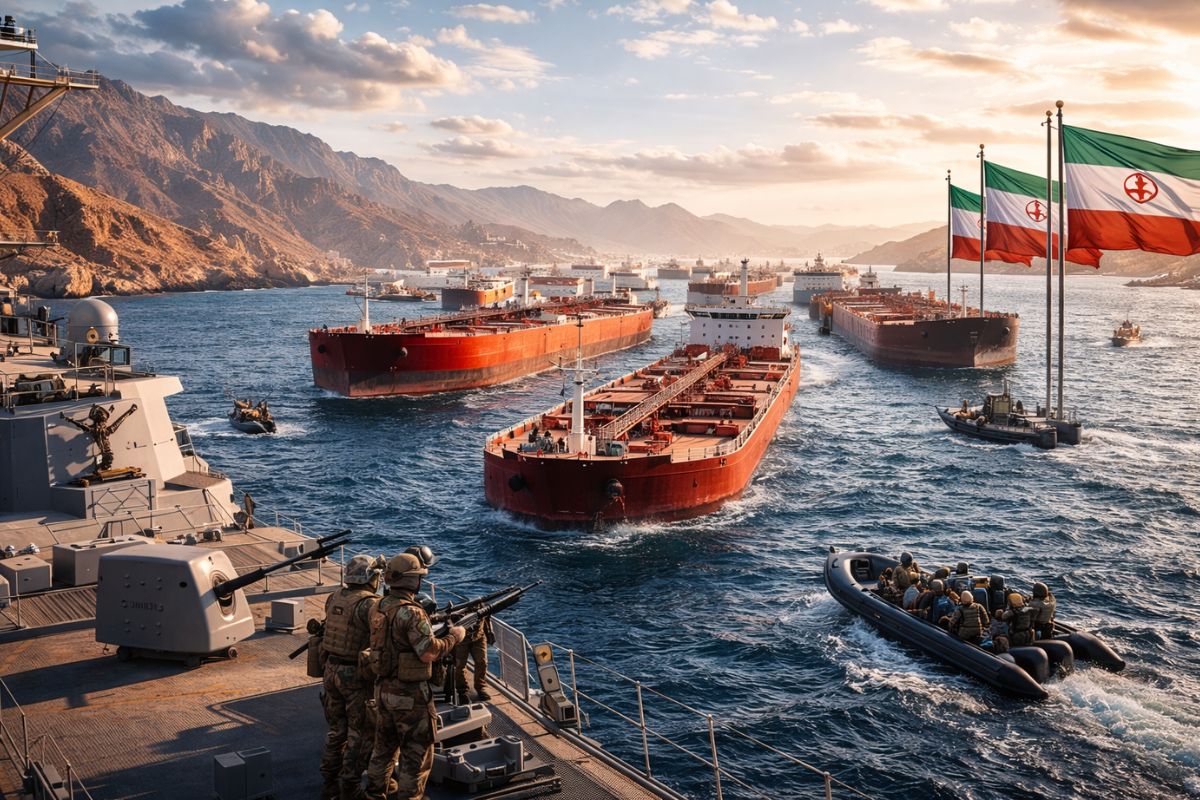
Trump Announces Bombing of U.S. Military Targets on Iranian Island Responsible for About 90% of Iran’s Oil Exports, Warns of Further Attacks if Navigation in Strategic Strait of Hormuz Is Threatened

Chinese Navy (PLA Navy – PLAN): Today, the navy of the Chinese Army is the largest in the world in terms of the number of vessels and has some of the newest ships. About 70% of Chinese warships were launched after 2010, giving it a modernity advantage compared to the U.S. Army.
Moreover, Chinese ships are increasingly comparable in design and quality to those of the United States, although the American navy is still recognized for its experience and advanced armament.
Chinese Air Force (PLAAF): The Chinese Air Force has also been evolving rapidly. Although its most advanced aircraft have not yet reached the same level of stealth technology as the American ones, China now produces high-quality jet engines, almost on par with NATO countries.
Additionally, China is capable of producing stealth aircraft at a faster rate, allowing the PLAAF to modernize in a quicker and more dynamic manner.
Cutting-Edge Technologies
The Chinese Army has been investing in advanced technologies that place it at a leading global level in some aspects:
Hypersonic Missiles: China is recognized for having the largest arsenal of hypersonic missiles in the world, weapons capable of traveling at over five times the speed of sound. These missiles can maneuver at high speeds, challenging traditional defenses. For the United States, this advantage represents a significant threat, and efforts are being made to test even faster and more precise missiles.
Artificial Intelligence and Autonomous Systems: The Chinese Army has advanced in the development of autonomous systems and advanced robotics, including drones and collaborative robots. These systems utilize artificial intelligence to improve the accuracy, speed, and effectiveness of military operations, allowing the Chinese Army to adapt more quickly to modern combat scenarios.
Comparison with the U.S. Army
Competition between the Chinese Army and the U.S. Army is becoming increasingly fierce, especially in areas where the Chinese have advanced more rapidly.
Although the U.S. Army is still the best equipped and experienced, a lack of investment in certain areas has left room for the Chinese Army to advance, such as in the development of long-range missiles and air defense technologies.
Investment and Budget: Even spending less than 2% of its GDP on defense, compared to over 3% from the United States, the Chinese Army has made significant progress. This relatively low investment makes the growth of the Chinese Army even more impressive, highlighting its efficiency in terms of cost-benefit.
Innovation and Technological Development: While the United States leads in small satellites and some other areas, China leads in critical defense technologies, such as hypersonic detection systems and space launch systems, according to the Australian Strategic Policy Institute.
Challenges and Limitations of the Chinese Army
Despite the progress, the Chinese Army faces internal challenges that still hinder its total competitiveness with the U.S. Army.
The lack of real combat experience is a major limitation, as the last significant war involving China occurred decades ago. The integration between the different branches of the Chinese armed forces, such as the army, navy, and air force, also needs improvement.
Moreover, the Chinese Army faces issues related to logistics and internal corruption, which compromise its ability to operate efficiently in prolonged conflicts.
These problems reflect a critical factor that the U.S. Army, with its long experience in international conflicts, has long overcome.
The competition between the Chinese Army and the U.S. Army has profound implications for the global balance of power. The rapid modernization of the Chinese Army raises questions about international security and stability, particularly in the Pacific and Asian regions.
For the United States, keeping up with the development of the Chinese Army is essential to maintaining its position as a dominant military power. However, this race is not just about financial investments, but also about technological advancement and tactical adaptation.
In the current scenario, the world is closely watching the unfolding of this competition, which may redefine the course of global politics and security in the coming decades.









Seja o primeiro a reagir!