





 English
  Francês
  Alemão
  Italiano
  Japonês
  Norueguês
  Portuguese
  Spanish
  6 min of reading
  0 comments



Recent Changes In Fuel Used By Commercial Ships Have Drastically Reduced Sulfur Emissions And Created A Natural Experiment In The Atlantic, Allowing Scientists To Measure How Maritime Traffic Alters Cloud Formation, Brightness And Amount, With Direct Impacts On The Planet’s Energy Balance
Disruptions In Maritime Transport Are Typically Analyzed For Their Economic And Logistical Impacts. In This Case, The Effects Extended To The Atmosphere, Creating A Rare Natural Experiment To Observe Interactions Between Ship Emissions And Cloud Formation.
Militia Attacks In The Bab El-Mandab Strait Have Drastically Reduced Traffic In The Red Sea. As A Consequence, Commercial Vessels Have Started To Navigate Around The African Continent Via The Cape Of Good Hope.
This Rerouting Has Concentrated Maritime Traffic In The South Atlantic, An Area Known For The Persistent Presence Of Low Clouds, Highly Sensitive To Atmospheric Emissions From Cargo Ships.
-
Ocean Giant Could Change Everything: Nuclear Container Ship Project Promises to Transport 16,000 Containers Without Using Fossil Fuels

-
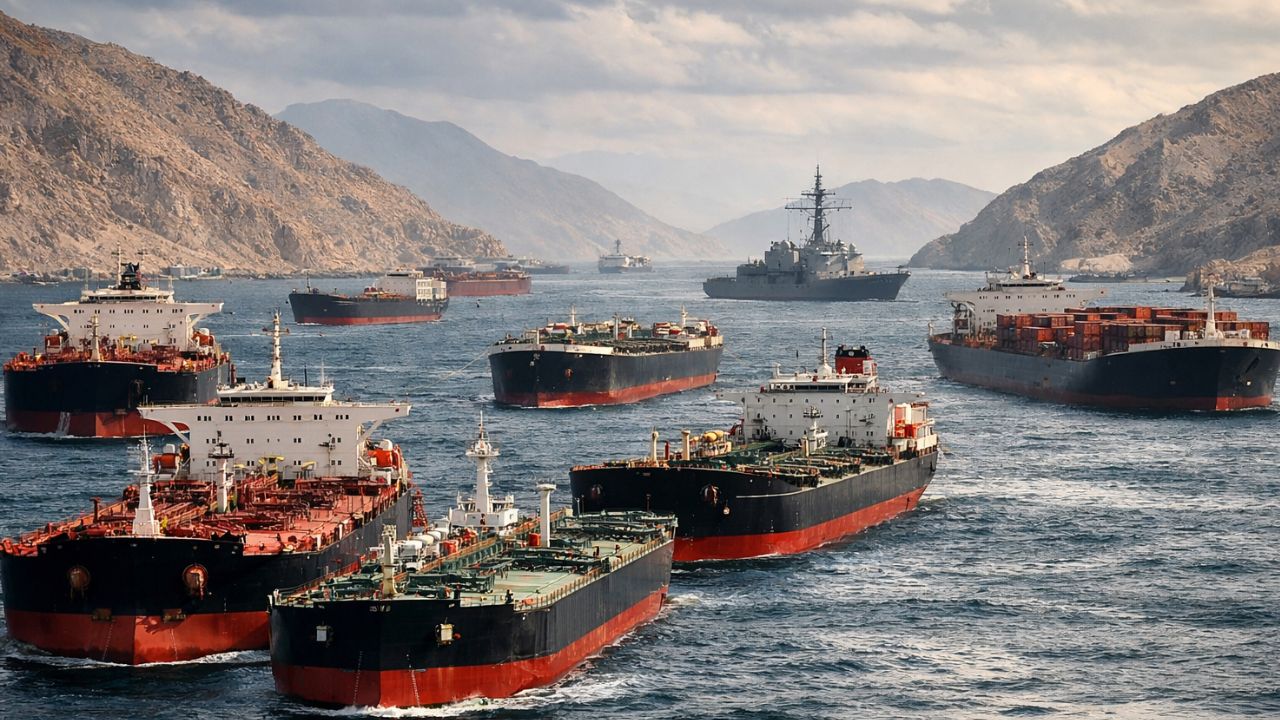
Hormuz Strait: Hundreds of Ships and Oil Tankers Stranded After Attacks in the Middle East
-
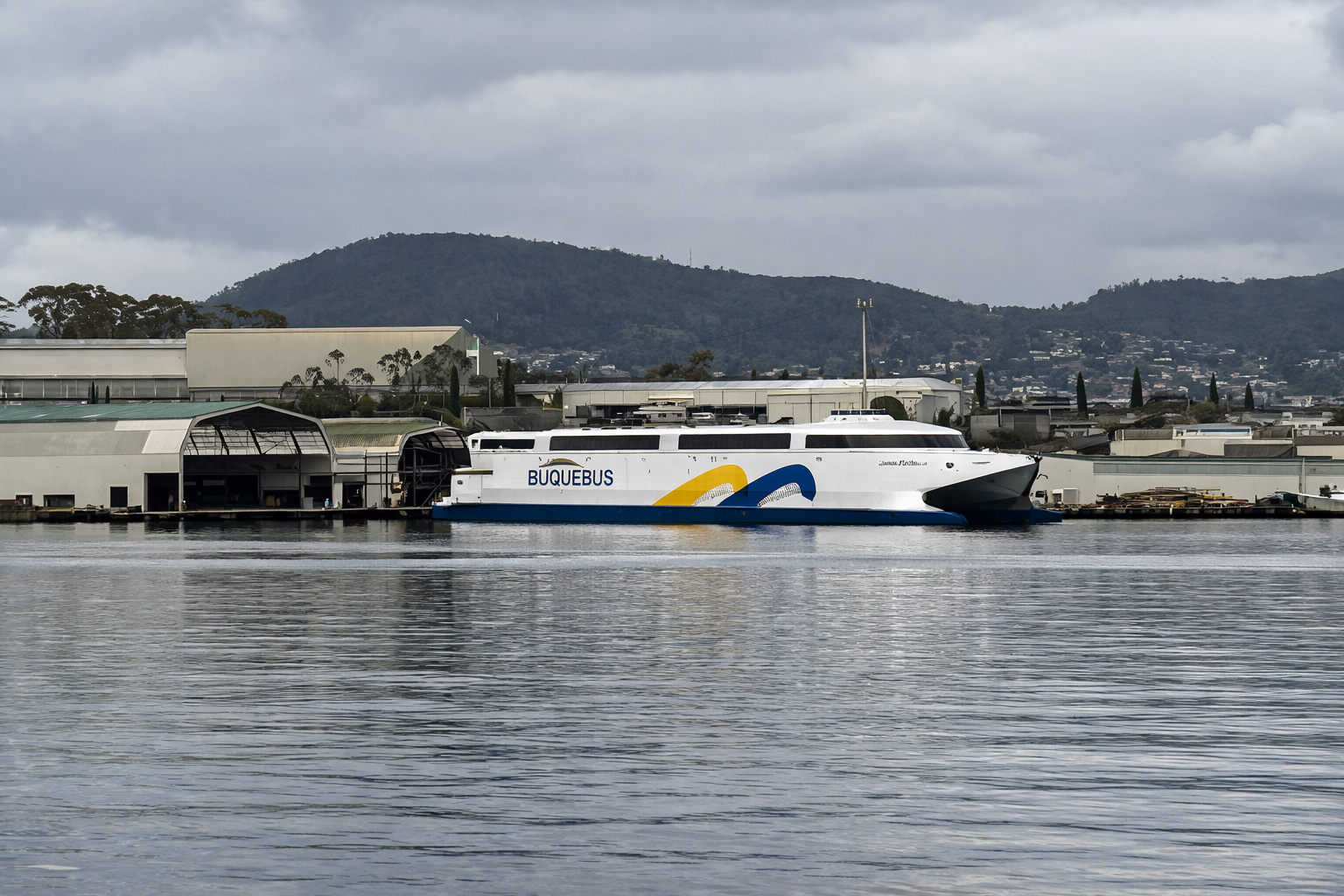
World’s Largest Electric Ship, China Zorrilla, Will Connect Argentina and Uruguay Across the Río de la Plata with a $200 Million Investment and Operations Planned for 2026
-
How A 20-Ton Anchor Holds 200,000-Ton Ships Even Under Extreme Winds And Why It Fails In The Deep Ocean


For Atmospheric Scientist Michael Diamond, The Unexpected Change Provided Ideal Conditions To Investigate How Cleaner Marine Fuels Alter Cloud Formation And Properties.
The Uniqueness Of The Event Lies In The Fact That The Change Was Caused By Armed Conflict, Not By Climate Decisions Or Additional Environmental Policies, Isolating The Effect Of Emissions On Clouds.
Sulfur Reduction And Its Effects On Clouds
Since January 2020, International Standards Have Required A Significant Reduction In Sulfur Content In Marine Fuel, With The Main Objective Of Improving Air Quality In Coastal And Port Areas.
Before These Standards, Ship Emissions Released Large Quantities Of Aerosols, Especially Sulfate Particles, Which Play A Central Role In Cloud Formation. These Particles Function As Condensation Nuclei, Favoring The Creation Of Many Small Droplets. This Process Makes Clouds Brighter And Increases Their Ability To Reflect Solar Light.
The Resulting Effect Is A Temporary Cooling Of The Earth’s Surface, Which Historically Compensated For About One Third Of The Warming Caused By Greenhouse Gases.
With An Approximate 80% Reduction In Sulfur In Fuel, The Amount Of Particles Available For The Formation Of These Droplets Has Decreased Sharply.
Researchers Reported That This Change Reduced Cloud Droplet Formation By Approximately 67% Compared To The Period Of High Sulfur Fuel Use.
Aerosols, Clouds And Climate Uncertainties
Despite Their Cooling Effect, Aerosols Remain One Of The Most Uncertain Components Of Global Climate Models Due To The Complexity Of The Interactions Involved.
Unlike Carbon Dioxide, Which Can Remain In The Atmosphere For Centuries, Aerosols Have A Short Lifespan, Ranging From Days To A Few Weeks.
This Characteristic Makes Consistent Measurements Difficult And Renders Interactions Between Aerosols And Clouds The Largest Source Of Uncertainty In Current Climate Projections.
The Natural Variability Of Clouds Amplifies This Difficulty, Making Clear Cause-And-Effect Relationships Rarely Observed Outside Controlled Environments.
Previous Studies Had Already Indicated Changes In Cloud Structure After 2020, But They Diverged Widely Regarding The Magnitude Of The Reduction In Coverage And Brightness Of Clouds.
Estimates Varied From About 10% To As Much As 80%, Reflecting Observational And Methodological Limitations In The Data Available Until Then.

The South Atlantic As A Natural Laboratory
The Sudden Increase In Maritime Traffic In The South Atlantic, Which Began In Late 2023, Has Transformed The Region Into A Large-Scale Atmospheric Laboratory.
This Is An Area Particularly Sensitive To Ship Emissions Due To The Constant Presence Of Low Clouds, Which Respond Rapidly To Changes In Air Composition.
Since The Rerouting Of Routes Was Not Associated With Regional Climate Changes, Researchers Were Able To Attribute The Observed Changes Primarily To Ship Emissions.
This Clear Separation Between Cause And Effect Is Considered Extremely Rare In Atmospheric Studies Conducted Outside The Lab, Increasing The Robustness Of The Results Obtained.
The Collected Data Allowed For Comparisons Of Periods With Similar Levels Of Maritime Traffic, Before And After The Implementation Of The Sulfur Standards.
The Role Of Nitrogen Dioxide In The Measurements
To Identify The Increase In Maritime Traffic, Scientists Used Satellite Measurements Of Nitrogen Dioxide, Known As NO₂.
This Gas Is Emitted By Ship Engines, But It Was Not Affected By The 2020 Regulations Related To Sulfur Content In Marine Fuel.
For This Reason, NO₂ Served As A Reliable Indicator Of Traffic Intensity, Regardless Of Changes In The Type Of Fuel Used.
The Measurements Revealed A Clear Increase In NO₂ In The Southeast Atlantic After The Rerouting Of Shipping Routes, Confirming The Intensification Of Maritime Activity.
With This Indicator, Researchers Could Isolate The Effect Of Sulfur Emissions On Clouds While Keeping The Volume Of Navigation Constant.
This Approach Allowed For A Direct Comparison Between The Presence Of Cloud-Forming Aerosols And The Response Observed In Cloud Properties.
Main Results Of The Analysis
The Analysis Showed That, In 2024, There Were Nearly Double The Number Of Ships Operating In The Region Compared To Periods Prior To The Route Change.
Even With This Significant Increase In Traffic, The Formation Of Cloud Droplets Was Only Slightly Higher Than After The Implementation Of The 2020 Standards.
When Levels Of NO₂ Were Compared To The Number Of Cloud Droplets, A 67% Reduction Was Observed In The Ability Of Ships To Modify Clouds.
This Result Indicates That The Decrease In Sulfur Significantly Weakened The Influence Of Maritime Transport On Cloud Formation And Brightness.
According To The Authors, This Is Strong Additional Evidence That Cleaner Fuels Measurably Alter The Behavior Of Marine Clouds.
The Data Help Quantify, More Precisely, The Link Between Atmospheric Pollution And Cloud Properties On A Regional And Global Scale.
Implications For Climate Models And Public Policies
The Discoveries Provide Important Support For The Improvement Of Climate Models Used In Long-Term Global Projections.
By Reducing One Of The Largest Sources Of Uncertainty, The Results Allow For More Reliable Simulations Of The Earth’s Energy Balance.
This Can Assist Policymakers In Making More Informed Decisions When Balancing Climate Goals And Environmental Regulations Aimed At Air Quality.
The Study Also Highlights That Actions Aimed At Protecting Public Health Can Have Climate Side Effects, Either Positive Or Negative, That Need To Be Understood.
Although The Cooling Caused By Aerosols Is Temporary, The Pollutants Associated With This Effect Pose Significant Risks To Human Health.
The Sulfur Particles Are Linked To Respiratory And Cardiovascular Diseases, Reinforcing The Importance Of Regulations Even In The Face Of Complex Climate Effects.
Public Health, Climate, And Unexpected Trade-Offs
Estimates Indicate That The International Maritime Organization’s Regulation Has Already Prevented Tens Of Thousands Of Premature Deaths Associated With Air Pollution.
This Direct Benefit To Public Health Occurs At The Same Time That The Reduction Of Aerosols Decreases The Temporary Cooling Effect Of Clouds.
The Study Highlights The Trade-Offs Involved In Environmental Policies, Which Can Produce Distinct Impacts On Different Components Of The Earth System.
For The Authors, Understanding These Interactions Is Essential To Avoid Simplistic Interpretations Of The Role Of Pollution In Global Climate.
By Providing More Accurate Measurements, The Research Contributes To A Clearer Picture Of What Is Happening In The Atmosphere, Even In The Face Of Unexpected Scenarios.
When The Laboratory Is The Planet Itself, Opportunities Like This Are Rare But Provide Valuable Data For Contemporary Climate Science.
Final Details And Study Reference
The Work Was Conducted By Michael S. Diamond And Lili F. Boss, A Graduate Student, And Published On November 21, 2025.
The Study Was Titled “Maritime Traffic Disruptions Induced By Conflicts Restrict Cloud Sensitivity To Stricter Marine Pollution Regulations.”
The Research Is Published In The Journal Atmospheric Chemistry And Physics And Is Associated With DOI 10.5194/acp-25-16401-2025.
The Results Reinforce How Geopolitical Events Can Inadvertently Reveal Fundamental Processes Of The Global Climate System, With Data Difficult To Obtain In Any Other Way.









-

Uma pessoa reagiu a isso.