





 Portuguese
  English
  Spanish
  5 min of reading
  0 comments


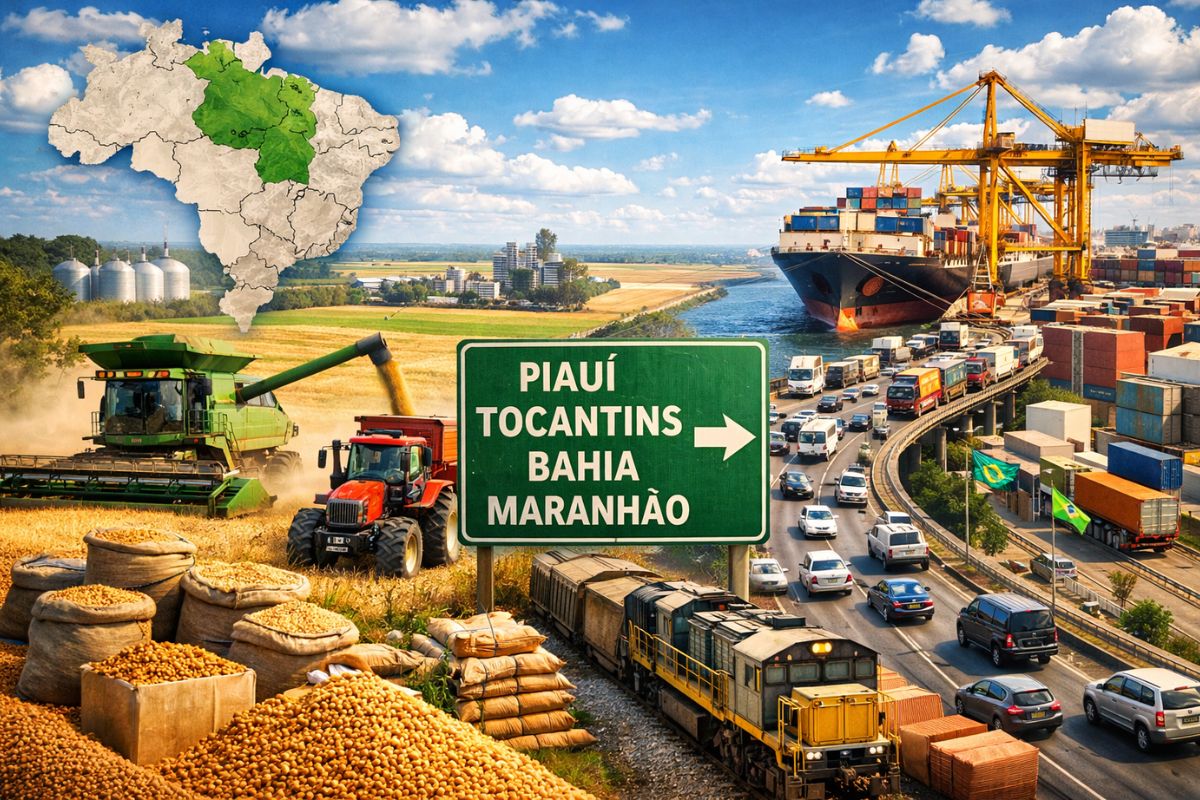
In the heart of MATOPIBA, the agro giant advances with huge farms, houses-sized machines, and precision agriculture, elevating the 2025-2026 harvest to 32–35 million tons. Production runs to the Northern Arc, with Itaqui and the North-South Railway shortening distances to Asia and Europe.
The agro giant that grew between Maranhão, Tocantins, Piauí, and Bahia does not attract attention like crisis headlines, but it touches on something essential: food, export, and infrastructure. In just a few decades, a region seen as distant and “difficult” has begun to produce on an industrial scale, with a real impact on the country’s economic map.
Behind the landscape of cerrado and cities that seemed too small to make national news, there is a continuous movement of productive expansion, the arrival of heavy technology, and the creation of logistical corridors that connect the interior directly to the ports of the North and Northeast.
Where is MATOPIBA and why did it become an agro giant

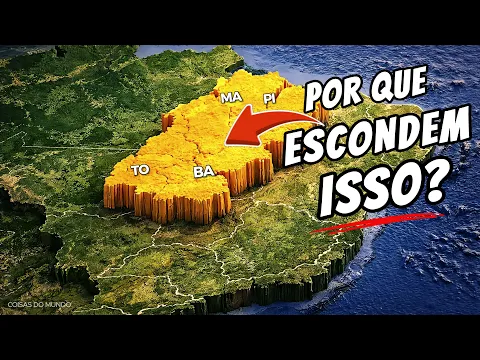
MATOPIBA is the combination of the initials of Maranhão, Tocantins, Piauí, and Bahia, forming a large territory in the interior of Brazil that has become synonymous with modern agricultural frontier. What once seemed “too far away” has become the very central point of a new stage in agribusiness.
-
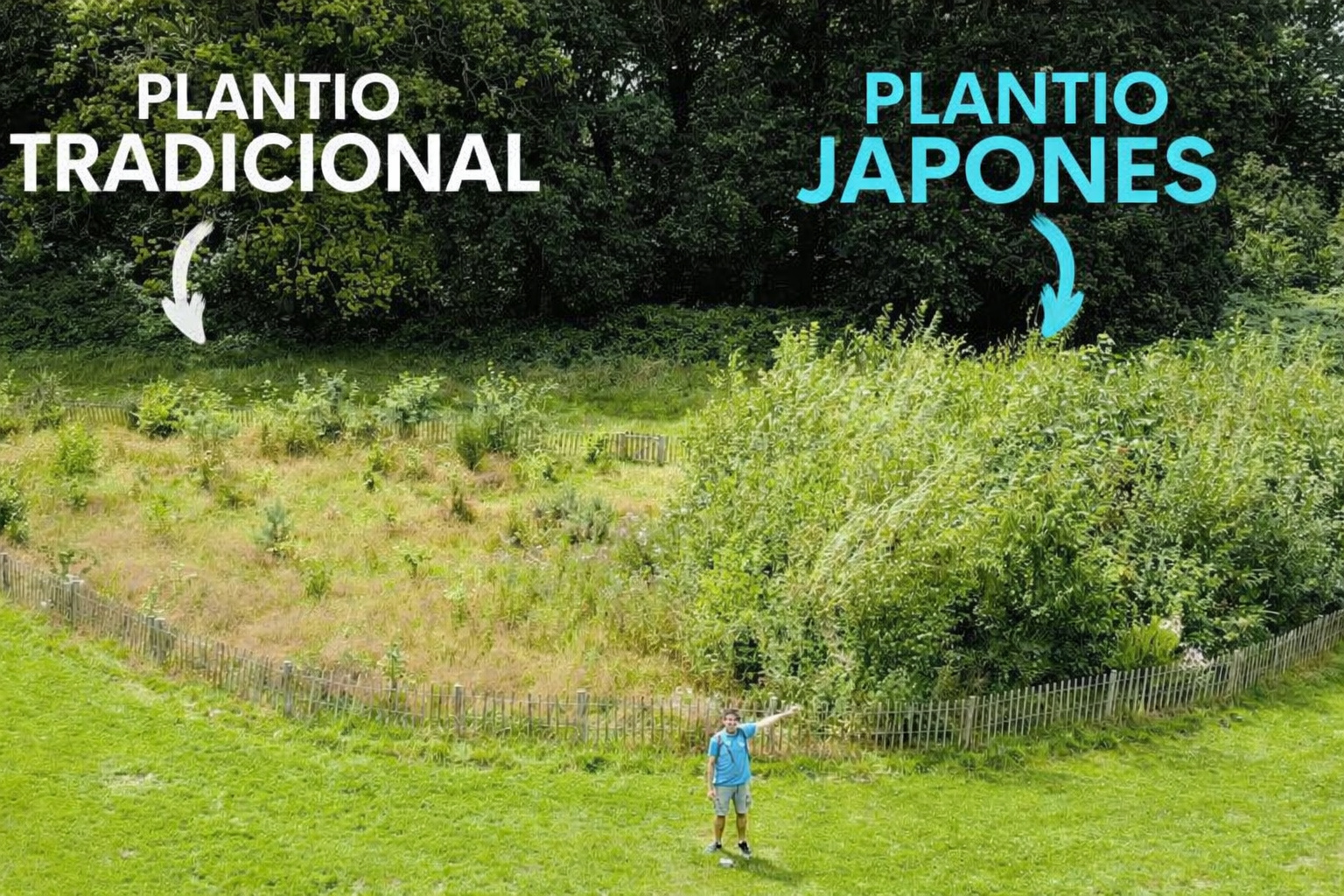
Engineer creates reforestation method that transforms small plots into dense forests in a few years using local biomass and can reduce environmental recovery costs.
-
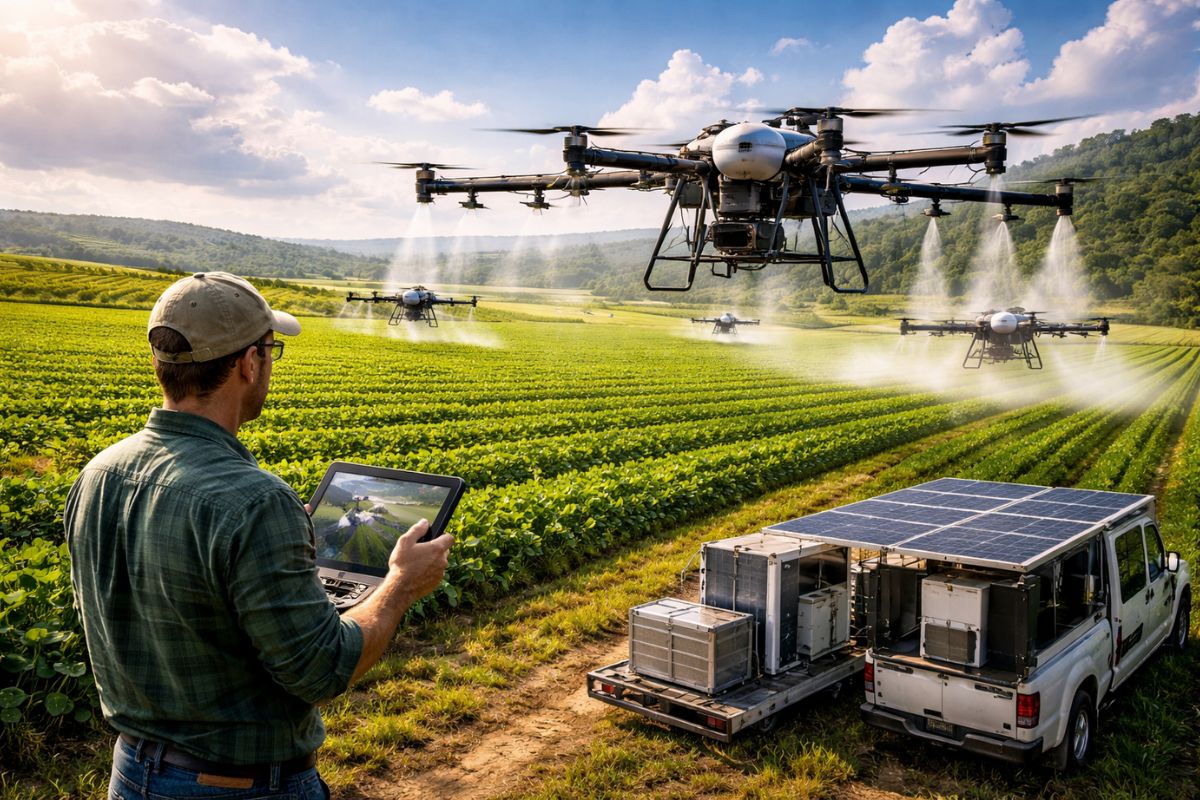
Alone, the producer applies 7,400 hectares with the T100 drone in an optimized structure, replaces the generator with a silent battery, and demonstrates how technology reduces costs, increases productivity, and even challenges the uniport in the field.
-
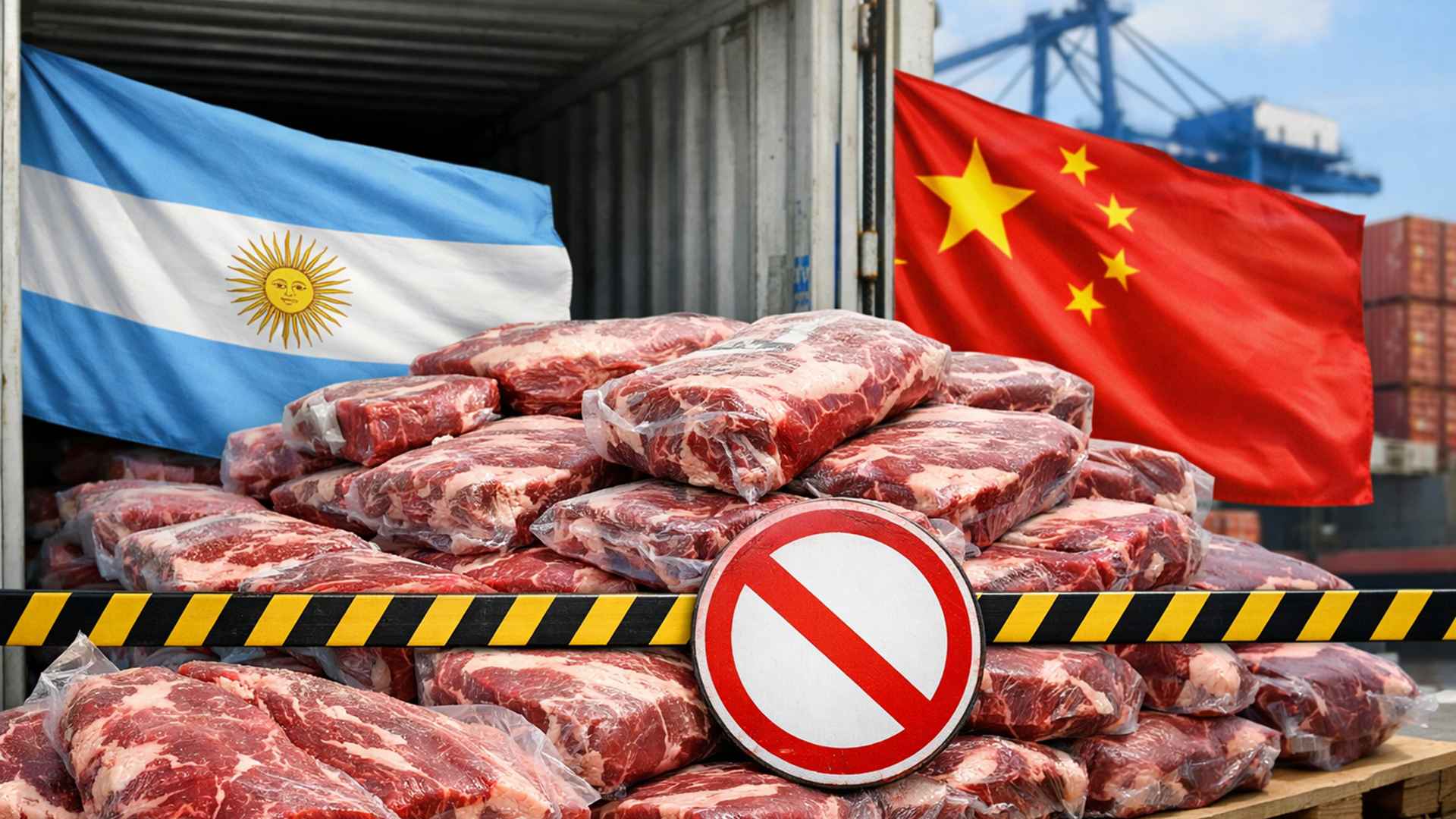
China banned the export of 22 tons of meat from Argentina.
-
JBS, founded by the Batista brothers, continues to conquer the world: entrepreneurs built a ‘factory in the desert’ creating 3,000 jobs.
The change did not happen overnight: it came with the combination of vast lands, favorable climate, and capacity for expansion. This combination attracted producers and companies, especially from already traditional agro regions, in search of larger and cheaper areas, opening up space for a race for productivity and scale that today helps explain the size of this agro giant.
The turnaround: from little-explored area to 32–35 million tons in the 2025-2026 harvest

The leap is striking when it turns into numbers. In the 2025-2026 harvest, MATOPIBA is already showing around 32 to 35 million tons of grains, primarily driven by soybeans, corn, and cotton. It is not just about volume: it is the transformation of the territory into a high-intensity agricultural machine.
In some consolidated regional estimates, this production represents something close to 14% to 19% of the national soybean production. This helps explain why the agro giant has ceased to be a regional curiosity and has begun to influence investment decisions, storage, machinery purchases, and export planning.
Cities that changed levels with the advancement of the agro giant

When production grows, the city changes along with it, and some become symbols of this turnaround. Luís Eduardo Magalhães, in western Bahia, is an example of how urbanization can accelerate when agro establishes itself strongly: the place went from a “village” scenario to becoming a hub associated with companies in the sector, services, dealerships, and a constant flow of cargo.
Balsas, in southern Maranhão, appears as another gateway to modern agribusiness, with investments in infrastructure and storage. The pattern repeats in different points of the quadrilateral: where the agro giant arrives, the demand for logistics, maintenance, silos, transportation, skilled labor, and an entire support ecosystem grows.
Northern Arc: the route that shortened the path from the interior to the world
Producing millions of tons is half the problem; getting it out of the country is the other half. This is where the Northern Arc comes in as a strategic piece for the agro giant, because it changes the historical logic of relying only on ports in the South and Southeast to export grains.
A landmark of this corridor is the Port of Itaqui, in São Luís (MA). In 2025, the Gran Itaqui grain terminal handled 13.5 million tons, with a large part associated with the flow coming from MATOPIBA. In practice, this reduces freight distances compared to routes like Santos or Paranaguá, increases competitiveness, and strengthens the connection with international markets, especially in Asia.
North-South Railway, trucks, and “export corridors” that sustain expansion
The Northern Arc does not depend on a single element: it functions as a system. Trucks travel hundreds of kilometers forming export corridors, while the railway infrastructure appears as a promise of efficiency for large volumes. In this scenario, the North-South Railway emerges as a backbone for cargo transport in central Brazil, connecting producing areas and helping to reduce costs.
For the agro giant, this means more than speed: it means predictability, scale, and less dependence on a single mode. When train and port enter the equation, competition shifts from “who produces more” to “who can deliver better.”
Giant farms and heavy technology: why productivity accelerates

The size of the properties is a detail that changes everything. In MATOPIBA, there are farms that exceed 10,000 hectares cultivated, functioning as true “agricultural cities” highly mechanized. This type of scale allows for harvest planning, standardization of processes, and investments that small properties would hardly be able to sustain.
Technology follows: precision agriculture, drones for monitoring, advanced irrigation systems, and huge machines are part of the daily life of the agro giant. It is not agriculture “of the past”: it is a model intensive in capital, data, and logistics, with clear goals for productivity and efficiency per area.
The science behind the transformation: the cerrado that “was not useful” became the base of the agro giant
For decades, many treated the cerrado as unsuitable soil for large-scale agriculture, whether due to acidity or distance from consumer centers. The turnaround came when Brazilian agricultural science changed the game with correction techniques, fertilization, and seeds adapted to the tropical climate, in research associated with Embrapa.
With this technical foundation, producers migrated to the region betting on a territory that seemed risky: limited infrastructure, poor roads, and high implementation costs. The results, however, consolidated the agro giant: crops thrived, productivity advanced rapidly, and cities began to reorganize around services and production chains linked to the field.
Growth, preservation, and the “invisible Brazil” that became strategic
Even with all the progress, MATOPIBA is still unknown to many Brazilians. While large urban centers dominate the headlines, a new economic giant grows silently, sustained by crops that stretch to the horizon and by logistics that connect the interior to the world.
At the same time, growth poses an inevitable challenge: balancing productive expansion with the preservation of the cerrado. The size of the agro giant increases responsibility, because management, occupation, and infrastructure decisions have a direct impact on the environment and on how Brazil will be seen as an agricultural power in the coming decades.
MATOPIBA became an agro giant through a rare combination: vast territory, heavy technology, applied science, and a logistical corridor that shortens the path to the ports of the Northern Arc. What once seemed “just the interior” now moves millions of tons, reorganizes cities, and repositions Brazil in global export routes, often without becoming a topic of the day.
Now I want to hear from you: had you heard of MATOPIBA with this level of detail before? In your view, what weighs more from now on: accelerating this growth even further or setting clear limits to protect the cerrado and why?








Seja o primeiro a reagir!