





 Portuguese
  English
  Spanish
  5 min of reading
  0 comments


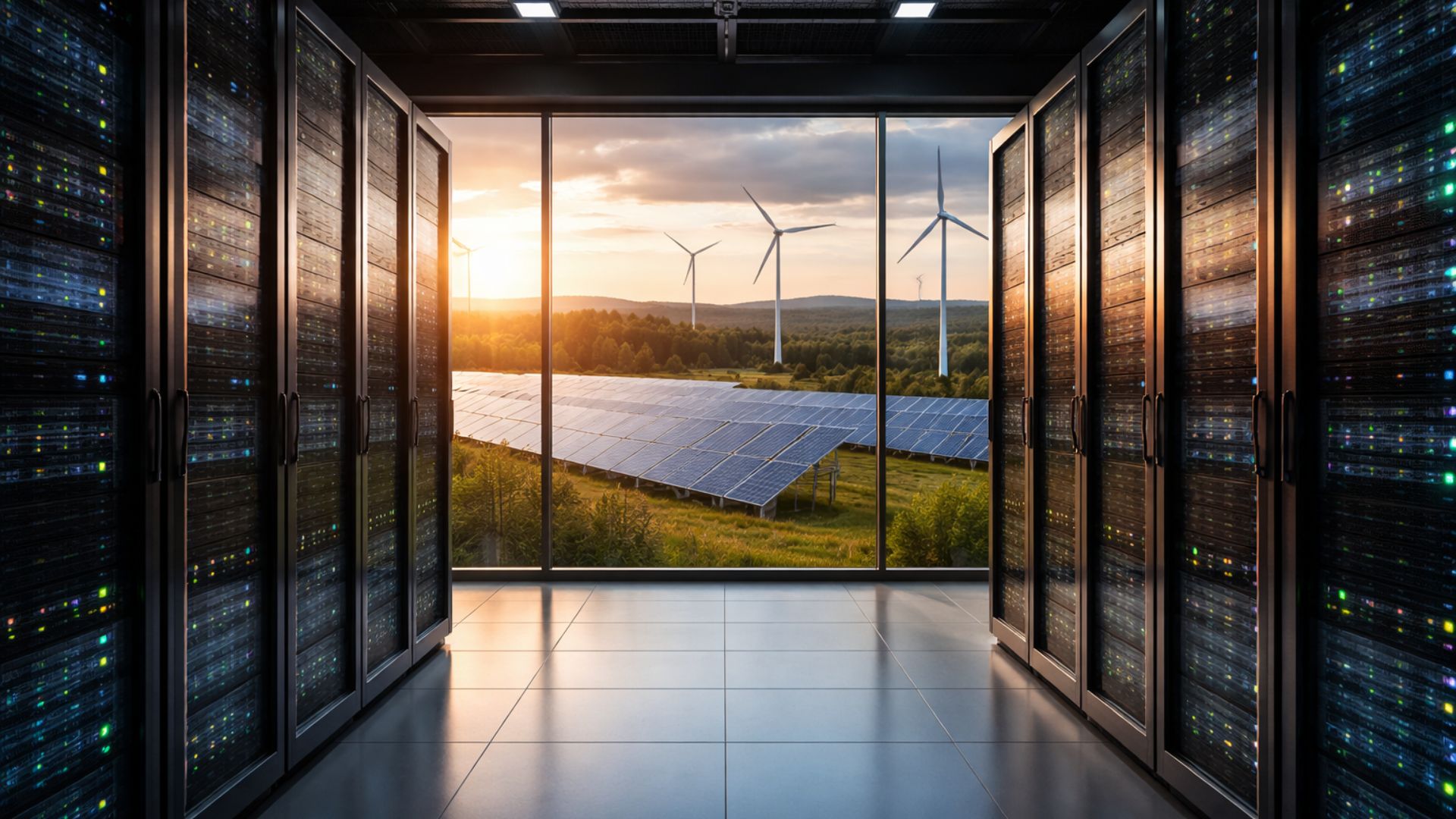
Alphabet Expands Its Energy Strategy by Acquiring Intersect, Ensuring Renewable Energy to Support AI Data Centers, Reduce Emissions, and Tackle Challenges of the New Digital Economy
On December 22, 2025, Alphabet, the parent company of Google, announced the acquisition of clean energy developer Intersect for US$ 4.75 billion in cash, also taking on its debts. The deal comes at a pivotal moment for the technology sector, marked by the rapid expansion of artificial intelligence and increasing pressure on global electrical infrastructure.
According to a report published by G1, the acquisition positions Alphabet as one of the most committed companies in integrating renewable energy and AI data centers, amid a scenario where large companies compete for access to clean, reliable, large-scale electricity. The move strengthens Google’s corporate strategy to ensure sustainable energy supply to support its technological growth and reduce emissions.
Alphabet Bets on Renewable Energy to Sustain AI Data Centers
Alphabet bets on renewable energy as a strategic pillar to enable the expansion of its AI data centers, which require increasing volumes of electricity. The acquisition of Intersect is not just a financial acquisition, but a structural decision aimed at long-term energy security.
-
Renewable energy advances over protected areas in Brazil, and a survey by the Energy Transition Observatory reveals silent impacts that challenge environmental conservation and pressure sensitive traditional territories.

-
Rio Grande do Sul accelerates energy transition: State invests in renewable technologies and consolidates decarbonization strategies and pathways to attract billions in new industrial investments.

-
With 160,000 m² of collectors, an area larger than 20 football fields, Silkeborg, in Denmark, hosts a solar thermal plant that heats 19,500 homes and could become the largest solar heating plant in the world.

-
A study reveals the expansion of renewable energy procurement in Brazil and shows how companies are taking advantage of opportunities to reduce expenses, ensure energy efficiency, and strengthen strategic environmental commitments.


In recent years, demand for computational capacity has skyrocketed with the advancement of generative artificial intelligence. As a result, technology companies have faced limits imposed by traditional electrical infrastructure, especially in the United States. Ensuring clean energy has shifted from being a differentiator to becoming an operational necessity.
By internalizing generation projects, Google’s parent company reduces its dependence on public grids, mitigates regulatory risks, and gains cost predictability.
Details of Alphabet’s Acquisition of Intersect
Intersect has approximately US$ 15 billion in assets, considering energy projects already in operation and ventures under construction or in development. According to information released by Alphabet, the expectation is that by 2028, the company’s projects will reach approximately 10.8 gigawatts of installed or developing capacity.
This volume is equivalent to more than 20 times the generation capacity of the Hoover Dam, a historic reference in the North American energy sector. This data highlights the scale of the operation and its potential impact on the energy market.
Under the agreement, Alphabet will take on energy and AI data center projects from Intersect that are under development or construction. However, assets already in operation in Texas and projects operating or developing in California will remain outside the acquisition and will continue as an independent company.
AI Data Centers Increase Pressure on Electrical Infrastructure
The rapid growth of AI data centers is among the main factors behind Alphabet’s decision. These centers consume large amounts of energy continually, which puts pressure on power grids that are already operating near their limits.
Industry studies indicate that electricity demand from data centers could double in the coming years, driven primarily by artificial intelligence applications. At the same time, the expansion of electrical grids faces regulatory, environmental, and investment hurdles.
In this scenario, the direct integration between renewable energy generation and technological consumption emerges as a strategic solution, reducing bottlenecks and risks of interruptions.

Renewable Energy at the Heart of Alphabet’s Strategy
The acquisition of Intersect reinforces a strategy that Alphabet has been developing for years. The company is one of the largest corporate buyers of renewable energy in the world and maintains ambitious decarbonization goals.
In early December 2025, the utility company NextEra Energy announced an expansion of its partnership with Google Cloud, focused on developing new energy sources to power operations in the United States.
Additionally, Google, in partnership with TPG Rise Climate, participated in a funding round of over US$ 800 million in Intersect itself in the preceding December. The history of the relationship reduced risks and facilitated strategic integration.
Industrial Parks and Proximity Between Energy and AI Data Centers
One of the most relevant points of the announcement was the plan to create integrated industrial parks, designed to host gigawatts of capacity for AI data centers close to new clean energy plants.
The proximity between generation and consumption reduces transmission losses, improves efficiency, and decreases dependence on traditional grids. This model also facilitates licensing and accelerates the commissioning of new projects.
In Texas, an emblematic example is the Quantum project, a clean energy storage system under construction next to a Google data center complex. Solutions like these allow for the storage of renewable energy and its use during peak computational demand.
Intersect Maintains Autonomy and Invests in New Technologies
Despite the acquisition, Intersect will continue to operate independently from Alphabet. Assets already in operation in Texas and projects operating or in development in California will remain outside the scope of the purchase, with support from existing investors.
According to Alphabet, Intersect intends to adopt new technologies to expand and diversify energy supply, while supporting Google’s investments in AI data centers in the United States.
The maintenance of operational autonomy preserves the agility of the developer, while ensuring strategic alignment with one of the largest technology companies in the world.
Environmental Impacts and Emission Reduction with Renewable Energy
From an environmental perspective, the acquisition reinforces commitments already made by Alphabet to reduce emissions. The company seeks to operate continuously with clean energy, aligning technological growth with sustainability.
By directly investing in renewable energy, Alphabet decreases dependence on fossil sources and reduces the environmental impact associated with the expansion of artificial intelligence.
Experts point out that the climate challenge of AI can only be addressed with structural investments in clean generation, integrated with technological operations.
A New Paradigm for Technology, Energy, and Artificial Intelligence
The acquisition of Intersect by Alphabet symbolizes a structural shift in how technology companies approach energy. This is not just about sustaining AI data centers but about redesigning the global energy infrastructure for a new digital era.
By investing billions in renewable energy, Alphabet anticipates future challenges, strengthens its competitive position, and sends a clear signal to the market: the growth of artificial intelligence increasingly depends on sustainable, scalable, and integrated energy solutions.
This move consolidates energy as a strategic asset of the digital economy and reinforces that the future of technology inevitably involves profound transformation of the global energy matrix.








Seja o primeiro a reagir!