





 English
  Francês
  Alemão
  Italiano
  Japonês
  Norueguês
  Portuguese
  Spanish
 6 min of reading
  1 comment


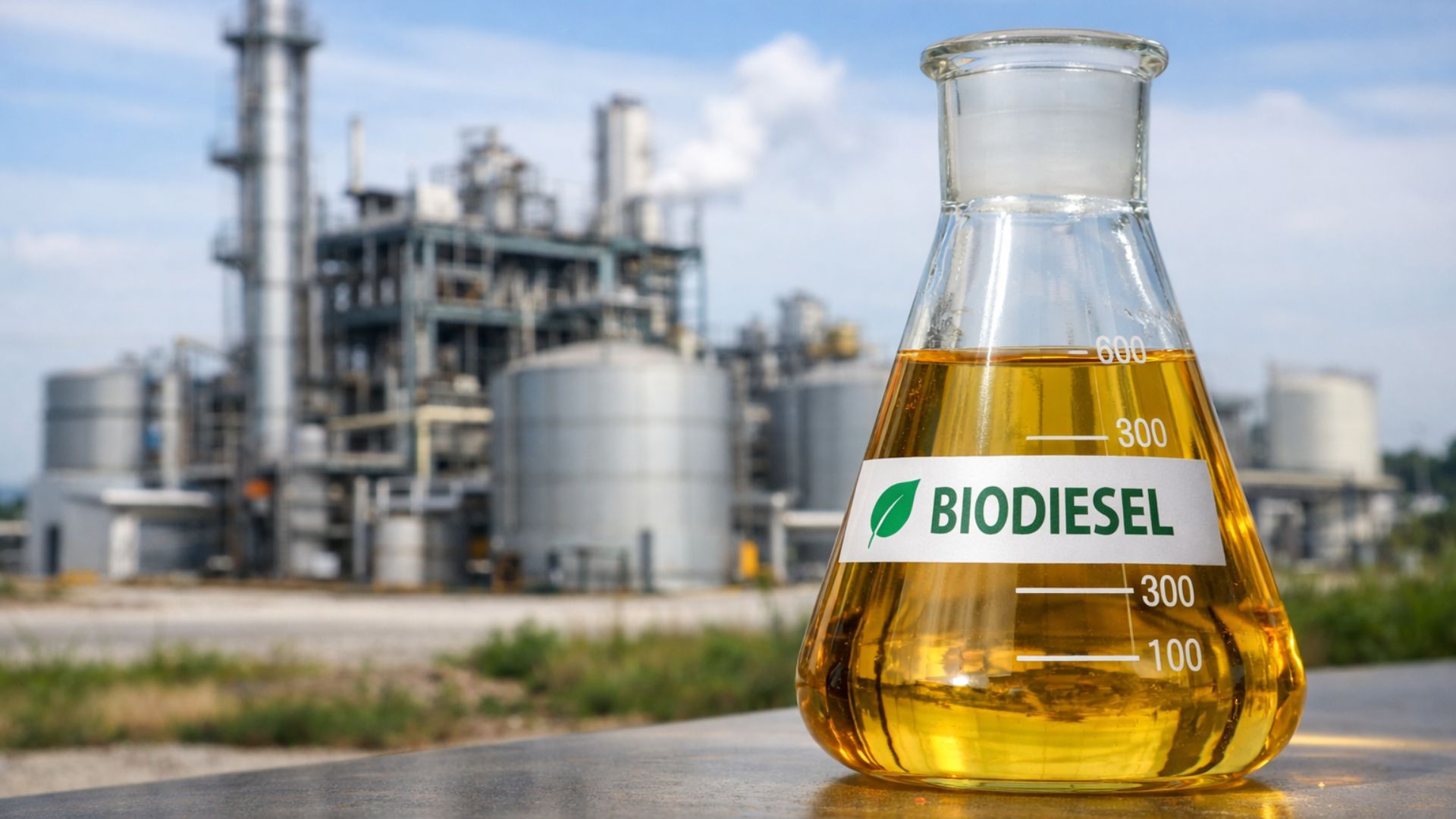

Diesel Price Hike Accelerates Investments in Renewable Energy in Agriculture. Rio Grande do Sul Authorizes New Biodiesel Plant by Soli3, Billion-Dollar Project That Could Strengthen Biofuel Production, Generate Jobs, and Expand Agricultural Industrialization in the State.
The rise in diesel prices in the international market has once again pressured the costs of Brazilian agribusiness and escalated discussions on the need to strengthen renewable energy sources. In response to this situation, the government of Rio Grande do Sul issued the preliminary license for the installation of a biodiesel plant by Soli3 União Central Cooperativa in the municipality of Cruz Alta, with an estimated investment of R$ 1.25 billion.
The announcement was made during the Expodireto Cotrijal and represents a significant advancement for the biofuels sector in the country. The project emerges at a time of volatility in the global energy market, marked by geopolitical tensions that directly impact diesel prices and logistical costs in the field.
According to a report published by CNN on March 11, the new biodiesel plant reinforces Rio Grande do Sul’s strategy to enhance agribusiness industrialization and add value to agricultural production. At the same time, the investment led by Soli3 aims to strengthen energy security and reduce dependence on fossil fuels used in agricultural machinery, transportation, and logistics.
-
Brazil accelerates decarbonization in the South: International forum in Foz do Iguaçu gathers leaders to discuss the advancement of biomethane in the energy matrix and the potential of “caipira pre-salt.”
-
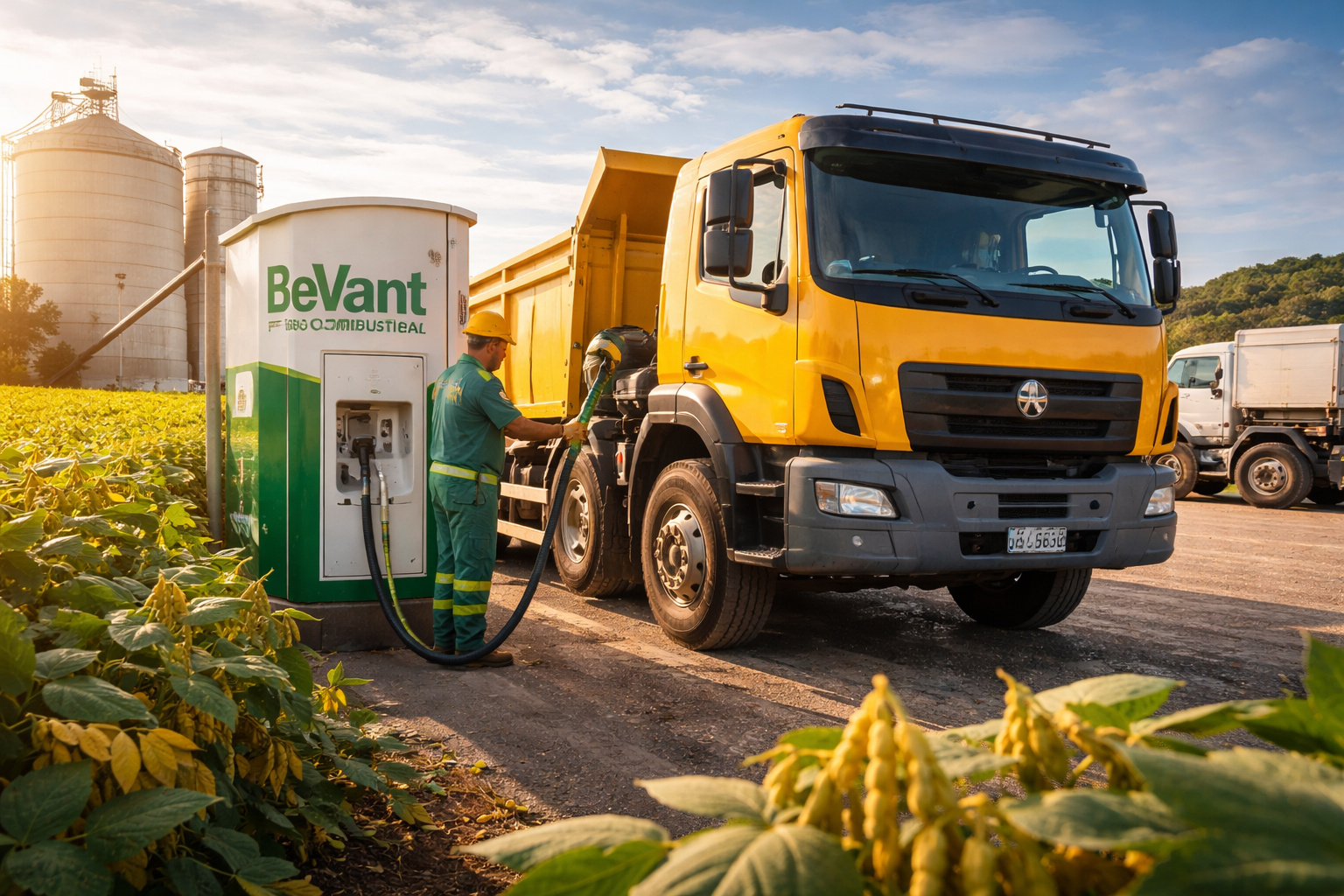
As diesel prices soar due to conflicts in the Middle East, a Brazilian city decides to test a little-known biofuel that promises to completely replace fossil fuel without adaptation and could change the future of energy in the country.
-
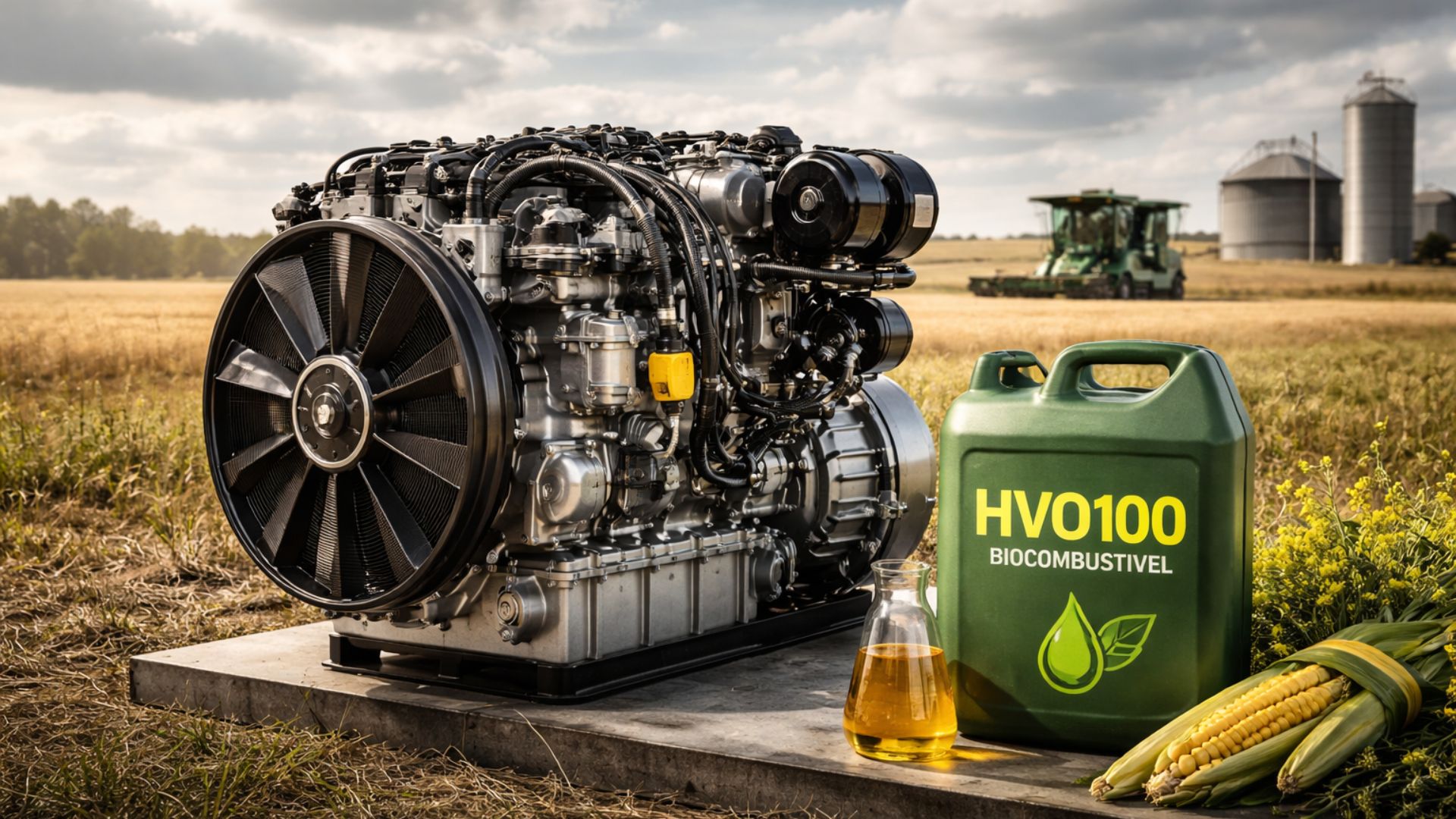
Innovation with biofuel engines transforms agribusiness by replacing diesel without the need for major adaptations, ensuring energy efficiency and helping to reduce dependence on oil.
-
Used Cooking Oil Transforms Into Kerosene: How 1 Million Tons of Used Fat Are at the Center of an Aviation Fuel Market That Could Attract Over $1 Trillion in Investments, Already Fuels Planes with Up to 80% Lower Emissions, and Triggered a Global Competition for This Waste


Diesel Price Rise Reignites Debate on Energy Security in Brazilian Agribusiness
In recent years, diesel has established itself as one of the main energy inputs in agribusiness. Tractors, harvesters, trucks, and various agricultural equipment directly depend on this fuel to operate, making the sector particularly sensitive to price fluctuations.
Recent geopolitical tensions in the Middle East have once again pressured the international oil market, raising concerns among rural producers about operational costs. When diesel prices increase, the impact is immediate across the production chain, affecting everything from land preparation to the transportation of grains to ports and consumer centers.
In light of this scenario, the discussion about the role of biofuels in Brazil’s energy matrix is growing. Biodiesel appears as a strategic alternative, as it can replace part of the fossil-origin diesel while also stimulating national agricultural production. Industrial projects focused on biodiesel production gain even more relevance in this context of seeking energy stability and competitiveness in the field.
Rio Grande do Sul Bets on Soli3 Biodiesel Plant to Expand Field Industrialization
The authorization for the new biodiesel plant represents an important step for the economy of Rio Grande do Sul. The facility will be installed in Cruz Alta and will cover a total area of 1.1 million square meters, with over 75 thousand square meters of constructed area.
According to the proposed project, the facility is expected to begin operations in 2028 and will have the capacity to significantly enhance the biofuel chain in the state. It is projected to generate approximately 250 direct jobs, in addition to moving an estimated annual revenue of R$ 2.2 billion.
The initiative reinforces the movement towards the verticalization of agribusiness in Rio Grande do Sul, where cooperatives and producers are starting to invest in industrial stages of the production chain. By converting grains into biofuel within the state, the regional economy gains dynamism and expands its growth opportunities. Furthermore, the new biodiesel plant helps establish the state as one of Brazil’s main hubs for renewable energy linked to agribusiness.


Soli3 and the Protagonism of Gaucho Agricultural Cooperatives
The Soli3 was born from the union of three important agricultural cooperatives in the state: Cotrijal, Cotripal, and Cotrisal. Together, they have a strong presence in grain production in Rio Grande do Sul, especially soy, a key raw material for biodiesel production.
Historically, these cooperatives have distinguished themselves in the origination, storage, and marketing of agricultural products. With the creation of Soli3, the aim now includes the industrialization of rural production, adding value to the grains produced by the cooperatives themselves.
The implementation of the biodiesel plant represents precisely this strategic advancement. Instead of solely relying on commodity sales, cooperatives will now engage in an industrial stage with higher added value, strengthening cooperativism and increasing income generation in the field. This model also contributes to strengthening regional energy autonomy, reducing dependence on diesel imported or produced from oil.
Biodiesel Gains Relevance Amid Diesel Pressure in Transportation and Production
Biodiesel plays an increasingly important role in Brazil’s energy matrix. Since the establishment of the National Biodiesel Production and Use Program in 2005, the country has gradually increased the mandatory blending of biodiesel into diesel sold at filling stations.
This public policy aims to reduce greenhouse gas emissions, stimulate agricultural production, and diversify the energy sources used in transportation and industry. Currently, biodiesel produced in the country is mainly derived from soy, a crop widely grown in Rio Grande do Sul and other agricultural regions.
With the construction of the new biodiesel plant, Soli3 will more actively integrate this energy chain. The initiative increases national production capacity and strengthens agribusiness’s role as a supplier of raw materials for renewable fuels.
In times of instability in the international oil market, investments in biodiesel help reduce the country’s exposure to fluctuations in diesel, contributing to greater predictability in production sector costs.
Expodireto Cotrijal as a Showcase for Strategic Investments in Agriculture
The announcement of the new biodiesel plant took place during the Expodireto Cotrijal, an event that brings together rural producers, cooperatives, companies, and political authorities to discuss innovation and development in agribusiness.
Held annually in Não-Me-Toque, in Rio Grande do Sul, the fair is considered one of the main platforms for business and discussions about the future of the Brazilian agricultural sector. The presence of political and business leaders makes the event an important space for investment announcements and strategic partnerships.
During the event, Governor Eduardo Leite emphasized that the project strengthens the biofuels chain and enhances the state’s ability to attract new investments.
According to him, initiatives like the new biodiesel plant help consolidate Rio Grande do Sul as a reference in renewable energy production linked to agribusiness.
Billion-Dollar Investment by Soli3 Reinforces Rio Grande do Sul’s Position in Agribusiness Energy Transition
The investment of R$ 1.25 billion projected for the implementation of Soli3’s biodiesel plant demonstrates the growth potential of the biofuels chain in Brazil. By investing in the industrialization of agricultural production, the project creates new opportunities for rural producers, cooperatives, and companies linked to agribusiness.
The unit planned for Cruz Alta will have large-scale infrastructure, covering a total area of 1.1 million square meters and over 75 thousand square meters of industrial facilities. The expected annual revenue of R$ 2.2 billion indicates the economic relevance of the venture for the state.
In addition to generating approximately 250 direct jobs, the new biodiesel plant is likely to boost various sectors of the regional economy, including logistics, transportation, and services.
At the same time, the project reinforces Rio Grande do Sul’s role as a protagonist in the energy transition of Brazilian agribusiness. In a scenario of high diesel costs and increasing demand for sustainable solutions, initiatives like this point to a future where renewable energy and agricultural production increasingly go hand in hand.








Indonésia país com população maior que o Brasil já injeta 50% de óleo de palma no seu diesel e no Brasil apenas 15% e tropeçando neste avanço e lá usam aditivos mas 1 ou 2% adicionados no brasileiro quantas vantagens seria obtidas? anotando que boa parte da industrialização foi transferida para o exterior fazendo um baque na economia ou industria…