





 English
  Francês
  Alemão
  Italiano
  Japonês
  Norueguês
  Portuguese
  Spanish
  4 min of reading


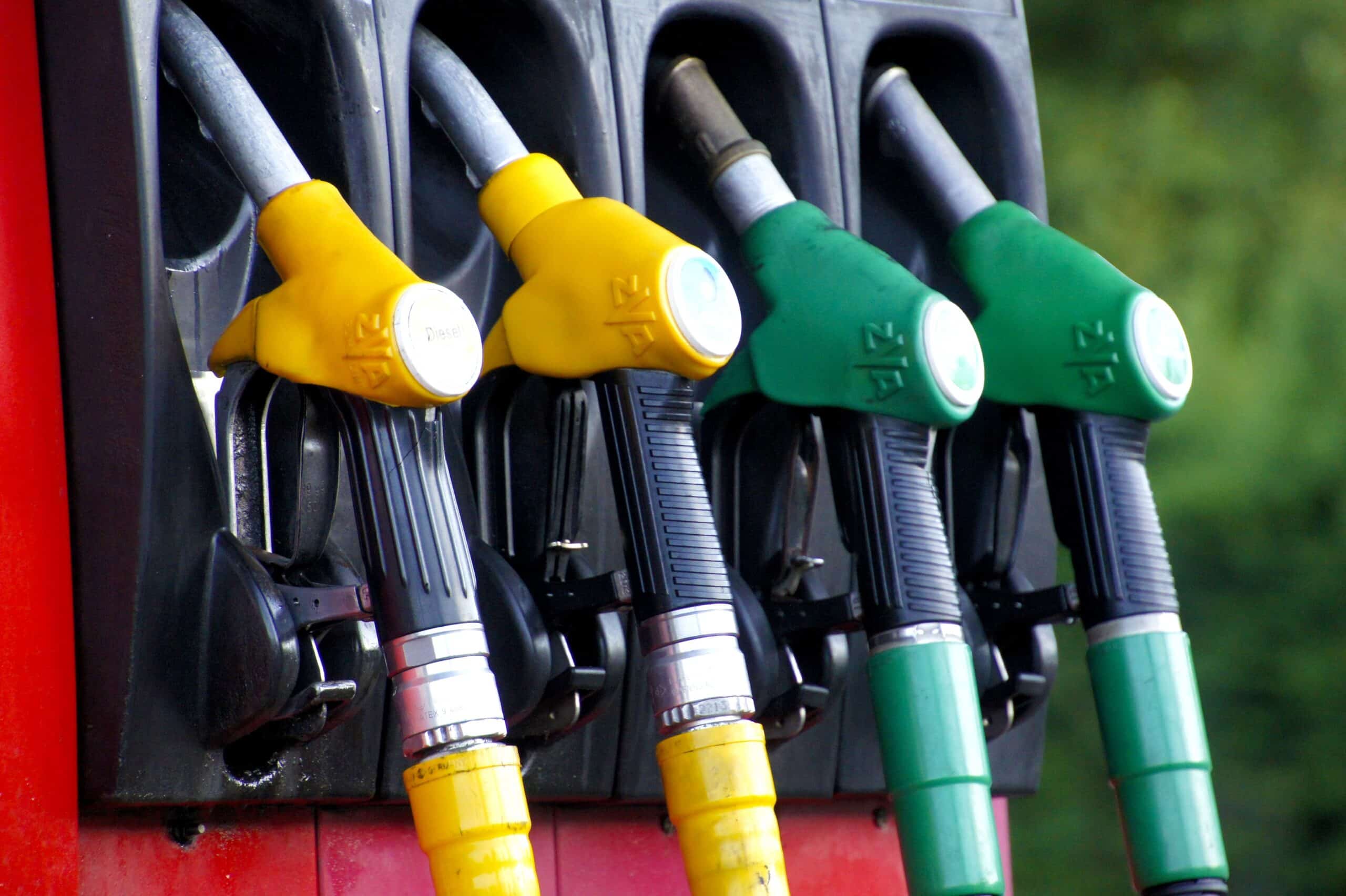
Fuel And Rubber Price Increases Hit Consumers Hard, And Carriers Do Everything To Counter Rising Freight Costs; Management Solutions Can Ensure 25% Savings, Very Welcome At This Time
The Brazilian can no longer bear to hear about increases in fuel prices. According to data from IBGE (Brazilian Institute of Geography and Statistics) released in June 2021, gasoline had an increase of 2.31% in May, vehicular gas 23.75%, ethanol 12.92%, and diesel oil (4.61%). As a result, transportation suffers, and the impact is directly felt in consumers’ pockets.
Also Read
- Search for Diesel, Gasoline, and Ethanol Increases Even With Fuel Prices Soaring in Brazil
- Chinese Vehicle Manufacturer Making Luxury SUVs, A Brazen Copy of Volkswagen’s Beetle and Kombi and Other Automakers, Buys Mercedes Factory in SP and Heavily Invests in Brazilian Market
- Wärtsilä, The Multinational Supplier of Naval Equipment for Vessels and Offshore Installations, Will Launch An Internal Combustion Engine Using Pure Hydrogen As Fuel
- Hydrated And Anhydrous Ethanol: From The Mill To The Pump, See The Difference Between The Fuels Used For Refueling, But In Different Ways
- Demand For Ethanol Will Plummet With The Accelerated Arrival Of Electric Cars In The Country, And Brazil Will Flood The Global Sugar Market
For July, Petrobras has already announced a new increase for gasoline of 6.3% (R$ 0.16 at refineries), causing the liter of fuel to rise from R$ 2.53 to R$ 2.69 at the state-owned refineries. Diesel will have an average adjustment of 3.7% (R$ 0.10) per liter and will cost R$ 2.81 at Petrobras’ refineries. This does not account for the additional costs from taxes and fees until the fuel reaches the gas stations at abusive and impractical prices.
The price increase directly affects the average citizen when refueling their vehicles, but also indirectly through the price of goods on the shelves, which rise due to freight costs. It is estimated that, on average, around 50% of the expenses incurred by a carrier’s fleet are related to fuel.
-
Petrobras announces new oil discovery in the pre-salt of the Campos Basin and reinforces Brazil’s prominence with high-quality reserves that can increase production and energy revenues.

-
Alert in the fuel market: Analysts and a former director of ANP warn that oil prices may worsen in the coming months due to global instability.

-
Ocyan brings executives and digital solutions to Macaé Energy 2026 and highlights offshore expansion with Nexio and a new base in Macaé.

-
Petrobras advances 4.6% with rising oil prices and the dollar, reigniting the debate on macro risks, pricing policy, and fiscal impact in Brazil.


Fuels Are Subject To Consecutive Increases, Raising Alarm Bells Among Carriers
As this scenario seems to have no end, it is necessary to appeal for solutions that can minimize expenses. Knowing where and when to spend has never been more important than now.
Seeking to maintain good pricing practices and ensure operational continuity, carriers and logistics companies turn to technology and management systems to minimize costs and reduce waste with their fleets. As in any business sector, effective resource management is the key element to keeping finances in order.
A sure bet is investing in management tools that allow, through BI (Business Intelligence) technology, to manage the fleet and automatically optimize the handling of supplies such as fuel, thus facilitating cost savings.
Paulo Raymundi, CEO of Gestran, a Paraná-based company with over 20 years in the market developing fleet management tools, says that investing in management technology can yield very interesting returns in the short term.
Platform Called Fleet Management Promises To Reduce Fuel, Tire, Maintenance, And Expense Costs By Up To 25%
“With our platform called Fleet Management, we are able to deliver an average savings of 20 to 25% for the entire fleet, as our system has technology that evaluates and cross-references a series of data and offers our clients the best options,” says Paulo Raymundi.
Developed in a fully online web environment, Gestran’s Fleet Management SaaS platform was created based on the processes and needs of carriers and fleet managers, removing unnecessary bureaucracy, simplifying, and automating fleet management processes, including: fuel, tires, maintenance, and expenses.
“The technology allows for the automation and acceleration of daily operational processes, helping to reduce costs and increase company profitability,” emphasizes Raymundi.
Negotiating at Stations Guarantees Lower Prices: Application Issues Alerts of Low-Price Stations to Drivers
Additionally, Fleet Management also allows for the search for better prices in the region, sending alerts of services that can assist in negotiations with fuel stations based on price visibility in the system.
“It’s possible to simulate on the Gestran website using our impact calculator, which instantly shows how much savings can be achieved,” reinforces the CEO of Gestran.
Furthermore, the platform is unique, online, integrated, with automatic NF-e retrieval from Sefaz, enabling the automation of manual processes, management of fuel inventory, real-time monitoring, integration with internal pumps, and reduction of costs and errors with entries and control of discounts on refueling.
Not Only Fuels Gasoline, Diesel, And Ethanol, But Other Items, Such As Tires, Have Also Seen Price Increases
If the increase in prices of gasoline, diesel, ethanol, and CNG wasn’t enough, other items, such as tires, have also been experiencing price increases, especially due to the rising cost of rubber in the international market and the dollar’s appreciation.
Tire manufacturers like Pirelli, Continental, and Michelin have sent carriers a notice of an average price increase of 5% for July-August 2021 in tire prices.
However, similar to the specific module for fuel management, Fleet Management also has a module for tire control, with the same savings premise for small, medium, and large fleets.
For more information, visit the Gestran website at this link










Seja o primeiro a reagir!