





 English
  Francês
  Alemão
  Italiano
  Japonês
  Norueguês
  Portuguese
  Spanish
  3 min of reading


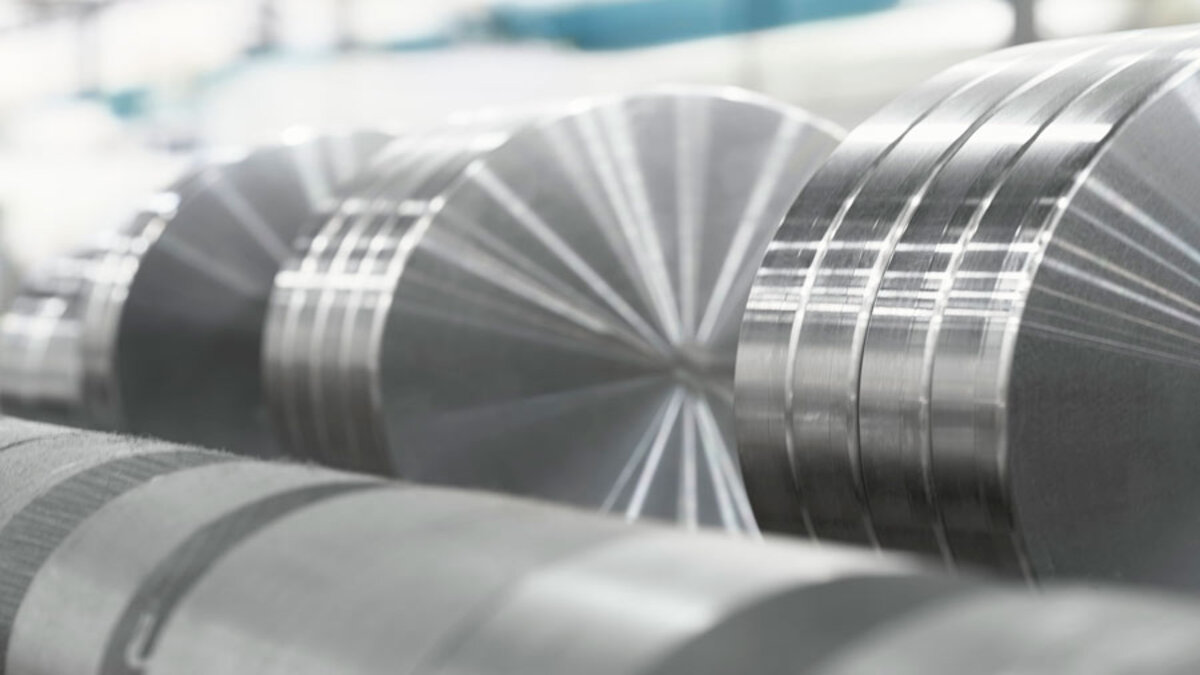
The Event Held Last Week to Discuss the Future of the Industrial Market, the ABM Week, Featured a Panel That Discussed the Importance of Using Aluminum as a Way to Bring More Sustainability to Civil Construction and the Automotive Industry.
The Brazilian industrial sector continues to seek even more sustainability after the ABM Week, held on June 9, in the state of São Paulo. The event discussed more sustainable practices in the segment and how aluminum can contribute to this journey in the sectors of civil construction and the automotive industry, bringing more efficiency in production and less environmental impact in the long term.
ABM Week Panel Discusses Relevance of Aluminum in the Pursuit of More Sustainability in Civil Construction and the Automotive Industry in the National Market
The panel Aluminum and Sustainability as Drivers of the Market Was One of the Main Highlights of the ABM Week, Held Last Week in the State of São Paulo to Discuss Various Topics in the Brazilian Industrial Sector.
Thus, several specialists in the segment highlighted how aluminum can be important in the pursuit of more sustainability in civil construction and the automotive industry with the correct use of the raw material in industrial productions.
-
Engineers propose a fourth traffic light for intersections – the change promises to affect crossings, queues, and waiting times.

-
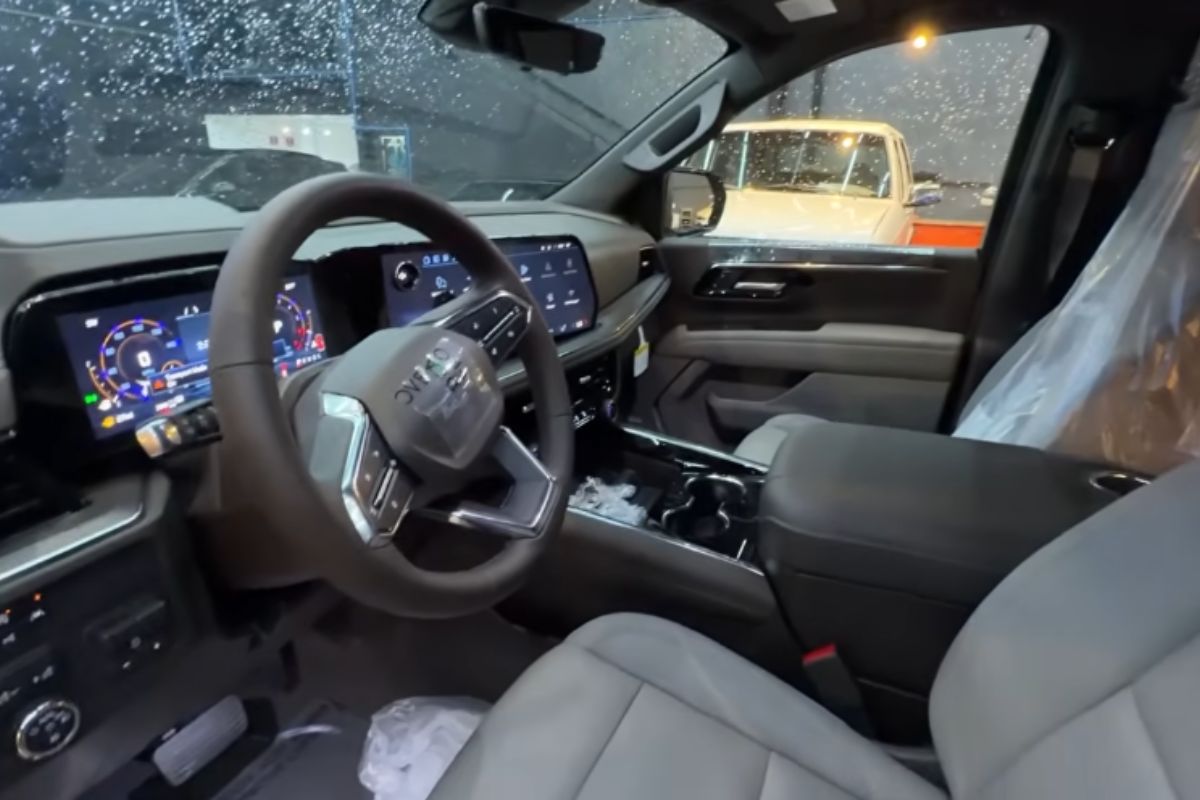
Chevrolet Suburban Z71 lands in Brazil with a V8 engine, off-road design, air suspension, seven seats, and colossal size, a rare version imported for around R$ 1.3 million with luxury and exclusivity.
-
The Chevrolet Onix 1.0 turbo achieves 17.7 km per liter on the highway and ranks among the three most economical cars in Brazil in 2026, alongside two more expensive Toyota hybrids available at dealerships.

-
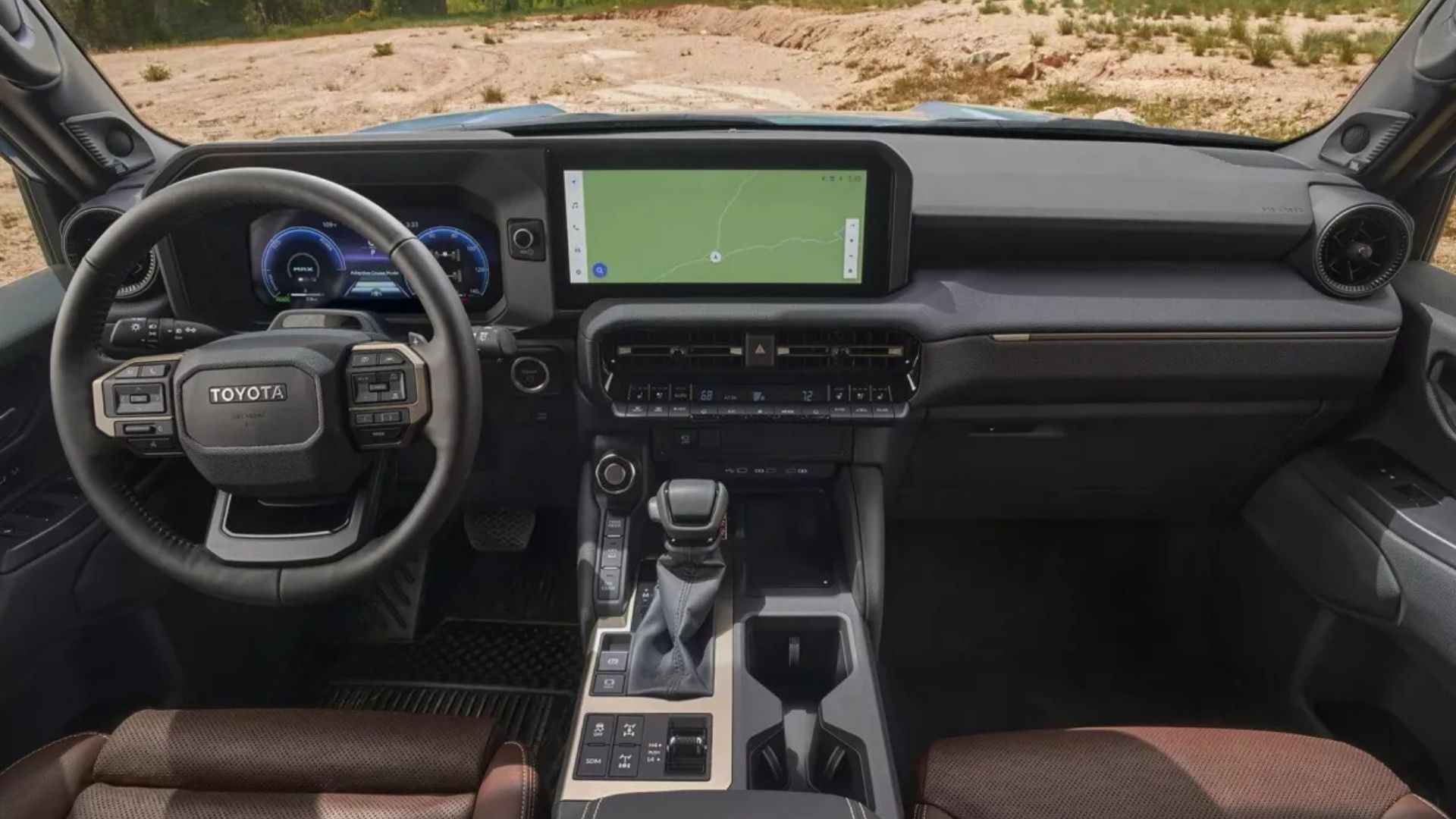
Little sister of the Hilux: Toyota launches Land Cruiser FJ with 4 radical versions, 2.7 engine with 166 hp and 4×4 traction with locking.

Among them was Magda Reis, a consultant for Abal (Brazilian Aluminum Association), who moderated the panel on civil construction and commented on the main influences of the raw material in the segment.
In addition, the presentations began with a talk from the project and certification manager of GBC (Green Building Council Brazil), Maíra Macedo, who highlighted the role of aluminum in enhancing energy efficiency. Maíra emphasized that aluminum not only provides more sustainability to facades but also better sealing, as well as reducing thermal transmittance in constructions.
The civil construction specialist Paulo Gentile, product development coordinator at Hydro, was also present and commented on the structures that utilize aluminum in buildings, such as windows and doors, stressing: “I just visited Argentina in early May, and the orders for this material will only arrive in March; there is a lot of demand for this solution.” Finally, the civil construction and sustainability panel featured Lucínio Abrantes and Lúcio Abrantes, who brought their manufacturing experience with cases from Luxalum and the main uses of the raw material in their projects.
Use of Aluminum as a Way to Bring More Sustainability to the Automotive Industry Was Also a Highlight During the ABM Week Meeting
In addition to the presentations about civil construction and the use of aluminum in the segment, there was also a discussion about sustainability in the automotive industry with the use of the resource.
The panel was moderated by materials engineer at IPT, Ana Paola Villalva Braga, and the first speaker was Carolina Hattori, market and innovation development consultant at CBA. She discussed the use of aluminum in various automotive structures, such as pedestrian protection, luggage compartments, and tunnel braces.
Specialist Oliver Toríbio, a metallurgical engineer at Novelis, took advantage of the ABM Week to emphasize the importance of more investments in using the resource in the national automotive industry and noted that while the average aluminum per car in Brazil is 60 kg, in the USA it is 180 kg.
Therefore, he further stated that the energy efficiency and sustainability that cars in the USA possess over those in Brazil are significantly influenced by the use of the metal.
Finally, Guilherme Fernandes, engineering manager at Stellantis, commented on the future of aluminum use in the Brazilian automotive industry and highlighted that the major bet is the expansion of aluminum application in other parts of the car, such as the body.







Seja o primeiro a reagir!