





 Portuguese
  English
  Spanish
 4 min of reading
  18 comments





Oil Exploration in the Equatorial Margin Could Transform Amapá, but the State Will Need to Share Royalties with Brazil, Sparking Debates on Development and Redistribution.
Amapá is nearing an unprecedented transformation. With the possible release of the Equatorial Margin for oil exploration, the state takes on a prominent economic role, especially in the city of Oiapoque, which could become a logistical hub for oil operations. In this scenario, an important question arises: will Amapá be able to keep most of the oil royalties or will it need to share them with the rest of Brazil?
How Does Royalty Distribution Work in Brazil Today?
Brazilian legislation on oil royalties directs a portion of the resources to states and municipalities where the exploration occurs. Additionally, another part goes to non-producing regions, promoting a more balanced development among different areas of the country. Since 2012, with Law 12.734, Brazil redistributes part of the royalties through a fund, allowing all states and municipalities, including those that do not produce oil, to access these resources. Here’s how this distribution stands today:
- 15% for municipalities;
- 25% for states;
- 60% for a fund that redistributes among all states and municipalities.
With these rules, Amapá, upon starting operations in the Equatorial Margin, will have to share a portion of its royalties with other regions. Thus, the entire country benefits from the revenues of a national resource. However, frequent debates question whether this rule truly favors producing states like Amapá, which face the environmental and social impacts of exploration.
-
A new Brazilian shopping center worth R$ 400 million will be built in an area equivalent to more than 4 football fields, featuring 90 stores, 5 cinemas, a supermarket, a college, and parking for 1,700 cars, potentially generating 3,000 jobs.

-
Larger than entire cities in Brazil: BYD is building a 4.6 km² complex in Bahia with a capacity for 600,000 vehicles per year, but the discovery of 163 workers in conditions analogous to slavery has shaken the entire project.

-
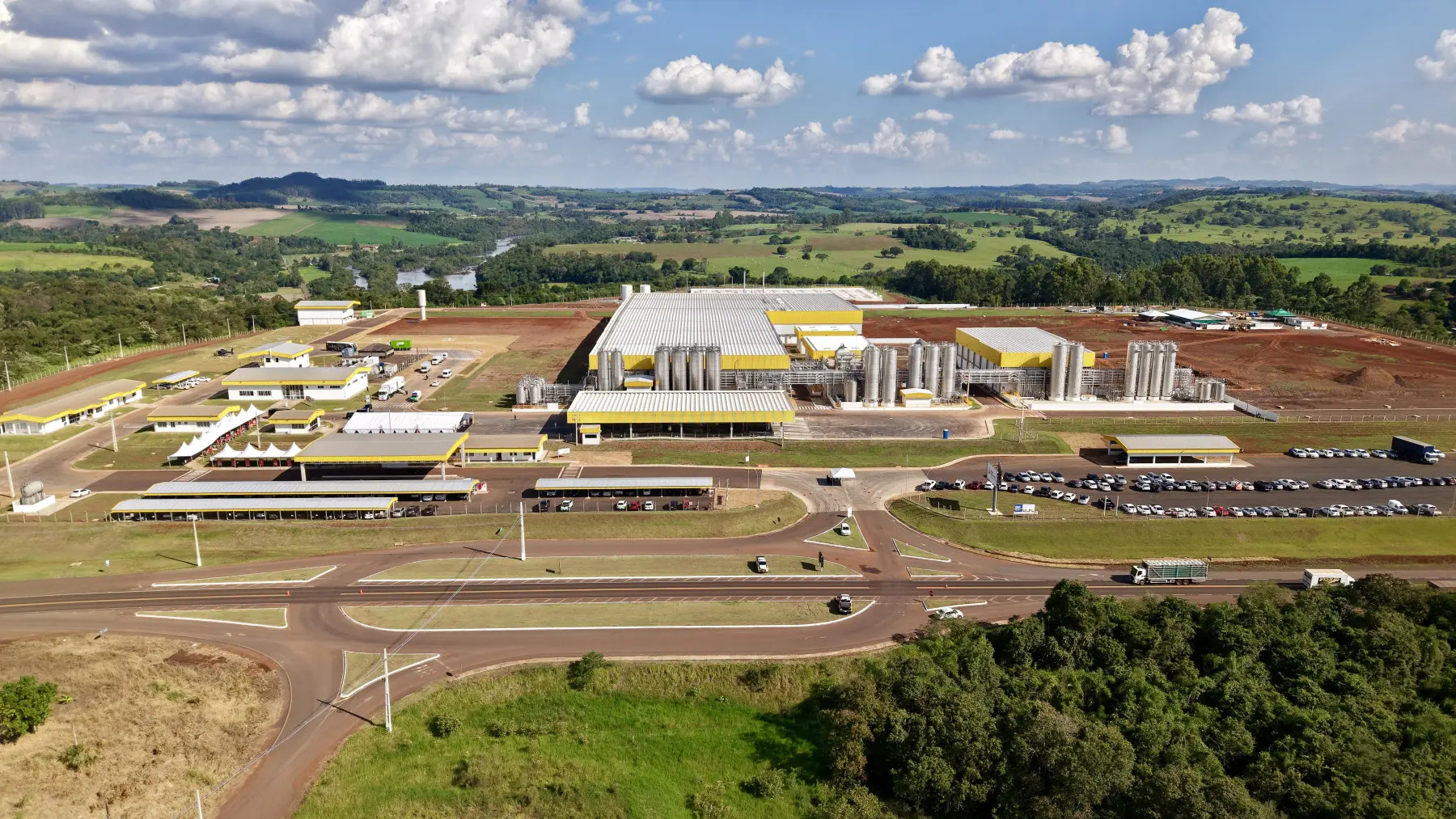
With an investment of R$ 612 million, a capacity to process 1.2 million liters of milk per day, Piracanjuba inaugurates a mega cheese factory that increases national production, reduces dependence on imports, and repositions Brazil on the global dairy map.
-
Offshore industrial demand in Macaé skyrockets with the recovery of oil and gas and could grow by up to 396% by 2026 in the Campos Basin.

Recall the Clash Over the Distribution of Oil Royalties to Non-Producing States?


In 2011, the debate over redistribution gained momentum with the creation of the Proposed Constitutional Amendment (PEC) aimed at a broader division of royalties. Figures such as then-senator Vital do Rêgo (PMDB-PB) and deputy Marcelo Castro (PMDB-PI) stood out in defending the interests of non-producing states. They argued that the resources from royalties should benefit the entire federation, reducing regional inequalities.
Conversely, lawmakers from producing states, such as senator Lindbergh Farias (PT-RJ) and then-governor Sérgio Cabral (PMDB-RJ), led the defense for producing states to keep a larger share of the resources, arguing about the local impacts of oil exploration. This clash culminated in the approval of Law 12.734 in 2012, sanctioned by then-president Dilma Rousseff. The law, known as the “new royalty law,” sparked a series of actions in the Supreme Federal Court (STF), where the state of Rio de Janeiro, in particular, attempted to suspend the redistribution.
These conflicts between legislators continued in the following years, with attempts at negotiation between producing and non-producing states.
Development Opportunities for the City of Oiapoque, Interior of Amapá
The confirmation of oil reserves in the Equatorial Margin would profoundly impact Oiapoque. The city, strategically located, could become a center for operations and logistics, which would boost jobs, commerce, and infrastructure. The oil royalties would enable Amapá to invest more in essential sectors such as health, education, and security, strengthening its economy and possibly reducing its dependence on other regions, especially the Southeast.
Even with the need to share part of the royalties, Oiapoque and the state will benefit from a considerable amount, facilitating this economic transformation. However, producing states continue to advocate for a larger share of the resources, particularly due to the environmental and structural challenges that oil exploration brings.
Redistribution: Benefit for Brazil, Challenge for Amapá?
The redistribution of royalties generates heated discussions. Producing states like Amapá deal directly with the environmental and social impacts of exploration, while non-producing states receive royalties as compensation. The redistribution system aims to ensure that all Brazilian regions benefit from this revenue.
However, Amapá faces an additional challenge. The population growth and higher demand for public services will elevate the need for infrastructure, especially in Oiapoque. Although the state receives a portion of the resources, Amapá still needs to contribute to the redistribution fund for other regions of the country.
A New Economic Scenario for Amapá?
The exploration of oil in the Equatorial Margin will allow Amapá to achieve greater economic independence. The state, with Oiapoque as a gateway for operations, could become a hub in the oil and gas sector. Furthermore, the opportunities may attract investments in sectors such as commerce and tourism, further diversifying the economy.
Despite the redistribution obligations, Amapá will directly benefit from part of the oil royalties, which will bring significant advancements. This growth may mark the beginning of a cycle of prosperity for the North, elevating regional development and creating new opportunities for residents.
For many, this redistribution of royalties strengthens national development fairly. The question remains, however: should Amapá fight for a larger share to maximize its local development, or accept the current redistribution as fair for the entire country?
Amapá may be on the cusp of experiencing an unprecedented transformation. With the potential release of the Equatorial Margin for oil exploration, the state could see a significant increase in investments and revenue generation, especially in the city of Oiapoque, which could become a logistical and operational hub for oil companies. This possibility raises the question: will Amapá be able to keep most of the oil royalties or will it have to share them with the rest of Brazil?







RESPOSTA É…. estados sul e sudeste deve usar o bom senso, os Royalties deve ser usado no desenvolvimento da região Norte, fiscalizado pelos órgãos competentes, para políticos e empresas não Roubarem..!!!
O Amapá deve ter a maior fatia, pois os impactos ambientais serão no Estado.
Toda margem equatorial tem petróleo , e gaz o Maranhão e um , sou afavor dos recursos do petróleo, de toda margem e dividir com morte e nordeste com a parcela maior dos estados produtores , tem estado qui não produz , uma gota de petróleo e tem refinaria , tá errado e tem estado qui tem petróleo e gaz , e não tem refinaria , tá tudo errado absurdo espero qui isso , mudem ok