





 Portuguese
  English
  Spanish
  5 min of reading
  0 comments


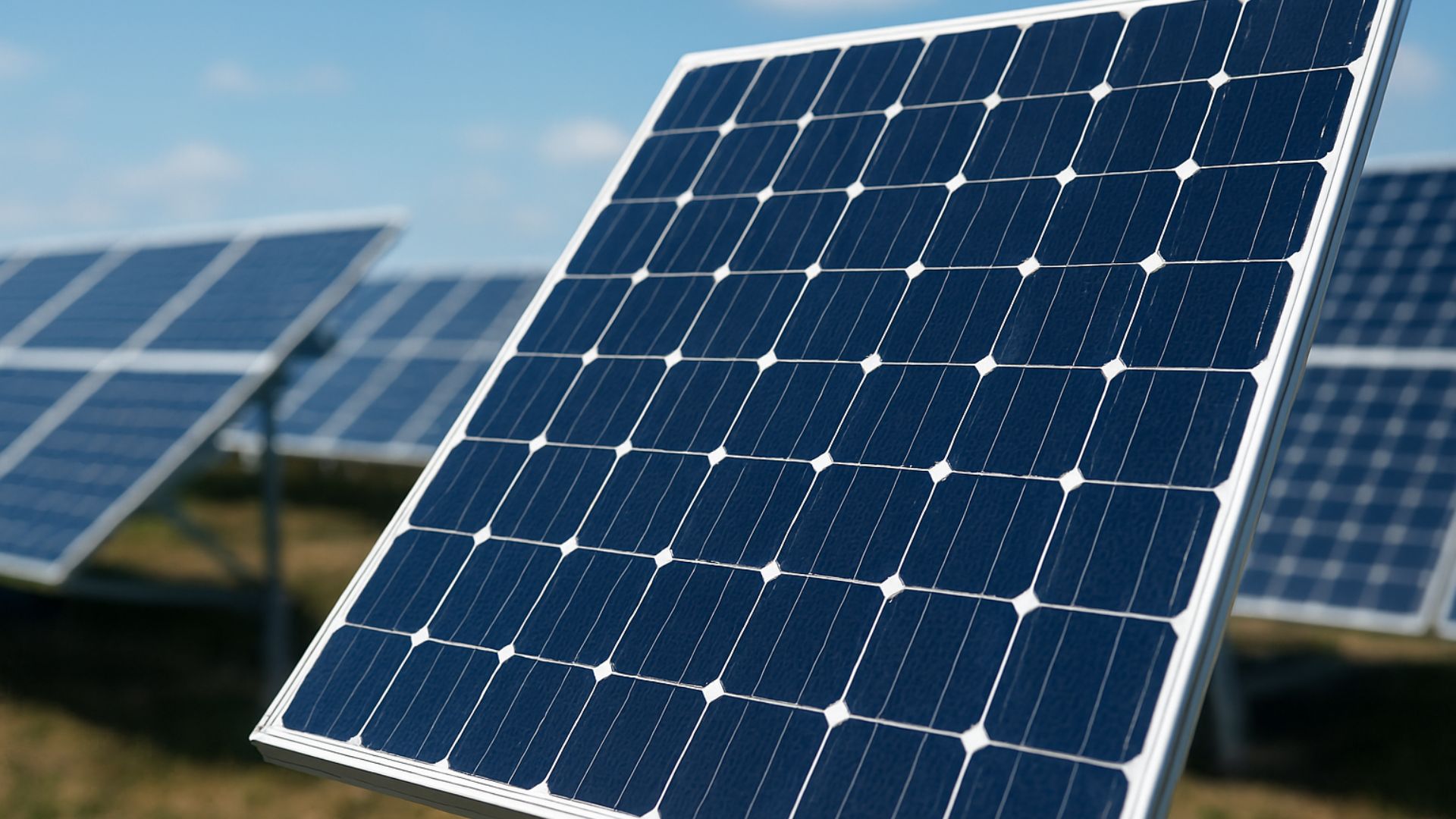
ANEEL Report Highlights Significant Growth of Solar Energy in November and Reinforces the Progress of the Brazilian Electric Matrix in the Energy Transition, with Relevant Increase of Renewable Capacity in the Country
Brazil recorded in November 2025 one of the most relevant months of the year for the expansion of the national electric supply. According to ANEEL, all new plants that went into commercial operation during this period are photovoltaic solar, reinforcing the advancement of clean sources and strengthening the electric sector.
The data, officially released by the agency, shows that the country consolidates a growth cycle based on low environmental impact energy, while increasing the diversity of generation to meet the growing national demand.
Solar Energy Leads the Expansion of the Electric Matrix
According to the report published by ANEEL, five plants were inaugurated in November, four in Minas Gerais, totaling 176.40 MW, and one in Ceará, with 9.82 MW of installed capacity. All are photovoltaic technology.
-
Roraima bets on the sun to escape high tariffs: Amid the energy crisis and price hikes, solar energy is growing in Roraima and transforming consumption in the North region.
-
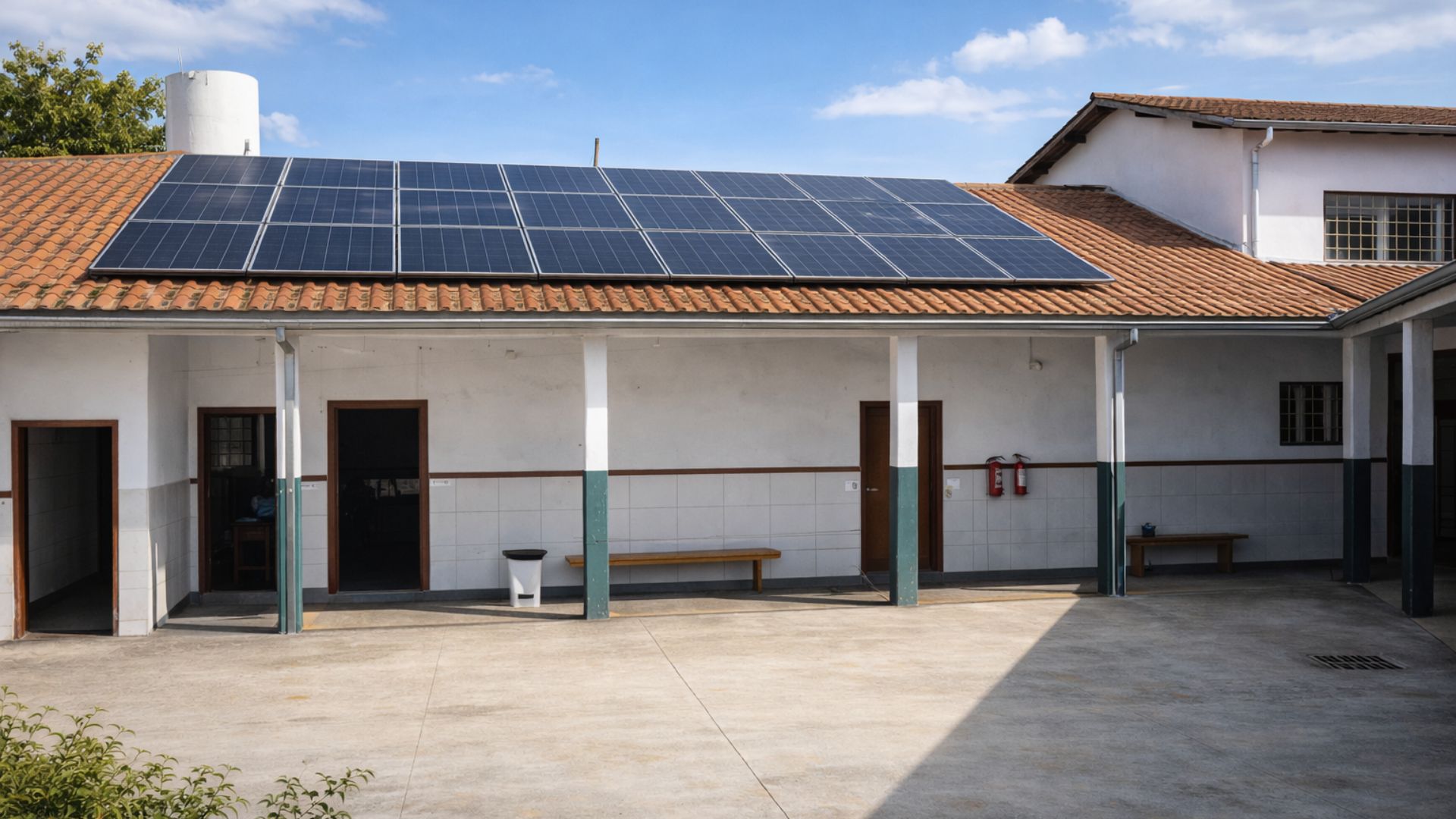
Copel boosts solar energy in Paraná and brings innovation to public schools, promoting savings on electricity bills, energy efficiency, and a direct impact on the quality of education.
-
Brazil reaches historic milestone in solar energy: Sector surpasses 2 million accumulated green jobs and generates billions in the national economy even under market pressure.
-
Minas Gerais takes the lead in renewable energy: State surpasses historic mark of 14 GW in solar energy generation in MG and consolidates dominance in the Brazilian electric sector.
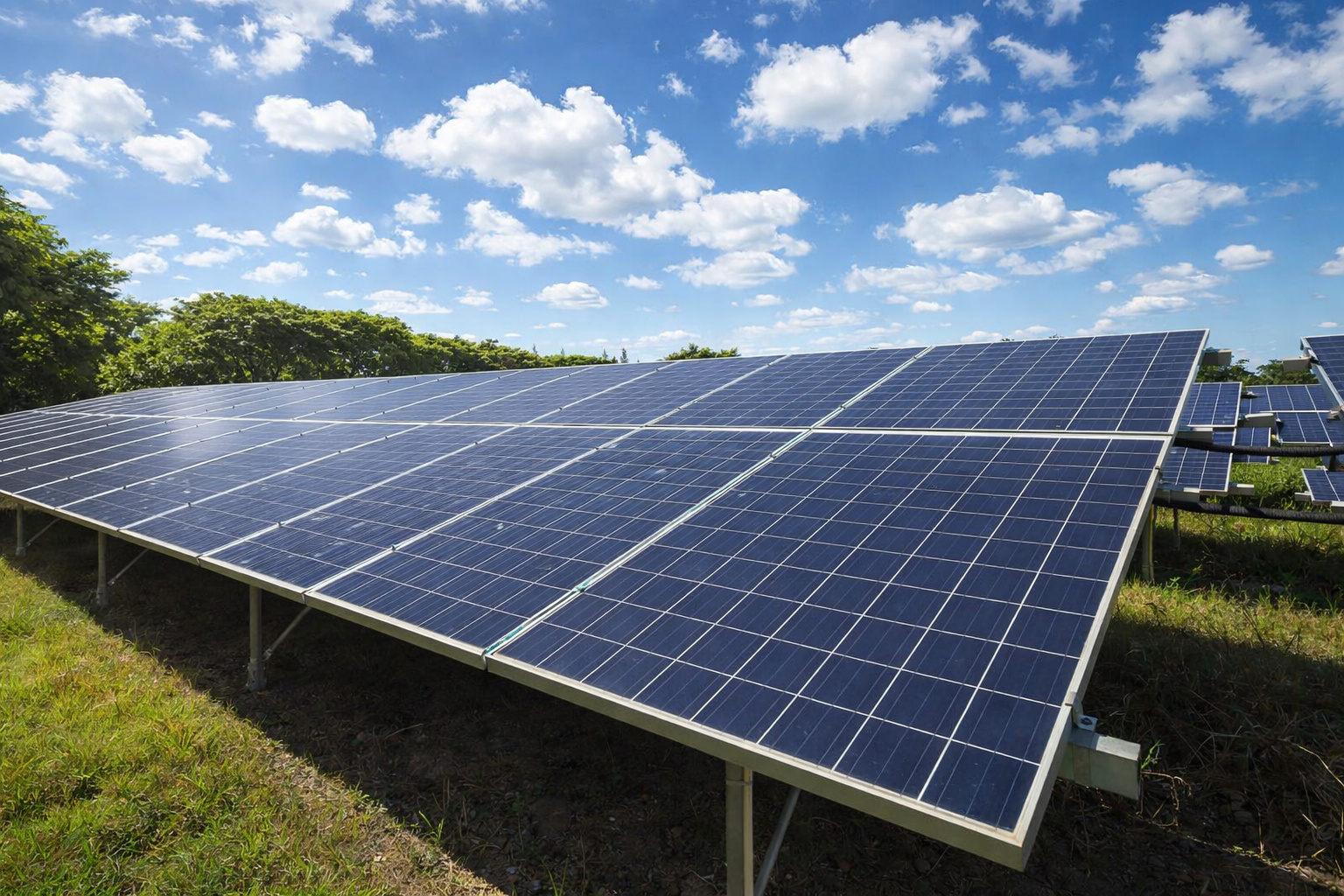

The prevalence of solar energy confirms its position as the main source of expansion for the sector, leaving other technologies with lower participation in the month. This progress occurs due to a combination of competitive cost, availability of solar radiation in much of the country, and the growing maturity of the production chain.
Solar energy has become the main driver of electric supply growth in November. This milestone demonstrates that Brazil is consistently expanding its renewable capacity, strengthening environmental goals and contributing to reducing greenhouse gas emissions.
Solar Energy: Annual Advancement of the Electric Matrix in 2025
Between January and November 2025, the installed capacity in Brazil grew 6,751.03 MW, distributed among 118 new plants. The expansion includes different technologies: solar, wind, hydroelectric, small hydro power plants, and thermal plants.
ANEEL highlights that:
- Solar plants added 2,464.04 MW during the period.
- Wind farms contributed 1,537.90 MW.
- Thermal plants represented 2,493.05 MW.
- Small hydro plants and other sources completed the remainder of the expansion.
These numbers confirm that the country maintains an accelerated pace of electric matrix growth, reinforcing its position as a global reference in renewable generation.
Renewable Capacity Exceeds 84% of Regulated Capacity
On December 1, 2025, Brazil reached 215,576.6 MW of regulated capacity, according to ANEEL’s Generation Information System (SIGA). Of this total, 84.45% corresponds to renewable sources.
This high percentage indicates that the country remains steadfast in the energy transition, consolidating a generation model that prioritizes efficiency, low environmental impact, and technological diversity. The Brazilian electric matrix is already one of the cleanest among the world’s major economies.
Importance of Solar Energy for the Energy Transition
The prominence of solar energy reinforces Brazil’s strategy to advance towards a cleaner, more efficient, and safer electrical system. The photovoltaic source offers relevant advantages:
- High availability of solar radiation across the territory.
- Rapid installation of plants, with shorter construction times compared to hydroelectric or wind plants.
- Significant reduction of emissions compared to fossil thermal plants.
- Lower generation costs due to technological advancements and global scale.
Moreover, the country stands out for the simultaneous expansion of centralized generation and distributed generation — especially with systems installed in homes, businesses, rural properties, and small industries. Solar energy is enhancing competitiveness, democratizing access to self-generation, and contributing to national energy security.
Economic and Social Impacts of the Advancement of Renewable Capacity
The expansion of renewable capacity brings direct benefits to the Brazilian economy. The clean energy sector drives production chains, creates jobs, and stimulates private investment, especially in regions with high generation potential.
Among the most relevant impacts are:
- Stimulus to Regional Development: new solar parks attract companies, suppliers, and specialized professionals.
- Creation of Qualified Jobs: installers, engineers, technicians, and operation and maintenance professionals are increasingly in demand.
- Strengthening Electric Infrastructure: the expansion requires modernization of networks, new transmission lines, and operational reinforcement.
- Technological Innovation: storage initiatives, hybrid systems, and sector digitalization are gaining space.
Additionally, the growth of renewables contributes to reducing operating costs of the system by decreasing the need for activation of emergency thermal plants, which are generally more expensive and more polluting.
Challenges Accompanying the Growth of the Electric Matrix
Despite the advancements, the sector still faces important challenges to maintain the growth pace in a structured way.
Among the main points of attention are:
Strengthening Transmission Infrastructure
The entry of new plants, especially in states of the Northeast and Southeast, requires the expansion of lines and substations. Without this modernization, part of the energy generated may not reach consumption centers efficiently.
Integration of Intermittent Sources
The growing presence of solar and wind sources demands integrated solutions for storage, hybrid plants, and strategic participation of hydroelectric plants, which provide flexibility to the system.
Regulatory Agility
Technological advancement requires constant updates to connection, operation, financing, and licensing rules, ensuring legal security and predictability for investors.
Environmental Planning
The expansion must be accompanied by consistent socio-environmental studies, minimizing local impacts and strengthening sustainable development.
These challenges do not diminish the relevance of growth but reinforce the need for strategic planning. Brazil is experiencing a crucial moment in its energy transition and needs to advance with balance.
How Does the Expansion of Solar Energy Impact the Consumer?
The expansion of renewable generation has direct effects on the daily lives of Brazilian consumers, both financial and environmental.
Benefits for the consumer:
- Potential reduction in energy costs in the medium term.
- Greater stability in supply, with fewer risks of crises.
- Incentive for distributed generation, allowing self-production of energy.
- Reduced environmental impact associated with electricity consumption.
With more supply and diversity in the matrix, energy tends to be less subject to climate fluctuations and high operational costs. This strengthens the system’s security and contributes to more stable rates.
What Does This Movement Represent for Brazil’s Energy Future
The significant growth of solar energy and the strong participation of renewable sources show that the country is on the right path to modernize its electric sector. Brazil has the natural, technological, and regulatory conditions to become a global power in clean energy.
Moreover, the advancement of new plants increases competitiveness, opens doors for international investments, and strengthens the Brazilian environmental agenda.
The month of November 2025 symbolizes much more than the entry of new plants: it represents a milestone in the evolution of a more sustainable, diversified electric matrix prepared for the future.








Seja o primeiro a reagir!