





 English
  Francês
  Alemão
  Italiano
  Japonês
  Norueguês
  Portuguese
  Spanish
 3 min of reading
  0 comments



Energy Oversight Will Be Decentralized After Aneel Regulation; Measure Reinforces Energy Quality and Role of State Agencies.
The energy oversight in Brazil will enter a new phase following a decision by the National Electric Energy Agency.
The measure was approved on Tuesday (10), in Brasília, by the board of the regulatory agency.
The initiative authorizes the decentralization of oversight, allowing state agencies to act directly in the supervision of utility companies.
-
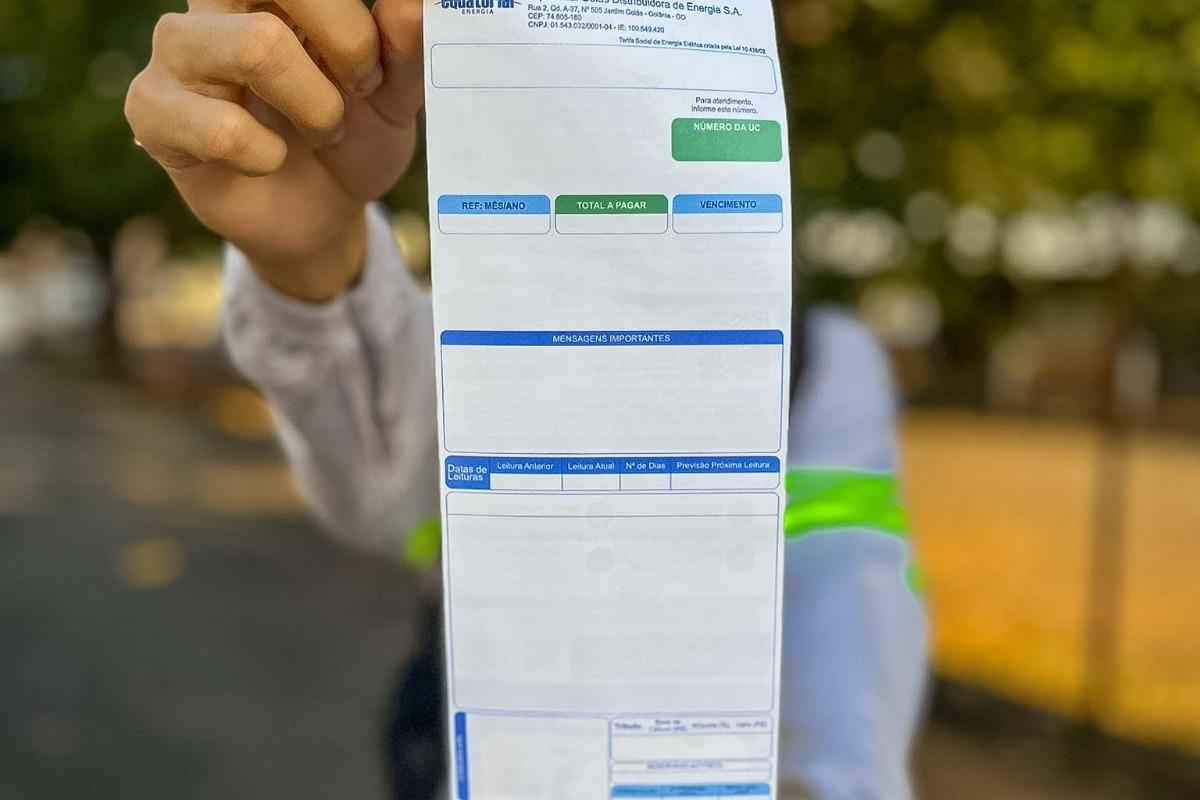
Equatorial adopts new national number for consumer units on electricity bills starting in April, following ANEEL standards and modernizing energy bills in several states.
-
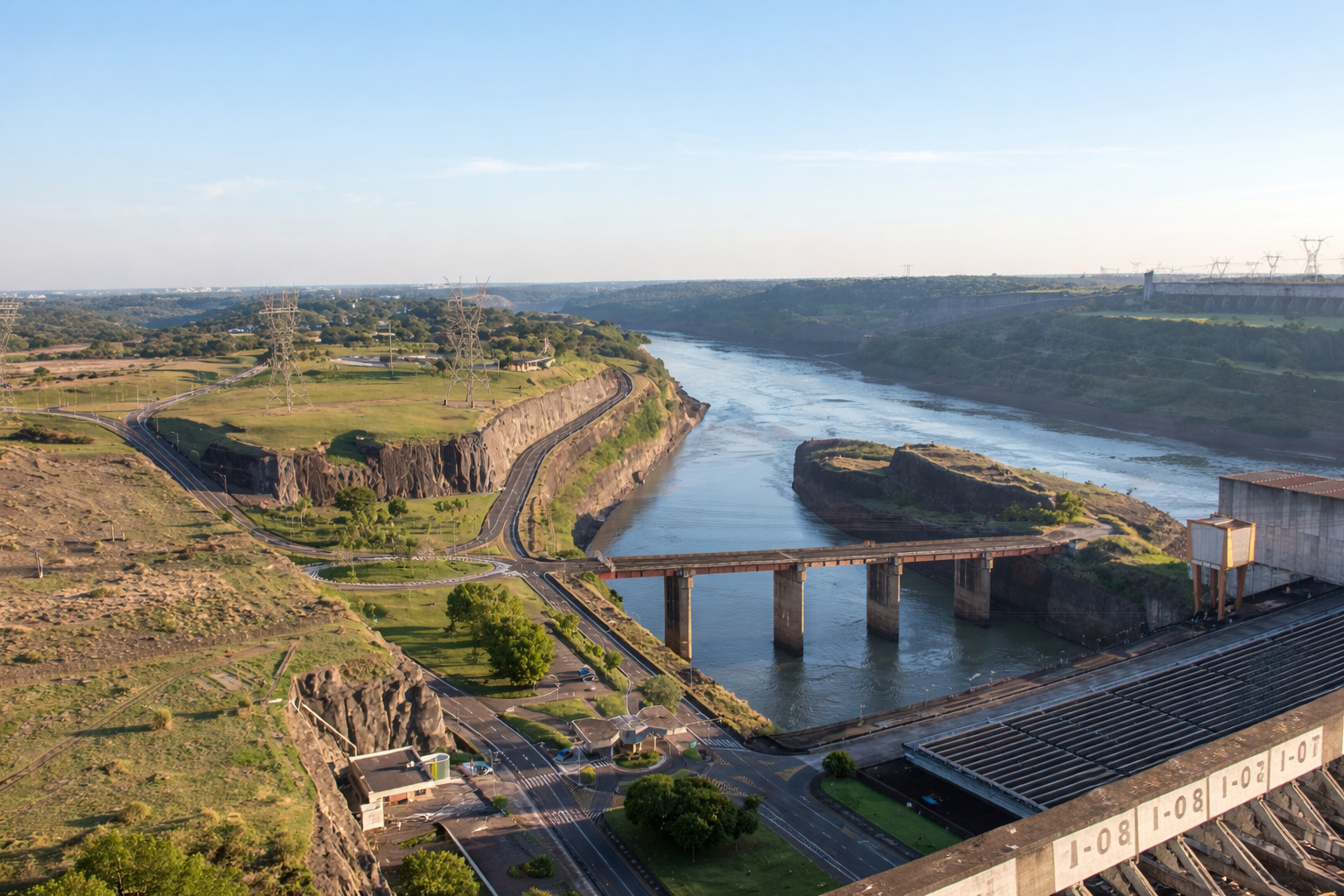
Itaipu Impresses the World: Hydroelectric Plant with 20 Turbines and 14,000 MW Generates Over 2.9 Billion MWh and Leads Global Clean Energy Production
-
Aneel Revokes CMAA Thermal Power Plants After Network Restrictions and Excess Energy in the System

-
13-Year-Old Scientist Creates Clean Energy Device For Just R$ 16, Wins $25,000 Prize And Surprises The World With Affordable Solution

The goal is to improve energy quality, bring consumers closer to regulatory bodies, and expedite responses to supply failures.
The change occurs through the enhancement of Normative Resolution 914/2021 — the so-called Aneel regulation — which redefines the division of responsibilities.
In practice, the model seeks to make oversight faster, more efficient, and regionally focused.
In addition, it aims to expand the monitoring capacity over investments and maintenance of electrical networks.
Aneel Regulation Expands Role of State Agencies
With the regulatory update, Aneel paves the way for state agencies to take on part of the energy oversight activities.
Currently, there are already 14 cooperation agreements signed with federal units, including Ceará, Goiás, Mato Grosso, Pará, Rio de Janeiro, and São Paulo.
This institutional arrangement strengthens the concept of decentralized oversight.
In other words, control is no longer exclusively centralized in Brasília and will now include local structures.
Thus, operational problems can be verified more swiftly.
Meanwhile, Aneel remains responsible for national regulation.
This ensures technical standardization, legal security, and uniformity in the rules of the Brazilian electrical sector.
Minas Gerais Awaits Authorization to Act
In Minas Gerais, the process is still in the formalization phase.
The Regulatory Agency for Water Supply and Sanitation Services (Arsae-MG) awaits authorization to begin operations in the electrical sector.
According to the agency, the state legal framework already allows for the exercise of energy oversight.
However, the activity depends on the signing of a formal cooperation instrument with Aneel.
“The Arsae-MG’s action, therefore, will occur cooperatively with Aneel.
So far, no cooperation instrument has been signed between the agencies to formalize this joint action.
As a result, the agency has not yet developed oversight activities related to the electric power sector,” details Arsae-MG.
In addition, the entity emphasizes that its action will be restricted to the oversight of services.
The regulation of the electrical sector will remain under federal jurisdiction.
Institutional Cooperation and Focus on the Consumer
Even without a signed agreement, the mining agency shows willingness to act.
The focus, according to the agency, will be technical and geared towards user protection.
The institutional positioning reinforces this commitment:
“in accordance with current legislation and any instruments that may eventually be established, always focusing on technical action, the efficiency of oversight, and the protection of public service users.”
Geographical proximity facilitates inspections, audits, and investigation of complaints.
Schedule Predicts Gradual Transition Until 2027
Although the Aneel regulation has already been approved, implementation will not be immediate.
The official forecast indicates practical commencement only in 2027.
The delay occurs because the performance contracts for 2026 have already been signed.
Changes now could create regulatory uncertainty.
According to the agency, the transition seeks to “preserve legal security, regulatory predictability, and the stability of already agreed instruments.”
Impacts of Decentralized Oversight on Energy Quality
The sector’s expectation is positive.
With decentralized oversight, consumers will have closer channels to register complaints.
In addition, state agencies will be able to pressure utility companies for regional investments.
This operational proximity reduces bureaucracy and speeds up technical decisions.
On the other hand, Aneel will continue to ensure that norms and standards are national.
This prevents regulatory inequality among states.
New Model Seeks Balance Between Control and Efficiency
The institutional redesign proposed by Aneel combines normative centralization with decentralized execution.
This arrangement seeks efficiency without compromising the governance of the sector.
Energy oversight, therefore, gains territorial reach.
At the same time, it maintains unified technical guidelines.
If well executed, the model could reduce failures, improve energy quality, and strengthen consumer trust in the Brazilian electrical system.
See more at: Aneel Decides to Change Energy Oversight in the Country










Seja o primeiro a reagir!