





 Portuguese
  English
  Spanish
  3 min of reading
  0 comments


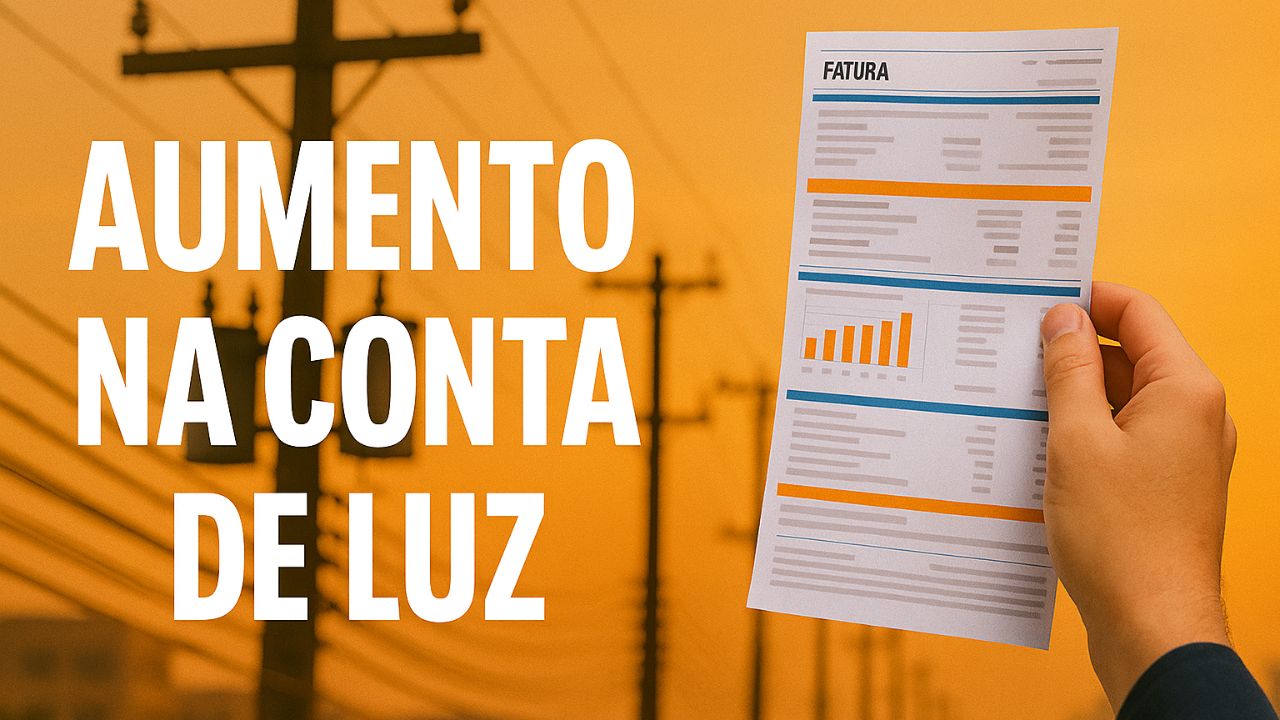
Aneel Estimates 7% Increase in Electricity Bills in 2025; Energy Prices Rise Above Inflation Due to Tariff Flags Impact and Yellow Flag.
Consumers should prepare their budgets for a significant increase: the electricity bill may rise by 7% in 2025, according to projections released by Aneel this Friday (12/05/2025).
The estimate, which applies nationwide, surpasses the inflation expected for the period and comes at a time when the tariff flag is yellow, increasing energy costs for all Brazilians.
The increase, the agency explains, is mainly due to rising costs of the CDE (Energy Development Account) and a lower refund of the PIS/Cofins tax, originally estimated to reduce rates.
-
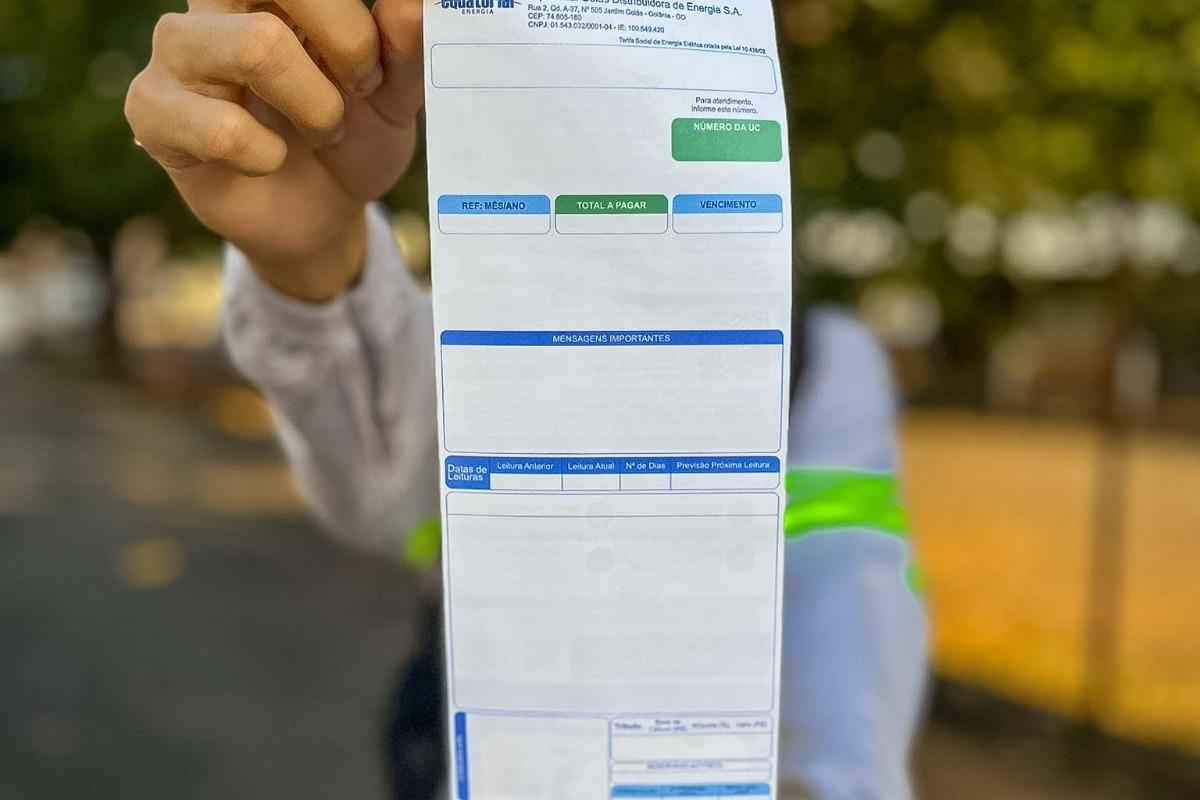
Equatorial adopts new national number for consumer units on electricity bills starting in April, following ANEEL standards and modernizing energy bills in several states.
-
Itaipu Impresses the World: Hydroelectric Plant with 20 Turbines and 14,000 MW Generates Over 2.9 Billion MWh and Leads Global Clean Energy Production

-
Aneel Revokes CMAA Thermal Power Plants After Network Restrictions and Excess Energy in the System
-
13-Year-Old Scientist Creates Clean Energy Device For Just R$ 16, Wins $25,000 Prize And Surprises The World With Affordable Solution


Thus, Aneel answers the question that concerns consumers the most: why will the electricity bill become more expensive? The agency attributes the tariff effect to the behavior of sector charges and regulatory adjustments that directly impact consumers’ wallets.
Lower Inflation, But More Expensive Energy: Aneel’s Projection Exceeds IPCA and IGP-M
Although the energy tariff is expected to rise by 7%, the main inflation indicators in the country point to more modest figures.
According to the InfoTarifa 2025 bulletin from Aneel, the IGP-M — known as “the rental inflation” — is expected to show a decrease of 0.5% during the period. Meanwhile, the IPCA, the official inflation index, is expected to rise by 4.4%, still below the tariff adjustment.
This difference shows that the pressure on the electricity bill is not linked solely to classical inflation, but primarily to charges that fund public policies in the electric sector and the behavior of tariff flags throughout the year.
CDE Grows and Pressures Electricity Bills in 2025
The Energy Development Account (CDE) is the main factor that will drive tariffs up.
According to Aneel, the amounts needed to cover subsidies, policies for universal access to energy, and incentives for specific segments have risen higher than previously estimated.
Additionally, the agency states that “the refund made from the PIS/COFINS tax was lower than previously estimated”, which prevents an additional reduction in the average tariff.
In practice, this means that part of the relief expected for consumers did not materialize.
Yellow Tariff Flag: Bill Increases Less Than in November, But Remains More Expensive
Since December, bills have switched to the yellow tariff flag, with lower charges than in the previous month when the red flag level 1 was active.
The current flag generates an extra cost of R$ 1.885 for every 100 kW/h, well below the R$ 4.46 charged previously under the red flag.
Even so, the flag system remains one of the factors that directly influence the electricity bill, serving as a warning for periods of higher energy generation costs.
What to Expect for 2025
With inflation under control but increasing pressure on the electric sector charges, consumers should face a challenging scenario in 2025.
Aneel’s expectation is that the average adjustment will exceed general economic projections, reinforcing the importance of conscious energy use and monitoring changes in the tariff flag.
Meanwhile, the market is closely watching the agency’s upcoming bulletins, which may adjust the projections disclosed — either upwards or downwards.









-

-

-

8 pessoas reagiram a isso.