





 Portuguese
  English
  Spanish
  5 min of reading
  0 comments


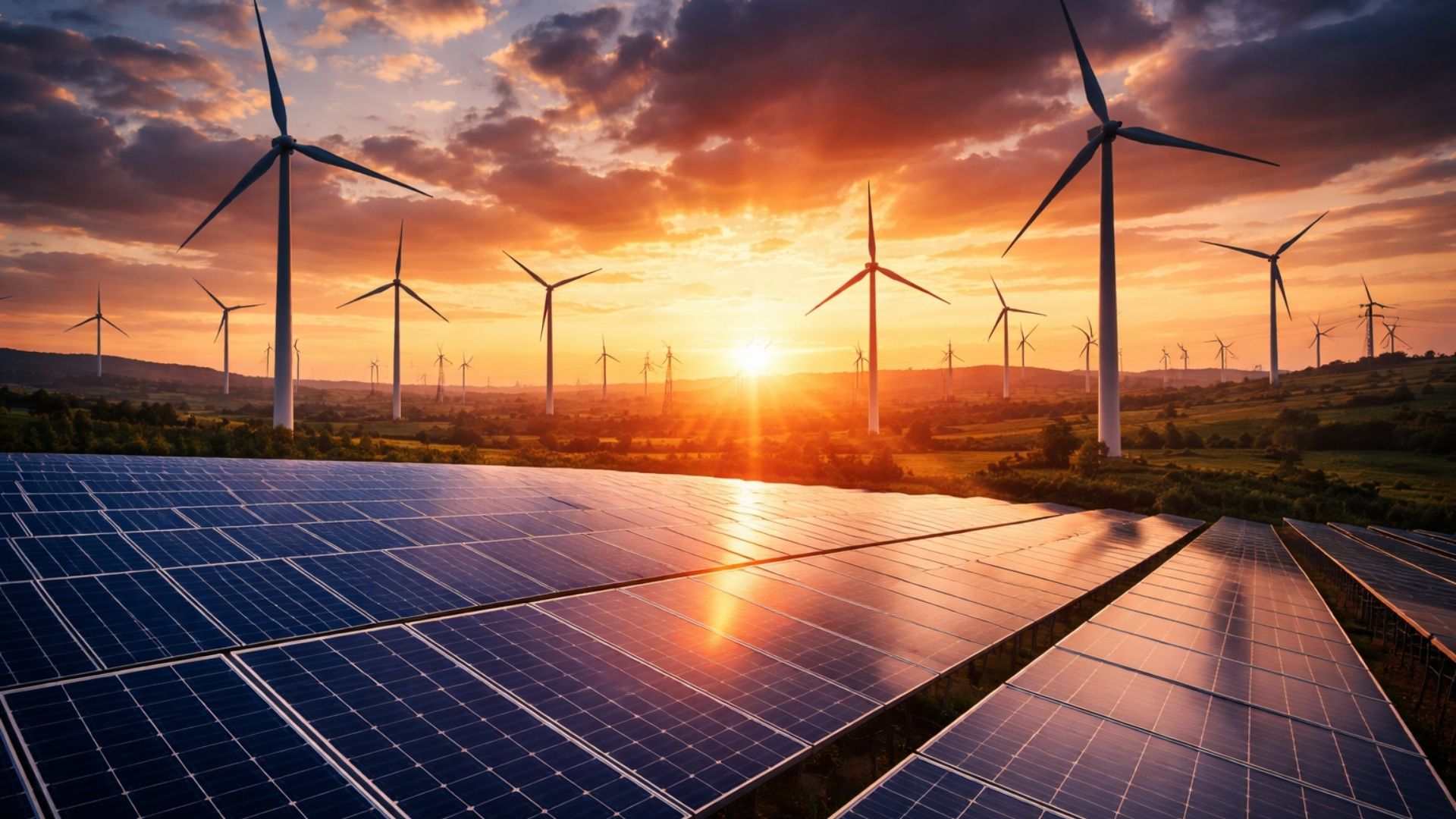
Aneel Projects Strong Advancement of the Brazilian Power Matrix in 2026, Driven by Solar and Wind Energy. Plant Expansion Also Reinforces the Transformation of the National Energy Sector.
The expansion of the Brazilian power matrix in 2026 is already defined and points to one of the largest advancements in the country’s recent history. According to the official projection from Aneel, Brazil is expected to incorporate 9,142 megawatts (MW) of installed capacity into the electric system over the next year.
According to an official publication released this Tuesday (13), this volume represents a growth of 23.4% compared to the result recorded in 2025, when 7,403.54 MW were added. The increase will be driven primarily by the expansion of renewable sources, with a focus on solar and wind energy, in addition to the operation of new centralized plants.
Aneel Projections Confirm Consistent Advancement of the Brazilian Power Matrix
The data is included in the Monitoring Report on the Expansion of Electric Power Generation Supply (Ralie), maintained by Aneel, which monitors the evolution of projects across the country. The expected growth reinforces the structural transformation of the Brazilian energy sector and consolidates the prominence of clean sources.
-
Renewable energy advances over protected areas in Brazil, and a survey by the Energy Transition Observatory reveals silent impacts that challenge environmental conservation and pressure sensitive traditional territories.

-
Rio Grande do Sul accelerates energy transition: State invests in renewable technologies and consolidates decarbonization strategies and pathways to attract billions in new industrial investments.

-
With 160,000 m² of collectors, an area larger than 20 football fields, Silkeborg, in Denmark, hosts a solar thermal plant that heats 19,500 homes and could become the largest solar heating plant in the world.

-
A study reveals the expansion of renewable energy procurement in Brazil and shows how companies are taking advantage of opportunities to reduce expenses, ensure energy efficiency, and strengthen strategic environmental commitments.


The growth estimate for 2026 does not arise in isolation. It reflects a continuous trajectory of expansion of the Brazilian power matrix, marked by regular investments, diversification of sources, and strengthening of energy planning.
According to Aneel, the expansion of installed capacity aligns with the guidelines of the national electric sector, which prioritize supply security, environmental sustainability, and economic efficiency. The result for 2025 was already considered high, but the projection for 2026 indicates an even more significant leap.
This advancement also demonstrates greater regulatory predictability, an essential factor for attracting investors and ensuring the continuity of generation projects. Thus, the energy sector begins to operate with greater stability and a long-term vision. The planned expansion reduces risks and increases the reliability of the Brazilian electric system.
Solar and Wind Energy Drive the National Energy Sector
Among the sources responsible for this growth, solar and wind energy play a central role. In 2025, Brazil commissioned 63 solar photovoltaic plants, which added 2,815.84 MW to installed capacity, along with 43 wind farms, responsible for 1,825.90 MW.
These numbers highlight the technological advancement, cost reduction, and competitiveness of these sources in the Brazilian market. According to Aneel, the expansion of solar and wind energy helps diversify the matrix, reduce greenhouse gas emissions, and decrease dependence on fossil sources.
Additionally, these projects present shorter deployment timelines and greater operational flexibility, characteristics that favor the accelerated growth of the energy sector. Renewable sources have become strategic pillars of electric expansion in Brazil.
Complementary Plants Strengthen the Brazilian Power Matrix
Despite the prominence of variable renewable sources, other modes of generation continue to play a fundamental role in the Brazilian power matrix. In 2025, 15 thermal power plants began operations, totaling 2,505.77 MW, in addition to small hydropower plants, generating hydropower plants, and a conventional hydropower plant.
These plants are essential to ensure flexibility, reliability, and balance in the electric system, especially during periods of lower solar or wind generation. The complementarity between renewable and dispatchable sources strengthens the energy sector and ensures continuous demand fulfillment. Diversity of sources is one of the main differentiators of the Brazilian electric system.
Regional Expansion Reinforces the Dynamism of the Energy Sector
The commissioning of new plants in 2025 occurred in 17 Brazilian states, demonstrating the broad geographical distribution of investments. Rio de Janeiro topped the ranking, adding 1,681.07 MW to the system, followed by Bahia, with 1,371.59 MW, and Minas Gerais, with 1,294.75 MW.
In December, Bahia stood out with the commissioning of nine plants, totaling 359.89 MW, while Rio Grande do Norte recorded 184.50 MW in the same period. These data reinforce the decentralization of generation and the strengthening of the energy sector in different regions of the country.
According to Aneel, regional expansion contributes to local economic development, job creation, increased tax revenue, and the dynamization of the production chains linked to energy. Electric generation acts as a vector for regional economic growth.
Installed Capacity Confirms Renewable Leadership of the Brazilian Power Matrix
As of January 1, 2026, Brazil reached 215,936.9 MW of capacity regulated in centralized plants, according to data from the ANEEL Generation Information System (SIGA). Of this total, 84.63% corresponds to renewable sources.
This percentage places the Brazilian power matrix among the cleanest and most diversified in the world. The data reflects the consistency of sector planning and the effectiveness of public policies aimed at the sustainable expansion of the energy sector. The high share of renewables reduces environmental risks and strengthens the country’s competitiveness.
Aneel Enhances Transparency with Detailed Data on the Energy Sector
To monitor the evolution of electric generation, Aneel makes available the Ralie Panel, an interactive tool that gathers detailed information on the expansion of centralized energy supply. The system allows inquiries by region, type of source, year of commissioning, and project stage.
The information is updated monthly based on on-site inspections and data from the Monitoring Report on Electric Power Generation Projects (Rapeel). This methodology ensures greater precision, transparency, and reliability of the data for the Brazilian power matrix. Access to reliable data strengthens governance and credibility in the energy sector.
Perspectives for 2026 Consolidate Solar and Wind Energy in the Brazilian Power Matrix
With the growth projection, solar and wind energy are expected to further increase their share in the Brazilian power matrix throughout 2026. Aneel’s expectation is for the commissioning of already contracted projects, driven by private investments and policies to promote clean generation.
This scenario strengthens Brazil’s position in the context of the global energy transition and increases the relevance of the national energy sector in the face of climate challenges and the growing demand for electricity. The advancement of renewables indicates a permanent and structured transformation.
Aneel Projection: A New Growth Cycle Redefines the Brazilian Energy Sector
The expansion forecast of 9.1 GW in 2026 confirms that Brazil is experiencing a new growth cycle in the energy sector, sustained by planning, source diversity, and a strong presence of renewables.
Aneel’s data shows that the Brazilian power matrix is advancing consistently, with a focus on solar and wind energy, high renewable participation, and broad regional distribution of investments.
This movement enhances the security of the electric system, stimulates economic development, and positions the country as an international reference in sustainable generation. More than just increasing energy supply, the projected growth redefines Brazil’s role in the global energy landscape.









Seja o primeiro a reagir!