





 Portuguese
  English
  Spanish
  3 min of reading
  0 comments


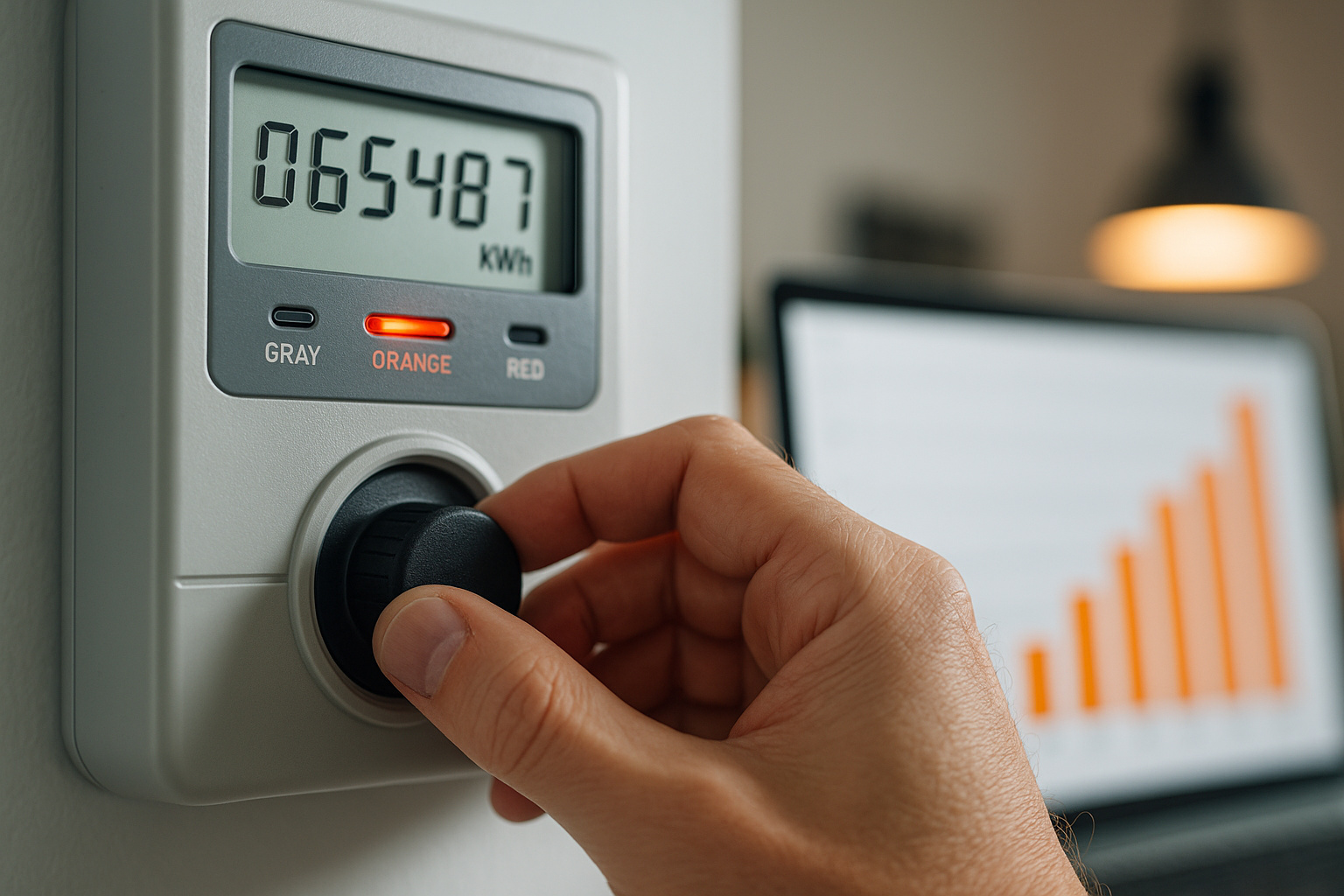
Aneel Starts Studies on New Tariff Structure
The National Electric Energy Agency (Aneel) has begun studies to change the tariff structure applied to low-voltage consumers.
In addition, the agency aims to encourage the migration to the White Tariff, which operates with different prices depending on the time of day.
Therefore, the measure targets approximately 2.5 million consumer units, including large households, businesses, and small services consuming over 1,000 kWh per month.
Low Adherence and Proposed Change
The White Tariff for this group is already available. However, adherence remains insignificant.
Only 0.1% of the 75 million eligible consumers have opted for this structure.
Moreover, among those who adhered, there was an average reduction of 4.8% in bills.
In light of this, Aneel is considering reversing the logic and making the White Tariff the standard model for high-consumption consumers, while keeping the conventional tariff only for those below the proposed limit.
ARTICLE CONTINUES BELOWSee also
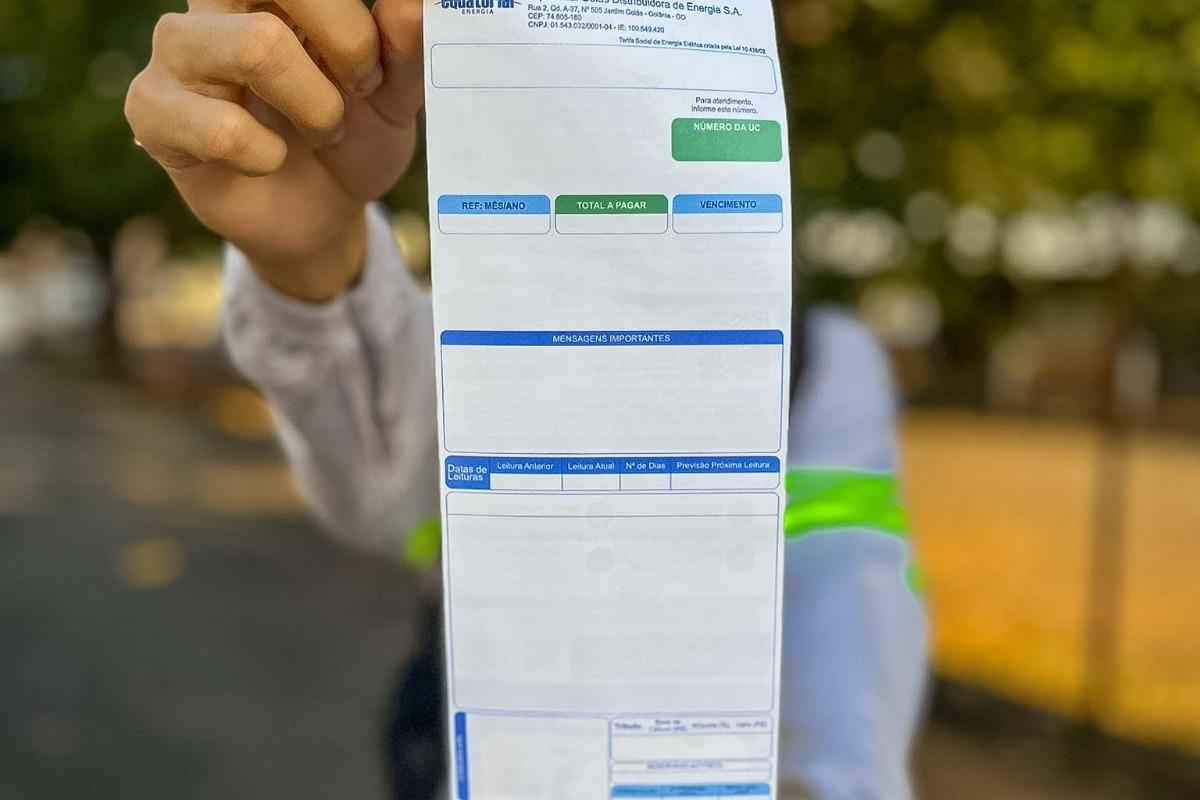
Equatorial adopts new national number for consumer units on electricity bills starting in April, following ANEEL standards and modernizing energy bills in several states.
Itaipu Impresses the World: Hydroelectric Plant with 20 Turbines and 14,000 MW Generates Over 2.9 Billion MWh and Leads Global Clean Energy Production

Aneel Revokes CMAA Thermal Power Plants After Network Restrictions and Excess Energy in the System

13-Year-Old Scientist Creates Clean Energy Device For Just R$ 16, Wins $25,000 Prize And Surprises The World With Affordable Solution

Differences Between Hours and Impact on Consumption
According to Aneel, the proposal seeks to align tariffs with the new reality of the Brazilian electric system. Between 10 AM and 2 PM, there is a large availability of solar and wind energy, which reduces the cost of generation.
On the other hand, between 6 PM and 9 PM, consumption peaks and solar supply disappears. Thus, more expensive sources come into operation, increasing pressure on the system.
Currently, those on the conventional tariff pay the same value at any time.
However, under the White Tariff, the meter records consumption for each period, allowing for different charges.
In this structure, 85% of the hours are classified as “gray” hours, offering an approximate discount of 14%. The “orange” and “red” hours, associated with higher demand, have a higher tariff.

Routine Changes and Consumption Reorganization
In practice, the change allows consumers to reorganize the use of high-consumption equipment, such as pool pumps, electric vehicle chargers, air conditioning, and larger machines. Additionally, users can prioritize cheaper hours.
Still, Aneel emphasizes that the bill may rise if consumption remains during peak hours. Nevertheless, the central objective is to encourage habit changes, enabling greater discounts throughout the month.
Migration Process and Implementation
The study will also go through a Public Consultation, where representatives from society, distributors, specialists, and consumers can contribute.
Shortly after, Aneel will gather the suggestions and define the final format of the change. The expectation is that implementation will begin in 2026, with a gradual transition as meters are replaced. The initial proposal predicts a mandatory transition. However, the agency is expected to discuss rules allowing exit after testing.
Thus, consumers who find the model unfavorable may return to the current tariff. For the change to occur, replacement of current meters with models capable of recording hourly consumption will be necessary.
Distributors will carry out the replacement as part of modernization cycles. The costs will be considered prudent investment and recognized in tariff revisions. Thus, the pass-through to bills will occur in a diluted manner.
Moreover, Aneel wants distributors to take an active role in consumer guidance, explaining how the tariff works and showing how real benefits can be obtained through consumption reorganization.
The agency assesses that low adherence is mainly due to lack of information and consumers’ inertia behavior.










Seja o primeiro a reagir!