





 Portuguese
  English
  Spanish
  5 min of reading
  0 comments



Aneel Updates O&M Reference and Reduces Costs for Solar Photovoltaic Systems Reimbursed by the CCC, Strengthening Tariff Moderation and Driving the Advancement of Solar Energy in Isolated Regions
On December 3, 2025, the National Electric Energy Agency promoted one of the year’s most relevant regulatory reviews by reducing the O&M reference value applied to the reimbursement of solar plants in isolated systems by 21.9%. The new value was set at R$ 9,233.09/MWh, replacing the previous level of R$ 11,267.89/MWh. According to a report published by Cenário Energia this Wednesday (3), the decision is aligned with the decline in operational costs in solar technologies, the agency’s methodological updates, and the need for efficiency in the use of public resources.
Reduction of O&M and Immediate Impact for Solar Energy Systems
The measure reinforces the regulatory commitment to more affordable tariffs and the sustainable expansion of solar energy in remote regions. The data was published by ANEEL during a meeting of the collegiate board, accompanied by technical justifications based on Public Consultation No. 36/2024, which reviewed parameters applied by the agency since 2021.
The 21.9% reduction in the reference value directly impacts the operation and maintenance costs of photovoltaic systems installed in isolated areas. The review adjusts the reimbursement paid to distributors by the CCC, bringing the values closer to the current market reality.
-
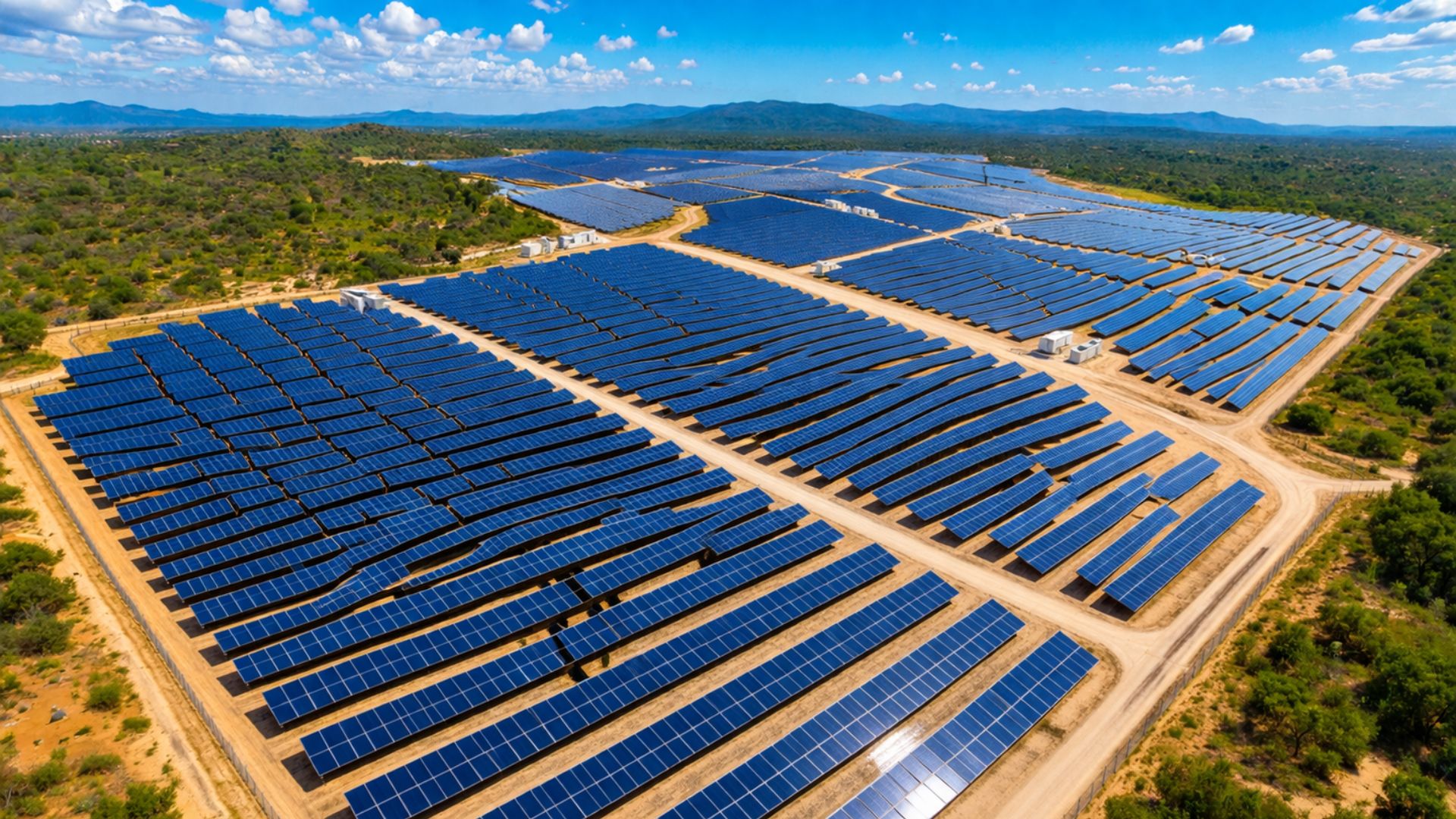
The Sol do Agreste Photovoltaic Complex begins operations in Pernambuco and accelerates the expansion of solar energy in Brazil, directly impacting the reduction of emissions and strengthening the sustainable energy matrix.
-
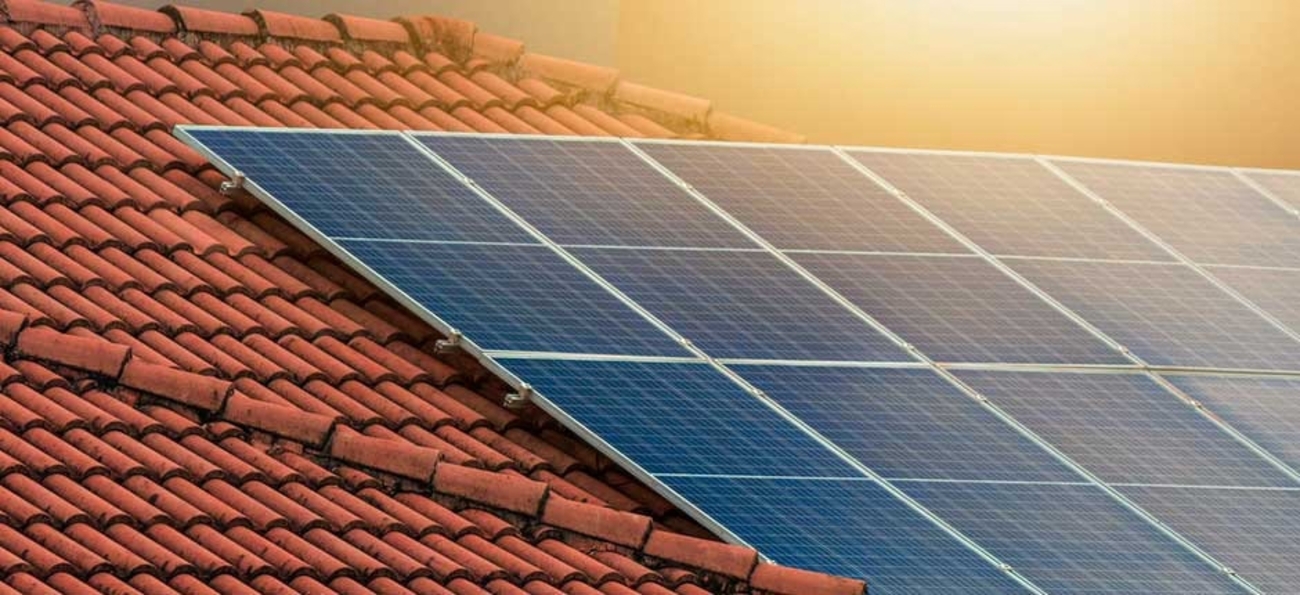
Roraima bets on the sun to escape high tariffs: Amid the energy crisis and price hikes, solar energy is growing in Roraima and transforming consumption in the North region.
-
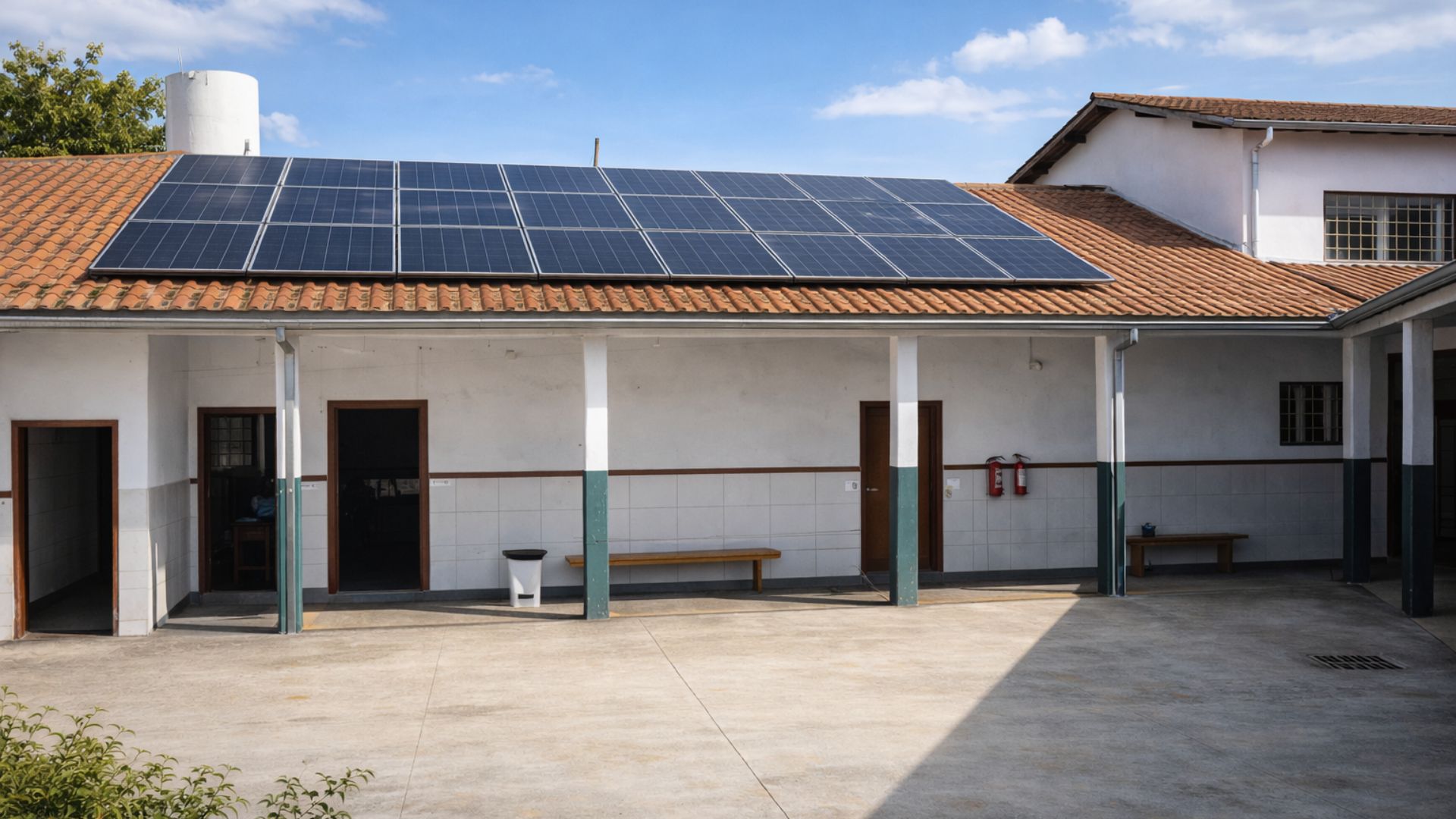
Copel boosts solar energy in Paraná and brings innovation to public schools, promoting savings on electricity bills, energy efficiency, and a direct impact on the quality of education.
-
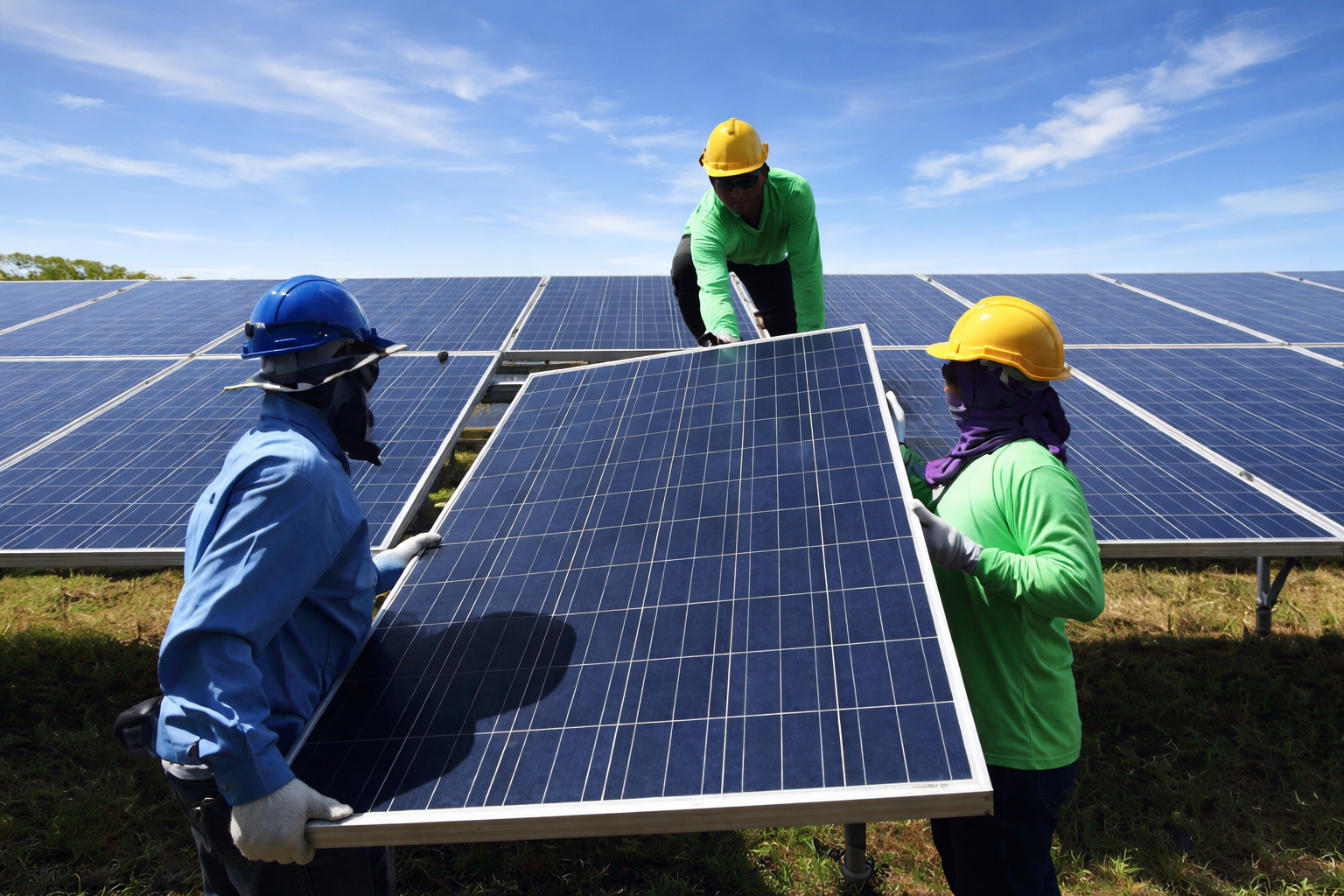
Brazil reaches historic milestone in solar energy: Sector surpasses 2 million accumulated green jobs and generates billions in the national economy even under market pressure.

The revised calculation considers:
- annual maintenance costs,
- annual component replacement costs,
- weighted methodology by distributor and installed technology,
- widespread decline in solar component and technical service prices.
With lower costs, the sector operates more efficiently, potentially reducing tariff pressure for consumers served by isolated systems. The revision aligns with international trends, showing a continuous reduction in the maintenance costs of solar plants due to the increased durability of equipment and technological advancements.
Methodological Update and Reasons for Aneel’s Decision
The Aneel justified the revision based on three central factors:
- Misalignment between current values and actual costs
The previous methodology applied correction based on the IPCA, without considering differences between maintenance and replacement costs. This generated significant discrepancies. - Consolidated data from distributors
After Public Consultation 36/2024, the agency gathered information on the actual expenses of concessionaires, confirming that O&M had consistently been decreasing. - Better representation of the national scenario
The weighted average by distributor allowed for a value more faithful to the operational reality.
The revision makes the model more transparent, predictable, and technically coherent.
This update also adheres to the principle of tariff moderation, provided for in the Electricity Sector Law, and reinforces Aneel’s responsibility in managing subsidies and sectorial charges.
Tariff Moderation and Effects on the CCC
The CCC, created to fund energy generation in isolated systems, plays a crucial role in providing electricity in regions without connection to the National Interconnected System. Thus, any revision in the reimbursement methodology directly affects the national budget of the sector.
With the new O&M reference:
- there is a reduction in the amount to be reimbursed, freeing resources for other purposes of the fund;
- there is less pressure on tariff adjustments, especially in distributors in the Legal Amazon;
- a more sustainable regulatory environment is created, allowing for a gradual increase in the participation of solar energy in isolated systems.
The measure strengthens the strategic nature of the CCC, making the use of resources more efficient without compromising the operation of plants.
Technical Context and Historical Background of the Regulatory Revision
The discussion about the O&M reference value for solar did not start in 2025. Since 2023, experts and sector agents have been warning about the need to update the calculation, which no longer reflected the evolution of photovoltaic component prices.
The opening of CP 36/2024 consolidated this concern and allowed:
- submission of contributions from solar sector associations,
- participation of installation companies,
- presentation of revised data by distributors.
The final proposal approved by Aneel took into account market behavior over the past years, which showed:
- increased average lifespan of inverters,
- decrease in the cost of specialized labor,
- greater resilience of solar modules in extreme conditions.
All these factors justified the reduction of the O&M reference value and made it more suitable for the current scenario.
Expansion of Isolated Solar Energy and Effects on the Market
Solar energy has been gaining ground in isolated systems, gradually replacing more expensive and polluting sources such as diesel fuel. The reduction of O&M reinforces this trend.
The main expected impacts are:
1. Stimulus for New Projects
With lower costs, it becomes more attractive for distributors and operators to expand the use of solar plants in remote areas. This accelerates the energy transition in locations where access to energy is still limited.
2. Reduction of Dependence on Fossil Fuels
Lower operating costs encourage the replacement of thermal generators, which have high costs and significant environmental impact.
3. Strengthening the Competitiveness of Solar Energy
With more balanced reimbursements, solar projects can compete with traditional alternatives, aligning Brazil with international standards.
This evolution strengthens a more economical and sustainable energy transition.
Regulatory Transparency and Information Quality
The revision demonstrates an important advancement of Aneel in how it conducts public consultations. The agency has adopted more transparent processes, including:
- disclosure of complete technical notes,
- opening of detailed cost data,
- comprehensive economic-financial analyses,
- participation of different actors in the electricity sector.
This more participatory regulatory model ensures greater legal security and predictability for investors — essential for expanding infrastructure in isolated systems.
Solar Energy Sector: Points of Attention for the Coming Years
Although the reduction of the O&M value is welcome, there are challenges that must be observed:
- access and logistics conditions in remote regions may keep costs high;
- some distributors face operational realities very different from the national average;
- the CCC fund operates with a limited budget and is subject to fluctuations in demand and the expansion of isolated systems;
- component replacements may vary significantly depending on the climate and intensity of use.
These factors indicate the need for periodic reviews to keep the O&M calculation always aligned with the reality of the sector.
Strategic Relevance for the Future of the Electric Sector
The update carried out in December 2025 represents more than a simple cost revision. It:
- defines new bases for the expansion of isolated solar energy,
- strengthens the commitment to efficiency in the use of subsidies,
- drives the energy transition in hard-to-reach regions,
- supports communities that rely on the CCC for quality energy.
The revision of the O&M value reinforces a sustainable path for the Brazilian electric sector and establishes more favorable conditions for the use of solar energy as a primary source in isolated areas.







Seja o primeiro a reagir!