





 English
  Francês
  Alemão
  Italiano
  Japonês
  Norueguês
  Portuguese
  Spanish
  5 min of reading
  0 comments


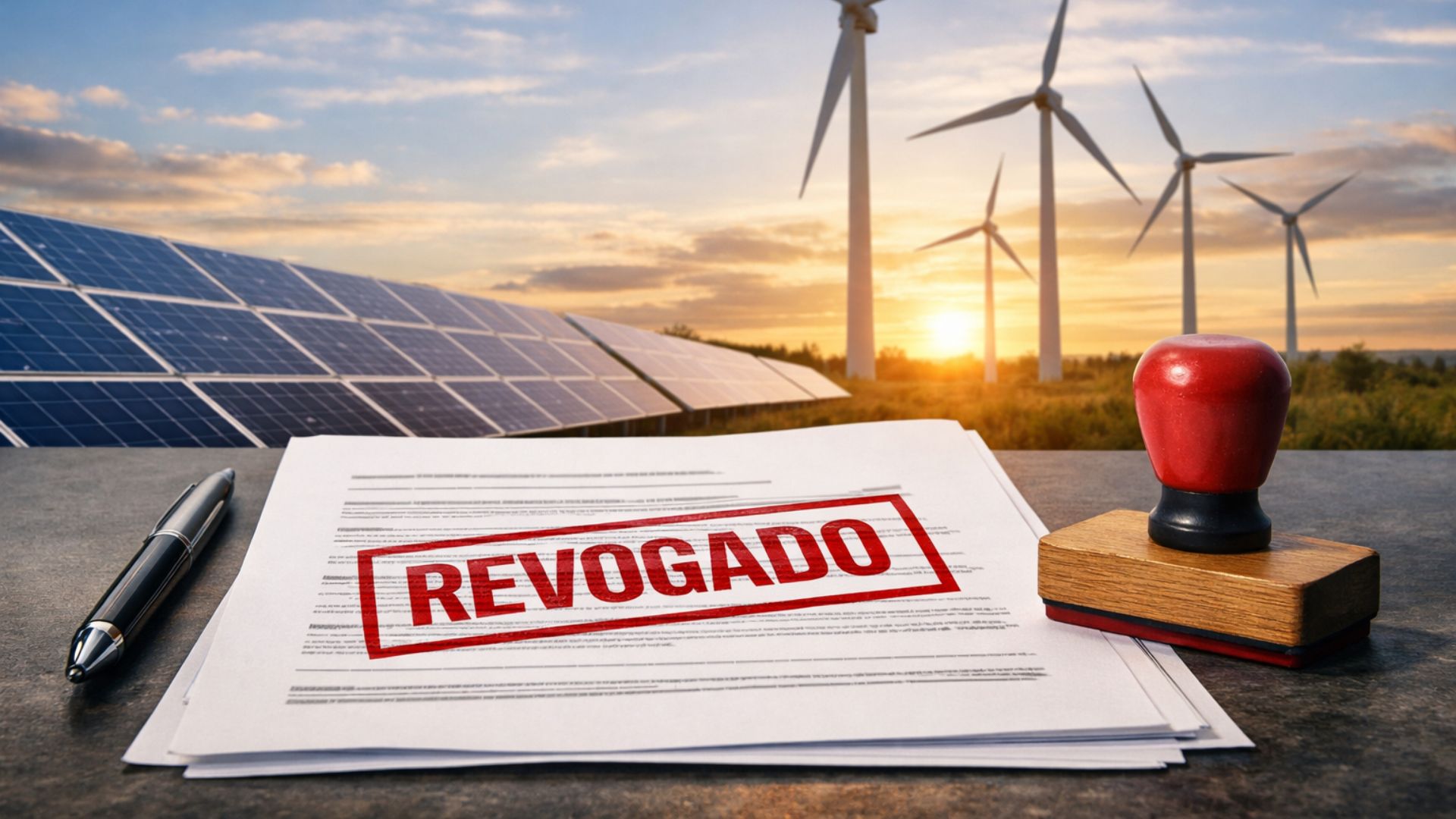
The National Electricity Agency (ANEEL) Revoked Dozens of Projects in 2025 After Finding Technical and Economic Viability. Understand the Impacts on Solar and Wind Energy Projects and on the Electric Market
In 2025, the National Electricity Agency (Aneel) revoked power generation concessions totaling approximately 22 GW of installed capacity, primarily involving solar and wind energy. The decision came after the identification of technical and economic unviability of the projects, as requested by the entrepreneurs themselves.
The measure, reported by MegaWhat this Tuesday (6), raised an important alert for investors, players in the electric sector, and policymakers, exposing economic and technical fragilities in the planning of renewable expansion in Brazil.
Aneel Revokes 22 GW of Projects in 2025 and Changes the Electric Sector Scenario
Right from the start, the central data draws attention: 509 concessions were revoked in 2025, a significant volume that repositions the debate on risks, predictability, and maturity of the solar and wind energy market. This is one of the largest portfolio revisions ever recorded in the national electric sector.
-
With 160,000 m² of collectors, an area larger than 20 football fields, Silkeborg, in Denmark, hosts a solar thermal plant that heats 19,500 homes and could become the largest solar heating plant in the world.

-
A study reveals the expansion of renewable energy procurement in Brazil and shows how companies are taking advantage of opportunities to reduce expenses, ensure energy efficiency, and strengthen strategic environmental commitments.

-
Mato Grosso do Sul excels in the sugar-energy sector: the state reaches a milestone of 22 operating mills and accelerates the production of clean energy in MS with a focus on sustainability.

-
National energy dilemma: Brazilians support clean energy but reject increases in tariff costs to finance the sustainable transition.
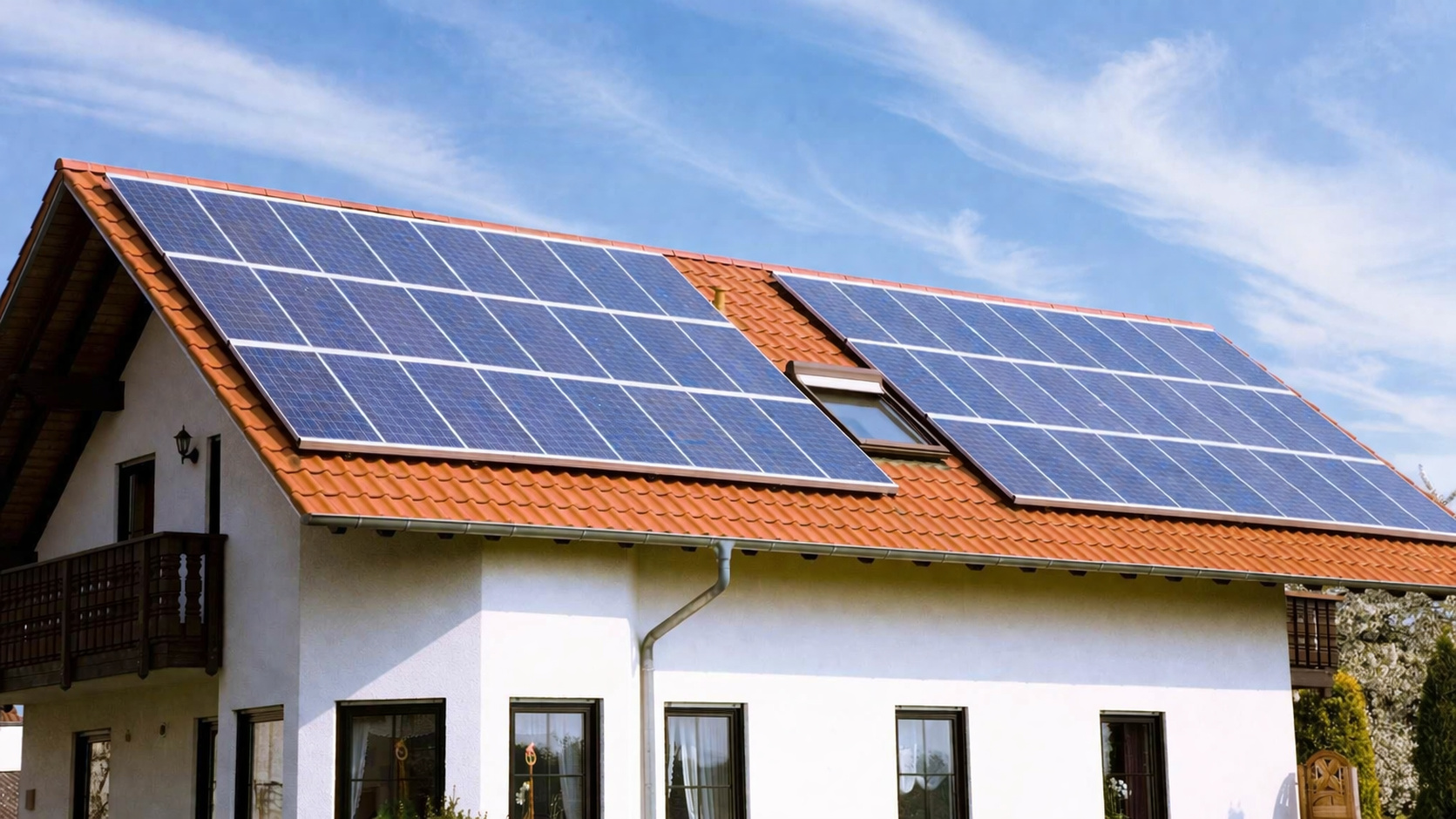

The Aneel, the body responsible for regulating and supervising the Brazilian electric sector, informed that the revocations occurred through ordinary requests for revocation of concessions, voluntarily submitted by the entrepreneurs.
In all cases, technical and economic unviability was identified, as well as financial difficulties that made the implementation of the projects unfeasible. The affected projects mainly include solar and wind energy plants, which have led the expansion of the Brazilian electrical matrix in recent years.
According to the agency, the revocation resulted not from penalties, but from a strategic decision by the agents themselves in light of a scenario that proved less favorable than expected at the time of granting. The move reflects a deep re-evaluation of the actual execution conditions of the projects.
Technical and Economic Unviability Explains the Withdrawal of Projects
The technical and economic unviability was the main argument presented by entrepreneurs in the revocation requests submitted to Aneel. According to official information and coverage by MegaWhat, several factors contributed to this diagnosis.
Among the main highlighted points are the lack of margin for the evacuation of generated energy, especially in regions where the transmission system already operates near its limit. Furthermore, uncertainties related to curtailment have increased, a situation where plants are forced to reduce output due to excess supply or operational limitations of the grid.
Another relevant factor, while not directly impacting, was the accelerated growth of micro and mini distributed generation (MMGD), which significantly altered the load and demand dynamics in the electrical system. This growth directly impacted the revenue projections of various solar and wind energy projects, making them less attractive from an economic standpoint.
Solar and Wind Energy Face New Structural Challenges
Although they continue to be pillars of the energy transition, solar and wind energy began to face more complex challenges in 2025. The volume of revoked projects evidences that the technical potential of renewable sources alone does not guarantee viability.
The increase in financial costs, the rise in interest rates in recent years, and pressure on supply chains also weighed on the entrepreneurs’ decisions.
In many cases, the projects remained technically feasible but economically unsustainable given the new market conditions. This scenario requires greater rigor during the planning phase, with more in-depth studies on connection, evacuation, and financial return.
Law No. 15.269/2025 and the Role of Aneel in the Revocation of Projects
A significant portion of the revocations occurred in the context of Law No. 15.269 of 2025, originated from Provisional Measure No. 1,304. The regulation established a specific mechanism to allow the revocation of concessions without penalties, provided certain criteria were met.
According to Aneel, 158 projects, totaling about 6 GW of installed capacity, requested revocation based on this legislation. The legal provision stipulated that projects that had extended deadlines to qualify for the discount for the incentivized source would have 30 days to request revocation, provided that the Transmission System Usage Contract (CUST) had not been signed.
The aim was to provide legal security to projects whose implementation was already proving unfeasible, especially in the solar and wind energy segment.
Projects That Missed the Deadline and Regulatory Risks
Despite the possibility provided by law, 348 projects, totaling 13.6 GW, met the criteria to request revocation. However, 190 projects, totaling 7.5 GW, did not submit a request within the deadline, which ended on December 26, 2025. These projects were subject to the general rules of legislation, which provided for the possibility of execution of financial guarantees.
Nevertheless, Aneel clarified in mid-December that the concessions would be revoked without penalties, as long as the obligations assumed were fulfilled until the formalization of the revocation. This stance reduced the risk of judicialization and brought greater predictability to the sector.
Financial Guarantees and the Economic Impact of the Revocations
One of the most sensitive aspects of the process involved the financial guarantees associated with the projects. According to official data from Aneel, the 158 projects that requested revocation within the timeframe represented guarantees of around R$ 1 billion.
On the other hand, the projects that did not submit requests within the stipulated period totaled about R$ 1.42 billion in guarantees. Initially, the legislation provided that these amounts could be executed.
However, the regulatory agency chose not to apply this penalty, as long as contractual conditions were being respected. The decision helped preserve the financial stability of the sector, especially at a time of portfolio adjustments and re-evaluation.
Aneel, Projects, and the Reflections on the Investment Market
The actions of Aneel throughout 2025 sent a clear signal to the market: projects must be technically viable, economically sustainable, and regulatory consistent. For investors, the revocation of 22 GW does not represent a setback for renewables, but a process of natural purification.
The episode reinforces the need for more realistic analyses, especially for solar and wind energy projects in regions with transmission constraints. It also highlights the importance of aligning return expectations with the actual conditions of the electric system. The market tends to become more selective, prioritizing enterprises with a higher degree of maturity and lower exposure to structural risks.
Despite the initial impact, sector analyses show that the removal of unviable projects can generate positive effects in the medium and long term. The release of regulatory and technical space is likely to benefit new, better-structured enterprises.
The experience of 2025 is expected to directly influence how new solar and wind energy projects will be conceived, with greater attention to evacuation infrastructure, transmission contracts, and demand projections.








-

Uma pessoa reagiu a isso.