





 Portuguese
  English
  Spanish
  3 min of reading


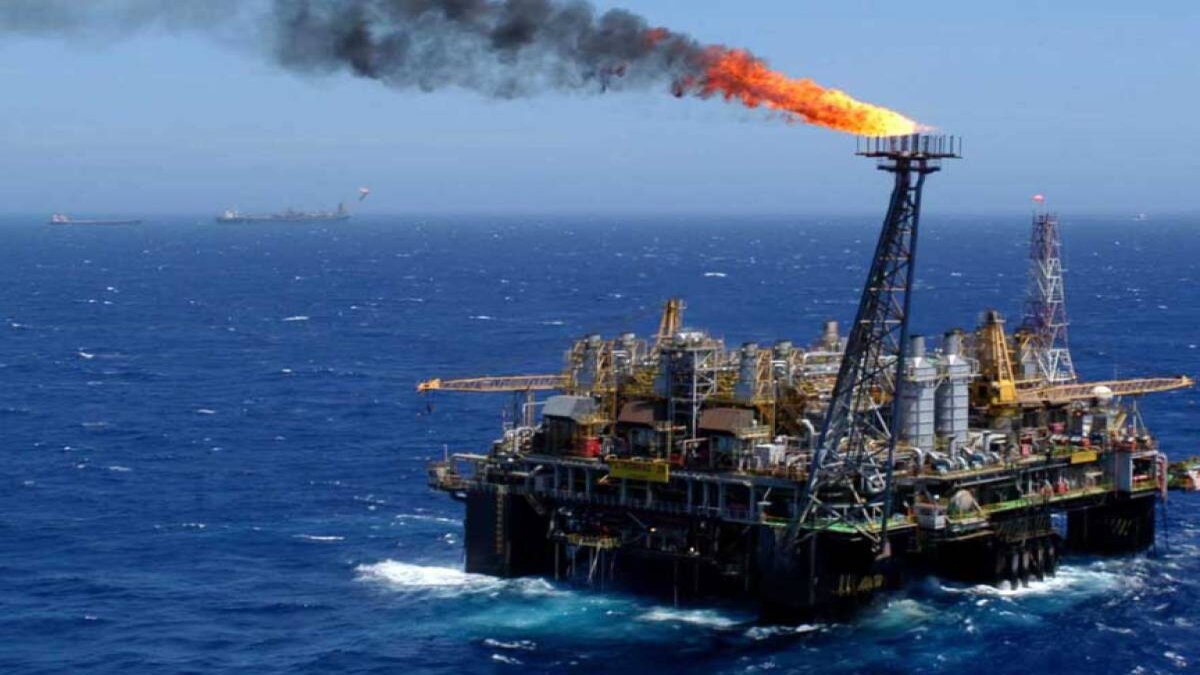
After the changes in the classification of marginal fields in the national territory in May of this year, ANP has just approved the first stage of the framing to stimulate the production of oil and natural gas in these areas.
The National Oil Agency (ANP) announced last Friday (08/05) the approval of the results of the first analysis of the framing of oil and natural gas fields that present economic viability or marginal production. Thus, 302 areas were classified as marginal fields in Brazil after the new classification regulation announced in May of this year, and the agency seeks to encourage oil and natural gas production in these areas to make use of the exploratory potential.
Research by the National Oil Agency Confirms That There Are 302 Marginal Oil and Natural Gas Fields in Brazil and Seeks to Draw Attention to Production in These Locations
ANP recently announced the approval of the first stage of the research and classification processes of Brazilian oil and gas fields with marginal production or economic viability and achieved good results initially.
This is because the agency’s data confirmed that there are a total of 302 marginal oil and natural gas fields in the national territory, which can be used for the future production of fuels by oil companies.
-
Offshore industrial demand in Macaé skyrockets with the recovery of oil and gas and could grow by up to 396% by 2026 in the Campos Basin.
-
Offshore industrial demand in Macaé surges with the recovery of oil and gas and could grow by up to 396% by 2026 in the Campos Basin.
-
Brazilian giant expands borders in the Southeast: Petrobras confirms new oil discovery in ultra-deep waters in the pre-salt of the Campos Basin.

-
Alert in the global energy market: Severe tropical cyclone hits the coast and disrupts gas production at major plants in Australia, threatening global supply.


The agency’s research showed that most oil and natural gas fields in Brazil are in situations of economic viability or marginal production, as of the 433 existing fields in the country, 302 are marginal fields.
Regarding the onshore oil and natural gas production segment, the percentages are even higher, as 79% of the fields were classified as marginal and represent 15% of the terrestrial production in 2022, ensuring a strong presence in the Brazilian oil and gas segment.
The ANP data will be essential for stimulating the production of oil and natural gas in Brazilian marginal fields by the agency, a key theme on the regulatory agenda for the 2022-2023 biennium.
According to the agency, the first stage of the research was conducted over a total of 90 days, starting from May 15, the date of publication of the new regulation. “The agency is also launching a dynamic consultation page to disclose the list of fields classified as marginal. It is possible to filter information by operator, basin, and environment,” added ANP.
Check What Marginal Fields Are and How ANP’s New Classification Will Contribute to the Framing of These Areas
Marginal fields, according to ANP’s determination, are those that have contracts arising from specific bidding for inactive areas with marginal accumulations or where development and production activities present economic viability or marginal production.
A marginal accumulation, in turn, is that accumulation of oil or natural gas in production fields that do not appear in reserves in the Annual Bulletin of Resources and Reserves (BAR).
Thus, ANP’s new classification of marginal fields began to take effect after May, when a new resolution was published. The main change in the new resolution was the elimination of the use of production criteria per well and the initiation of classification based on the total production of the field, allowing the agency to consider the exploration of fuels in the total area, which enabled greater production potential.
Thus, the framing of marginal fields in this classification will ensure the possibility of new tax incentives aimed at production in these areas, such as the reduction of royalty rates, ensuring an expansion in the offshore and onshore sectors in Brazil, the main objective of ANP with the research and the new resolution.










Seja o primeiro a reagir!