





 English
  Francês
  Alemão
  Italiano
  Japonês
  Norueguês
  Portuguese
  Spanish
  3 min of reading


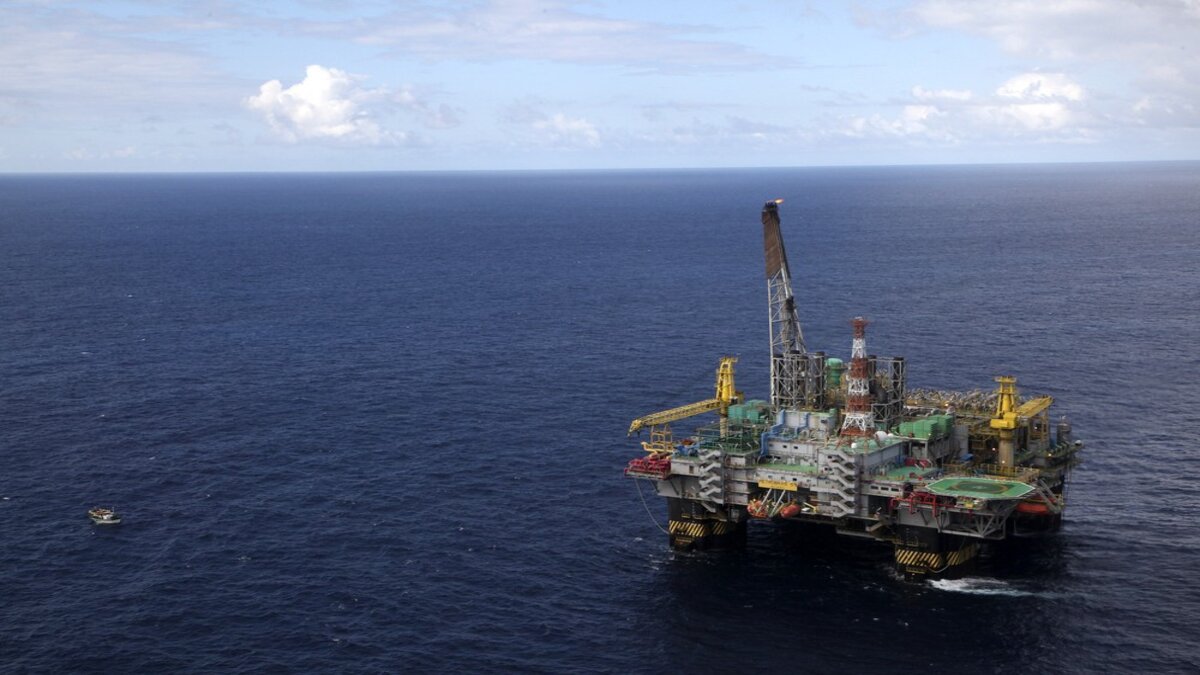
With the New Resolutions from ANP Regarding the Classification of Oil and Natural Gas Fields as Marginal and Productive in Brazil, the Agency Aims to Include New Areas for the Exploration and Utilization of These Fuels in the Coming Years
The National Agency of Petroleum (ANP) announced last Thursday (05/12) the new resolutions for the classification of Brazilian fields as marginal, considering new criteria for bidding and morphology. In this way, the agency intends to encompass even more areas for future incentives in the production of oil and natural gas, such as reducing rates to enhance the exploration of these fuels even further within the national territory.
The #ANP approved a resolution on the definition and classification of fields and accumulations of #oil and #naturalgas that present economic viability or marginal production.
➡️ Check on the website how it impacts the discussion of other topics: https://t.co/3sVgjZIteF pic.twitter.com/dlUHu50Uk8
ARTICLE CONTINUES BELOWSee also
Brazilian giant expands borders in the Southeast: Petrobras confirms new oil discovery in ultra-deep waters in the pre-salt of the Campos Basin.

Alert in the global energy market: Severe tropical cyclone hits the coast and disrupts gas production at major plants in Australia, threatening global supply.

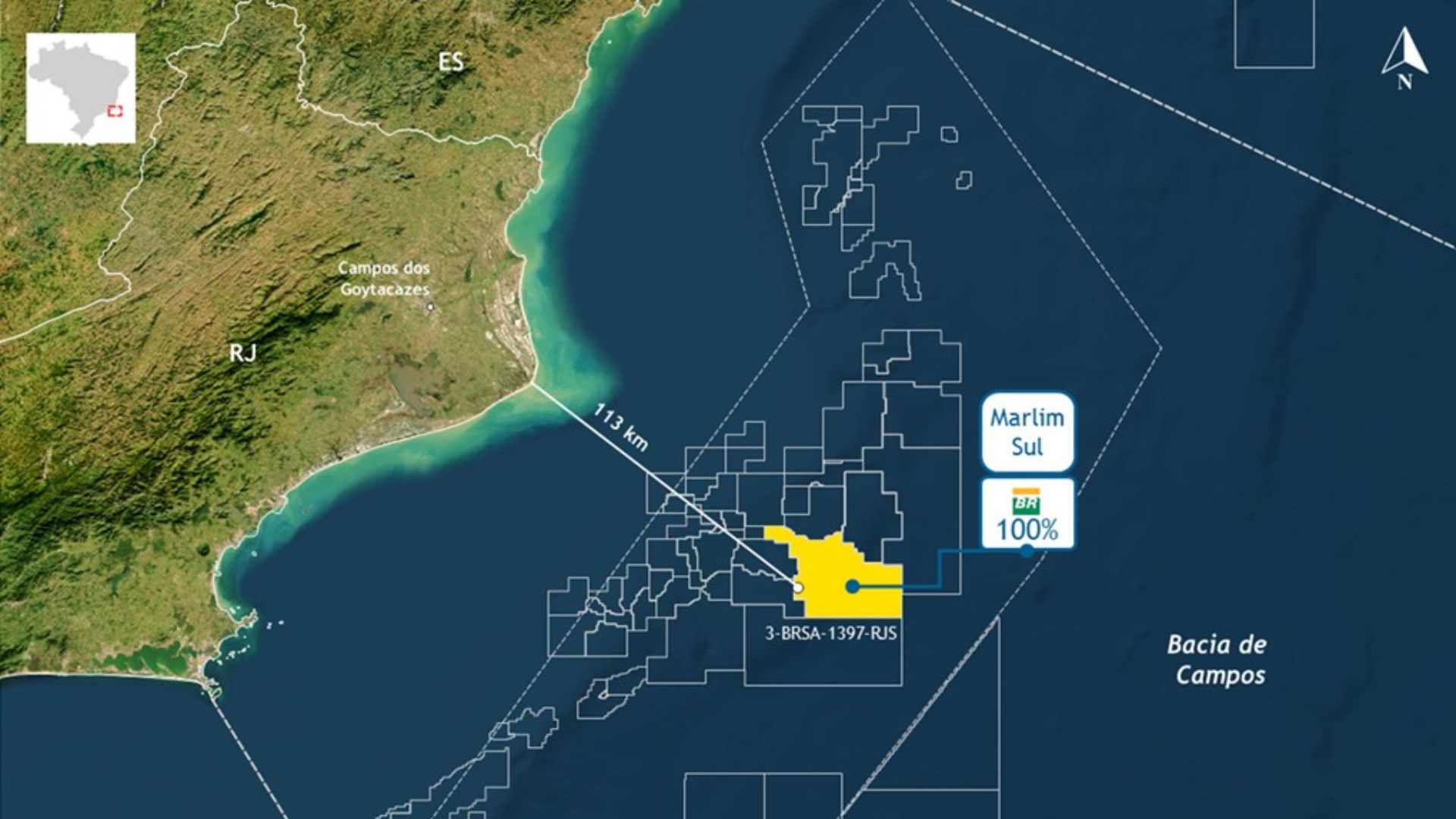
Petrobras finds high-quality oil in the pre-salt at 113 km from RJ and reignites expectations about strategic reserves in the Campos Basin.

Ocyan opens registrations for startups focused on innovation in the oil and gas sector and will select projects for Innovation Day with the support of Nexio.

— ANP (@ANPgovbr) May 13, 2022
New Resolutions from ANP Change the Classification Criteria for Oil and Natural Gas Production and Exploration Fields as Marginal or Not in Brazil
The oil and natural gas industry, especially the offshore branch of the sector, had been waiting for years for ANP’s new resolution on Brazilian fields and their classifications, but only now did the agency approve the new resolution. Thus, the agency aims to bring new criteria to classify these areas as marginal or not and enhance the separation of fields for the production and exploration of these resources in the future.
This regulation has been necessary for several years, as the new rule was a prerequisite for advancing other topics on the regulatory agenda for the 2022-2023 biennium, such as the incentive for the production of fuels in Brazil. Now, with the new criteria taken into account, ANP stated that the number of fields that may be eligible for economic viability or marginal production will represent 28%, focusing primarily on the pre-salt areas in Brazil.

In addition, in its released report, ANP highlighted the new classification and specified: “The new rules define a marginal field as one whose contract arises from a specific bidding for inactive areas with marginal accumulations or in which development and production activities present economic viability or marginal production. A marginal accumulation is the accumulation of oil or natural gas located in a field area that is in the production phase, which does not present reserves in the Annual Resource and Reserve Bulletin (BAR), whose development and operation present marginal economic viability, under terms to be defined by the proposed resolution.”
Classification Criteria for Brazilian Oil and Natural Gas Fields as Marginal Are Now Changed and Consider Total Production of the Area
Within the new classification of Brazilian oil and natural gas fields as marginal, ANP determined a series of changes in the evaluation criteria. Among them, the main one is that the criterion of production per well is no longer used, but rather the total production of the field. This way, the agency is able to take the overall exploration of the fuels into account, thus guaranteeing greater potential for future production in these fields.
Moreover, with regard to marginal accumulations in these fields, classification will now occur not only in the exploration phase of oil and natural gas but also in the actual production phase. Finally, ANP defined the following evaluation criteria for the fields: the production criteria to be used for classification in this type, the production background used for classification, the inclusion of the exploration phase in classification, and the existence of CO2 within the marginal accumulations of the field.
Now, with the new resolution from ANP, even more oil and natural gas fields are expected to be classified as marginal and may be eligible in the future for a number of benefits from incentive policies, such as the reduction of royalty rates, ensuring an expansion in the offshore and onshore sectors in Brazil.









Seja o primeiro a reagir!