





 Portuguese
  English
  Spanish
  3 min of reading
  0 comments


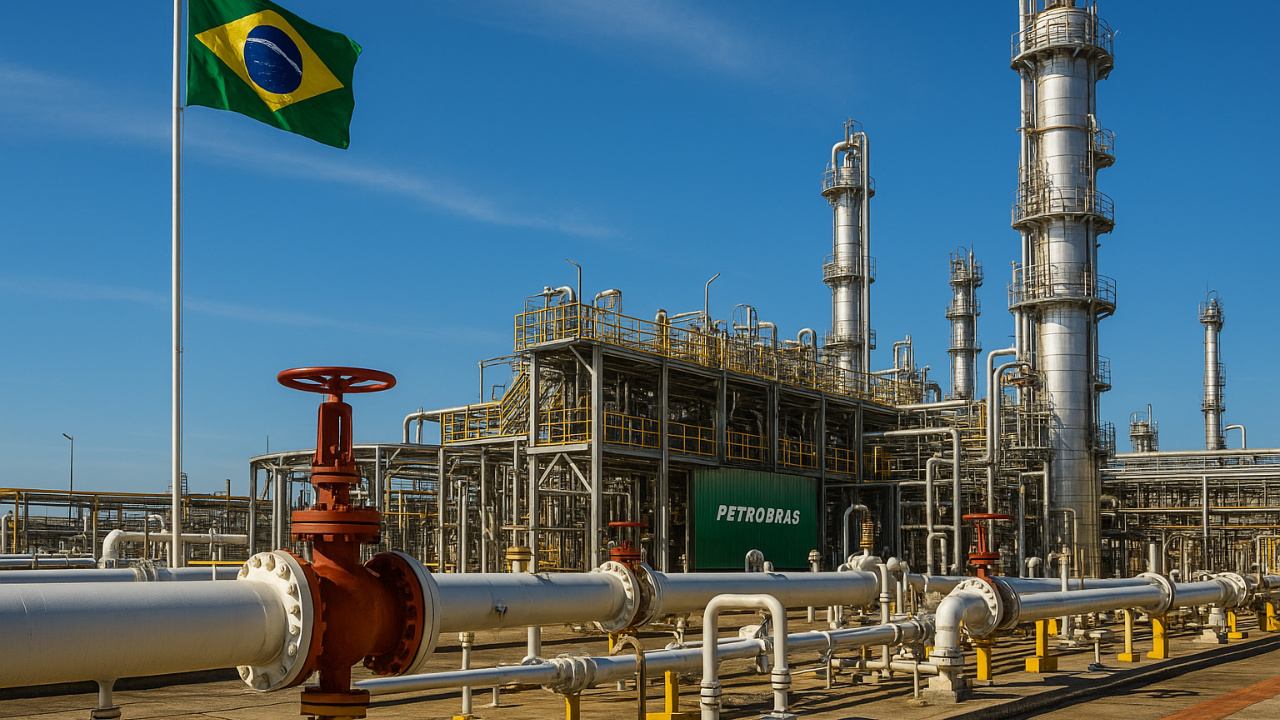
Petrobras Receives Authorization from ANP to Import Argentine Gas Without Intermediaries and Expands Gas Supply in Brazil.
Petrobras received, on this Thursday (11/26), the official authorization from the National Agency of Petroleum, Natural Gas and Biofuels (ANP) to import natural gas produced in Argentina without the need for intermediaries.
The release, published in the Official Gazette, allows the state-owned company to bring the fuel directly via Corumbá (MS), strengthening national supply and expanding supply routes.
The measure meets Brazil’s growing demand for alternative supply sources, reinforcing energy integration with the neighboring country and explaining why the topic gains relevance for consumers and the natural gas sector.
-
Brazilian giant expands borders in the Southeast: Petrobras confirms new oil discovery in ultra-deep waters in the pre-salt of the Campos Basin.

-
Alert in the global energy market: Severe tropical cyclone hits the coast and disrupts gas production at major plants in Australia, threatening global supply.

-
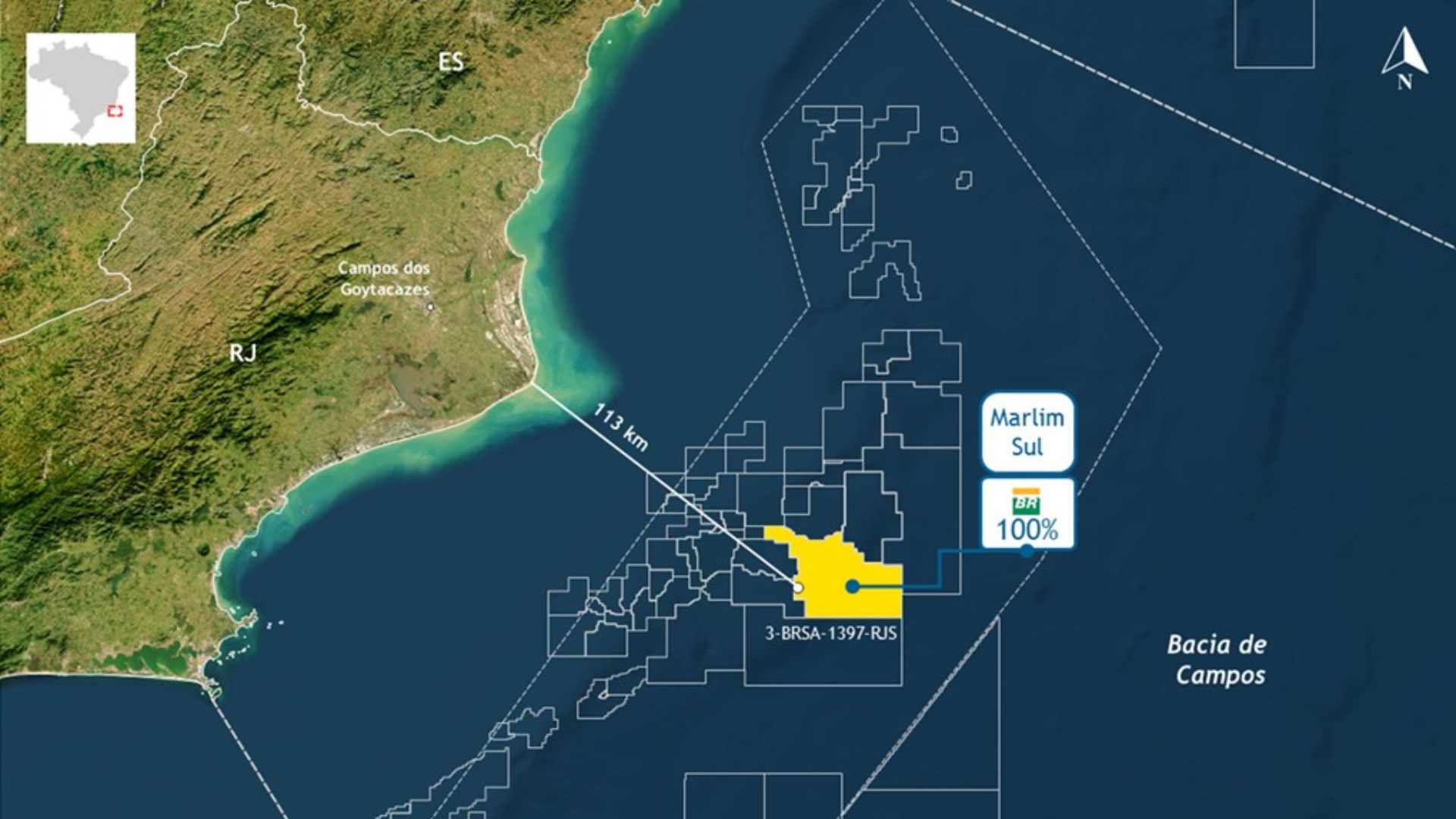
Petrobras finds high-quality oil in the pre-salt at 113 km from RJ and reignites expectations about strategic reserves in the Campos Basin.

-
Ocyan opens registrations for startups focused on innovation in the oil and gas sector and will select projects for Innovation Day with the support of Nexio.


New Authorization Strengthens Petrobras’ Strategy
With the decision, Petrobras receives authorization from ANP to import Argentine gas without intermediaries, which represents a significant change in the traditional model of importation.
Until now, the state had relied on operations structured by private partners to internalize the fuel.
The company itself highlighted that “the current authorization adds an alternative, allowing Petrobras to directly import gas produced by its subsidiary POSA [Petrobras Operaciones] in Argentina.
Thus, the measure expands the company’s operational possibilities in importing Argentine gas,” it stated in response to the Eixos agency.
First Test Opened the Way for Direct Integration
In October, Petrobras had already conducted a test for importing unconventional gas from Vaca Muerta, one of Argentina’s largest reserves.
However, at that stage, the operation was made possible through a partnership with Pluspetrol, which meant the product was only acquired after its internalization in Brazil.
Authorized Volume and Entry Route: Where Gas Will Arrive in Brazil
The document published by ANP authorizes the import of up to 180 million cubic meters per year, entering through the municipality of Corumbá (MS), a point connected to the Bolivia-Brazil Pipeline (Gasbol), managed by TBG.
This route is currently the only practical connection between Argentina and Brazil capable of serving the main consumer centers in Brazilian territory.
Therefore, the authorization is seen as a milestone to accelerate new supply solutions.
Petrobras Already Produces Gas in Argentina
The state-owned company operates in the neighboring country through its subsidiary Petrobras Operaciones, which holds 33.6% of the Rio Neuquén field, in the Neuquén Basin, operated by the Argentine YPF.
Production primarily occurs in unconventional gas formations (tight gas), such as Punta Rosada and Lajas.
Plan Gas.Ar Boosts Exports Starting in January
Thus, the expectation is that imports will grow starting in January, when the new minimum export prices established by the Argentine Plan for Promoting Natural Gas Production (Plan Gas.Ar) come into effect.
The mechanism sets guarantees and minimum volumes to stimulate gas production in the country.
So, the prospect of greater integration is already mobilizing nine Argentine producers, who received approval from the local government to export gas to Brazil.
Among the authorized agents are:
Oilstone Energía (with MGás);
Pampa Energía (with Eneva and Tradener);
Pan American Energy – PAE (with Comgás, PAE do Brasil and Tradener);
Petrobras (with Petrobras and Gas Bridge);
Pluspetrol (with Gas Bridge);
Tecpetrol (with Edge, Eneva, MGás and Tradener);
TotalEnergies (with MTX, Eneva, Total Energies EP Brasil, Edge and MGás);
Vista Energy (with Cinergia);
YPF (with PAE do Brasil, MGás and Tradener).
Energy Integration Advances and Strengthens Supply Security
Thus, at the same time as Petrobras receives authorization from ANP to import Argentine gas without intermediaries
The move strengthens both Brazilian energy security and the development of the Argentine industry.
With new routes, more suppliers, and greater flexibility, Brazil gains a strategic alternative to face periods of higher demand, diversify its matrix, and reduce risks associated with logistical bottlenecks or limitations of internal production.









Seja o primeiro a reagir!