





 Portuguese
  English
  Spanish
 6 min of reading
  0 comments


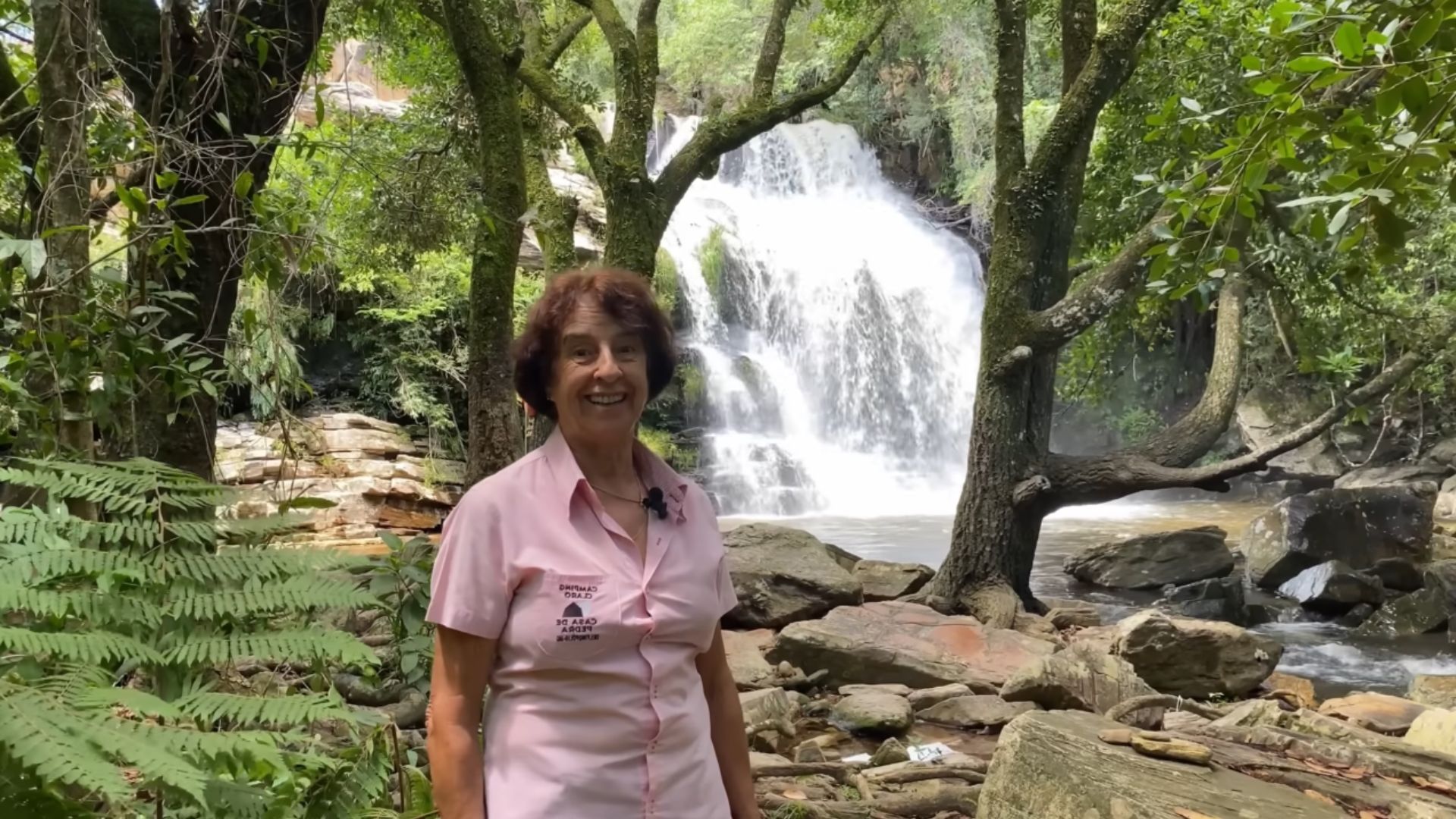
Complexo do Claro Unites Tourism, Environmental Preservation and Easily Accessible Waterfalls in the Heart of Serra da Canastra, Attracting Families, Seniors and Visitors in Search of Real Contact with Nature
Located just 7 kilometers from the urban area of Delfinópolis, in the southwest of Minas Gerais, the Complexo do Claro has established itself as one of the most successful examples of sustainable tourism in the Serra da Canastra region. The space brings together five natural waterfalls, easily accessible trails, a guesthouse, camping, rustic chalets, and complete infrastructure, all set in an area that once operated as a farm and is now a reference in environmental preservation.
The information was released in a report and technical visit conducted on-site, with accounts from the owner Dorinha and guided by local tour guides, who detail how tourism was adopted as a strategy to protect the riparian forest, the cerrado, and the water resources that supply the city of Delfinópolis itself.
From the beginning of the visit, the scenery is impressive. Right at the entrance of the complex, visitors encounter well-maintained trails, wooded areas, and a quiet environment, interrupted only by the sound of flowing water and birds. Despite the wild appearance, access is simple, allowing children, seniors, and people without advanced physical preparation to safely experience the main attractions.
-
Where there was only sand and wind at 40 degrees, China built a megacity of 500,000 inhabitants with farms, wineries, and universities in the middle of the desert using melted glacier water from hundreds of kilometers away.

-
Theories about UFOs have resurfaced strongly after an aerospace scientist and a general linked to the Roswell case mysteriously disappeared in the United States within a few months, and even the FBI was called in to investigate.

-
Neither in the refrigerator nor in the fruit bowl: this is the correct way to store lemon.

-
It has only 11 thousand residents: Brazilian Tuscany impresses everyone with mountains of 1,900 meters and wide views of valleys.
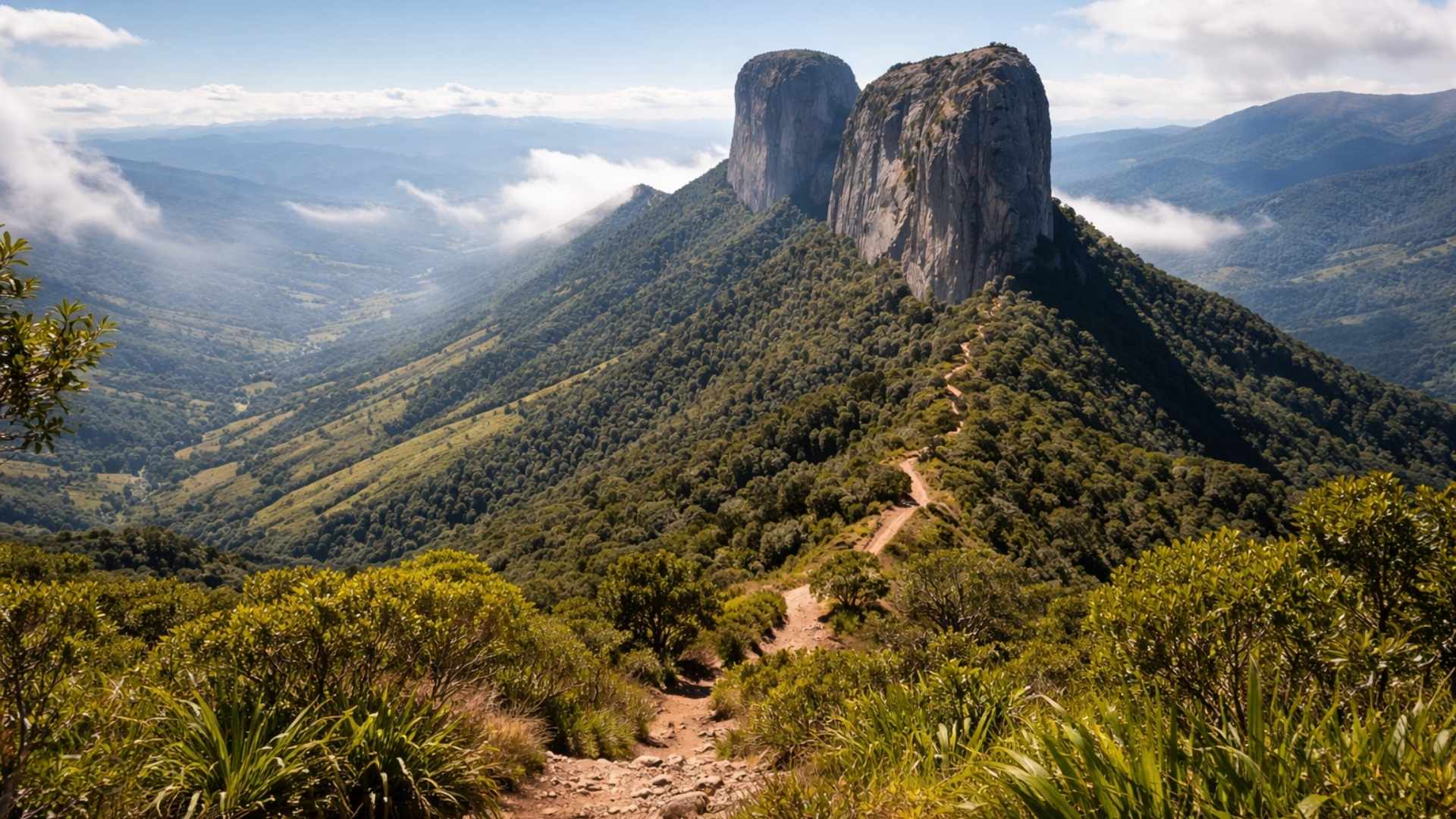

Five Waterfalls, Short Trails, and Gravity-Feed Water Supply for the City

One of the big differentiators of the Complexo do Claro is the concentration of waterfalls in a compact space, all with relatively close access to the entrance and the guesthouse. In total, there are five waterfalls, each with its own characteristics and different levels of water flow.
The first one, the Cachoeira do Tombo, is about 350 meters from the entrance, making it one of the most accessible in the complex. Next comes the Cachoeira da Paz, considered one of the most visited. With approximately 6 meters in height, according to the owners’ estimates, it received its name for the sense of tranquility it provides to visitors, surrounded by thick vegetation and constant shade.
To facilitate access without harming the environment, stairs and adapted trails were installed, with minimal removal of stones and without using aggressive structures to the terrain. This concern is reflected throughout the complex, where each intervention was planned to reduce environmental impacts.
During the trail, a technical detail stands out: the water supply that serves Delfinópolis originates within the complex area. The water is conducted entirely by gravity, with no need for pumping, starting from the higher parts of the mountain all the way to the city, in a system that has been in place for decades and is still maintained today.
Continuing along the path, visitors reach the Cachoeira da Gruta, considered the highest in the complex. It features multiple cascades, with a significantly larger volume of water. The name comes from a natural formation hidden behind a waterfall curtain, where there is a kind of cave with sand, forming a small natural “beach” accessible by crossing the main waterfall.
For safety reasons, all waterfalls are equipped with buoys tethered by ropes, available for emergency use in case of drowning or accidents, an additional precaution that reinforces the commitment to providing a safe experience for visitors.
From Abandoned Farm to a Model of Environmental Preservation in Tourism of Canastra

Before becoming a tourist complex, the area functioned as a traditional farm, managed by the father of the current owner. However, over the years, with the reduced presence of residents, the region began to suffer from disorderly influx of visitors, improvised camping, and degradation of the riparian forest along the riverbanks.
In light of this scenario, the family decided to completely change the direction of the property. The first step was the creation of a structured camping site about 20 years ago, precisely to move people away from the riverbank and concentrate use in controlled areas. As a result, the vegetation began to recover naturally.
According to reports, after organizing the camping site and restricting access to sensitive areas, the riparian forest began to grow back, the cerrado regenerated, and the environment began to closely resemble the original conditions of the region, now considered well-preserved.
With the success of the camping, came the chalets, and later the guesthouse, expanding accommodation capacity and diversifying the audience served. The goal, from the outset, was not just to exploit tourism but to use the activity as a tool for environmental conservation, keeping the area protected and financially viable.
Complete Structure: Camping, Chalets, Guesthouse, Restaurant and Alternative Leisure

In addition to the waterfalls, the Complexo do Claro offers robust infrastructure for different visitor profiles. The camping area includes male and female restrooms, hot showers, scattered electrical outlets throughout the grounds, space for tents and basic facilities to accommodate even motorhomes, though without specific installations for this type of vehicle.
One of the highlights of the camping is the stone house where the restrooms are located, built by the owners themselves with materials compatible with the environment, preserving the rustic identity of the location.
For those seeking more comfort, the chalets accommodate up to eight people, equipped with a kitchen, refrigerator, barbecue grill, and rooms integrated with the forest. The chalets are interconnected, built from masonry with simple and functional finishing, designed for family groups.
The guesthouse features spacious rooms with high ceilings, wooden finishes, private bathrooms, fans, televisions, and direct views of the forest. Due to the altitude and vegetation, the climate is naturally cool, reducing the need for air conditioning, especially at night.
The complex also offers a restaurant and snack bar, operating on Saturdays, Sundays, and holidays, serving meals for both guests and external visitors. For those who do not wish to go to the waterfalls, there is also a swimming pool, integrated into the leisure area of the camping and guesthouse.
Nature Tourism Grows in Delfinópolis and Reinforces the Calling of Serra da Canastra
The experience at the Complexo do Claro reflects an increasingly strong trend in Delfinópolis and throughout Serra da Canastra: the growth of nature, ecological, and low-impact tourism. The combination of waterfalls, short trails, organized structure, and environmental concern has attracted visitors from various regions of Brazil.
Local tour guides emphasize that the complex is frequently included in itineraries through Canastra, precisely because it brings together various attractions in a single space and offers safety and comfort without losing direct contact with nature.
Even after a full day of hiking, climbing over rocks, and walking through the forest, visitors report a feeling of satisfaction. The physical effort is moderate, but rewarded by the landscape, the sound of the waterfalls, and the feeling of being in a preserved environment, away from the fast pace of the cities.
At the end of the visit, it is clear that Complexo do Claro is not just a tourist spot, but an example of how tourism can be allied with environmental conservation, ensuring income, preservation, and responsible access to one of Brazil’s richest biomes.




-

-

-

-

-

-

68 pessoas reagiram a isso.