





 English
  Francês
  Alemão
  Italiano
  Japonês
  Norueguês
  Portuguese
  Spanish
  3 min of reading


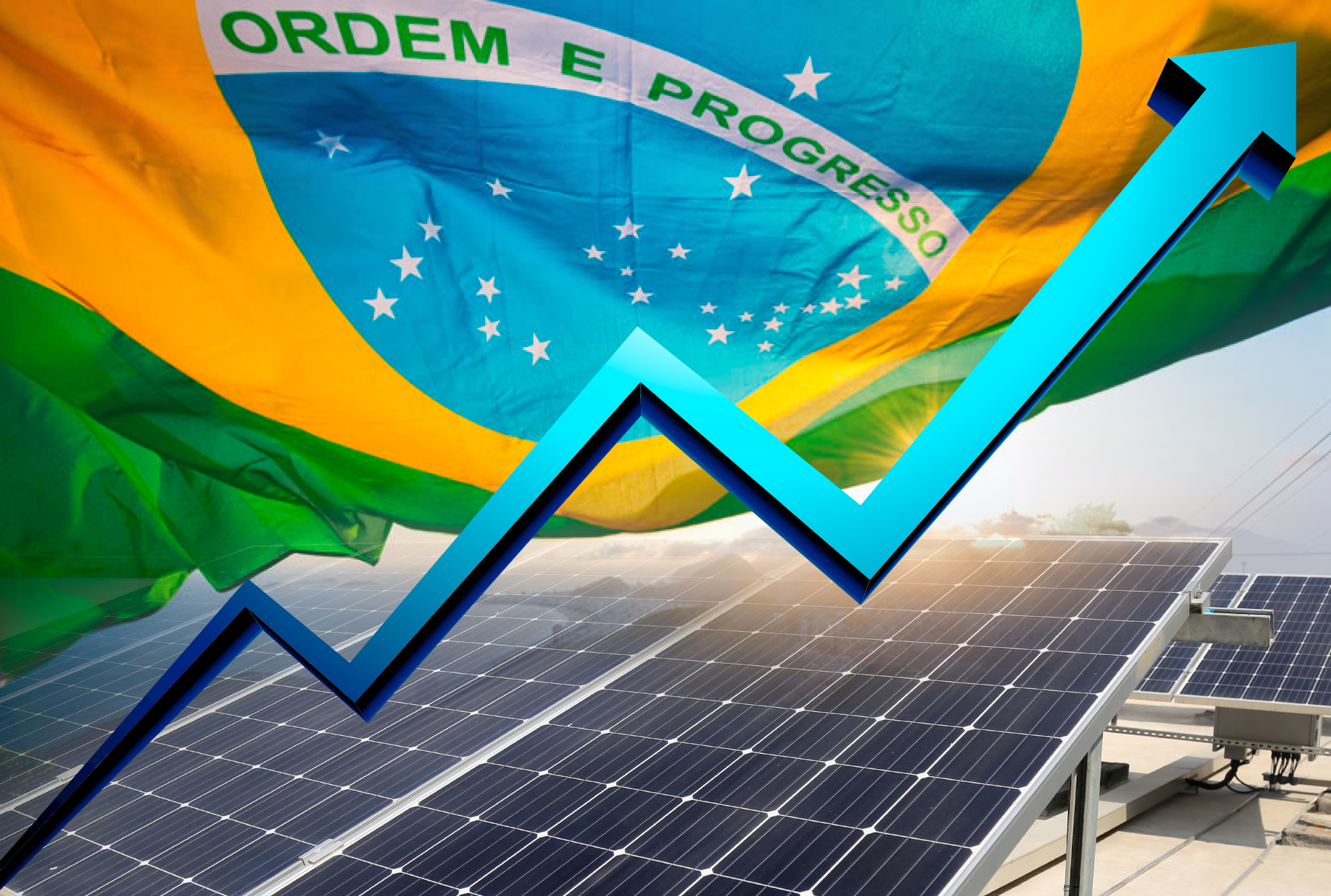
The Solar Energy Scenario in Brazil Has Changed Significantly in the Last Decade Even Amid the Pandemic and Continues to Attract Large Companies.
With a solid track record in renewable energy development, Brazil is currently one of the fastest-growing solar energy markets in the world even amid the pandemic, attracting interest from various foreign investors, multilateral development banks, energy companies, and equipment manufacturers. Moreover, the size of the Brazilian market positions the country not only as a leader in the Latin America region but also as a potential supply hub for neighboring countries.
Read Also
What Led Brazil to Invest in Solar Energy Amid the Pandemic?
After a severe drought in 2001 that reduced water flow to the country’s hydroelectric reservoirs, caused regular energy shortages, and led to unprecedented electricity rationing nationwide, the government began to aggressively support biomass and wind as alternatives to the country’s historical heavy reliance on hydropower, creating a federal incentive program and a robust bidding system for public tenders.
Moreover, the growth of hydropower is increasingly blocked by environmental and social issues not only due to the pandemic, and in recent years, developers and investors have been forced to overcome many project development obstacles as well as public and administrative challenges to allow for issuance.
-
With 160,000 m² of collectors, an area larger than 20 football fields, Silkeborg, in Denmark, hosts a solar thermal plant that heats 19,500 homes and could become the largest solar heating plant in the world.

-
A study reveals the expansion of renewable energy procurement in Brazil and shows how companies are taking advantage of opportunities to reduce expenses, ensure energy efficiency, and strengthen strategic environmental commitments.

-
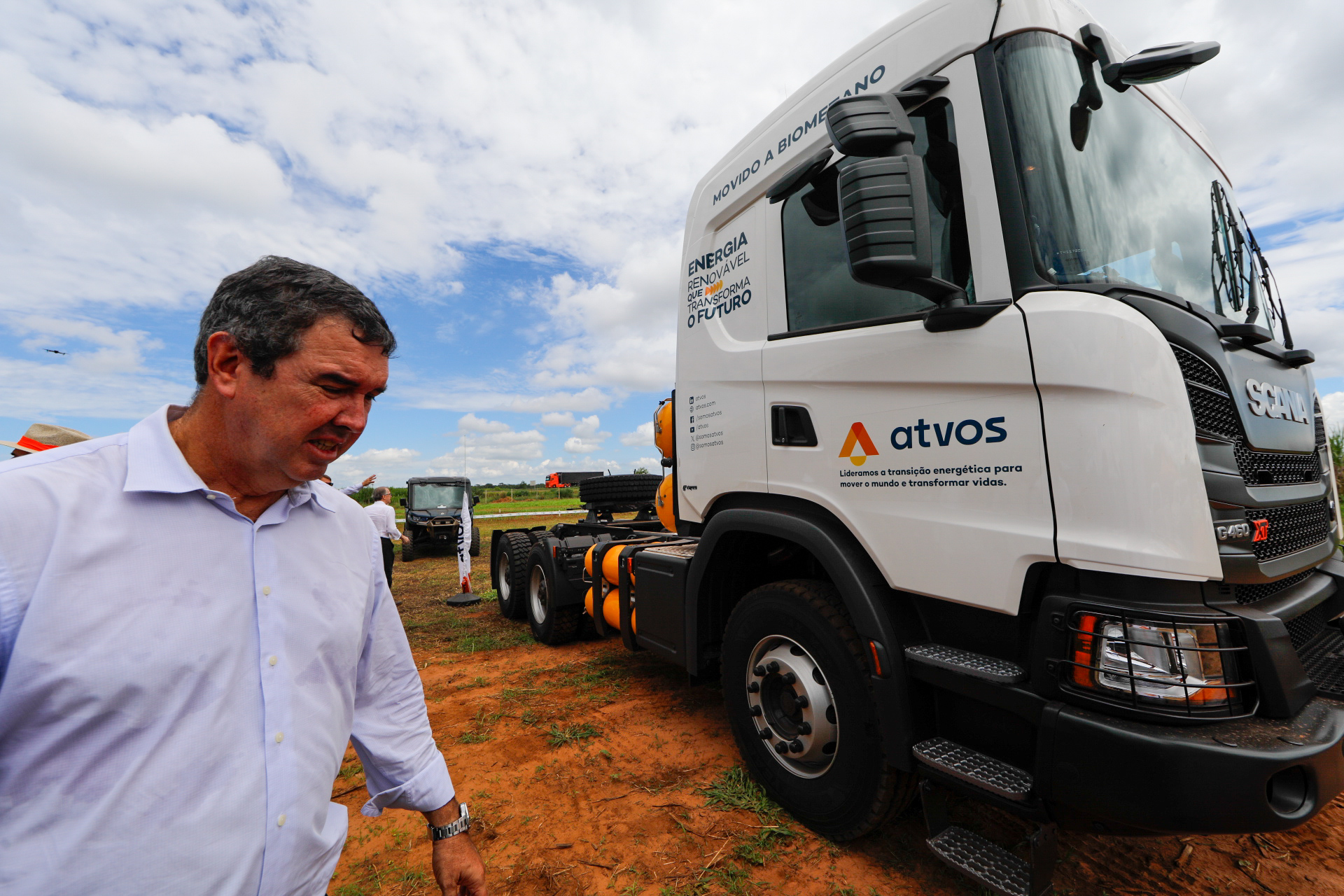
Mato Grosso do Sul excels in the sugar-energy sector: the state reaches a milestone of 22 operating mills and accelerates the production of clean energy in MS with a focus on sustainability.
-
National energy dilemma: Brazilians support clean energy but reject increases in tariff costs to finance the sustainable transition.
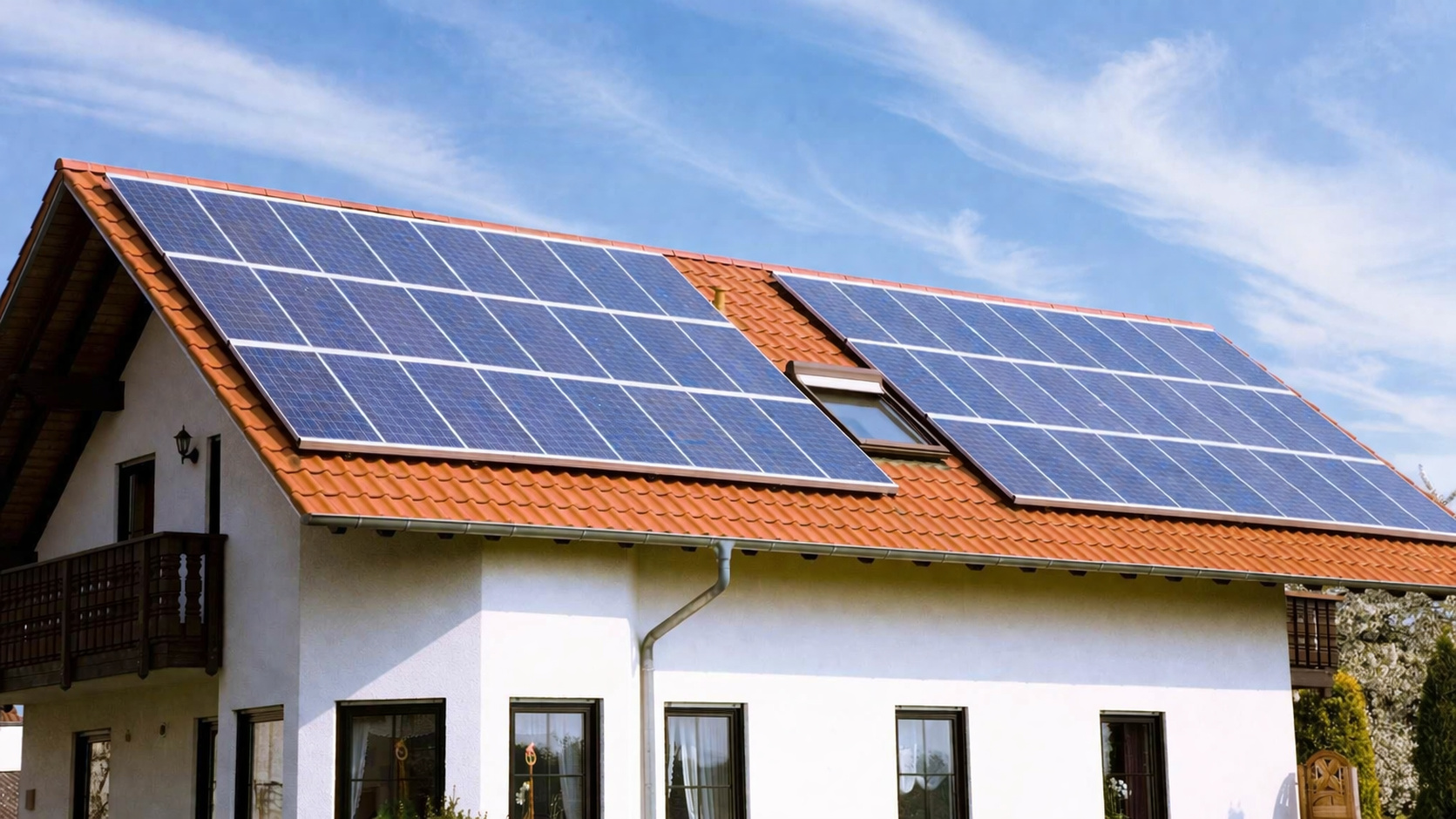

Since the first purely wind auction held in December 2009, Brazil has added about 7 GW of installed solar and wind power capacity. Through similar supportive political and regulatory regimes, the government has shown its intent to replicate the same rapid growth in solar power generation, committing to procure one to two GW of solar energy at utility scale each year in government-administered auctions.
Promulgation by the Federal Regulatory Agency for Energy of Brazil (ANEEL)
Equally important for Brazil’s strategy was the recent promulgation by the Federal Regulatory Agency for Energy of Brazil (ANEEL) of new rules aimed at reducing barriers to incorporating distributed solar energy generation into the national grid supply system, and allowing small-scale solar power systems to receive credits for electricity produced onsite and sent back to the grid.
Notably, the installation of new solar and wind power capacity amid the pandemic is of strategic importance for Brazil, not only to protect against periods of low rainfall but also for economic purposes, in order to shield against price volatility in electricity and fluctuating natural gas prices (i.e., prolonged droughts such as the most recent one in 2014/2015 forced Brazil to significantly increase the amount of natural gas it imports to bring thermal plants online to support the growing electricity consumption).
Solar Energy Auctions Grew During the Pandemic
In Brazil’s “reverse” auction mechanism for energy, the government sets a ceiling price for megawatt-hour (MWh), and companies lower the price at which they are willing to sell energy to the market.
Energy producers offering the lowest prices sign 20-year power purchase agreements with distribution companies, which are statutorily required to buy energy through auctions.
Three solar energy auctions have been held to date, of which two (in October 2014 and August 2015) were exclusively solar auctions, and in the most recent auction (in November 2015), wind energy was included in the bidding. The auctions secured around R$ 12 billion ($ 3 billion) in investments for the next three years and attracted various national and international players to the market, with the following results:
- October 2014 Auction (Solar Only): Awarded over 1 GW – 31 projects that will start supplying power on October 1, 2017 – at an average price of R$ 220 / MWh ($ 55 / MWh).
- August 2015 Auction (Solar Only): More than 830 MW awarded – 30 projects that will start supplying power on August 1, 2017 – at an average price of R$ 301 / MWh ($ 75 / MWh).
- November 2015 Auction (Solar and Wind): Awarded an additional 920 GW – 33 solar projects starting power supply on November 1, 2018 – at an average price of R$ 297 / MWh ($ 74 / MWh).









Seja o primeiro a reagir!