





 English
  Francês
  Alemão
  Italiano
  Japonês
  Norueguês
  Portuguese
  Spanish
  4 min of reading


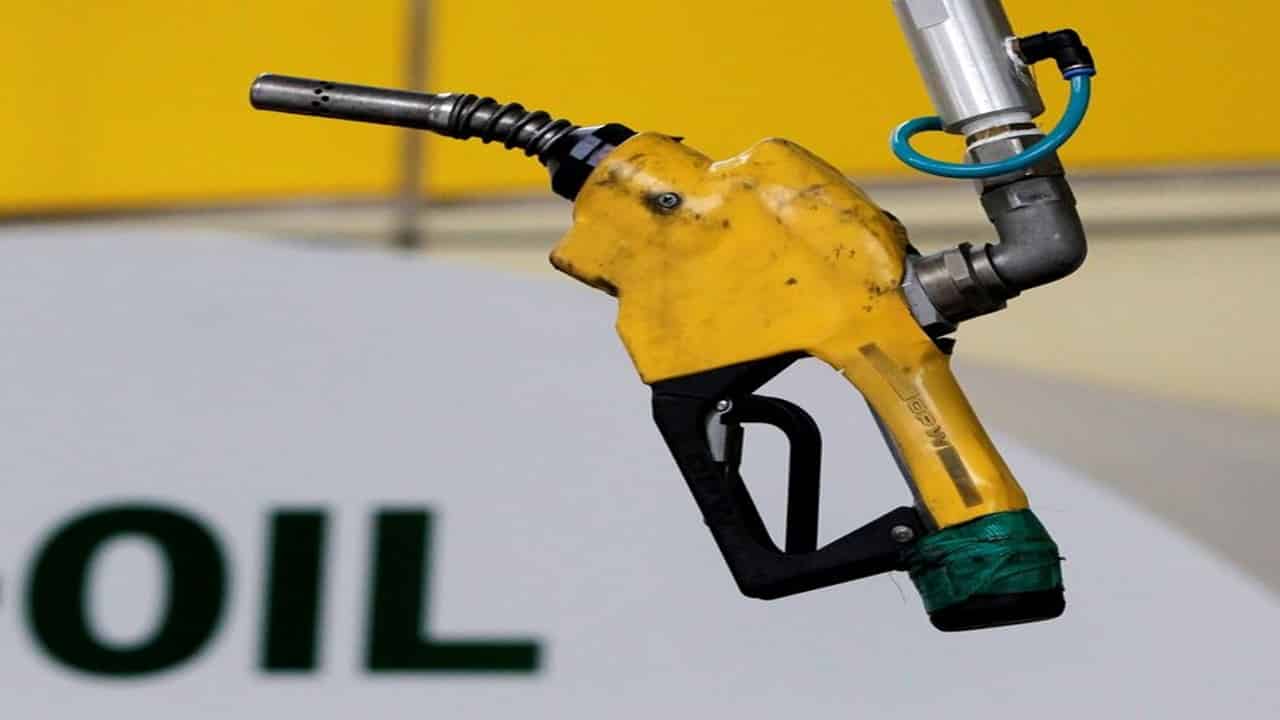
Petrobras Is Pressured to Raise Gasoline Prices to Ensure the Market Is Supplied on Economic Grounds and Without Risks of Shortages
Petrobras announced on the afternoon of January 11th that despite the company reducing gasoline prices and keeping diesel prices stable since 10/26/2021, starting tomorrow, 01/12/2022, the state-owned company will make a new adjustment to its selling prices of these fuels for distributors. The announcement comes after 77 days without increases.
Read Also
- After Petrobras Celebrates and Sees Gross Debt of Over 160 Billion Dollars Plummet to 59.6 Billion, State-Owned Company Recovers R$ 6.17 Billion in Lava Jato Operations
- Petrobras Completed This Morning (12/29) the Sale of More Than 27 Onshore Oil Exploration and Production Fields for Nearly R$ 1 Billion to Rio de Janeiro’s Karavan Oil and Gas
- Billion-Dollar Christmas Gift: Petrobras, Which Decided to Focus on Pre-Salt Oil Fields, Sells Eleven Onshore Fields in Sergipe for Over R$ 6 Billion to Grupo Cobra
- Distributors Warn of Gasoline and Diesel Shortage Risks Due to Petrobras’ Production Cuts
- Oil Evaporates Under Strong Selling Pressure, Reaching US$ 66 a Barrel and Pressuring Petrobras to Lower Gasoline Prices, Which Experienced Another Increase on August 12th
The prices charged by Petrobras for gasoline were reduced by R$ 0.10 per liter on 12/15/2021 and remained stable for diesel. But all good things come to an end, and starting tomorrow, 01/12, the average selling price of Petrobras gasoline for distributors will increase from R$ 3.09 to R$ 3.24 per liter.
The company reports that the price to consumers will rise to R$ 2.37 for each liter sold at the pump for gasoline sold at stations, a variation of R$ 0.11 per liter. Considering the mandatory blend of 27% anhydrous ethanol and 73% gasoline A for the composition of gasoline sold at stations, Petrobras’ share in the consumer price will increase from R$ 2.26, on average, to R$ 2.37 for each liter sold at the pump, also a variation of R$ 0.11 per liter.
-
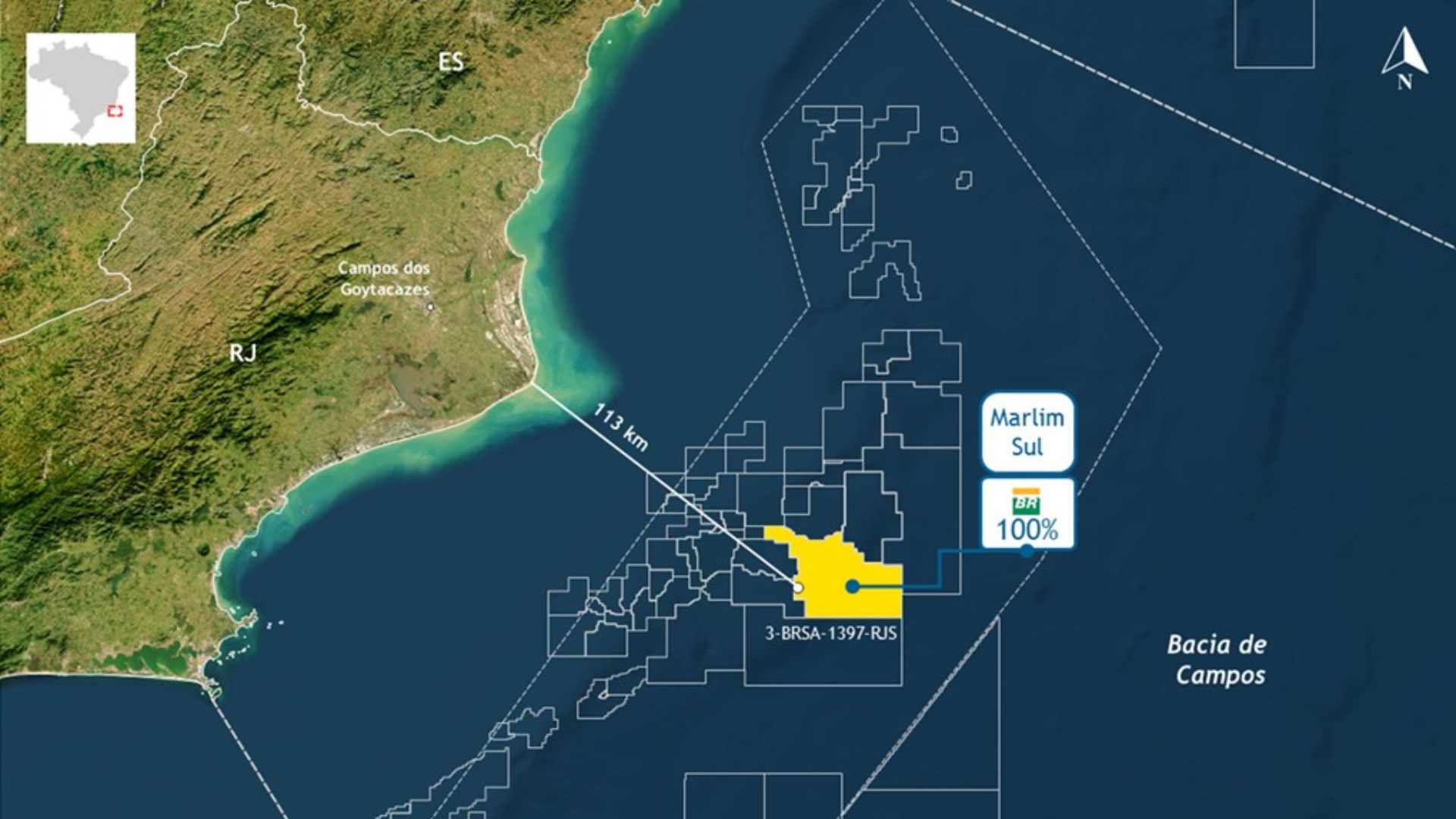
Petrobras finds high-quality oil in the pre-salt at 113 km from RJ and reignites expectations about strategic reserves in the Campos Basin.
-
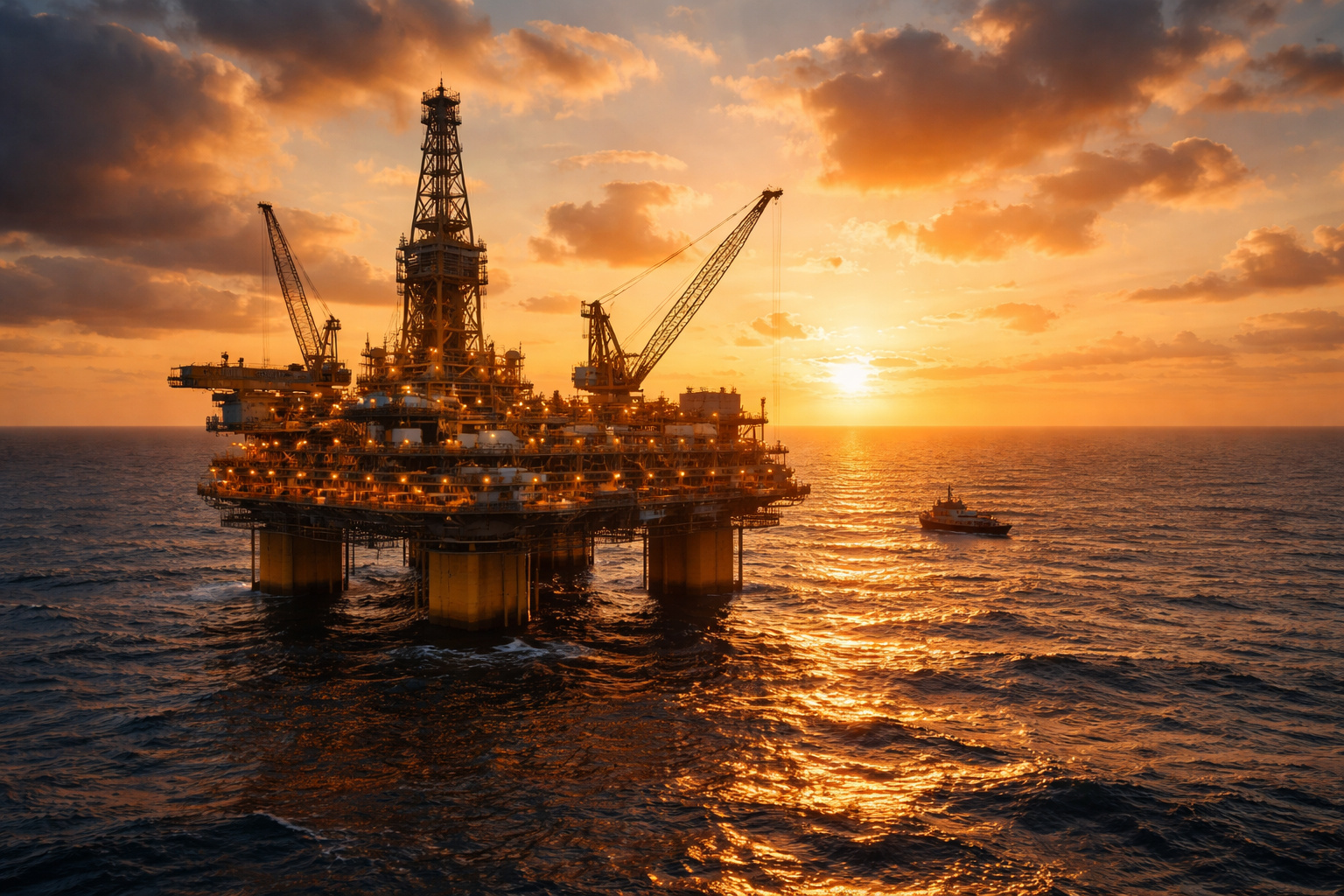
Ocyan opens registrations for startups focused on innovation in the oil and gas sector and will select projects for Innovation Day with the support of Nexio.

-
Petrobras announces new oil discovery in the pre-salt of the Campos Basin and reinforces Brazil’s prominence with high-quality reserves that can increase production and energy revenues.
-
Alert in the fuel market: Analysts and a former director of ANP warn that oil prices may worsen in the coming months due to global instability.

For diesel, the average selling price of Petrobras for distributors will rise from R$ 3.34 to R$ 3.61 per liter. Considering the mandatory blend of 10% biodiesel and 90% diesel A for the composition of diesel sold at stations, Petrobras’ share in the consumer price will rise from R$ 3.01, on average, to R$ 3.25 for each liter sold at the pump. A variation of R$ 0.24 per liter.
These adjustments are important to ensure that the market is supplied on economic grounds and without risks of shortages by the different actors responsible for serving the various Brazilian regions: distributors, importers, and other producers, in addition to Petrobras.
How Fuels Are Produced
The fuels we use every day are the final product of a long production chain that depends on the unique technical capabilities of our professionals and the use of cutting-edge technologies, such as artificial intelligence, drones, and unmanned submarines.
The extraction of oil takes place in deep waters, up to 7,000 meters deep. On the seabed, wells and underwater equipment bring the oil to the surface. At the platforms, industrial plants operate 24 hours a day to separate the oil and send it to shore, overcoming distances that exceed 300 kilometers from the continent.
Upon arriving at refineries, the oil undergoes a series of chemical and physical processes. Heavy molecules are purified and broken down into smaller parts, resulting in various products such as gasoline, diesel fuel, and liquefied petroleum gas. The fuels are then sold to distributors, who will resell them to consumers at distribution stations.

Now That You Know the Path Taken to Transform Oil into Fuel, See Below for More Information on the Prices of These Products.
Gasoline
Fuel distributors buy “A” grade gasoline at refineries. In accordance with Brazilian legislation, the gasoline sold at stations must be mixed with Anhydrous Ethanol. Thus, in the price that the consumer pays, the Petrobras selling price, the cost of ethanol (which is freely defined by its producers), and the costs and margins of distribution and reseller marketing, as well as all taxes due, are included.
The chart below details the five components of the gasoline price charged at the pump:
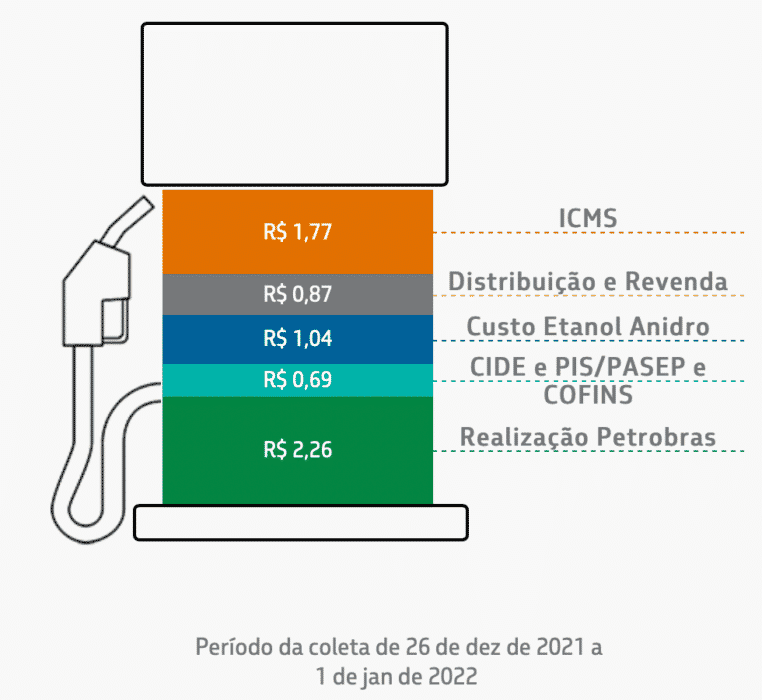
The chart below details the components of the gasoline price charged at the pump in all states where Petrobras sells gasoline to distributors:

Diesel
Fuel distributors buy “A” grade diesel at refineries. In accordance with Brazilian legislation, the automotive diesel sold in Brazil must be mixed with biodiesel, a renewable fuel produced from vegetable oils or animal fats, forming “B” grade diesel, which is resold at stations. In the price that consumers pay at the station, therefore, in addition to taxes and the Petrobras share, the cost of acquiring biodiesel and the costs and margins of distribution and resellers are also included.
The chart below details the five components of the diesel price charged at the pump:
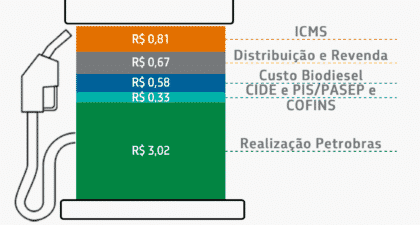
The chart below details the components of the diesel price charged at the pump in all states where Petrobras sells to distributors:

See here the historical selling prices of diesel to distributors at sight, excluding taxes, by location and selling modality. Diesel S10 and S500 and other Diesel









Seja o primeiro a reagir!