





 Português
  Inglês
  Espanhol
  6 min de leitura
  0 comentários


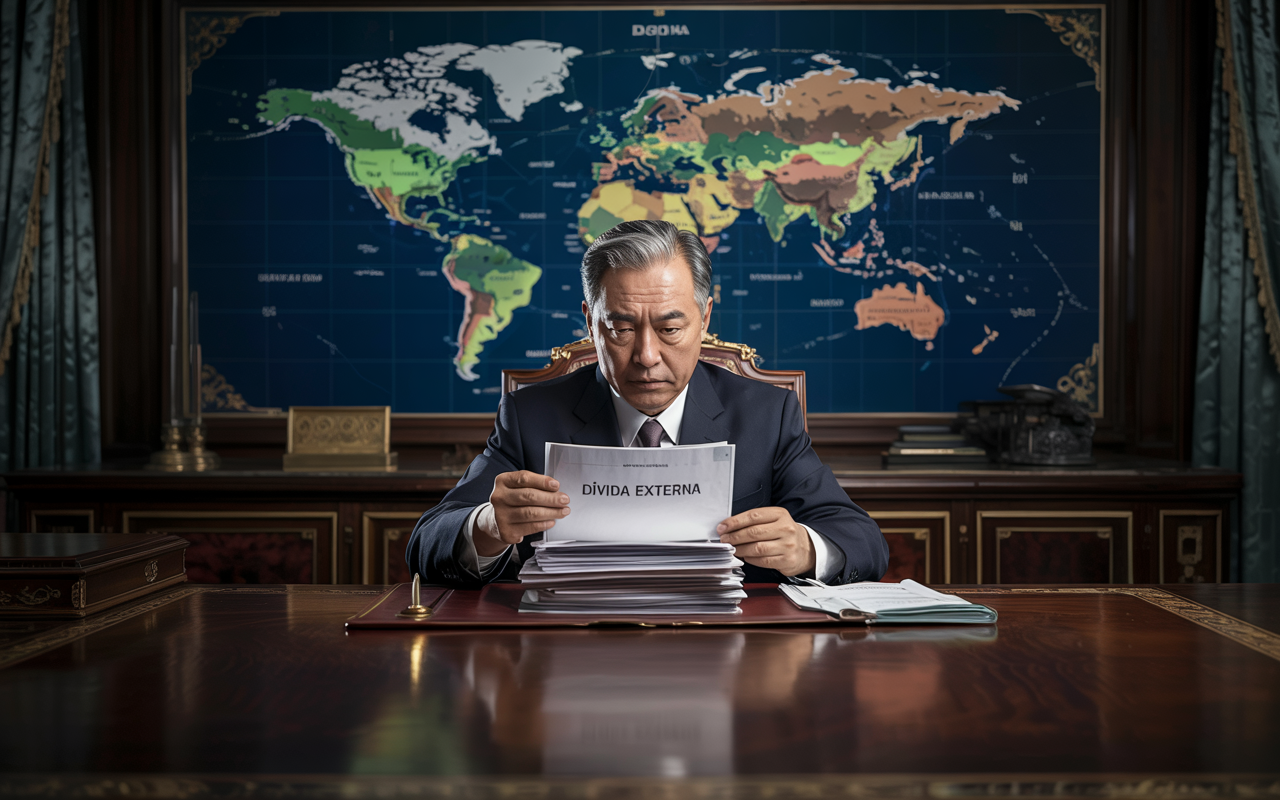
The New Stance of China in Geopolitics Surprises Indebted Countries: After Years of Chinese Financing via the Silk Road, Beijing Adopts Firm Measures to Collect Chinese Loans, Affecting Emerging Economies and Redrawing the Global Landscape
In recent years, following an intense phase of global Chinese financing, with massive loans for infrastructure around the world, there is now a new stance of China in geopolitics, shifting from generous lender to strict collector. Data from the Lowy Institute reveal that, in 2025, developing countries will need to pay about US$ 35 billion to China in amortizations and interest, with US$ 22 billion coming from the most vulnerable nations, those with the most socioeconomic fragility.
This movement represents a turning point: the country now prioritizes the return of resources instead of extending credit. The effects of this change are already emerging with impacts on public services, economic stability, and diplomatic relations of debtor countries.
The change occurs at a time when China faces internal economic challenges, such as falling growth, real estate bubbles, and lower returns on external investments, which pressures for stricter management of public capital.
-
If the USA were to go to war with Brazil, Washington’s greatest fear would not be the attack itself, but facing a vast territory, prolonged resistance, and a costly, chaotic, and unpredictable occupation.

-
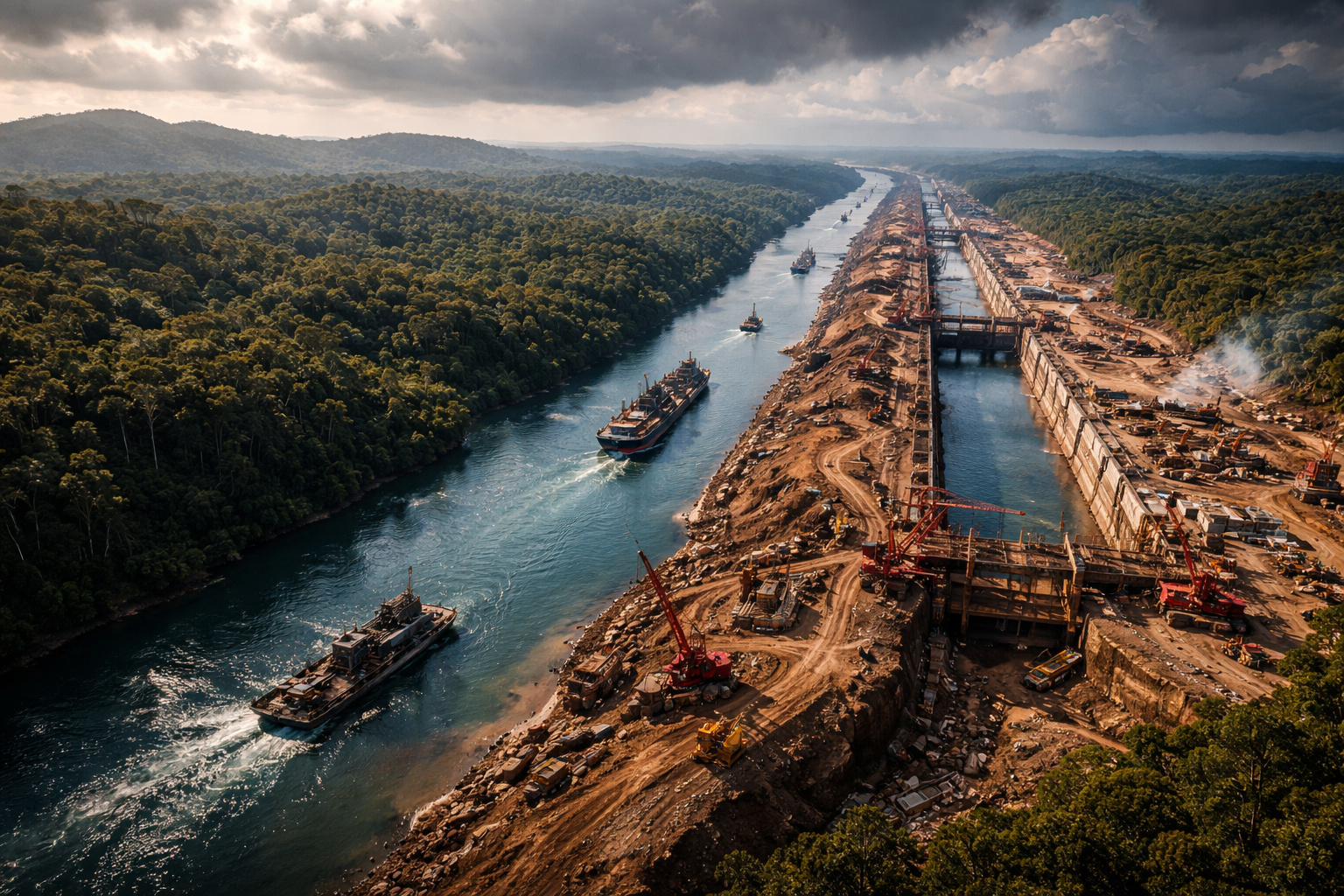
In 2013, Nicaragua sold the concession for a canal to rival Panama to a Chinese billionaire who lost 85% of his fortune, disappeared, and was declared bankrupt. Now the project resurfaces with a new route, a new Chinese partner, and a cost of $64.5 billion.
-
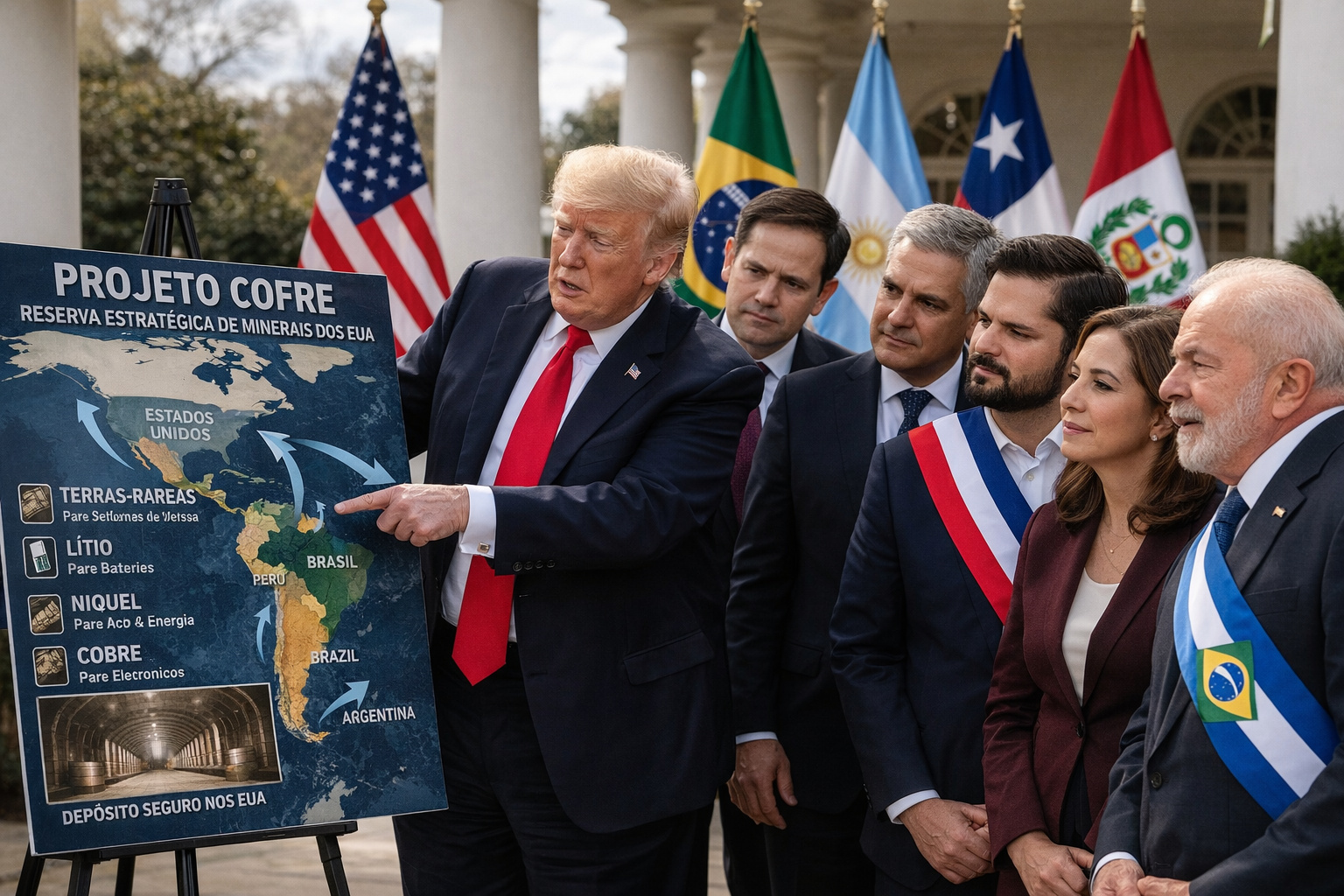
The USA announces a mysterious billion-dollar vault project to store critical minerals, but what intrigues experts is not just the plan itself, but why Latin America, including Brazil, has entered the center of this global dispute against China.
-
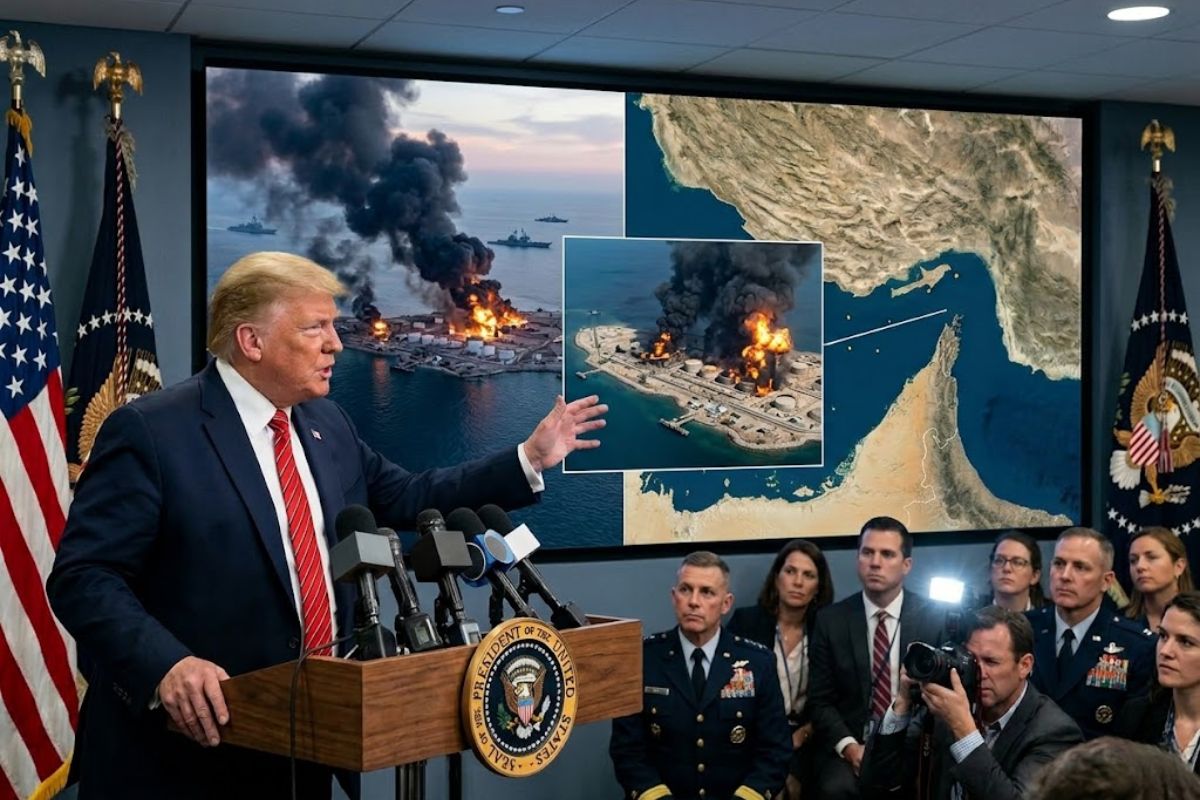
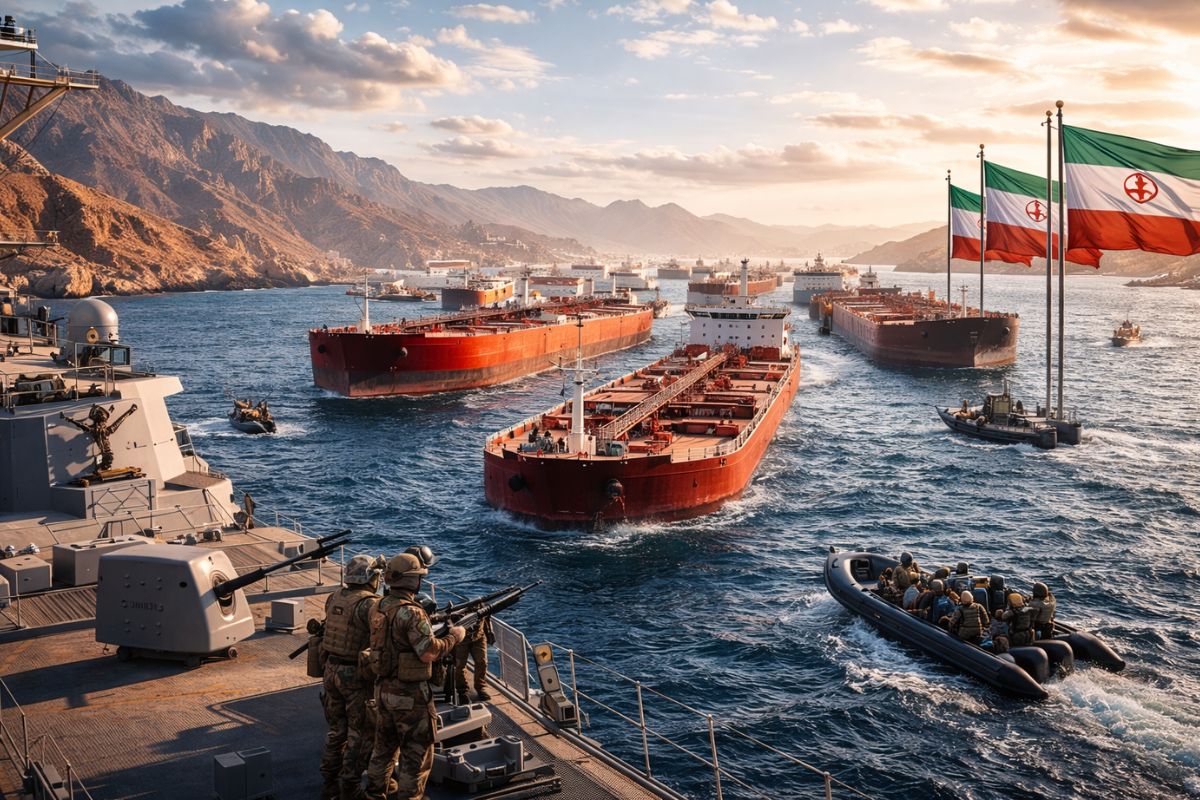
Trump Announces Bombing of U.S. Military Targets on Iranian Island Responsible for About 90% of Iran’s Oil Exports, Warns of Further Attacks if Navigation in Strategic Strait of Hormuz Is Threatened

What Motivated the New Stance of China in Geopolitics?
The Debt Crisis and Payment Failures in the Era of Chinese Loans
Since the creation of the Silk Road initiative in 2013, China has lent more than US$ 800 billion to about 150 countries, focusing on infrastructure such as ports, railways, and energy. However, about 60% of this credit falls on nations in critical financial distress.
With unfavorable global economic conditions—rising international interest rates, falling commodity prices, impacts of COVID-19, and the war in Ukraine—many of these countries have begun to default or simply not honor commitments.
In countries like Zambia and Sri Lanka, the debt to Chinese creditors has surpassed their repayment capacity, leading to economic collapses and forced renegotiations. China’s response has become increasingly less lenient, signaling the end of tolerance for excessive risks.
Internal Pressure for Austerity and the New Stance of China in Geopolitics
Internally, Chinese state banks and entities such as the China Ex-Im Bank are under pressure to retain capital. Domestic institutions now require financial returns at the expense of investing abroad. In addition, Chinese authorities fear that the accumulation of loans in indebted countries may jeopardize the domestic banking system.
This domestic pressure coincides with the need to stimulate the internal economy, making the repayment of external loans an important means of reinforcing public coffers. The Chinese government is also more sensitive to the use of state resources in projects without returns.
Learning from Past Mistakes and Global Chinese Financing
Studies indicate that early loans were motivated by geopolitics but were also based on incomplete assessments of the repayment capacity of countries. China now seeks to align its projects with what it defines as “debt sustainability,” adapting contracts to the financial realities of borrowers.
The old model, centered on political influence, is starting to be replaced by a logic of fiscal prudence and greater oversight of financed projects, with more robust contractual clauses.
How the Collection Is Occurring in Practice: China Collecting Debts Strictly
Beijing identifies two main profiles among borrowers:
- Countries with Gigantic Debts (80% of the total): receive active renegotiation, bridge loans, or bailouts. E.g., Pakistan, Sri Lanka, Venezuela, Argentina, and Angola.
- Smaller Nations with Smaller Debts (20%): have access only to extensions—without new money. E.g., Zambia, Ghana, Mongolia, Tajikistan, and the Republic of Congo.
The strategy is pragmatic: to protect large investments already made while limiting new risks with more fragile partners. China collecting debts now acts with discretion and expertise, even resorting to collateral guarantees and assets in exchange for liquidity.
Record Maturity in 2025 Challenges Countries in the Silk Road
According to the Lowy Institute, in 2025, the poorest countries owe US$ 22 billion in payments to China—part of the US$ 35 billion globally due. This amount exceeds new loans, making it clear that China is, for the first time this century, acting more as a collector than a lender.


This turnaround creates tension among African and Asian leaders, who until recently viewed China as a viable alternative to the IMF. Now, the Chinese discourse aligns more with the technocratic tone of Western creditors.
Consequences for Borrowing Countries from Chinese Loans
Restriction of Social Spending
The need to reallocate trillions of dollars for debt repayment affects priorities such as health, education, and climate. Developing countries face budget cuts and direct impacts on the well-being of their populations. The Guardian warned that this resource drain will negatively affect poverty reduction and financial security.
In countries like Kenya and Ethiopia, infrastructure projects are stalled due to a lack of new credit, while debt collection remains underway. This creates a mismatch between development needs and fiscal realities.
Risk of Instability
When indebted nations face budget constraints, there is a risk of social crises, government changes, and political instability—also affecting the capacity for future investments, both public and private.
Instability can also open avenues for geopolitical disputes, with other players attempting to fill the gaps left by a debt-collecting and retreating China in new investments.
China plans to use debt negotiation as a tool of diplomatic influence, with new loans directed to strategic allies—governments that have recognized China over Taiwan. However, growing indebtedness may undermine this approach, especially if debtor countries enter recession.
There is a real risk that excessive collection will harm China’s global image as a “development partner,” allowing for competition from other models of international cooperation.
Geopolitical and Strategic Implications of the New Chinese Approach
Reinvention of the Belt and Road
The Silk Road initiative has been the main vector of Chinese loans over the past 12 years, allowing China to consolidate its global presence in infrastructure. Now, this cycle is entering a phase of review and containment. New loans will be more selective, focusing on geoeconomic allies—neighbors like Pakistan and nations with strategic minerals like Brazil and Indonesia.
The trend is to abandon volumetric expansion in favor of a more surgical approach, focusing on return on investment and robust guarantees.
China Collecting Debts—A Reflection of Maturity
This behavior reflects the country’s maturation as a global player. From unrestricted financial agent, China collecting debts marks the beginning of a realistic approach: contracts with strict clauses, less tolerance for delays, and efforts for interest rates that support domestic balances.
It is an important turning point in the perception of China—from a “generous” partner to a strategic creditor with well-defined interests.
Response and International Competition
The Chinese transition occurs in a context of weakening Western and multilateral support. While China recoups resources, the West reduces aid—a combination that could open space for more Chinese influence, albeit in a stricter scenario. Still, the risk of a global debt crisis may drive greater international coherence or reform in the financial system.
Final Reflections on China Collecting Debts and Its Global Impact
The scenario of China collecting debts more rigidly marks a new phase in international financial relations. The old logic of easy financing gives way to a structured and selective collection policy. This transformation profoundly affects developing countries, especially those more dependent on external credit.
The current stance represents the consolidation of China’s new approach in geopolitics, more pragmatic, less ideological, and focused on economic stability. The challenge now lies in balancing collection with diplomacy and avoiding the collapse of indebted nations.
In times of growing interdependence, how China manages its debts will shape the future of global financing—and could define the next chapters of the global economic order.









-

Uma pessoa reagiu a isso.