





 Português
  Inglês
  Espanhol
  6 min de leitura
  0 comentários


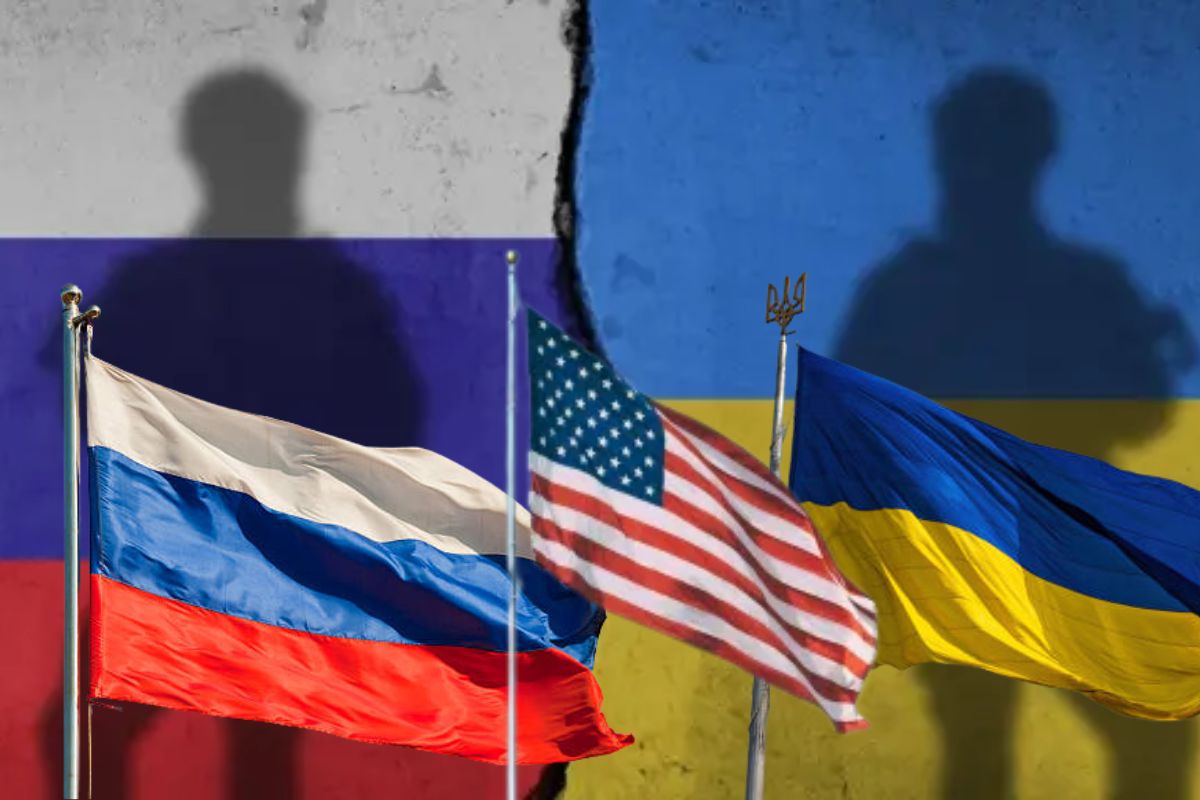
After Conversation Considered ‘Productive’ in Florida, USA and Ukraine Admit That a Peace Agreement with Russia Will Require New Concessions, Resist to Give Up Territory, Maintain the Defense of Ukrainian Sovereignty and Bet on Negotiations in Moscow with American Envoy Still This Week Under Strong Russian Military and Political Pressure
The negotiations between USA and Ukraine in Florida showed a rare point of convergence amid more than three years of war: the perception that any lasting peace with Russia will require painful concessions from all sides. At the same time, Washington and Kyiv publicly repeat that they will not relinquish Ukrainian territory, which keeps the deadlock at the center of the table.
In this context, USA and Ukraine decided to bet on a new round of talks in Moscow, led by an American envoy who will attempt to bridge positions with the Kremlin. The mission comes alongside pressure from President Donald Trump, who promised to end the war quickly but now privately admits the complexity of building an acceptable agreement for all.
Conversations in Florida Bring USA and Ukraine Closer, but Do Not Resolve Central Deadlocks
The delegations of USA and Ukraine met at a private club near Miami, Florida, to discuss the next steps of the peace plan proposed by Washington.
-
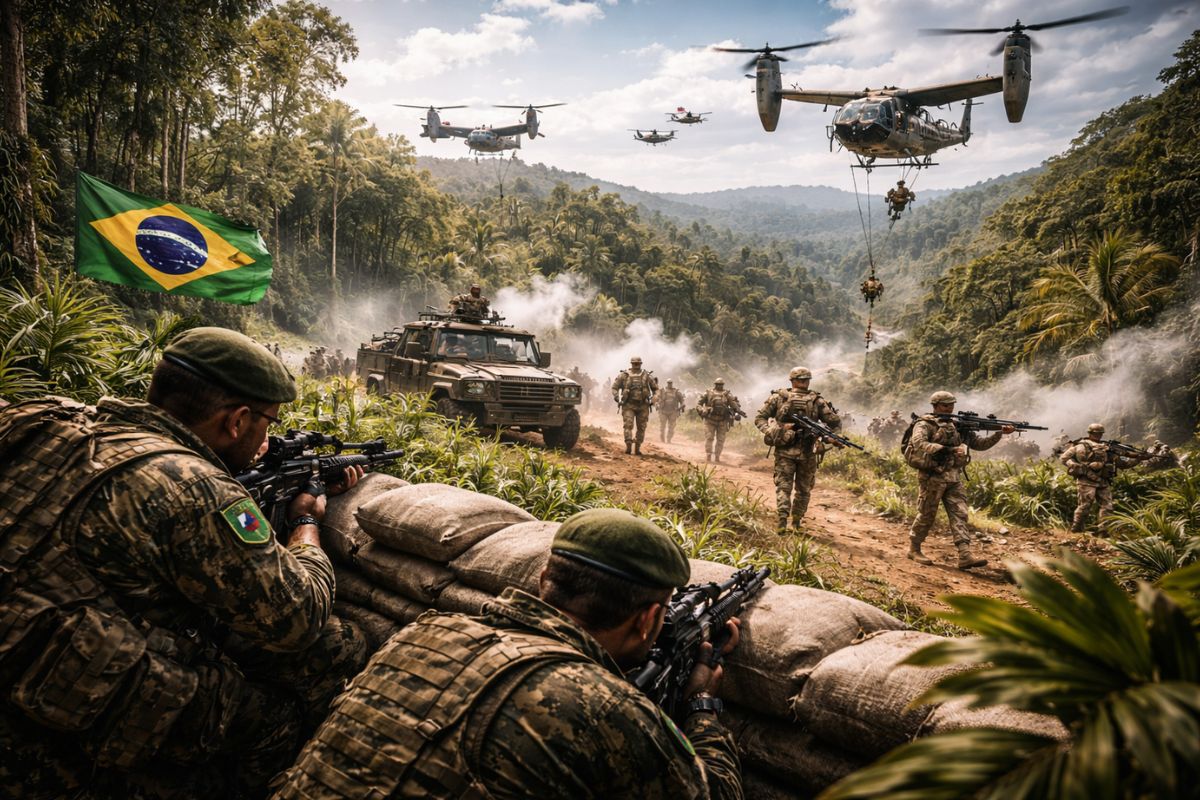
If the USA were to go to war with Brazil, Washington’s greatest fear would not be the attack itself, but facing a vast territory, prolonged resistance, and a costly, chaotic, and unpredictable occupation.
-
In 2013, Nicaragua sold the concession for a canal to rival Panama to a Chinese billionaire who lost 85% of his fortune, disappeared, and was declared bankrupt. Now the project resurfaces with a new route, a new Chinese partner, and a cost of $64.5 billion.

-
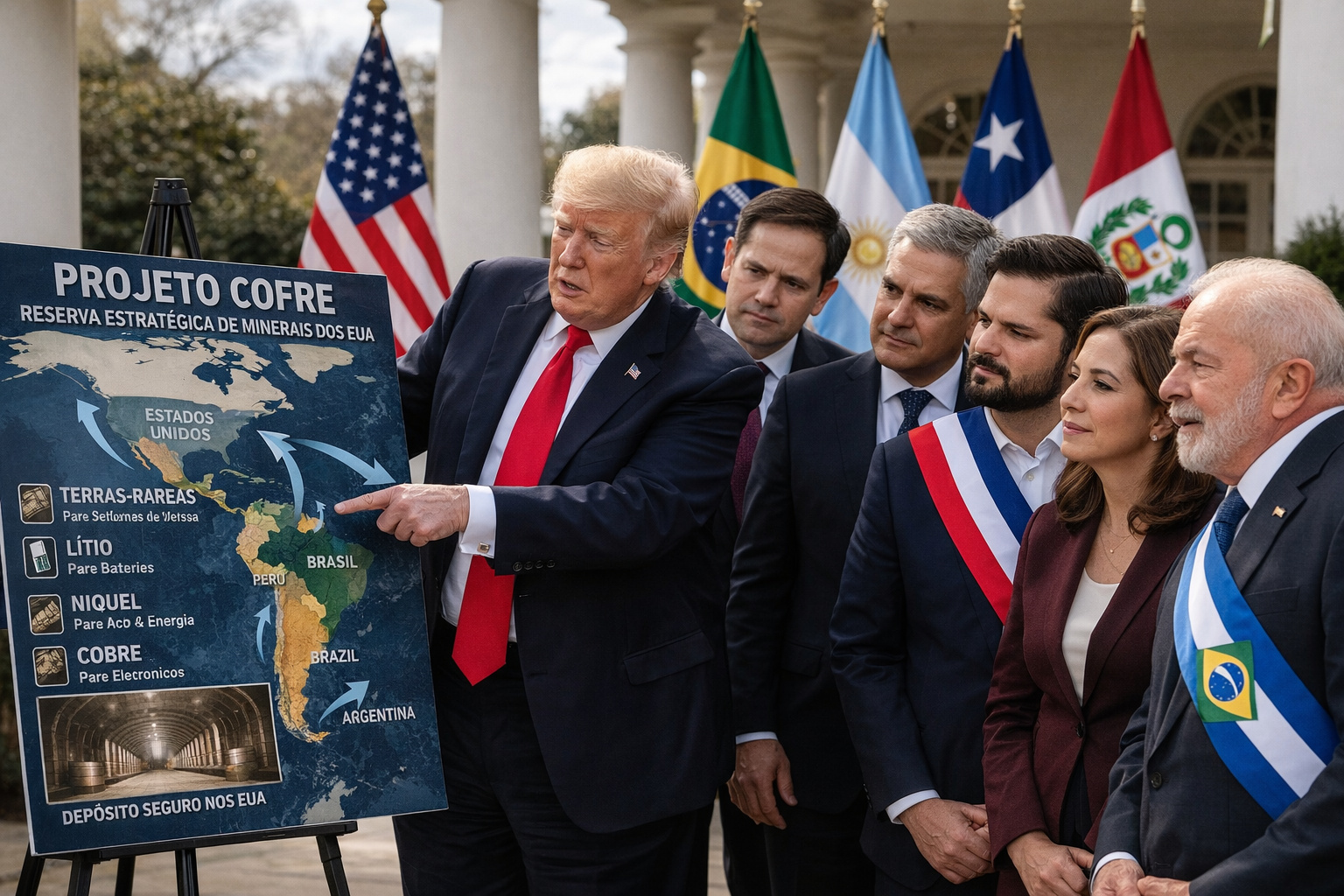
The USA announces a mysterious billion-dollar vault project to store critical minerals, but what intrigues experts is not just the plan itself, but why Latin America, including Brazil, has entered the center of this global dispute against China.
-
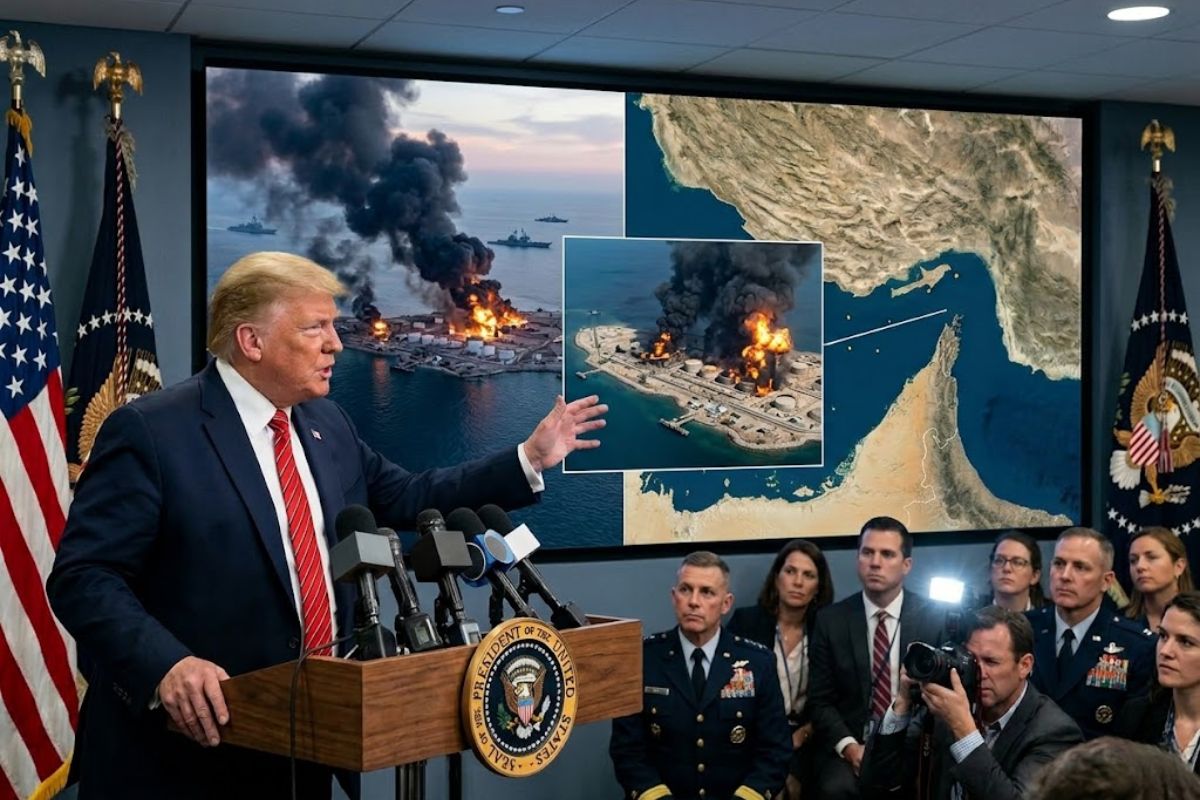
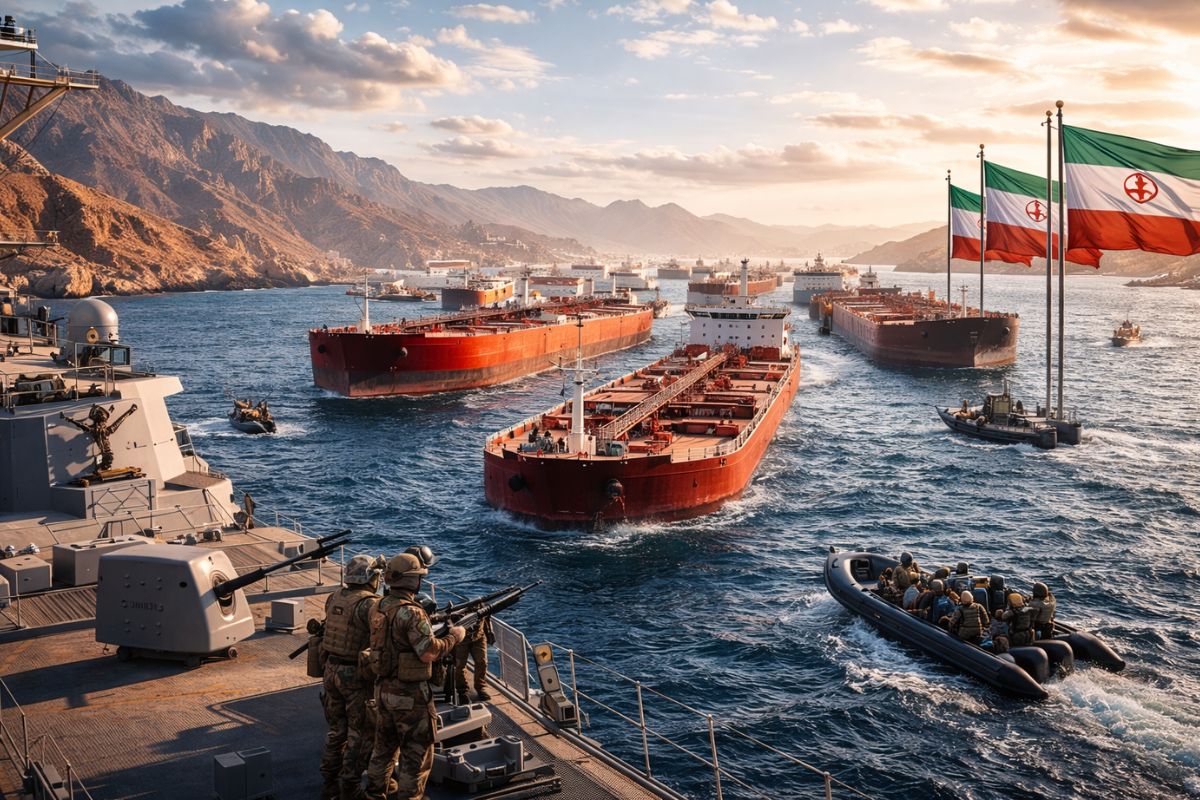
Trump Announces Bombing of U.S. Military Targets on Iranian Island Responsible for About 90% of Iran’s Oil Exports, Warns of Further Attacks if Navigation in Strategic Strait of Hormuz Is Threatened

According to both sides, the conversations were classified as productive, with progress in defining general principles for a potential agreement with Russia.
The American Secretary of State, Marco Rubio, left the meeting trying to balance realism and optimism.
He stated that the goal of the USA is to ensure that Ukraine remains sovereign, independent, and capable of rebuilding a more prosperous future after the conflict.
At the same time, he acknowledged that the distance between the current positions of Kyiv and Moscow is still great, especially on issues such as borders, security, and international guarantees.
From the Ukrainian side, the new lead negotiator Rustem Umerov emphasized the importance of Washington’s support.
He said that the USA continues to listen to Ukrainian concerns and is willing to adjust the peace plan to accommodate Kyiv’s red lines. In practice, this means avoiding any formula that seems to reward the Russian offensive or legitimize forced annexations.
USA and Ukraine Resist to Give Up Territory, Even Under Pressure
One of the most sensitive points of the discussions is the pressure, particularly from Trump’s team, for USA and Ukraine to consider territorial concessions as part of the peace package.
Critics of the original plan argue that the American proposal seemed to favor Russia by implying, in the fine print, that Kyiv could give up areas currently occupied by Russian forces.
The Ukrainian team reacted. Kyiv insists that it will not accept an agreement that freezes the current frontline and turns military occupation into a fait accompli.
This position is reinforced by President Volodymyr Zelensky himself, who, even while facing an internal political crisis fueled by corruption allegations and war fatigue, reiterates that he will not sign a bad deal just to end the fighting in any way.
On the American side, Rubio tries to modulate the message. He admits that there are internal political pressures in the USA for quick results, especially after Trump promised, during the campaign, to end the war in a day.
However, behind the scenes, aides acknowledge that this was more of an electoral slogan than a realistic timetable and that any peace is conditioned on reciprocal concessions, not an instant victory at the negotiating table.
American Envoy Goes to Moscow to Try to Unlock Negotiations with Russia
While USA and Ukraine adjust positions, special envoy Steve Witkoff is preparing a trip to Moscow to meet with Russian authorities later this week.
The mission will aim to test how far the Kremlin is willing to go in terms of concessions and what guarantees it will require in exchange for a ceasefire or a broader agreement.
The presence of Witkoff and Trump’s son-in-law, Jared Kushner, in the process adds a significant political component.
Trump seeks to show the American public that he is personally involved in building a negotiated exit while trying to avoid the image of weakness before Vladimir Putin. This balance is delicate and directly influences the tone of the conversations in Moscow.
For Kyiv, the American envoy’s trip is both an opportunity and a risk. On one hand, it could open a real window for dialogue with Russia, which has so far shown resistance to substantial concessions.
On the other hand, it heightens the fear that important decisions will be sewn up away from the Ukrainian table, pushing USA and Ukraine to accept terms that are currently considered unacceptable in Kyiv.
Internal Crisis and Military Pressure Increase Political Cost of Peace
While diplomats circulate between Florida, Geneva, and Moscow, USA and Ukraine deal with internal dynamics that make any gesture of concession even more politically costly.
In the Ukrainian case, the resignation of Andriy Yermak, former chief of staff to Zelensky, following a corruption scandal, shook public confidence in political elites amid the war.
At the same time, Russia intensified attacks on energy infrastructure, causing widespread blackouts and testing the resilience of Ukrainian society in the midst of winter.
Zelensky publicly acknowledged that the country is going through its most difficult moment since the beginning of the invasion, but reaffirmed that he will not accept an agreement that compromises Ukraine’s future just to relieve immediate pressure.
In the USA, Trump faces criticism from sectors that accuse him of being complacent with Moscow and, at the same time, of failing to deliver the quick peace he promised. This combination of internal pressure and external strain helps explain why USA and Ukraine talk about concessions but avoid detailing publicly how far they are willing to go to end the conflict.
Next Steps and Likely Scenario for Peace Negotiations
The way forward involves a sequence of diplomatic rounds, in which USA and Ukraine will try to consolidate minimum points of consensus with Russia.
Among them are the end of attacks against civilians and infrastructure, some type of security guarantee for Kyiv, and international monitoring mechanisms for a potential ceasefire.
Diplomats involved in the process acknowledge that it is unlikely to reach a complete peace treaty in the short term.
The most realistic scenario, according to these interlocutors, is the gradual construction of partial agreements that reduce the intensity of fighting and open space for deeper negotiations in the future.
Meanwhile, the war continues to define the pace of politics and economics throughout the region, with global impacts on energy, food security, and military alliances.
With each new round of dialogue, the central question remains the same: how much is each side really willing to concede to transform gunfire into signed diplomatic text.
In your place, do you think USA and Ukraine should accept some territorial concession to accelerate peace with Russia, or is it better to maintain the current position even with the prolonged human cost of the war?









-

Uma pessoa reagiu a isso.