





 English
  Francês
  Alemão
  Italiano
  Japonês
  Norueguês
  Portuguese
  Spanish
  4 min of reading


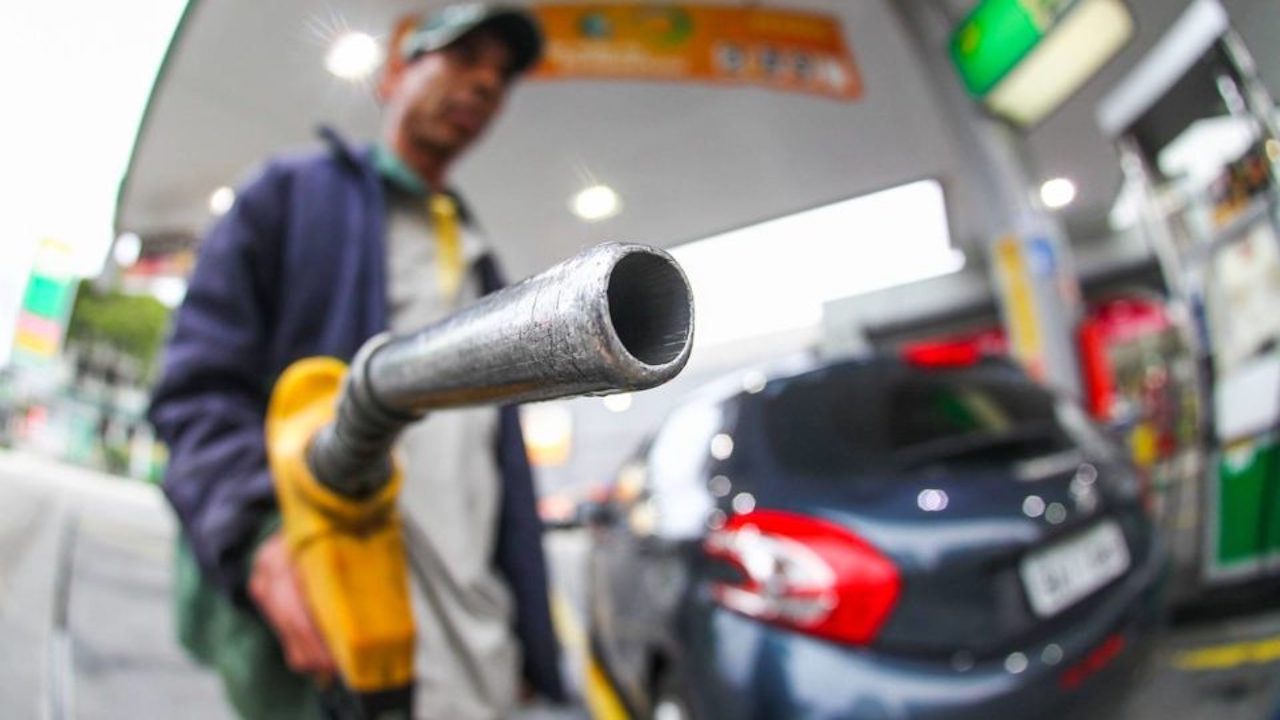
Shortly After Petrobras Raises Gasoline and Diesel Prices at Refineries, Governors Want to End the ICMS Freeze on Fuels, and the Consumer Pays
After the new adjustment in gasoline and diesel prices, Governors want to end the freeze on the ICMS charged on fuels. The end of the measure will be discussed in the second half of January by the National Committee of State and Federal District Finance Secretaries (Comsefaz). The current freeze is in effect until the end of this month.
Read Also
- Rise in Petrobras Fuel Prices Does Not Prevent Repar from Setting Monthly Gasoline Sales Record in Paraná and Santa Catarina; State Refinery Delivered 3.7 Million m³ of the Product to Distributors
- After 77 Days Without Increases, Petrobras is Pressured to Raise Gasoline and Diesel Prices Starting Tomorrow (01/12) to Ensure the Market Continues to Be Supplied on Economic Bases Without Risk of Shortages
- In Contrast, Arab Fund Mubadala, Heir Prince of Abu Dhabi, Who Bought the Mataripe Refinery (RLAM) from Petrobras, Confronts the State-Owned Price Movement and Will Not Reduce Gasoline Prices
- Direct Sale of Ethanol from Mills is Approved by the Senate and Promises to Stimulate Competition and Curb Gasoline Price Increases at Fuel Stations
Majority of Governors Decide to Unfreeze ICMS

A portion of governors advocates for ending the freeze because, to date, neither the government nor Petrobras has presented a proposal to mitigate increases in gasoline and diesel prices. The topic continues to divide state executive leaders.
The decision to freeze the ICMS on fuels was made last year by governors in response to President Jair Bolsonaro’s criticisms of the states, assigning them responsibility for the rise in gasoline and diesel prices in Brazil. According to the state-owned company, prices soared last year due to rising oil prices in the international market.
-
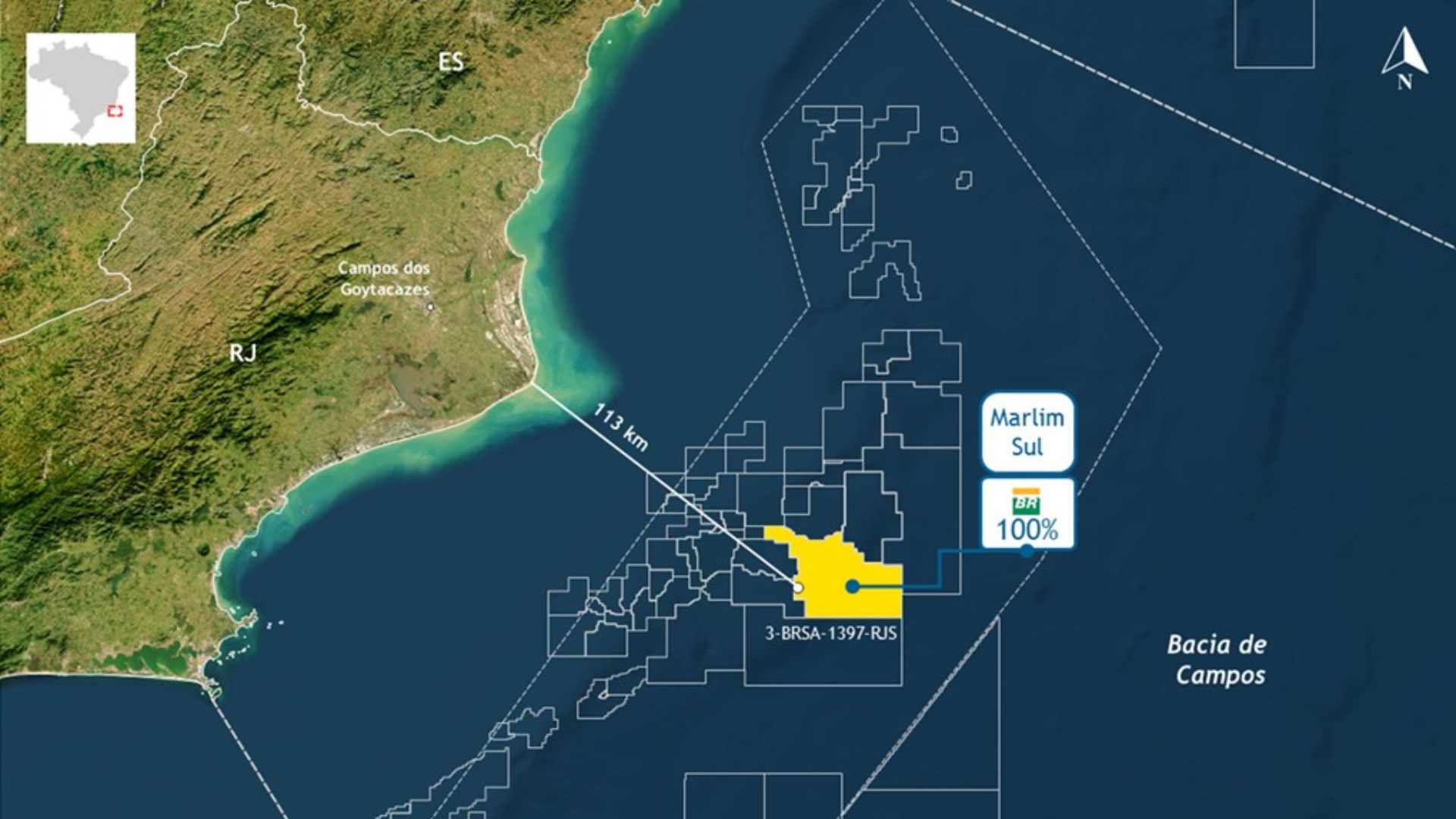
Petrobras announces new oil discovery in the pre-salt of the Campos Basin and reinforces Brazil’s prominence with high-quality reserves that can increase production and energy revenues.
-
Alert in the fuel market: Analysts and a former director of ANP warn that oil prices may worsen in the coming months due to global instability.
-
Ocyan brings executives and digital solutions to Macaé Energy 2026 and highlights offshore expansion with Nexio and a new base in Macaé.

-
Petrobras advances 4.6% with rising oil prices and the dollar, reigniting the debate on macro risks, pricing policy, and fiscal impact in Brazil.
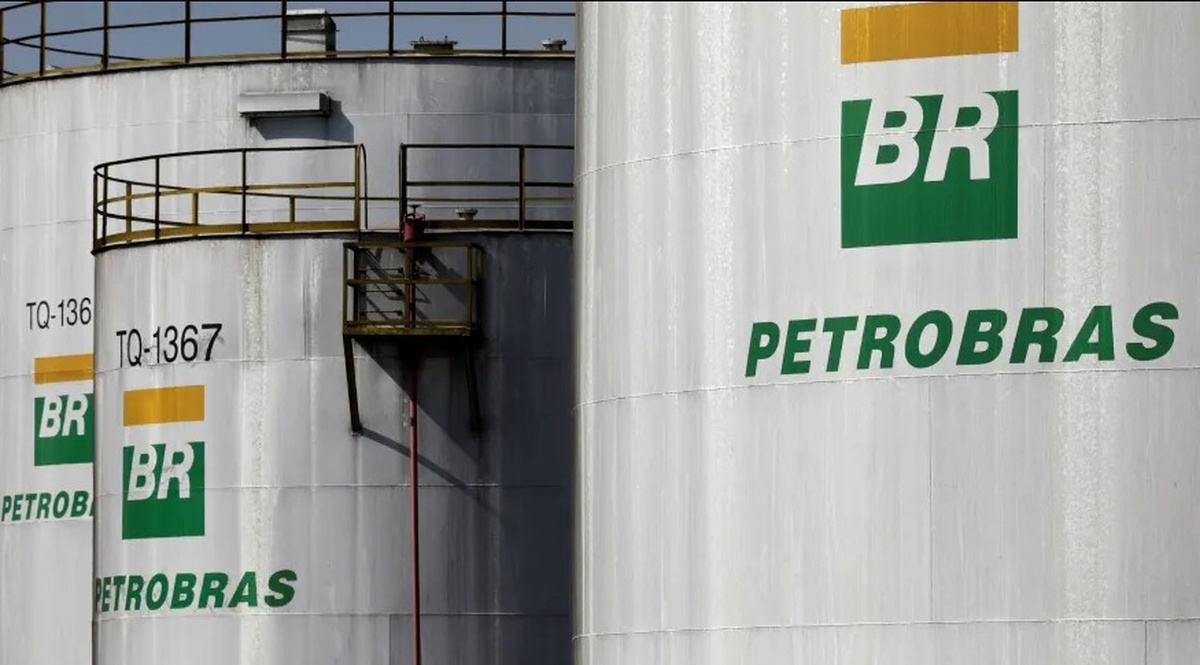
Petrobras Announces New Gasoline and Diesel Price Adjustment
After the adjustment announced by Petrobras on Wednesday (01/12), the first increase in 77 days, some governors emphasized that it has become clear that the states are not the main culprits for the surge in fuel prices.
“It is increasingly clear that those who drive up fuel prices in Brazil are the increases from Petrobras,” said the Governor of Piauí, Wellington Dias (PT). “We have always maintained that the fuel price is related to the dollarization of oil and the linkage made in Brazil,” he added.
The governor recalled that states froze the ICMS on fuels for 90 days, from November 1 of last year to January 31 of this year, and according to him, “even so, increases continue.” He criticized the lack of a “sustainable proposal from Petrobras and the government” to reduce price instability.
However, some governors advocate for an extension of the freeze so that, when Congress reconvenes, a project can be discussed again to reduce fuel price instability.
High ICMS is One of the Main Factors for Fuel Price Increases
The ICMS charge on fuels is one of the factors causing significant instability between the Bolsonaro government and the governors. The tax is defined and collected by state governments.
On one side, Bolsonaro often cites the high ICMS as one of the main factors for rising fuel prices. On the other, governors counter by blaming the instability in the global oil market and the crises generated by Bolsonaro that pressure the dollar’s value in the country.
The current Petrobras pricing policy is based on the variation of oil and dollar prices. The president has also criticized the state-owned company’s rules and pressured for changes. However, the Brazilian oil company states that the floating price ensures the company’s profitability and prevents shortages.
Fund to Stabilize Prices
The government is studying the creation of a Price Stabilization Fund for gasoline and diesel, which would be used to mitigate increases during periods of instability.
The measure has not yet been adopted because the Ministry of Economy questions how the fund would be established. According to the proposal being developed at the Ministry of Mines and Energy, it would be financed with taxes collected from oil exploration, such as royalties and special participation, in addition to the product’s export tax.
In periods of excessive price hikes, the fund’s resources will be transferred to Petrobras to cover its costs and profitability, preventing these from being passed on to consumers.









Seja o primeiro a reagir!