





 English
  Francês
  Alemão
  Italiano
  Japonês
  Norueguês
  Portuguese
  Spanish
  3 min of reading


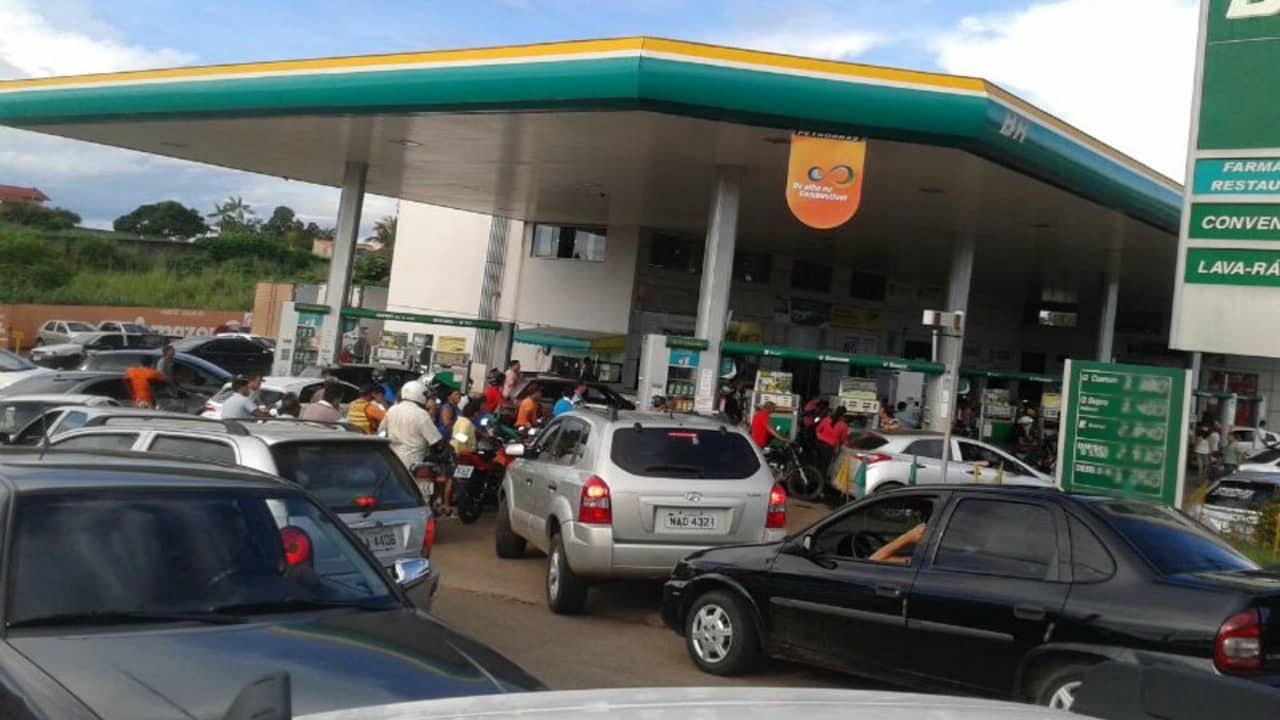
Gasoline And Diesel Prices Rise More Than 15% At Fuel Stations, After Latest Increase Announced By Petrobras, And Consumers Have Nowhere To Run!
According to the latest survey conducted by the National Agency of Petroleum, Natural Gas and Biofuels (ANP) in the week of March 13 to 19, the price of gasoline reached R$ 8.399 at the pumps. Diesel, which directly impacts freight prices in the country, approached R$ 8 and is already being sold for R$ 7.980.
Gasoline Price
The highest price of regular gasoline in the week of March 13 to 19 was recorded in the Southeast region, where the fuel is already found for R$ 8.399.
In the Northeast, the maximum price is R$ 8.390. In the South, R$ 8.290. In the North and Central-West regions, the prices reached R$ 8.100 and R$ 7.999, respectively.
-
Petrobras finds high-quality oil in the pre-salt at 113 km from RJ and reignites expectations about strategic reserves in the Campos Basin.

-
Ocyan opens registrations for startups focused on innovation in the oil and gas sector and will select projects for Innovation Day with the support of Nexio.

-
Petrobras announces new oil discovery in the pre-salt of the Campos Basin and reinforces Brazil’s prominence with high-quality reserves that can increase production and energy revenues.

-
Alert in the fuel market: Analysts and a former director of ANP warn that oil prices may worsen in the coming months due to global instability.

The highest price found by the ANP was R$ 8.399 in Três Rios, Rio de Janeiro, while the lowest was R$ 5.899 in Araras, in the countryside of São Paulo.
Diesel
The Ticket Log Price Index (IPTL), referring to the first half of March, following a 25% increase in the price of diesel per liter, announced on March 10, the average price of the fuel surged more than 15% compared to the beginning of the month. At the beginning of the fortnight, regular diesel was sold, on average, for R$ 6.043. Soon after the increase, the fuel was distributed at R$ 6.977, an increase of 15.5%. Meanwhile, S-10 diesel rose from R$ 6.120 to R$ 7.89, representing a 15% increase.
“The price of diesel has been skyrocketing since the beginning of the year and, after the national fuel price adjustment was announced, the impact on motorists’ wallets has increased, especially for those filling up in the Northeast,” points out Douglas Pina, Head of Urban Market at Edenred Brazil.
When analyzing by state regarding the accumulated data for the first half of the month, the fuel prices in Bahia showed the highest averages for regular diesel and S-10 diesel. The largest increase for fuels in relation to the end of February was also found in Bahia – 12.76% and 13.13%, respectively.
Piped Gas
Piped gas, another fuel used by various segments, is also experiencing price adjustments. According to projections from the ARM consultancy, the price of the input may see an increase of 50% to 60% by August of this year if the oil barrel remains at its current level in the international market. Price adjustments are quarterly. The next price change occurs in May, when an increase of around 20% is expected – the same is likely to occur in August.
According to Bruno Armbrust, a partner at the consultancy, the increases primarily impact large industries and the cost of fuel for vehicle refueling. For residential consumers and small businesses, it is the opposite. The margin for distributors is larger, and the cost of the gas molecule has less weight.
“Piped gas goes to different markets: industrial, vehicle refueling, commerce, and even energy generation. In the case of large customers, such as industries, vehicle gas, and thermal power plants, the component of gas has significant weight while the distributor’s margin has less weight. For example, in vehicle gas, the distributor’s margin can be 10% to 12%, and the gas itself nearly 90%,” stated Armbrust.
Petrobras Said That The New Increase In Gasoline, Diesel, And LPG Prices Was Necessary To Ensure That The Brazilian Market Continues To Be Supplied, Without Risks Of Shortages
This move by the company was in line with other fuel suppliers in Brazil that, before Petrobras, had already made price adjustments, and was necessary to ensure that the Brazilian market continued to be supplied, without risks of shortages, by the different actors responsible for serving various Brazilian regions: distributors, importers, and other producers in addition to Petrobras.
Petrobras follows all governance protocols and seeks a balance with the market while also avoiding passing on the volatility of international quotes and currency exchange rates caused by conjunctural events to domestic prices.
This positioning allowed the prices at Petrobras refineries to remain stable for 152 days for LPG and 57 days for gasoline and diesel, even amid rising international prices. Read the full article here.










-

Uma pessoa reagiu a isso.