





 Portuguese
  English
  Spanish
  6 min of reading
  0 comments


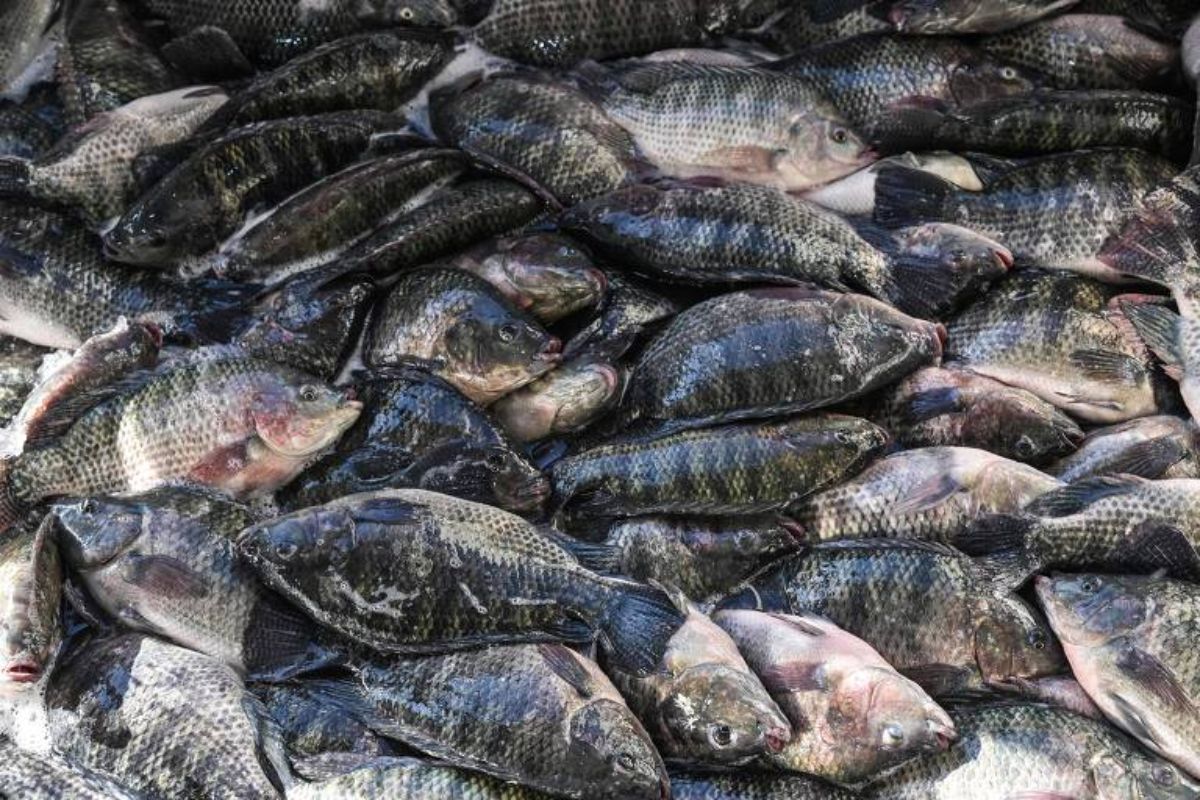
Temporary Suspension Of The National List Of Invasive Exotic Species Responds To Fishing Request, Opens Another 60 Days Of Debate With Economic Sectors, And Promises New Risk Categories, While Not Restricting For Now Breeding, Trade, Or Consumption, But Strengthening Environmental Monitoring Of More Than 400 Organisms Across The Country Today.
The suspension of the processing of the national invasive exotic species list by the Ministry of the Environment occurs amid the controversy over tilapia and strong pressure from sectors of aquaculture, agribusiness, energy, and other productive areas that fear impacts on their activities.
The measure returns the text for a new round of technical and political analysis after an initial internal consultation of 45 days and a request from the Ministry of Fishing to extend the evaluation period of species of economic interest by another 60 days, extending contributions until December 29 and reopening the debate on more than 400 organisms under surveillance without imposing, at this moment, any prohibition on breeding, trading, or consumption.
Why The List Was Suspended Now
The proposed list was being developed in the National Commission of Biodiversity, Conabio, a body that brings together representatives from different areas of government and society.
-
Alone, the producer applies 7,400 hectares with the T100 drone in an optimized structure, replaces the generator with a silent battery, and demonstrates how technology reduces costs, increases productivity, and even challenges the uniport in the field.

-
China banned the export of 22 tons of meat from Argentina.
-
JBS, founded by the Batista brothers, continues to conquer the world: entrepreneurs built a ‘factory in the desert’ creating 3,000 jobs.

-
With only 1% of Brazil’s territory, Santa Catarina has built one of the most competitive industrial parks in the country, with 64,000 companies, nearly 1 million jobs, and a growth rate of 5.3% while the national industry is practically stagnant.


After 45 days of internal consultation, the text was to be debated in a meeting to assess the contributions already received.
At this moment, the Ministry of Fishing requested another 60 days to carefully review the species of economic interest, including tilapia, which supports a large part of Brazilian aquaculture.
The request was accepted, the deadline for sending new manifestations was extended until December 29, and the original schedule became unfeasible.
Given the large volume of contributions, the government decided to pause the process to analyze the concerns of the productive sector point by point.
According to the National Secretary of Biodiversity, Forests, and Animal Rights, Rita Mesquita, manifestations from various segments arrived, both with technical suggestions and criticisms regarding the classification of invasive exotic species.
The assessment is that only after this detailed reading and new sectoral meetings will it be possible to resume the processing of the list.
What Changes For Species Of Economic Interest
The suspension does not end the work. On the contrary, it opens space to adjust the management model of invasive exotic species, creating risk bands and differentiated treatment.
The idea of the Ministry of the Environment is to categorize the list into groups with specific rules, including a block of economically important species that already operate in the country under licensing.
Sectors such as health, aquaculture, exotic species forestry, and hydropower are closely monitoring the debate.
Species that affect reservoirs, turbines, forest plantations, or productive systems need clear monitoring and containment rules, without halting activities that have already undergone environmental licensing.
Rita Mesquita emphasizes that the list is technical and preventive and is not created to prohibit business, but to guide public policy, require management safeguards, and ensure that the expansion of activities is carried out with less risk to native biodiversity.
According to the ministry, part of the reaction was fueled by false information about a supposed immediate prohibition of tilapia, which is not being discussed at this moment.
Technical Preventive List With More Than 400 Species
The future national list of invasive exotic species is presented by the government as a tool for anticipating risks, not as an automatic package of prohibitions.
The preliminary document includes more than 400 organisms, including fish, mammals, trees, fungi, mollusks, and other species already recorded in the country.
The function is to identify in advance which of them have the potential to become invasive outside controlled environments.
From there, environmental agencies can require structures to prevent escapes, monitoring protocols, contingency plans, and other preventive measures. Being on the list means “deserving attention,” not having consumption or breeding automatically banned.
The classification itself may change over time. New scientific evidence, climate changes, expansion of the area of occurrence, or changes in land use may lead to the inclusion or removal of species, adjusting the classification according to the real risk scenario.
Monitoring considers whether the exotic species survives unchecked, is predated, captured, or, in the worst case, starts to form stable populations in natural environments.
From Tilapia To Wild Boar And Arapaima
Today, tilapia already operates in a robust regulatory environment, with enterprises licensed by Ibama and state agencies.
The government insists that the possible inclusion of tilapia in the list of invasive exotic species would not, by itself, have a direct impact on the production, commercialization, or consumption of the fish but would require increased attention to physical barriers and best management practices to prevent escapes.
Other species, however, attract attention due to the more obvious risk. The wild boar is an emblematic case: there are reports of damage to crops, attacks on animals, and sanitary risks for pig herds, in addition to possible impacts on native fauna.
The history of wild boar invasion illustrates how an introduced species can spread rapidly, simultaneously affecting the environment and rural economy.
The arapaima represents a more complex situation. It is native to the Amazon and part of Brazil’s biodiversity but is treated as an exotic species when introduced into watersheds where it does not occur naturally.
Being a large predator, if it escapes from tanks outside the Amazon, the arapaima can put pressure on local species that have never coexisted with it.
Therefore, it appears on the list as an exotic invader when outside its original environment, requiring specific monitoring and structures that reduce the risk of escape.
Devil’s Claw Threatens Carnauba In The Caatinga
An example used by the ministry to show the concrete impact of invasive exotic species is in the Caatinga. The carnauba, a palm native to the biome, is strategic both ecologically and economically: its wax and leaves sustain the income of thousands of extractivists in the Northeast.
The climbing plant known as devil’s claw, native to Madagascar, was introduced and adapted to the semi-arid climate. With aggressive growth, it wraps around the trunk and covers the canopy of carnauba palms, blocking light entry and harming photosynthesis.
In practice, the invader “suffocates” the palm and can lead to the death of entire trees, reducing wax production and threatening productive chains that depend on carnauba.
This case is used as a warning that without proper management of invasive exotic species, the damage is not only ecological but also social and economic, falling precisely on rural communities that depend on native vegetation for survival.
Next Steps And Open Debate
There is still no date for the formal resumption of the processing of the list. First, Conabio needs to complete the analysis of the contributions received during the initial 45 days of consultation and in the additional period requested by the Ministry of Fishing. Then, it should send a recommendation to the Ministry of the Environment.
Only then should MMA coordinate with other directly affected ministries, such as Health, Fishing, Agriculture, and Mines and Energy, before publishing a final version of the national list of invasive exotic species, already with the new risk categories and economic interests.
The promise is to combine biodiversity protection with legal security for productive activities that adopt good management practices.
In Light Of The Controversy Surrounding Tilapia And The Rise Of Cases Such As Wild Boar, Arapaima Outside The Amazon, And Devil’s Claw In The Caatinga, The Question That Remains Is Simple And Direct For Those Who Rely On Production And For Those Who Care About Brazilian Nature: Do You Think The Country Is Right To Tighten Surveillance Without Banning The Breeding Of These Species Or Should The Government Be Stricter With Invasive Exotic Species?










-

-

5 pessoas reagiram a isso.