





 Portuguese
  English
  Spanish
  6 min of reading
  114 comments


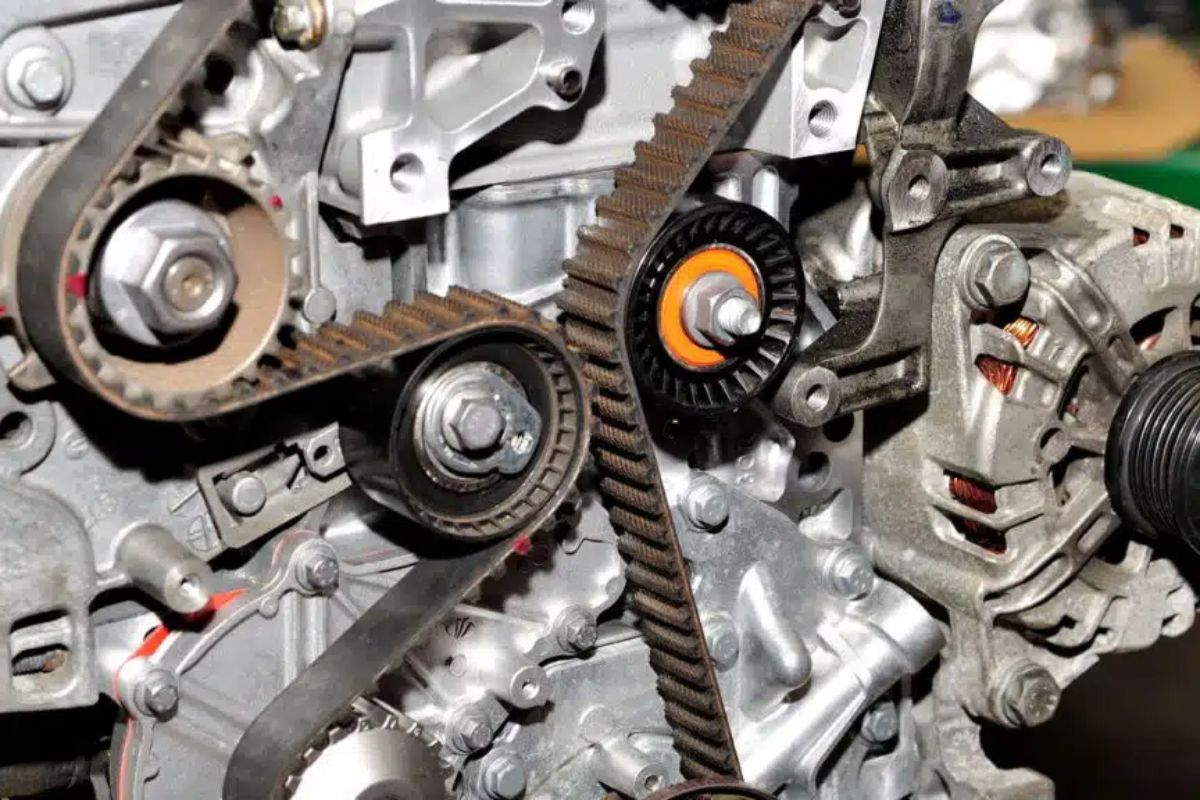


Under Pressure, Automaker Changes Material of the Oil-Soaked Belt, Expands Warranty for Three-Cylinder Engines, and Attributes the Flood of Criticism of the Onix to Automated Comments on Social Media
The crisis surrounding the oil-soaked belt of the three-cylinder engines from Chevrolet is no longer just a technical problem. It has turned into a digital reputation case. As soon as the name Onix appeared online, a series of similar comments, many of them with repeated phrases and bomb or laughing emojis, flooded the comment sections on platforms like YouTube and Instagram, consistently linking the model to the risk of engine failure.
In light of this situation, GM decided to react on two fronts. On one hand, it presented an internal survey indicating evidence of the use of automated profiles, known as “bots,” to inflate the controversy surrounding the oil-soaked belt. On the other, announced concrete changes to the part and the warranty policy, in an attempt to mitigate the damage to the Onix in the market and reduce the fears of those already associating the hatchback and sedan with the risk of costly maintenance and mechanical problems.
How the Controversy Over the Oil-Soaked Belt Gained Traction
The starting point is the solution chosen by Chevrolet for the three-cylinder engines of the Onix, Tracker, and Montana.
-
For R$ 32,000, a brand new Hyundai car is a rival to the Kwid with a 1.2 engine producing 82 hp, 6 airbags as standard, multimedia with wireless Android Auto, up to 391 liters in the trunk, and a refreshed look for 2026 in India.
-
He bought a new car in 1983, locked it in the barn in 1988, and no one opened the door for 38 years until the family discovered what was stored inside and realized it looked like something out of a movie.
-
A 250cc motorcycle that can reach 560 km with a 14-liter tank, features disc brakes on both wheels and is among the most well-known in Brazil.
-
Man finds over 200 rare cars abandoned on a lot and tries to do the impossible in 8 hours with a surprise at the end.

The oil-soaked belt was presented as a technical differential, capable of delivering a quieter and more economical engine than sets with a timing chain, while being more durable than conventional timing belts.
In practice, however, some owners reported premature wear of the part, especially when the oil used did not precisely follow the specifications determined by the brand.
The combination of maintenance-sensitive technology with communication deemed flawed opened space for reports of serious problems, including clogging of lubrication galleries and the risk of engine seizure.
As a result, the topic moved out of the technical sphere and began to spread across social networks, directly affecting the perception of reliability of the Onix, especially in the used car market, where any controversy regarding the engine weighs more than a mere cosmetic touch-up or dashboard update.
What GM Says It Found in Internet Comments
During the presentation of the 2026 line of the Onix, Chevrolet displayed a survey of the most commonly used terms in negative comments about the car. Expressions like “swapping six for half a dozen” and “that is,” combined with bomb and laughing emojis, appeared repeatedly in a standardized manner across thousands of interactions, which the automaker interprets as a possible sign of automation.
According to the brand, many profiles responsible for the attacks on the oil-soaked belt of the Onix had no profile picture, were created shortly before the posts, and were already deactivated by the time the company attempted to reach out. In parallel, GM highlighted another piece of data: on official channels, only about 3 percent of interactions addressed the timing belt, a percentage considered “within expectations,” contrasting with the pressure seen in third-party content.
Another curious point was the presence of comments in Uzbek, a language spoken in Uzbekistan, a country where the Onix is also sold with a three-cylinder engine and oil-soaked belt.
The automaker does not point out who may be responsible but questions whether the entire wave of criticism comes from real owners or if part of it has been artificially amplified.
Understand the Technology of the Oil-Soaked Belt and Where It Failed
In theory, the oil-soaked belt seeks to combine the best of both worlds.
By operating immersed in lubricant, the part is protected from dust, external contaminants, and extreme temperature variations, which brings its lifespan closer to that of a timing chain, while ensuring smoother and quieter operation.
The Achilles’ heel appeared precisely at the most sensitive point of the system: the oil.
When the lubricant used did not follow the exact specifications recommended by GM, the belt could suffer accelerated deterioration, releasing debris that mixed with the engine oil.
This wear created the most feared scenario for any owner: particles circulating through the system, clogging passages and internal channels, reducing lubrication, and paving the way for serious damage, including the risk of seizure.
Even without admitting a “defect” in the design, the automaker had to recognize, in practice, that the belt-oil-maintenance combination required a level of discipline and information not always present in everyday use, especially in a country where unauthorized changes are common.
What’s Changing with the Oil-Soaked Belt Starting from the 2026 Line
To try to turn the page, GM announced an important change to the part itself.
The oil-soaked belt will now be manufactured with a new compound that combines Kevlar and Teflon, materials more resistant to wear, even in situations of use with inadequate oil.
The promise is greater tolerance for maintenance deviations, reducing the chance of accelerated deterioration.
In addition to the material change, there was a direct adjustment in the warranty policy.
The three-cylinder engine with an oil-soaked belt now comes with an extended warranty of 240,000 kilometers, which is a clear message of confidence in the technical package.
GM also stipulated that the engine warranty be reactivated for any Onix three-cylinder that returns to the dealership for inspection of the old belt, combined with an oil change for an informed amount of R$ 660.
If, during this inspection, the belt needs to be replaced with the new version or if related components need to be replaced, the owner can authorize the service for an additional cost of R$ 700.
In practice, this is a structured pathway to gradually migrate the fleet equipped with the old version of the oil-soaked belt to the new standard, aligned with the attempt to regain confidence.
Why It’s Not a Recall, but It Feels Like a Crisis Response
Even with all this movement, GM does not classify the case as a recall and avoids discussing a “structural problem” with the car.
The official narrative is one of product adjustments and after-sales policy, supported by efforts to clarify proper maintenance and the use of the recommended oil.
From the consumer’s perspective, however, it is hard not to view the changes in the oil-soaked belt and the warranty coverage as a direct response to the image crisis.
The Onix has faced rejection in the used car market, while the Tracker and Montana, which use the same system in 1.0 and 1.2 turbo engines, hardly appear at the center of the digital storm, reinforcing the thesis that the main target is the most popular hatchback in the range.
The automaker is trying to balance two delicate fronts: protecting the reliability reputation of the brand while simultaneously avoiding the formal admission of a defect that could trigger broader actions, like recalls or larger legal disputes.
For this reason, it relies on a package of technical and commercial measures that, in practice, offers an extra safety net to those dealing with the oil-soaked belt, without officially labeling the case as a widespread failure.
Between Engineering, Perception, and Trust: What Remains for the Onix Owner
In the end, the discussion about bots, comment patterns, and coordinated attacks does not eliminate the central point for anyone who has a car in the garage.
The owner wants to know if the oil-soaked belt will last, if the engine is protected, and how much it will cost to keep the car running safely.
GM responds with the new belt, the extended warranty, and the inspection program with defined values, but rebuilding trust usually takes longer than any part replacement.
Meanwhile, the image of the Onix remains at the center of a conflict between data presented by the manufacturer and reports from those claiming to have encountered problems.
The way this equation will be resolved depends both on the real performance of the new oil-soaked belt and on transparency in the relationship with customers moving forward.
And you, given all this, would you trust buying an Onix with an oil-soaked belt relying only on the new belt and the extended warranty, or would you still wait to see how the story unfolds in the coming years?









Eu vou esperar pra ver . Tenho um Agilé 2013 , 1.4 aezitronik 98.000 km .
Já tive chevete 78
Cheve 500 84
Prisma 1.4 manual 2010
Confio muito na GM. CHEVROLET
GM querendo tapa os buracos que ela criou no mercado, esse sistema é um lixo para pegar ****, até os robôs que comentaram sabem que a correia banhada é um suicídio ao bolso.
O engenheiro soube o que fez e a gente não sabe o que comprou. Deus mim livre