





 Portuguese
  English
  Spanish
  3 min of reading


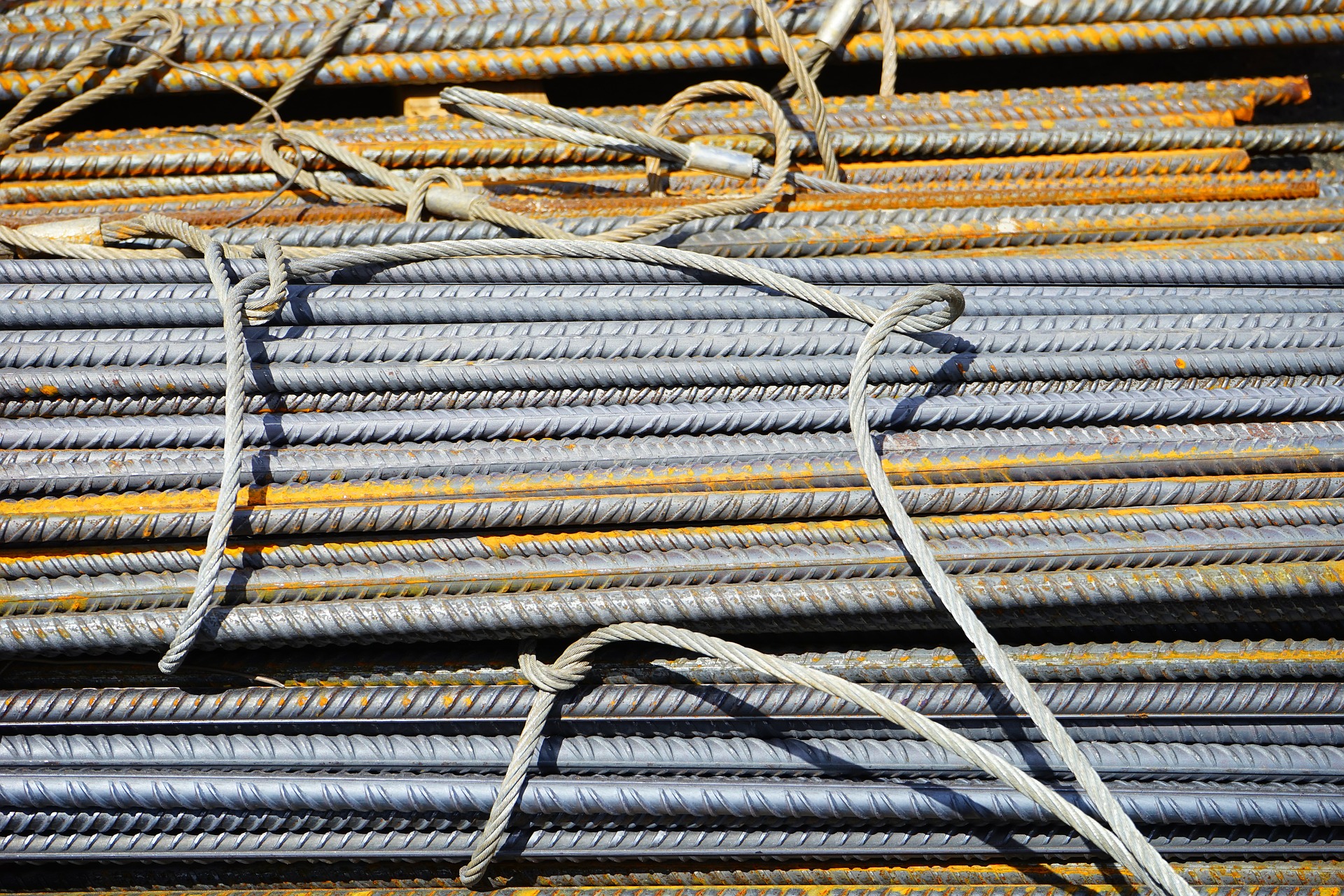
The Maeda Recycling Group Contacted CPG – Click Oil and Gas to Announce a Breaking News: The Company is Recycling Monthly More Than 800 Tons of Industrial Waste by Having 54 Partner Companies, of Which at Least 200 Tons are Iron.
The Maeda Group Recyles operates with the recycling of solid waste such as metal and cardboard. According to the press office, only in the month of May, they recycled more than 200 tons of iron resold by commercial partners.
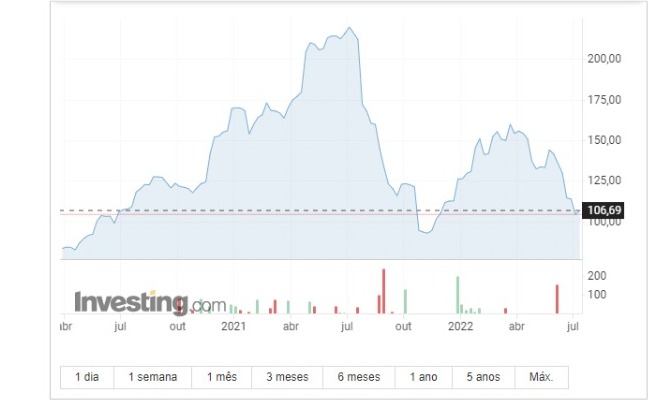
Iron has lost market value after its peak during the Covid-19 pandemic: now, the commodity accumulated sharp drop of over 52% in the last 52 weeks, making civil construction and industrial processes cheaper – despite Brazilian inflation in double digits.
-
Made from recycled plastic, plastic wood is gaining space in the construction industry because it does not rot, resists moisture, and reduces maintenance costs over the years.

-
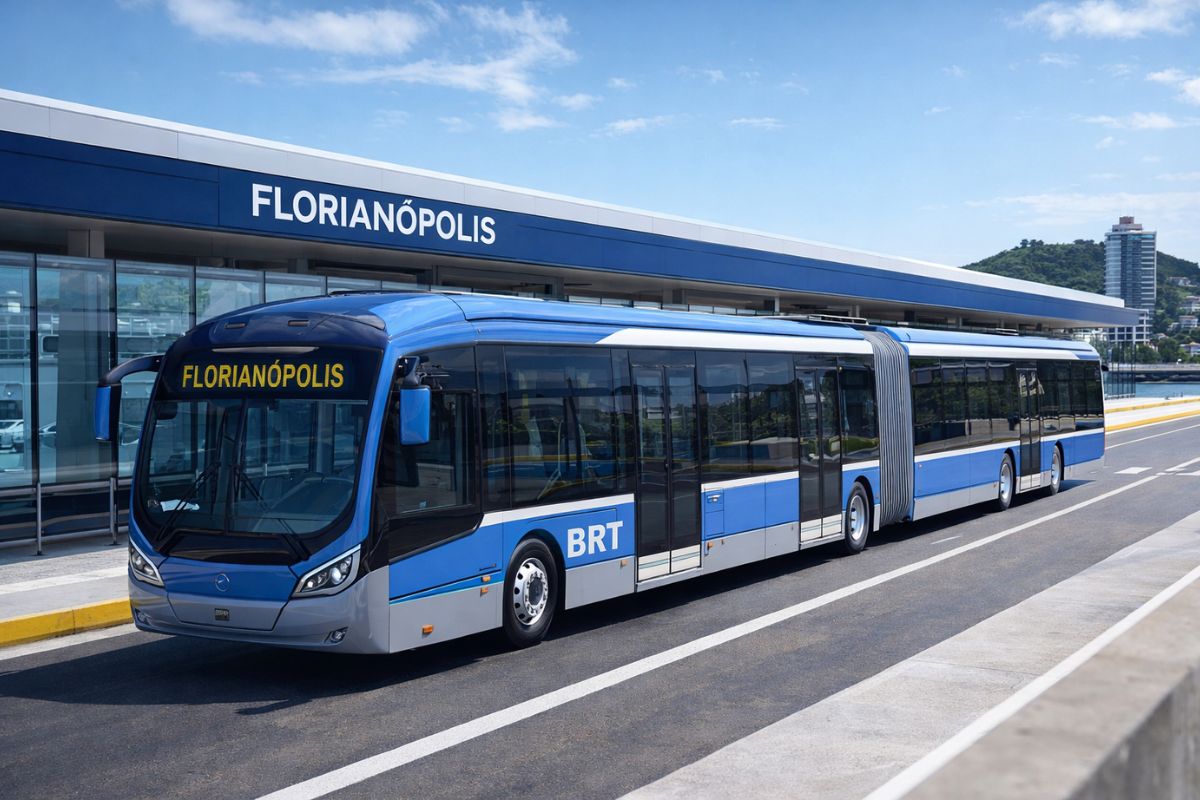
Florianópolis will receive a million-dollar BRT that will begin construction in 2026 with nearly 400 million in funding from the federal government and the Inter-American Development Bank, and the map already shows the routes for the exclusive bus corridors.
-
Without a blueprint, without an engineer, and using scrap from the dump, a father spends 15 years building an 18-room castle for his daughter, featuring tram tracks, 13 fireplaces, and over 700 m², which may now be demolished.

-
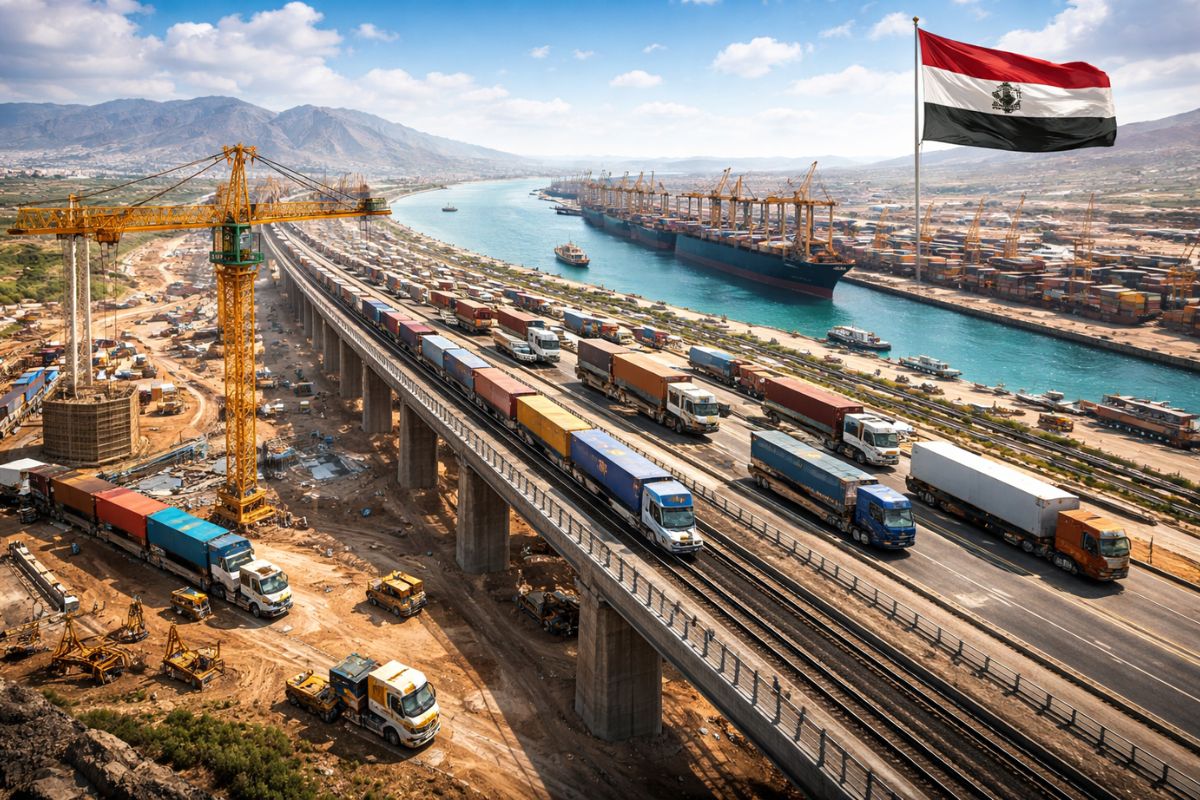
A megaproject worth R$ 89 billion is advancing in Iraq and promises to change the game in global trade by creating a new corridor between Asia and Europe, reducing traditional routes and repositioning the country as a logistics powerhouse.

The group has a reverse strategy in which it buys waste from partner brands and resells it to the market already ready for reuse, circulating the economy. By the year 2024, the goal is to produce more than 5,000 tons of recycled materials to be resold.
Increase in Solid Waste Generation Makes Recycling Essential
According to data shared by the Abrelpe Panorama 2018/2019, the generation of solid waste in Brazil reached nearly 217 thousand tons in the period from 2017 to 2018. However, only a portion of 2% is recycled according to the standards required by law, which often leads to a significant portion of materials being improperly disposed of in the environment, polluting soils and rivers.
The industrial goals state that by the year 2040, the recycling rate should reach half of all the waste produced. Companies like the Maeda Group are crucial to this process by encouraging industrial brands to (re)sell waste in order to acquire financial returns.
Initially, the goal was for at least 14% of all waste produced in Brazil to be recycled by 2024; however, the disparity in selective collection in Brazil is significant and reflects reality, hindering the achievement of the objective.
Started with Cardboard and Moved to Metal, Such as Iron
The CEO, Leonardo Maeda de Carvalho, stated that the company began recycling cardboard in the 90s but gradually expanded its activities to include other metals, and finally iron and aluminum. Scarce metals and plastic were later added to the corporation’s rich portfolio.
Leonardo mentioned that Maeda creates incentives for partner companies to sell scrap, such as payment for the materials, and also collects all solid waste without the partner having to worry about transportation and logistics.
In addition to purchasing at least 200 tons of iron in May, the company also made the acquisition of aluminum (12 tons) and cardboard (150 tons), not counting other products that are also part of its list of acquisitions.
China Crisis Impacts Iron Prices: “Possible Covid-19 Crisis in 2022”
The price of iron metal has sharply fallen by 50% in just one year. The crisis in the sector is caused by the Shanghai Futures Exchange, which fears stagnation in the civil and real estate construction sector involving one of its largest producers. Chinese entrepreneurs are pushing for changes in interest rates to provide new loans and revive the economy.
Companies in China have closed again after new Covid-19 crises, including cities responsible for nearly 20% of GDP (Gross Domestic Product).







Seja o primeiro a reagir!