





 Portuguese
  English
  Spanish
  3 min of reading


With the Federal Government’s proposal to tax oil exports as a way to stabilize the values of the commodity, in response to the increase in fuel prices by Petrobras, the Brazilian Institute of Oil and Gas (IBP) issued a statement criticizing this position.
Last Friday, (06/17), Petrobras announced another increase in fuel prices, annoying the Bolsonaro government, which now intends to take measures to address the increase in values, with the taxation of oil exports. Thus, the Brazilian Institute of Oil and Gas (IBP) issued a statement on Sunday, (06/19), criticizing the government’s stance and stating that it does not approve any type of taxation on this kind of operation in the country.
Bolsonaro Government Plans to Impose Taxes on Oil Exports in Response to the Increase in Fuel Prices by Petrobras
The decision to adjust the prices of fuels such as diesel and gasoline in Brazil last Friday by the state-owned Petrobras caused tension in the national government, which is now disappointed with the company and is seeking measures to respond to the decision. Thus, one of President Jair Bolsonaro’s main proposals is to tax oil exports in the country, but this is not the most acceptable initiative at the current moment.
In this way, the IBP spoke out and stated that it does not agree with the current stance of the government, criticizing how the political background is impacting decisions in the oil and gas sector in the country.
-
Brazilian giant expands borders in the Southeast: Petrobras confirms new oil discovery in ultra-deep waters in the pre-salt of the Campos Basin.

-
Alert in the global energy market: Severe tropical cyclone hits the coast and disrupts gas production at major plants in Australia, threatening global supply.

-
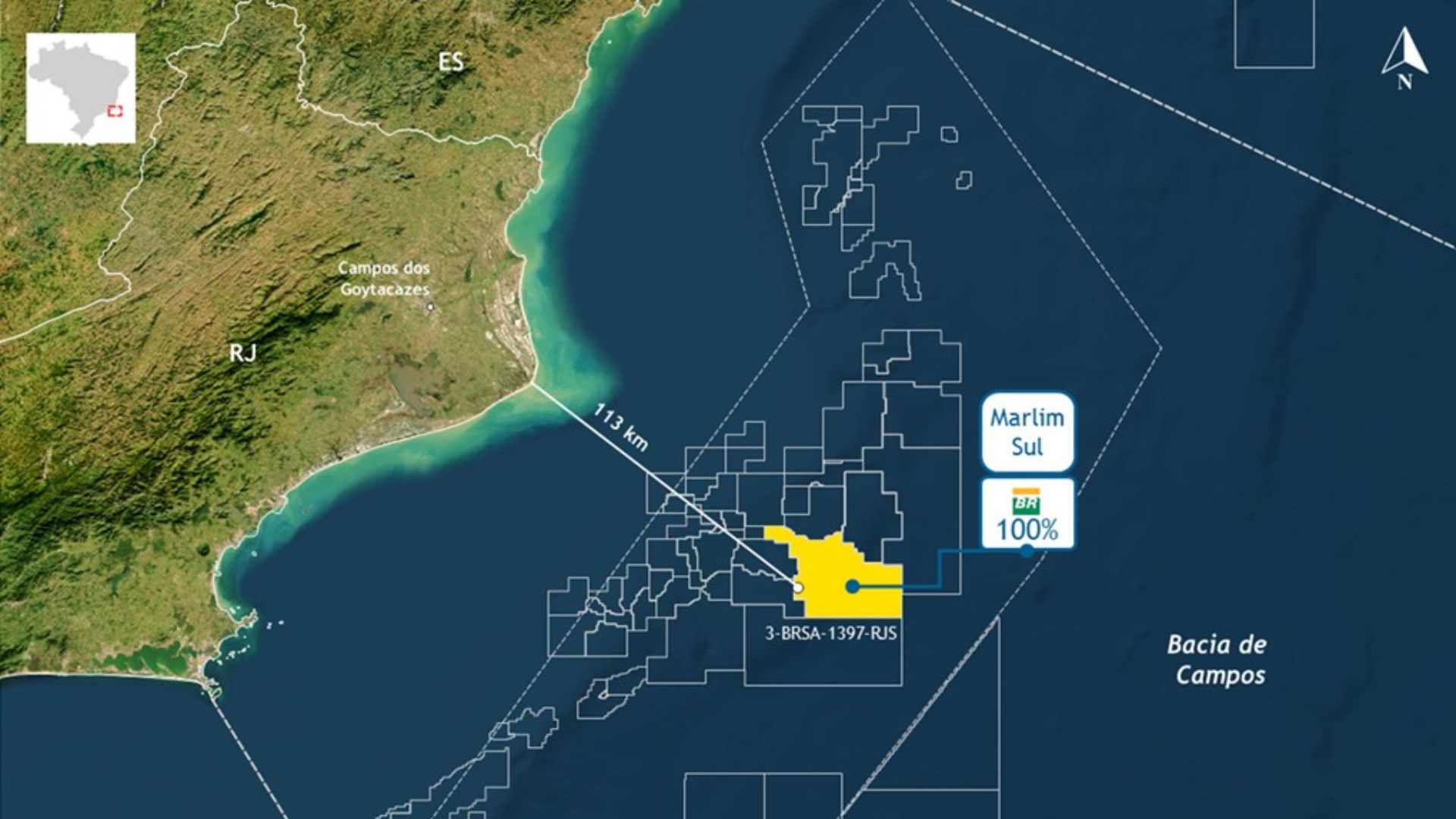
Petrobras finds high-quality oil in the pre-salt at 113 km from RJ and reignites expectations about strategic reserves in the Campos Basin.

-
Ocyan opens registrations for startups focused on innovation in the oil and gas sector and will select projects for Innovation Day with the support of Nexio.

Although the increase in fuel prices by Petrobras is not the best scenario for Brazil, the IBP does not believe that taxing oil exports will be the best measure to address the situation. This is because this decision may diminish international trade relations and endanger the current situation of the country.
Thus, the institute advocated for a series of other measures that can be taken to address the current moment, including the maintenance of Petrobras’s divestment program, “broad” tax reform, and social programs focused on the “most sensitive sectors” to rising prices.
The government’s proposal aims to use the taxation of oil exports as a way to reduce the price of fuels in Brazil, particularly diesel, according to the author of the proposal, Deputy Danilo Forte (União Brasil-CE), but uncertainties regarding the decision remain very high.
IBP States That Fuel Price Adjustments Do Not Depend Solely on the Domestic Market and Reaffirms the Need for Competitiveness in the Segment
After the price adjustment of fuels by Petrobras last week, the IBP reinforced that the need for these changes stems from the law of supply and demand in the international market, as the state-owned company bases its prices on foreign values for the commercialization of products.
In this way, the institute believes that alignment with international reality is essential to attract more investments to the sector, in addition to competitiveness in the Brazilian market.
Furthermore, the IBP also commented on the Fuel PEC and the current government stance and highlighted: “The recent measures that were timely approved by the National Congress and with the support of the Executive Power, which promote tax reductions on petroleum derivatives and biofuels, are important signals and show that national political leaders are on the right track in pursuing tax simplification and introducing greater competitiveness in the production chain, with benefits for the market and society.”
Thus, although it does not agree with the taxation of oil exports, the institute still believes that the Federal Government is on the right track to ensure improvements in the Brazilian fuel sector and hopes for positive changes with the Fuel PEC and the cap on ICMS rates on fuels.









Seja o primeiro a reagir!