





 English
  Francês
  Alemão
  Italiano
  Japonês
  Norueguês
  Portuguese
  Spanish
  4 min of reading


Huawei Banned In The US, Partners With SMIC To Set Up A Semiconductor Chip Factory With An Investment Of US$ 10 Million
Huawei remains blocked by the US from conducting business with American companies, which makes the company’s future uncertain in the smartphone and mobile device sector. Currently, the Chinese manufacturer has a partnership with the semiconductor chip manufacturer Semiconductor Manufacturing International Corporation (SMIC), aimed at establishing its own semiconductor and processor factory. Given that the US ban is unlikely to be lifted anytime soon, with a more adverse scenario probable, the company will have to rethink its strategy to avoid being completely outpaced by its competitors.
Read Other Related News
Huawei And SMIC May Build A Semiconductor Factory
With the US ban and according to recent rumors, Huawei is said to have reached an agreement with local manufacturer SMIC to establish a new production unit for processors, semiconductors, and other chips that are necessary for smartphones and mobile devices.
Reuters reports mention, as well as SMIC’s production capacity, Huawei’s chip design and licensing capabilities. It is important to note that factories capable of producing semiconductors are in short supply worldwide. Therefore, if Huawei and SMIC reach an effective agreement, a new semiconductor factory may emerge in mainland China.
-
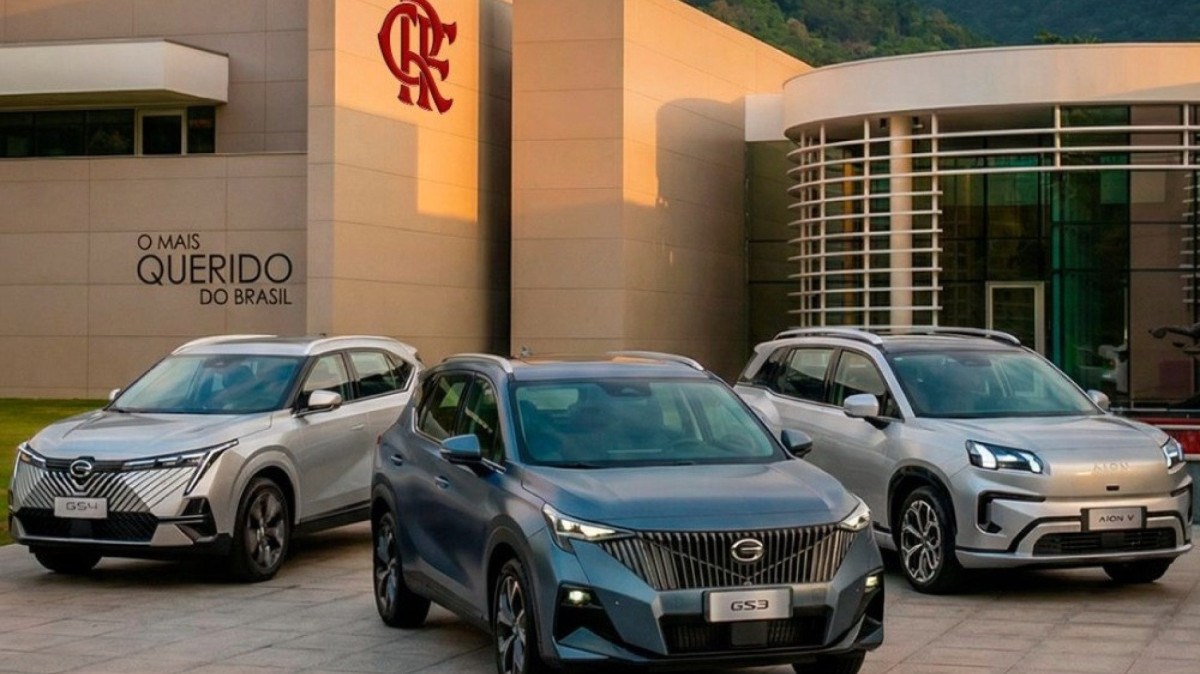
After launching the new GS3 with a 1.5 turbo engine producing 170 hp, GAC partners with Flamengo, enters the field with the largest fan base in Brazil, and accelerates an ambitious offensive to gain scale and confidence in the national market.
-
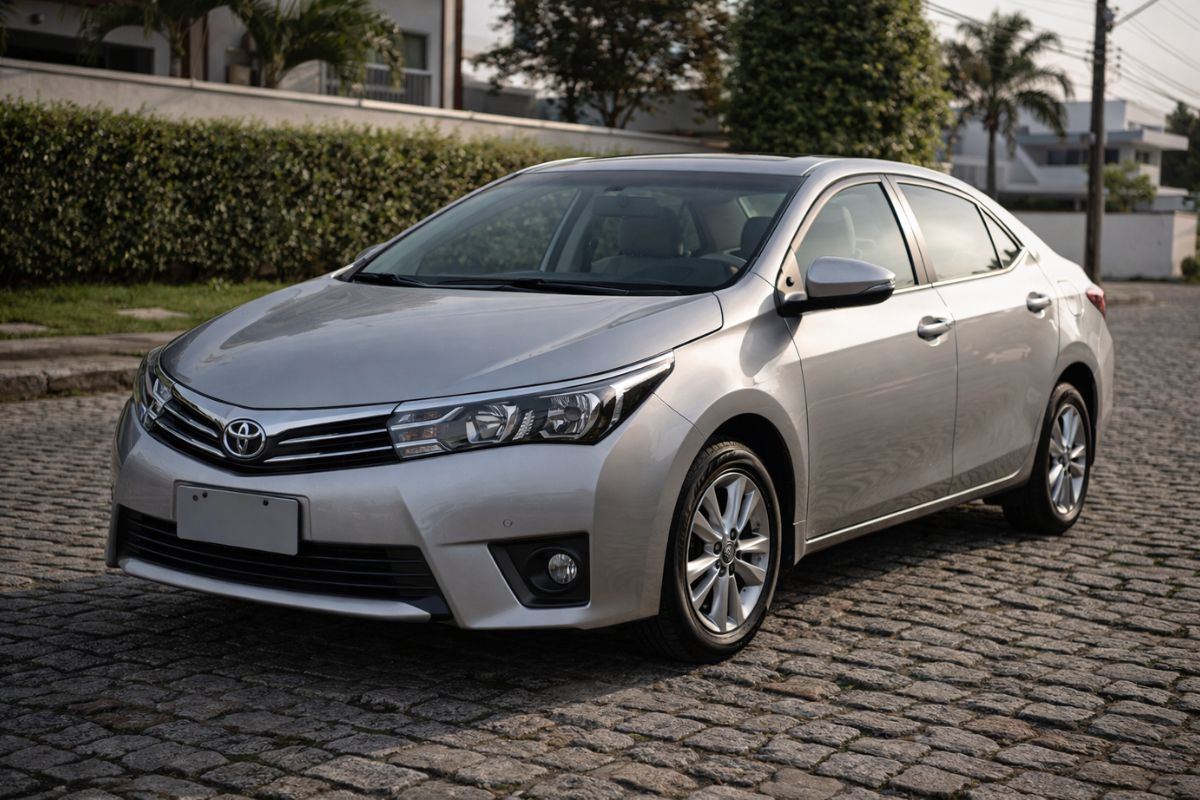
The Corolla from 2015 to 2019 depreciates so little that a 10-year-old model is still worth over 76 thousand reais, and owners treat this sedan as a safe investment thanks to its reputation for durability that no competitor has been able to match.
-
Is it worth considering a financed 2025 HB20 Comfort? A simulation with R$ 50,000 in the bank shows installments ranging from R$ 5,687 to R$ 2,365.

-
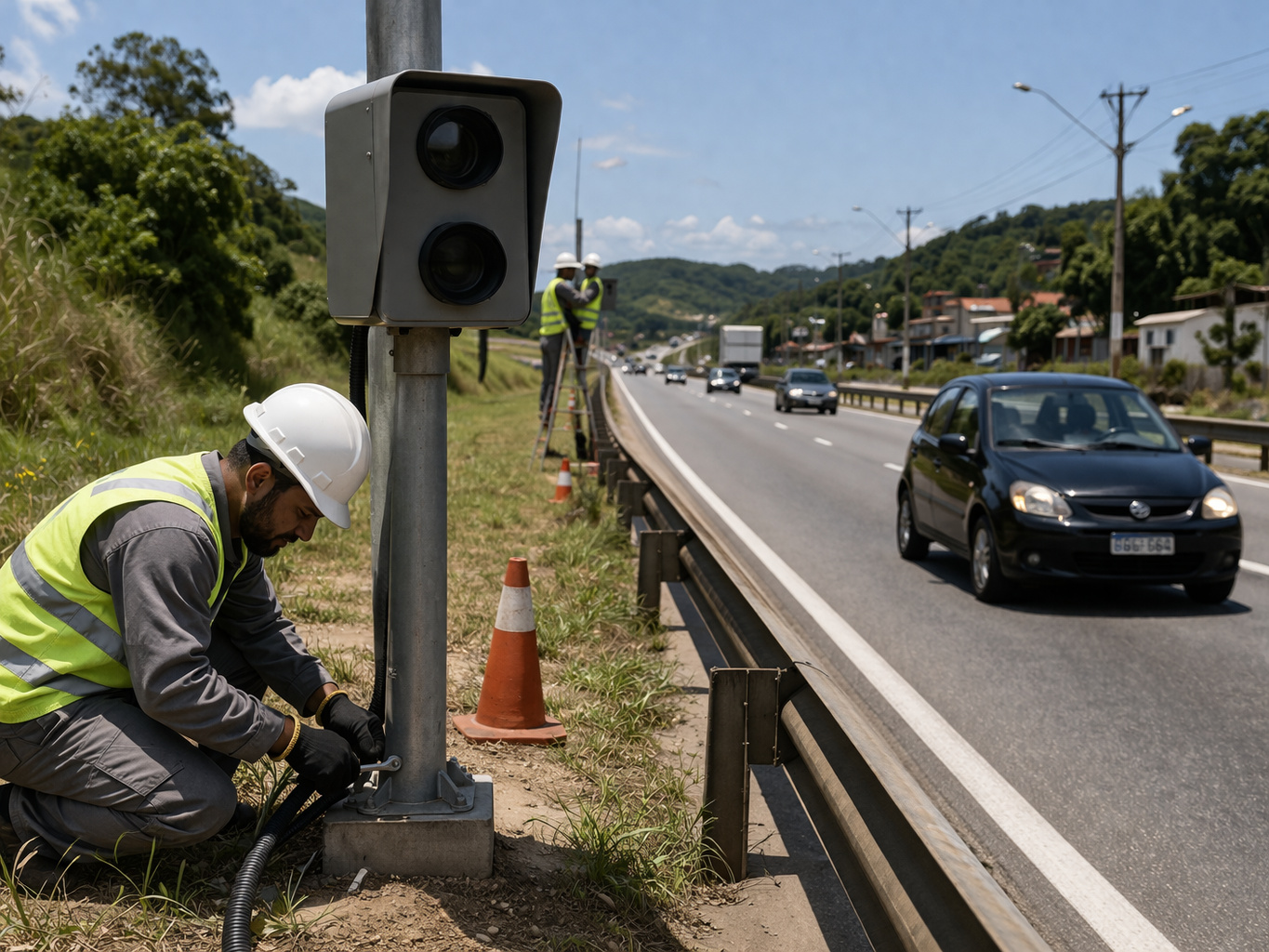
Road surveillance in Rio de Janeiro enters a new phase with the installation of more than 140 speed cameras on highways RJ-106 and RJ-104, and DER-RJ expands speed control in high-traffic areas.

Both Companies Are On The US Blacklist
Both companies are on the US blacklist, so the partnership could bring benefits to both technology giants. Huawei would thus have a greater capacity to manufacture semiconductor chips for its products, something that would help alleviate the difficulties resulting from the blockades and sanctions imposed by the US.
Currently, Huawei is severely limited in semiconductor production, which is also affecting its market position and compromising its access to other important technologies for its activities and equipment, such as mobile devices. SMIC is the most advanced Chinese company in chip manufacturing. It is effectively a foundry with the know-how to produce chips at 7 nm, for example. It is also a company partially supported by the Asian country.
Huawei Estimates To Invest US$ 10 Million In The New Factory
Huawei’s investment will amount to around US$ 10 million. Thus, what is expected is a new advanced factory equipped with the most modern production lines.
It is not yet clear who will own the new semiconductor chip factory, but given the investment that will be made, ownership could be attributed to Huawei.
In any case, the new facilities may be managed by both entities in China. However, it is necessary to wait for more information to assess the exact scope of this supposed partnership between the two companies.
After Meeting With Brazilian Minister, Tesla Owner Elon Musk Considers Meeting Semiconductor Demand And Brazil May Receive A Factory
In a meeting with Fábio Faria, Minister of Communications, last Monday (15), Elon Musk stated that to escape the ongoing microchip crisis worldwide, there might be no choice but to invest in a semiconductor factory.
Brazil would be one of the most likely countries to receive the CEO of Tesla’s investment. The topic arose after Faria proposed the construction of a Tesla factory in the country and mentioned that he also plans to make Brazil an important country in semiconductor production again, something that was happening until the 1980s.
The meeting in question, as seen in the featured photo, was actually for negotiations about the installation of Starlink satellites, which Elon Musk also serves as CEO, to monitor deforestation in the Amazon and connect schools located in remote areas with super updated internet.









Seja o primeiro a reagir!