





 Português
  Inglês
  Espanhol
  4 min de leitura
  0 comentários


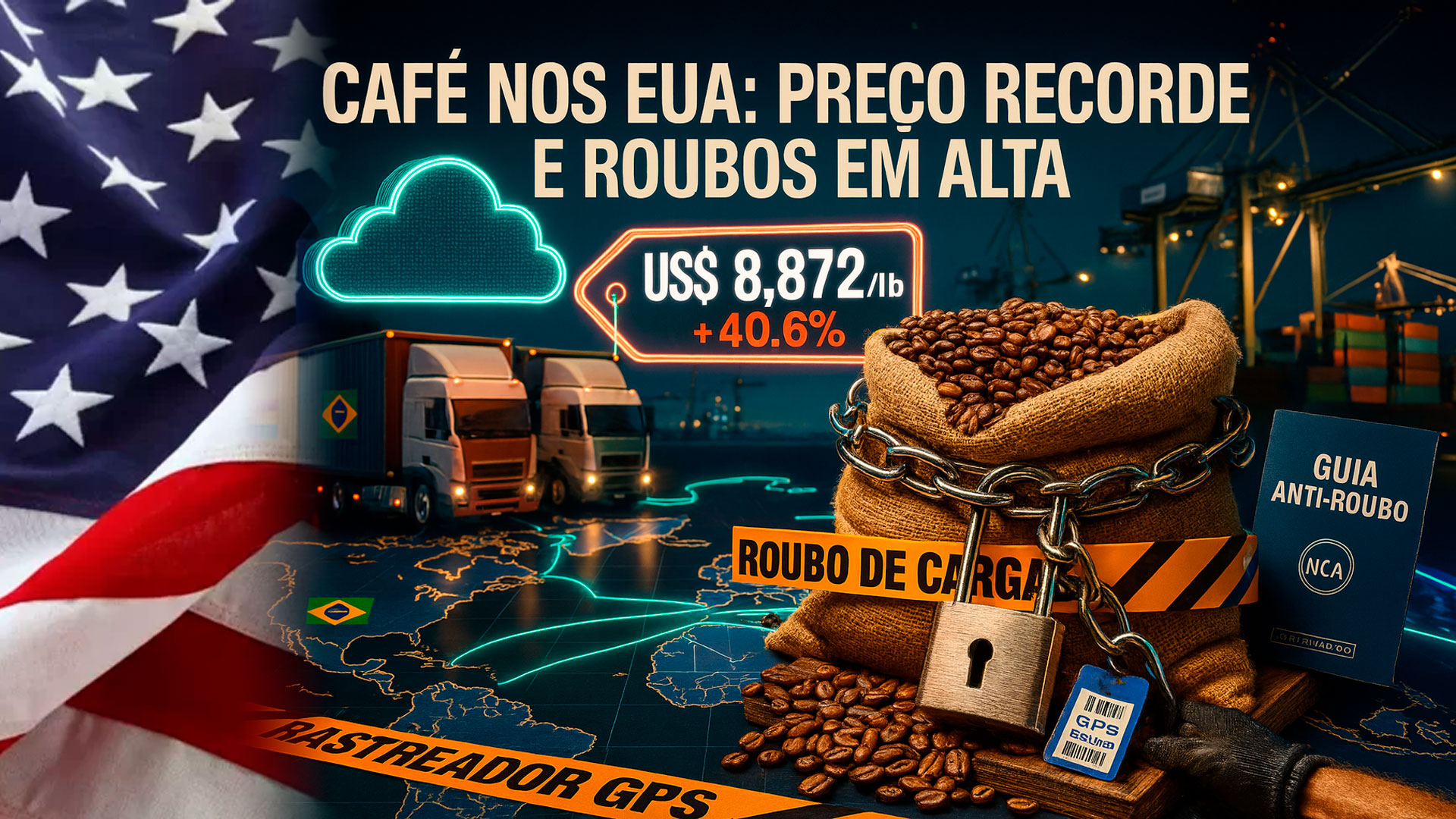
In August, the average price of roasted and ground coffee in the US reached US$ 8.872 per pound, while coffee theft spreads along routes between ports and roasteries; the National Coffee Association (NCA) launched a guide with safety protocols.
The American coffee market is under dual pressure from record consumer prices and an increase in cargo thefts on highways. The combination raises operational costs and increases risk for importers and roasters.
According to the official series from the Bureau of Labor Statistics (released on FRED), the average price in supermarkets reached US$ 8,872 per pound in August 2025, the highest in the series. This level reinforces the escalation of recent months.
The cost increase occurs amid adverse weather in major producing countries and new tariffs imposed by the US on Brazilian coffee, affecting supply and driving up prices. Major chains are trying to cushion the impact, but passing the costs is inevitable when the shock persists.
-
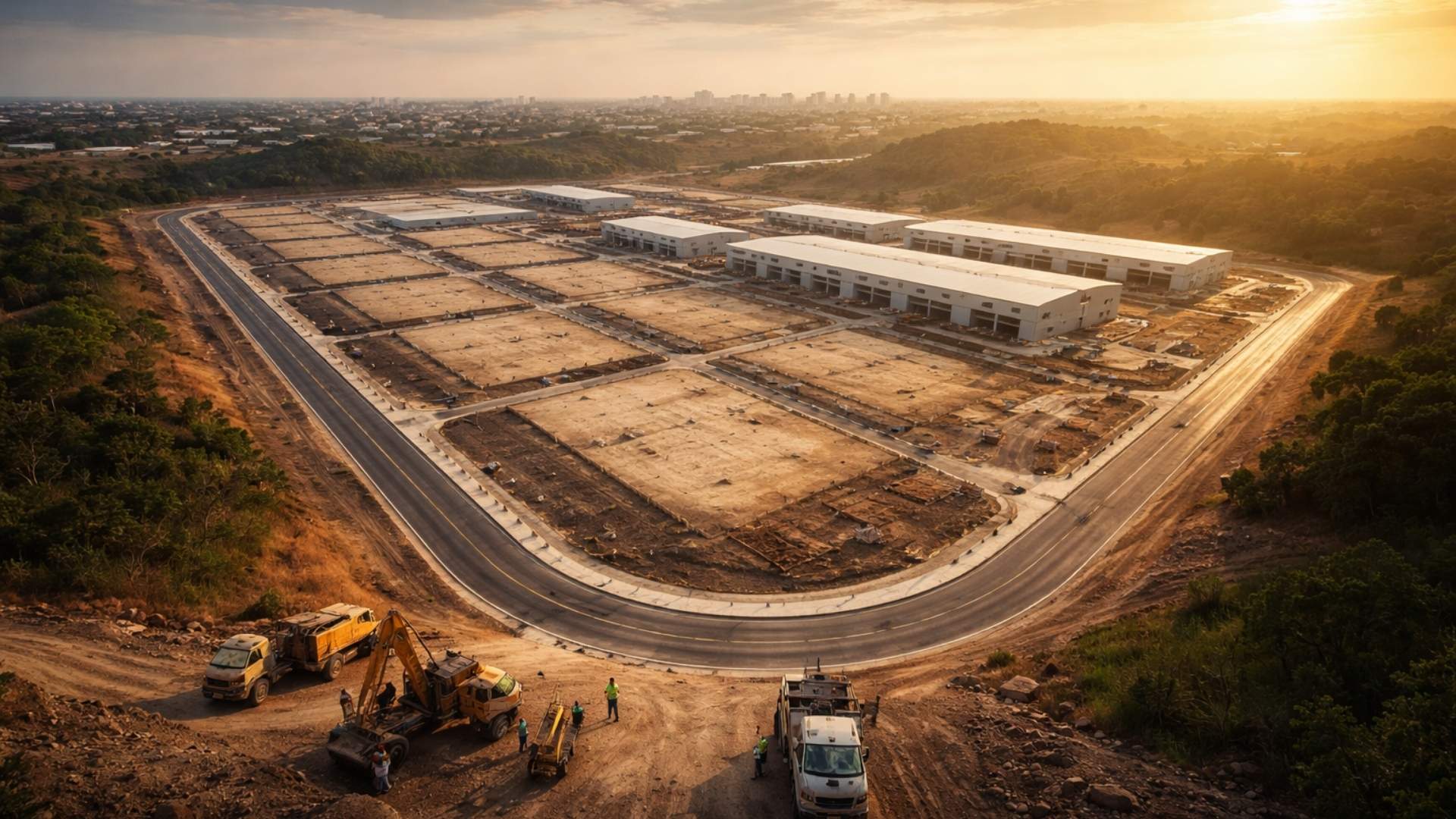
Brazilian city gains industrial hub for 85 companies that is equivalent to 55 football fields.

-
Peugeot and Citroën factory in Argentina cuts production by half and opens a layoff program for more than 2,000 employees after Brazil drastically reduced purchases of Argentine vehicles.

-
A Brazilian city gains a factory worth R$ 300 million with the capacity to process 200 thousand tons of wheat per year, a mill of 660 tons/day, silos for 42 thousand tons, and an industrial area of 276 thousand m².
-
Havan will leave the shopping mall in Blumenau to inaugurate something that the chain has never done before: a megastore in half-timbered style in the Historic Center of the city, which is expected to be completed in May and change the landscape of local retail.

On the other hand, specialized gangs have intensified fraud and truck diversions involving green beans and finished products, increasing losses in the supply chain. Companies have responded with new security protocols and tracking.
US Coffee Prices Reach Record High and Pressure Supermarkets
The data from BLS/FRED confirms the peak of US$ 8,872 per pound in August 2025. It is a clear signal of tightening in retail and in stock replenishment contracts. Consumers are feeling the high prices on the shelves.

The financial press points to two forces behind the escalation: breaks and uncertainties in Brazil and Vietnam and a 50% tariff applied by the US on Brazilian coffee starting in July 2025. The combined effect has reduced supply and increased import costs.
A recent Reuters report also mentions the funds rush in arabica contracts on ICE, which increases volatility and makes it difficult for smaller roasters to hedge. For consumers, this translates into higher price tags throughout the second half of the year.
Retailers are trying to absorb some of the cost to avoid losing traffic, but the margin is limited as replenishment costs continue to rise. The consensus is that prices will remain sensitive to weather, tariffs, and exchange rates.
Coffee Theft Increases and Adopts Identity Frauds
Security reports indicate a consistent rise in cargo thefts in 2025. In the 2nd quarter, Overhaul reported 525 incidents in the US, 33% above the previous year, with food and beverages among the top targets.
Reuters reports “dozens” of cases involving green beans, discussed at the annual NCA conference in Houston. The recurring tactic is fake pickup: criminals pose as legitimate transport companies, take the container, and disappear with the cargo.
The unit value heightens the appetite for crime. A truck loaded with 20 tons of coffee can exceed US$ 180,000, making the product attractive compared to other goods. Companies have begun installing trackers inside bags and on pallets.
Organizations such as the NICB warn of new peaks in incidents by the end of 2025, reinforcing the need for coordination between insurers, transporters, and state police in high-risk areas.
NCA Anti-Theft Guide Contains Minimum Protocols to Reduce Losses
In response, the NCA published the guide “Combating Fraud & Coffee Theft” with best practices for the trade. The material recommends rigorous vetting of partners, satellite monitoring, reinforced seals, and zero tolerance for route deviations.
Cases shared by American companies, such as the account from Desert Sun Coffee in Colorado — serve as a warning. The manager described the step-by-step of a truck hijacking and encouraged competitors to review contracts, insurance, and yard audits.
Experts emphasize multi-factor verification for drivers and pickups, geofencing in TMS, and data integration with freight marketplaces to block fraudulent pickups. The goal is to increase the cost and the likelihood of capture.
For importers and roasters, the message is clear: do not wait for disaster. Ongoing training, incident response testing, and security KPIs become routine during times of high prices.
50% Tariffs on Brazilian Coffee help protect the local industry or only penalize consumers without reducing crime on the roads? Comment below if you think the NCA guide and satellite tracking are sufficient or if it is time to tighten enforcement and review tariff policy.









Seja o primeiro a reagir!