





 Portuguese
  English
  Spanish
  4 min of reading
  6 comments


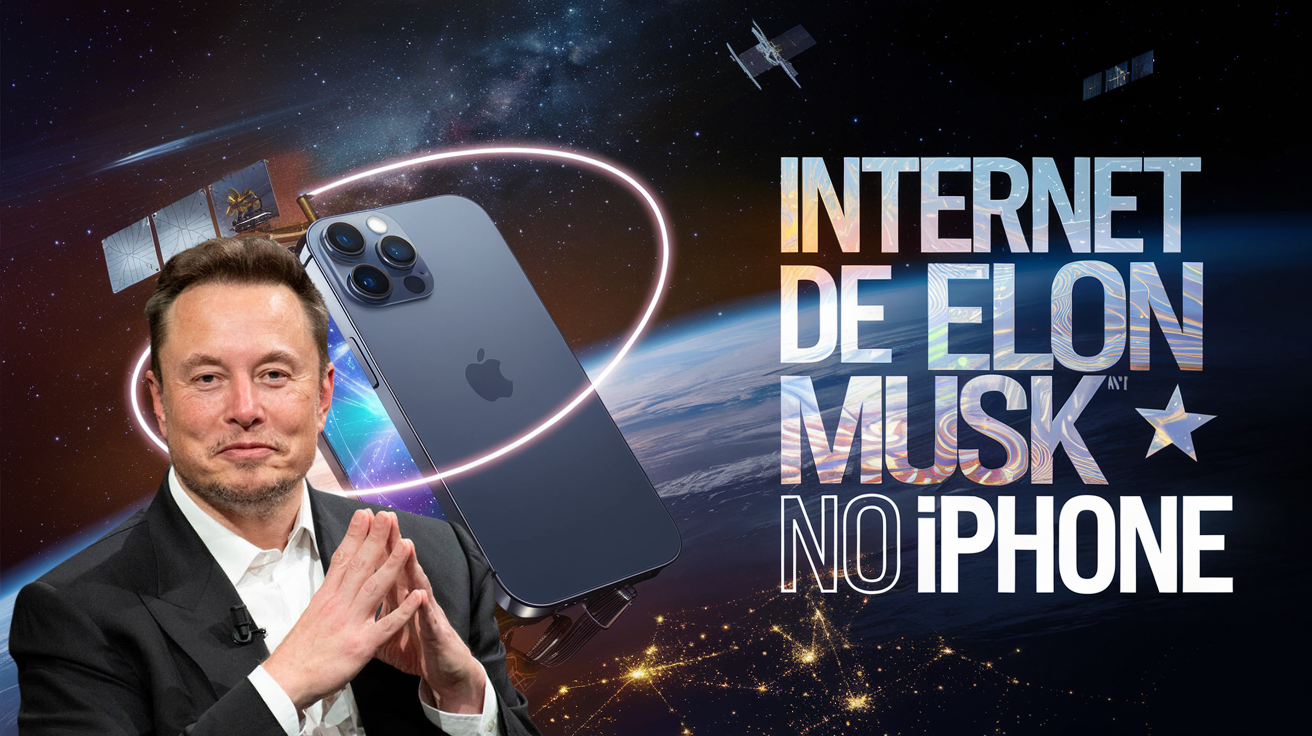


Apple, in partnership with Elon Musk’s SpaceX and T-Mobile, announced that iOS 18.3 will allow iPhones to connect directly to Starlink satellites without the need for additional antennas. Initially available for T-Mobile customers in the US, the feature is in testing and promises to revolutionize mobile connectivity, especially in areas without signal coverage.
Imagine being in a remote area, without any cell signal, and still being able to send messages directly from your iPhone.
According to CanalTech, this possibility, which once seemed distant, is becoming a reality thanks to an innovative partnership between tech giants.
Apple, in collaboration with Elon Musk’s SpaceX and T-Mobile, is transforming the way we communicate, breaking down barriers and connecting people anywhere on the planet.
-
Millions of people have been eating yam for centuries without knowing that this humble tuber contains a compound called diosgenin, which scientists have now discovered can improve memory and help control blood sugar levels.

-
Rigid bags with their days numbered: new trend prioritizes comfort in 2026.

-
Scientists from an international project drill 1,800 meters of ice in Antarctica using hot water and discover details about one of the most intriguing places on planet Earth.

-
YouTuber creates an excavator equipped with a giant 4.5-meter sword to challenge his brother to a rematch, and the invention quickly goes viral on social media.


With the launch of iOS 18.3, iPhones can now connect directly to Starlink satellites, eliminating the need for additional antennas.
Currently, this feature is available exclusively for T-Mobile customers in the United States and is in testing with selected users.
Initially, the satellite service is limited to sending text messages, but T-Mobile has already confirmed that soon voice messages and data will also be available.
Since the iPhone 14, users have been able to use satellite communication services through the Globalstar network. Now, with the integration of Starlink, a wider and more efficient coverage is expected.
The Evolution of the Starlink and T-Mobile Partnership
The collaboration between Starlink and T-Mobile began in 2022, aiming to enhance mobile connectivity through satellites.
Before Apple, the technology was tested on Samsung smartphones, such as the Galaxy S24, Z Fold 6, and Z Flip 6.
These initial tests paved the way for the current integration with iPhones. The partnership aims to eliminate so-called “dead zones” of coverage, allowing users to stay connected even in remote areas or those affected by natural disasters.
Samsung and Satellite Connectivity
Samsung is also investing in satellite connectivity. The newly launched Galaxy S25 is the first Android smartphone to include support for satellite messaging.
The feature, integrated into the Snapdragon 8 Elite processor, allows sending and receiving messages in areas without cell signal or Wi-Fi, being especially useful in emergency situations.
The South Korean company has not widely publicized the function, and so far, few carriers around the world offer support for this service, except for Verizon in the US.
Future Prospects for Satellite Connectivity
Although still experimental, satellite connectivity promises to be more accessible in upcoming smartphone models.
The main advantage is enabling communication in areas without internet or cell signal coverage, which can be crucial in emergencies.
There is expectation that the service will be fully operational by 2025. Additionally, other companies are exploring this technology.
AST SpaceMobile, for example, is developing technology that allows converting regular mobile phones into satellite phones, connecting them directly to satellites in low orbit without the need for traditional cell towers.
However, the company faces significant challenges, including technological hurdles and market volatility.
Challenges and Considerations
Despite the promises, the implementation of satellite connectivity faces challenges, such as the need for partnerships with carriers and hardware adaptation in devices.
Moreover, regulatory and infrastructure issues may influence the availability and cost of the service for end users.
Integrating satellite communication technologies into smartphones requires collaboration between device manufacturers, telecom operators, and satellite service providers.
Issues like latency, power consumption, and hardware compatibility need to be addressed to ensure a satisfactory user experience.
Furthermore, it is necessary to consider government regulations and potential interference with other communication services.
Now We Just Have to Wait for the Next Chapters
The integration of satellite connectivity in smartphones represents a significant advance in mobile communication.
With the collaboration between companies like Apple, SpaceX, T-Mobile, and Samsung, we are approaching a future where lack of signal will be a thing of the past.
Now we must follow how these innovations will be implemented and how they will impact users’ daily lives.
Satellite connectivity has the potential to revolutionize the way we communicate, especially in rural and remote areas where telecommunications infrastructure is limited.
However, it is important to monitor the development of this technology and evaluate how it will be integrated into existing services, ensuring it is accessible and beneficial for all users.
Do you believe that satellite connectivity in smartphones will completely eliminate areas without signal coverage?






Não vejo a hora de chutar a **** da VIVO!
Essa APPLE é péssima: não respeita os clientes, e não trata os clientes como clientes, mas como otários que devem pagar muito caro por cabos de péssima qualidade. O cabo do meu antigo telefone Apple “desmanchou”: a Apple não trocou, não deu a devida garantia e quis cobrar preço caríssimos por um cabo novo de péssima qualidade; horrível. Nunca mais compro Apple.
Melhor o Musk conveniar com as outras marcas tb, pra incluir todos os usuários.
Quando a tecnologia tras beneficio é sempre bem vinda.