





 English
  Francês
  Alemão
  Italiano
  Japonês
  Norueguês
  Portuguese
  Spanish
  5 min of reading
  0 comments


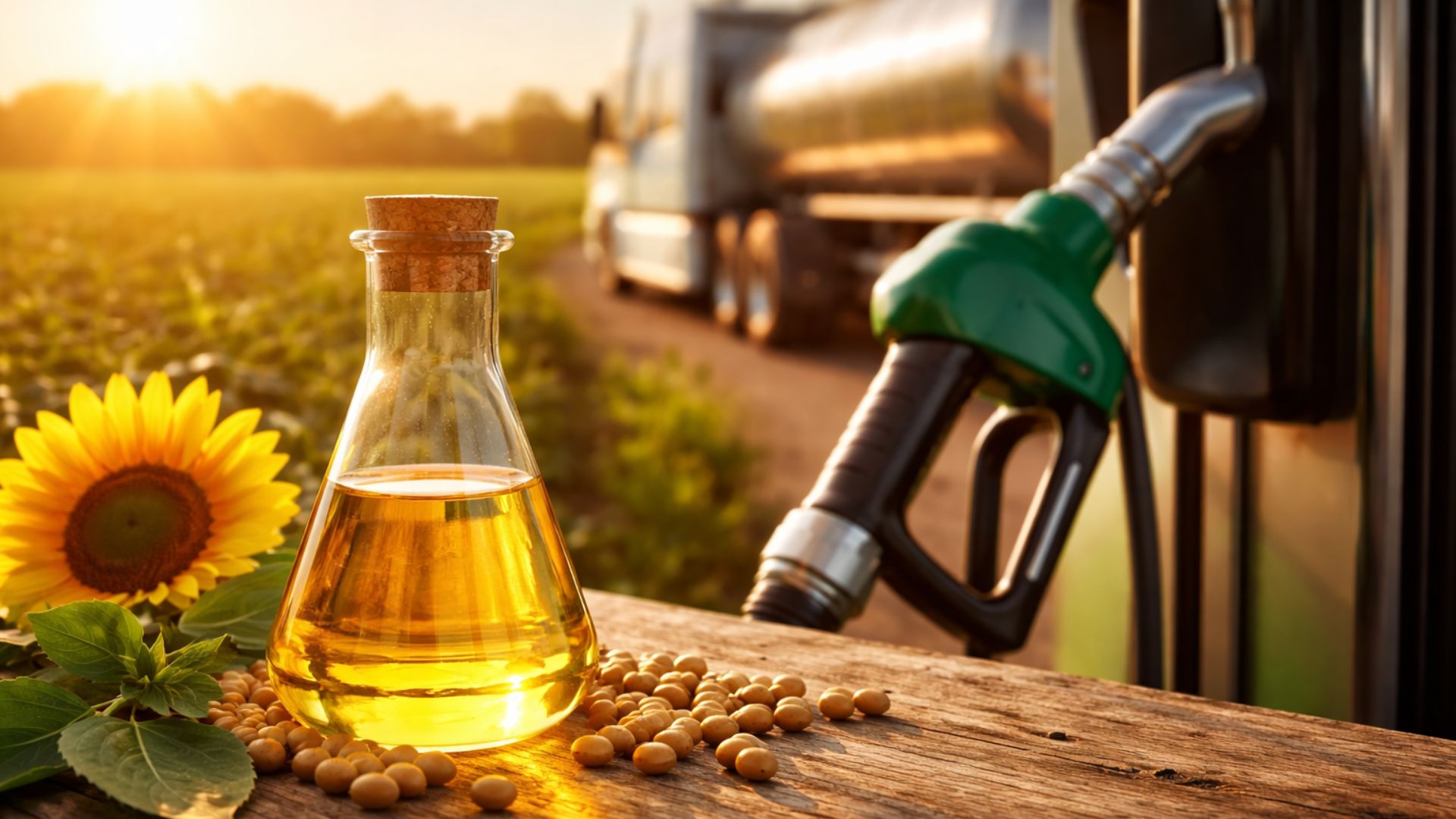
APROBIO Expands Its International Activities in 2026 by Promoting Brazilian Biodiesel and Other Biofuels as Competitive and Sustainable Solutions, Strengthening the Energy Transition and Reducing Emissions
Brazil has initiated a global strategy to expand the international presence of biodiesel and biofuels, reinforcing its position as one of the main protagonists in the global energy transition. According to an article published by CNN this Tuesday (20), the initiative is led by APROBIO, which has defined international activity as a strategic priority for 2026, focusing on opening new markets, strengthening the image of the Brazilian product abroad, and increasing competitiveness against other global renewable energy suppliers.
APROBIO Defines International Activity as a Strategic Priority
APROBIO, the Association of Biofuel Producers of Brazil, has placed the international agenda at the core of its annual planning. According to the entity’s president, Jerônimo Goergen, at the Clean Fuels Conference held from January 19 to 22 at the Orlando World Center Marriott, the country possesses technical, productive, and regulatory attributes that qualify it to compete in demanding markets.
Brazilian biodiesel has gained prominence in the renewable fuel landscape, the leader stated, emphasizing that the entity intends to intensify institutional, commercial, and technical actions throughout 2026. The proposal is to position the Brazilian product as synonymous with reliability, sustainability, and production scale.
-
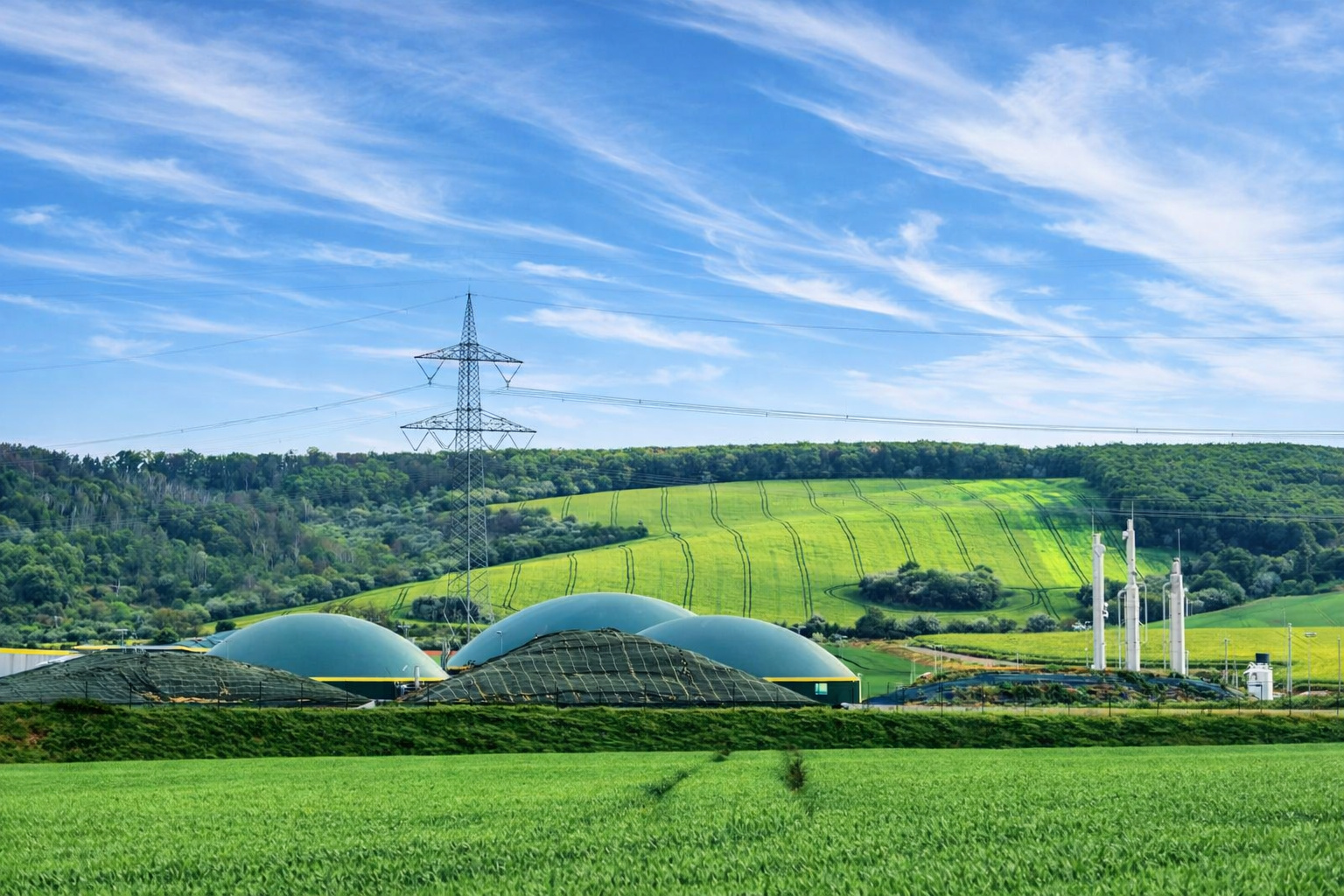
Brazil accelerates decarbonization in the South: International forum in Foz do Iguaçu gathers leaders to discuss the advancement of biomethane in the energy matrix and the potential of “caipira pre-salt.”
-
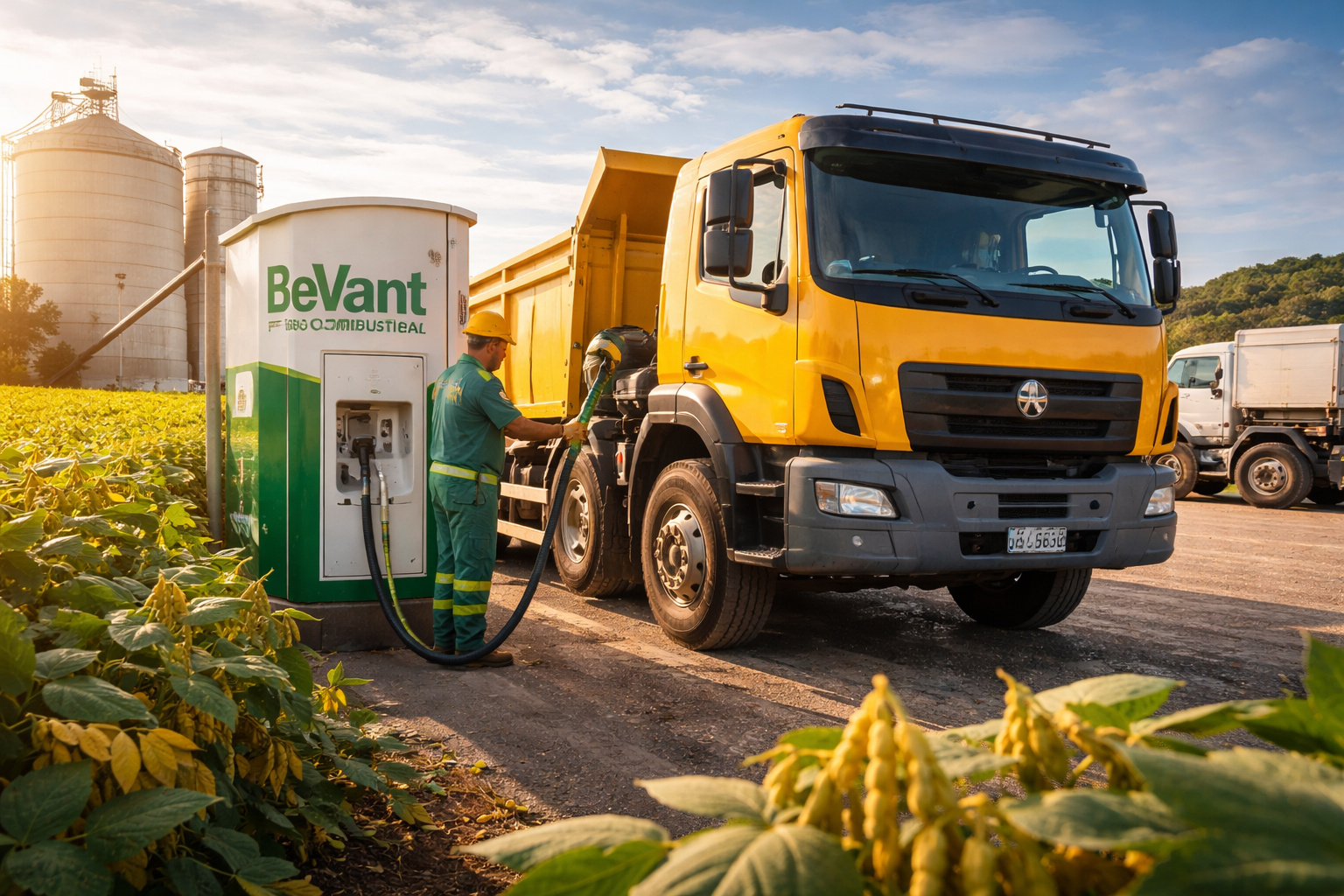
As diesel prices soar due to conflicts in the Middle East, a Brazilian city decides to test a little-known biofuel that promises to completely replace fossil fuel without adaptation and could change the future of energy in the country.
-
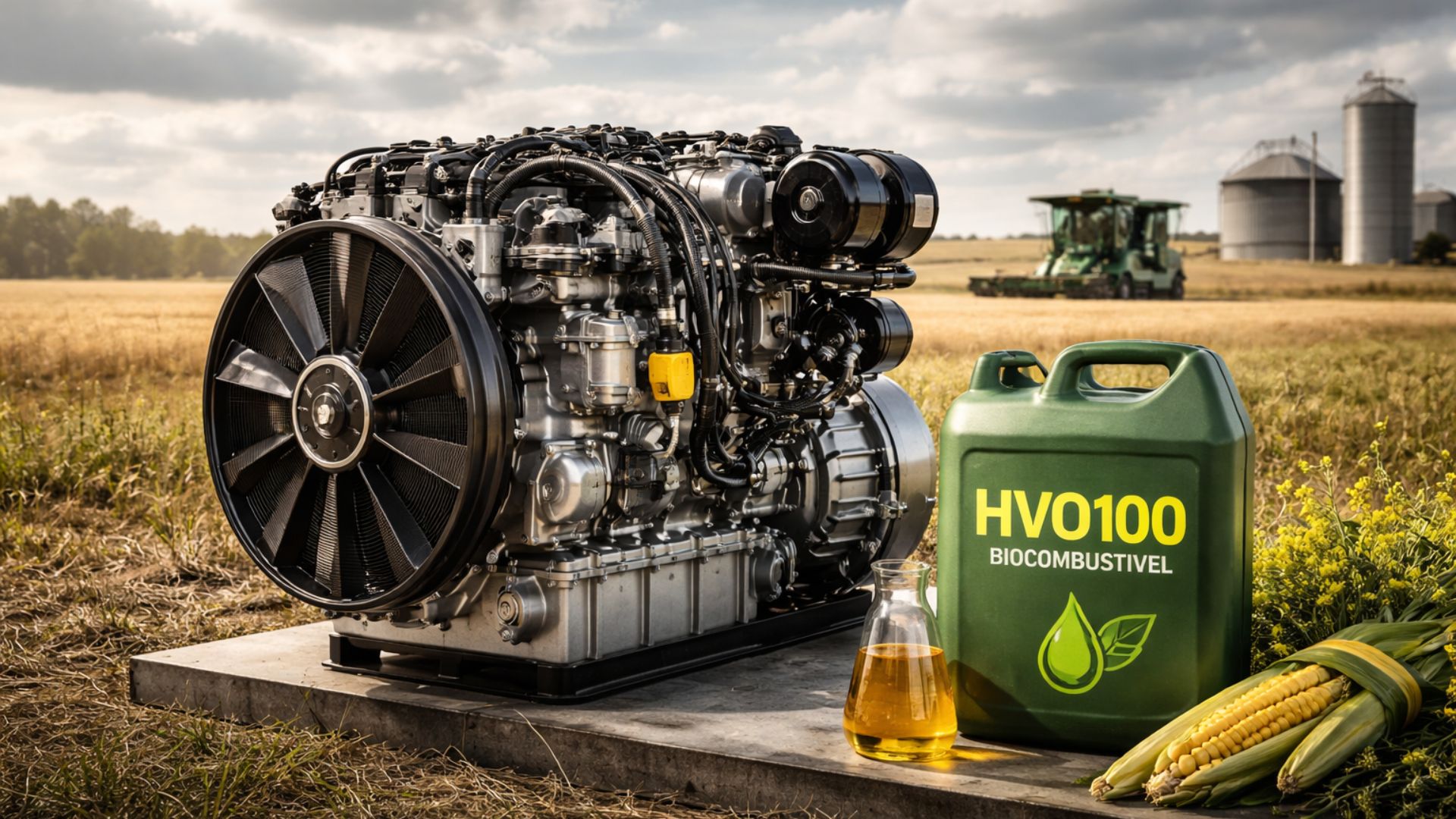
Innovation with biofuel engines transforms agribusiness by replacing diesel without the need for major adaptations, ensuring energy efficiency and helping to reduce dependence on oil.
-
Used Cooking Oil Transforms Into Kerosene: How 1 Million Tons of Used Fat Are at the Center of an Aviation Fuel Market That Could Attract Over $1 Trillion in Investments, Already Fuels Planes with Up to 80% Lower Emissions, and Triggered a Global Competition for This Waste


In addition, APROBIO believes that the internationalization of the sector is essential to ensure economic predictability, attract investments, and increase the country’s relevance in the global energy transition, especially in a scenario of increasing pressure for emission reductions.
Brazilian Biodiesel Gains Space in the Global Energy Transition
Brazil has one of the largest installed capacities of biodiesel in the world, supported by a robust industrial base, a diversity of raw materials, and a consolidated regulatory framework. These factors make Brazilian biodiesel highly competitive in terms of cost, environmental performance, and supply security.
The combination of industrial scale and sustainability places the country in a strategic position in the energy transition, especially for sectors that are difficult to electrify, such as heavy transportation, agriculture, and maritime. The use of biodiesel allows for reductions in greenhouse gas emissions without requiring major changes to existing infrastructure.
Another relevant differentiator is the integration with agribusiness. The Brazilian model connects the production of renewable energy to income generation in rural areas, promoting regional development and strengthening local production chains, an aspect increasingly valued in the international biofuels market.
Biofuels, Sustainability, and Traceability in the Brazilian Model
Brazilian biofuels stand out for rigorous criteria of sustainability, traceability, and technological innovation. According to APROBIO, these pillars are fundamental to meet the demands of countries and investors seeking energy solutions aligned with climate goals and ESG commitments.
The traceability of biodiesel production increases international trust by allowing for the tracking of raw material origins and environmental impacts throughout the fuel’s life cycle. This factor has been decisive for the acceptance of Brazilian products in more mature markets.
Moreover, Brazil has accumulated decades of experience in public policies focused on biofuels, which reinforces its institutional credibility and capacity to make concrete contributions to the global energy transition.
APROBIO Presents Brazilian Biodiesel at the Clean Fuels Conference
APROBIO’s participation in the Clean Fuels Conference is part of the strategy to promote Brazilian biodiesel internationally. The event brings together producers, policymakers, technical experts, and investors from the clean energy sector.
During the conference, the entity presented the Brazilian production model, highlighting aspects such as sustainability, scale, diversity of raw materials, and integration with agribusiness. The aim is to strengthen Brazil’s image as a reference in biofuels and solutions for the energy transition.
In addition to institutional promotion, the presence at the event allows for the identification of opportunities in strategic segments, such as heavy and maritime transportation, where biodiesel already demonstrates proven technical and environmental viability.


Biodiesel Market in the United States Grows Despite Regulatory Instability
In parallel to the Brazilian strategy, the biodiesel market in the United States shows strong expansion potential, even amid regulatory uncertainties. In an article published in the printed edition of Biobased Diesel, Scott Fenwick, Technical Director of Clean Fuels, highlighted the sector’s resilience.
According to Fenwick, advanced technologies, certifications such as BQ-9000®, and international standards ensure the quality and reliability of biodiesel, facilitating its adoption by commercial fleets, industrial equipment, and even the maritime sector. This scenario demonstrates that biodiesel is a key player in the American energy transition, even in an environment of regulatory delays and political uncertainties.

Economic Impact and the Role of Biofuels in Energy Security
Fenwick also emphasized the importance of biofuels for agricultural and energy security in the United States. According to the expert, soybean-based diesel consumes about 1 billion pounds of soybean oil per month, generating approximately US$ 42.4 billion in the American economy.
Despite delays in programs such as tax credit 45Z and the Renewable Fuel Standard, the American industry has an installed capacity of over 6 billion gallons of biodiesel. This indicates significant growth potential as regulatory predictability improves, reinforcing the strategic relevance of the sector. This international context strengthens APROBIO‘s strategy, which aims to position Brazil as a reliable partner in an expanding global market.
Brazilian Biodiesel as a Vector of International Competitiveness
The international positioning of Brazilian biodiesel is directly linked to its competitiveness. The country offers a product aligned with global environmental requirements, capable of meeting large volumes while maintaining high technical standards.
APROBIO believes that the competitiveness of national biodiesel will be one of the main drivers of the energy transition in the coming years, especially in markets that seek to reduce emissions without compromising supply security.
Additionally, the opening of new markets contributes to diversifying Brazilian exports and strengthening the national biofuels industry.
The Role of Brazil in the Global Advancement of the Energy Transition
The strategy presented by APROBIO in 2026 reinforces Brazil’s prominence in the international climate agenda. By expanding its global activities, the country demonstrates that biodiesel and biofuels are mature, scalable, and immediately available solutions for emission reductions.
The energy transition requires multiple complementary solutions, and biodiesel occupies a strategic position in this process, especially in sectors where electrification still faces technical and economic limitations.
With a focus on sustainability, innovation, and competitiveness, Brazil consolidates its image as a reliable supplier of clean energy, contributing to global energy security and the achievement of international climate goals.









Seja o primeiro a reagir!