





 English
  Francês
  Alemão
  Italiano
  Japonês
  Norueguês
  Portuguese
  Spanish
  2 min of reading


Approved Today by the Senate Economic Affairs Committee, the Bill Allocating Pre-Salt Funds for Financing Pipelines
The committee that studies and enables economic matters in the Senate approved today (11) a bill that changes the rules in the electricity sector and allocates pre-salt funds for financing the construction of pipelines.
See Also:
- The Petrochemical Leader Braskem Opens Positions for Technician, Analyst, and Engineer in São Paulo
- Locar Guindastes Hires Maintenance Professional on March 11
- Grupo Proyfe Will Perform Engineering Services and Project Management at a Solar Power Plant in Piauí
The text of the approved bill states that 20% of the Union’s resources from the sale of oil originating from the pre-salt should be allocated to Brasduto (Gas Pipeline Expansion Fund). This fund was created to reserve capital for investments in infrastructure works.
-
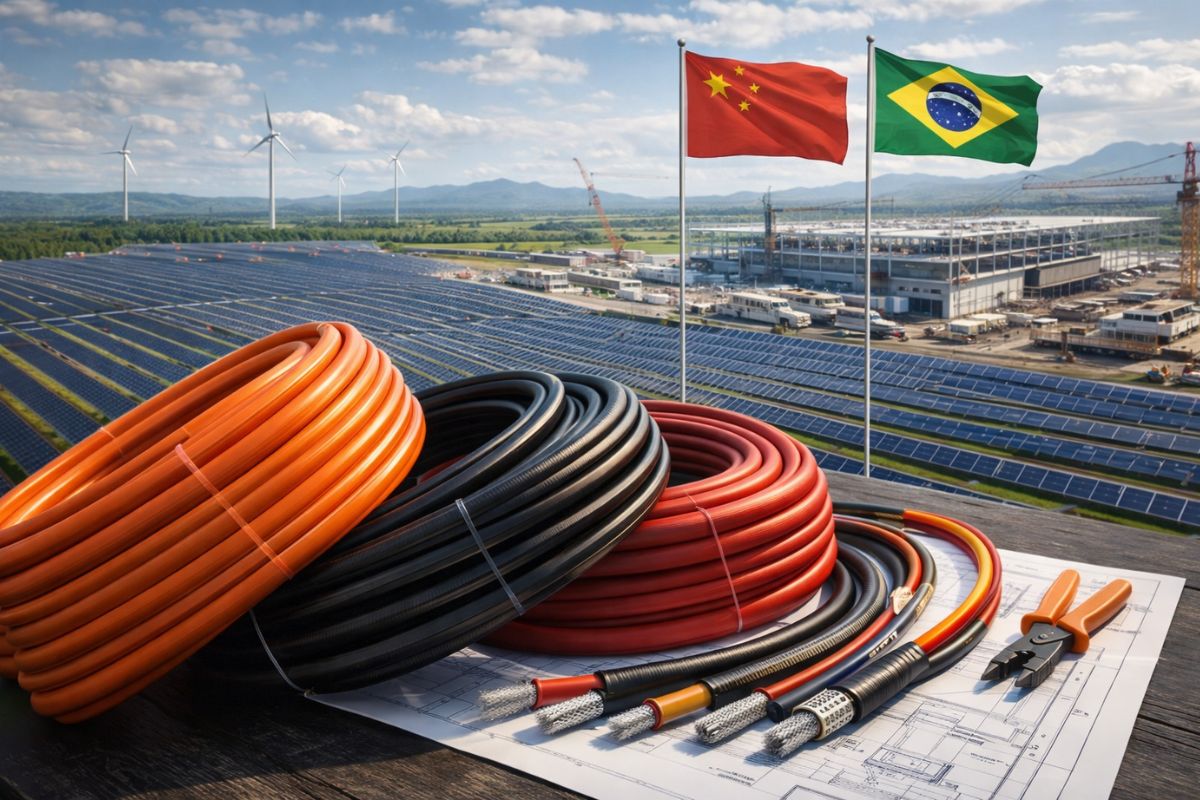
Chinese giant worth nearly R$ 4 billion that manufactures cables for electric cars, solar energy, and robotics wants to open a factory in SC.
-
Many employers do not know, but the law guarantees domestic workers a 25% increase in salary during trips, 50% for overtime, 20% for night shifts, and 17 additional benefits that can lead to labor lawsuits if not paid.

-
Gasoline prices soar and the question arises: is ethanol more advantageous? The 70% rule reveals the limit with gasoline.

-
The government has made a decision and is starting a test with more ethanol in gasoline, anticipating a mixture of up to 35%, diesel with 25% biodiesel, and a study to assess the impacts on engines.

Another part of the proposal refers to hydroelectric plants. It is stipulated that hydroelectric plants will receive compensation in case of drought, known as hydrological risk. Under the current rule, if there is a lack of rainfall, companies resort to thermoelectric plants (a practice with higher costs) and also risk paying fines if there is an interruption in energy supply.
In 2015, a law created by MP 688 attempted to resolve judicial impasses regarding the transfer of hydrological risk to consumers. The energy generation companies, under the law created, went to court and claimed that the plants should not bear the costs generated by the risk, resulting in a liability estimated by CCEE at R$ 8 billion.
Since 2015, the topic has been under consideration in the National Congress due to numerous questions from lawmakers about the new rules and whether they would affect the final consumer. The project still needs to undergo analysis by the Senate plenary and only then go to President Jair Bolsonaro.









Seja o primeiro a reagir!