





 Portuguese
  English
  Spanish
  4 min of reading
  0 comments


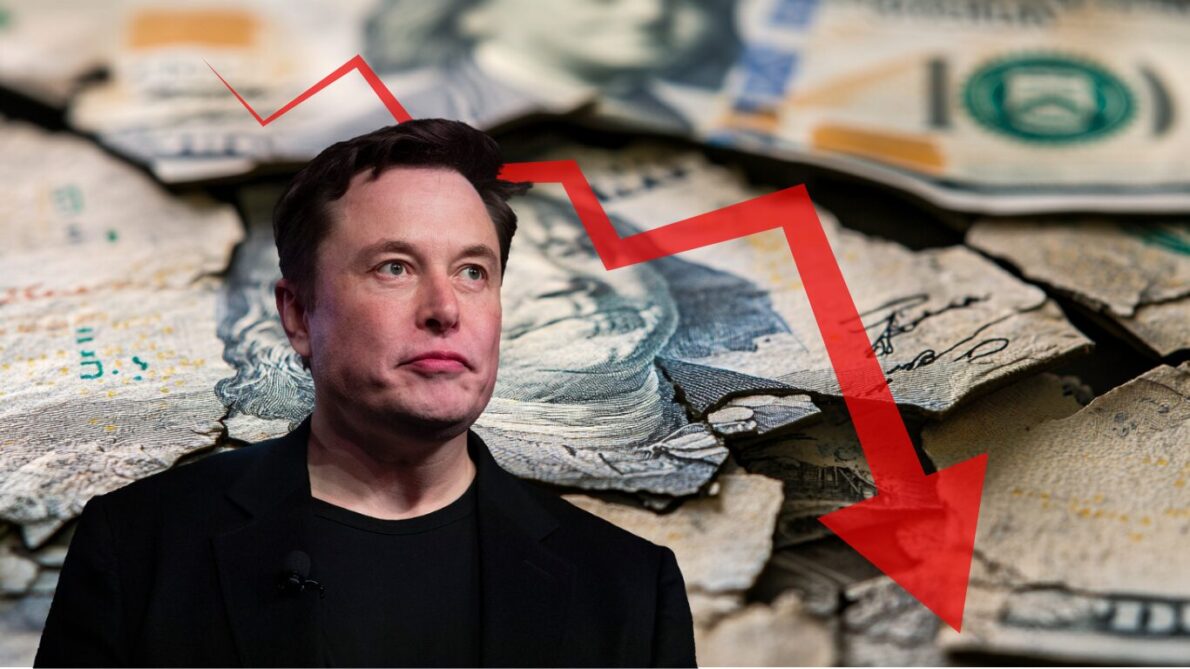
The Acquisition Of Twitter By Elon Musk, Finalized In October 2022, Has Turned Into A Financial Nightmare For Major Banks, That Now Face Significant Losses: With Billion-Dollar Loans Still “Hanging”, The Transaction Is Compared To The Worst Moments Of The Financial Crisis Of 2008-2009.
The Acquisition Of Twitter By Elon Musk, Valued At US$ 44 Billion, Was Already Seen As A Risky Move. However, What Few Anticipated Was That This Operation Would Become One Of The Biggest Financial Nightmares Of Recent Years For The Banks Involved. Seven Major Financial Institutions, Including Morgan Stanley And Bank Of America, Committed To Loans Totaling US$ 13 Billion To Help Musk Finalize The Deal. However, These Banks Now Face Monumental Difficulties In Selling The Associated Debt, Accumulating Losses That Are Seriously Affecting Their Operations And Reputations, According To Infomoney.
Billion-Dollar Loan “Hanging”: The Nightmare Of Banks
In The World Of Finance, Banks That Offer Large Loans For Acquisitions, Such As The Purchase Of Twitter, Typically Seek To Quickly Resell These Debts To Other Investors. This Frees Up Their Balances And, Of Course, Generates Profit From The Fees Charged In The Process. However, This Traditional Strategy Has Proven To Be A Real Misstep When It Comes To Twitter Under Elon Musk’s Management.
Since Musk Took Control, The Platform, Now Renamed As “X“, Has Seen Its Financial Performance Plummet, Making It Almost Impossible To Find Interested Buyers For The Debt. As A Result, These Loans Remain On The Balance Sheets Of The Institutions, Or, As It’s Said In The Market, Are “Hanging“. To Make Matters Worse, The Banks Have Been Forced To Write Down These Debts, Which Has Negatively Impacted Their Balance Sheets.
-
A “silent skill” is allowing Brazilians to earn up to R$ 22,000 per month without a degree and become indispensable for companies that rely on millions of data to survive.

-
Researchers at the Toyota Research Institute found that if a human uses robotic arms to flip a pancake 300 times in an afternoon, the robot learns to do it on its own the next morning, and this is currently the most promising method to solve the biggest bottleneck in modern robotics.

-
Goodbye iron: a common item in households is starting to lose space to technology that smooths clothes in minutes without an ironing board and with less energy consumption.

-
Antarctica reveals an unusual clue high in the Hudson Mountains, and what appeared to be just an isolated rock began to expose a secret hidden under the ice for ages.


Even Receiving Interest Payments, Some Of These Banks Are So Desperate To Get Rid Of This Hot Potato That They Have Cut The Value Of The Debt By Hundreds Of Millions Of Dollars. This Situation, Besides Causing A Monumental Headache For The Executives Of These Institutions, Has Also Generated Regulatory Scrutiny, Harming The Banks’ Positions In Financial Rankings.
A Crisis Comparable To 2008: When The Past Returns To Haunt
The Situation Of The Banks With Twitter’s Debt Is Dragging On Longer Than Any Other Similar Deal Since The Financial Crisis Of 2008-2009, According To Data From PitchBook LCD. At That Time, Banks Managed To Sell Or Amortize Most Of Their Debts In About A Year. However, For The Former Twitter, That Exit Does Not Seem To Be Near.
The Platform, Now Under The Name X, Continues To Suffer From The Mass Exodus Of Advertisers And The Impact Of High Interest Rates, Making The Debt A True Endless Headache For The Banks. Experts Point Out That This Is One Of The Biggest Cases Of Hanging Debt Since The Global Financial Crisis, Highlighting How Even Financial Giants Can Be Surprised By Risky Market Moves.
Twitter Under Musk’s Management: From Social Network To “X”
Since Elon Musk Took Control Of Twitter, The Platform Has Undergone A Series Of Drastic Changes — Not All Well Received. The Company’s Value, Once Estimated At US$ 44 Billion, Plummeted To US$ 19 Billion In 2023, And More Recently, It Was Valued At About US$ 12.5 Billion. This Significant Drop Reflects The Operational Changes Implemented By Musk, Which Impacted Both User Perception And Investor Confidence.
Among The Most Notable Controversies Are The Release Of Controversial Content And The Reduction Of Moderation On The Platform, Which Led To The Exodus Of Advertisers. Without The Advertising Revenue, Which Has Always Been A Pillar Of Twitter’s Economy, The Company’s Financial Situation Deteriorated, Generating A Spiral Of Problems That Directly Affect The Banks Involved In The Transaction.
The Future Of X And The Banks Involved
The Future Of The X Platform And The Banks That Financed The Acquisition Remains Uncertain. With The Continuous Devaluation Of The Company And The Lack Of Interested Parties Willing To Take Over The Debt, Financial Institutions May Face Long-Term Consequences. For Elon Musk, The Purchase Of Twitter May Have Been A Bold Move, But For The Banks, It Is Proving To Be A True Financial Trap.
This Episode Serves As A Reminder That, In The Business World, Even The Largest Players Can Be Surprised. And While Elon Musk Attempts To Reinvent Twitter Under The Brand X, The Banks Involved Continue To Struggle To Shed A Debt That, It Seems, Will Remain “Hanging” For Quite Some Time.






Seja o primeiro a reagir!