





 Português
  Inglês
  Espanhol
  3 min de leitura
  4 comentários




Arabs Invest R$ 15 Billion to Transform Brazilian Plant into Green Fuel. The Plant in Question is the Macaúba, Which Can Generate a Sustainable Aviation Fuel (SAF) – Up to 7 Times More Profitable.
Arabs Invest R$ 15 Billion to Transform Brazilian Plant into Fuel: The macaúba, a native plant of Brazil’s tropical regions, is emerging as a key player in the production of green fuels. Also known as bocaiúva and coco-babão, the plant has attracted the attention of Arab investors, who announced a remarkable investment of R$ 15 billion in projects aimed at large-scale production of green diesel and sustainable aviation fuel (SAF). This initiative places the macaúba in the global spotlight, not only for its energy potential but also for its contribution to carbon emission reduction and promoting a more sustainable economy. Additionally, the project aims to boost the local production chain, benefiting agricultural communities and promoting economic development in the regions where the plant is cultivated.
Understand the Potential of the Macaúba in the Green Fuel SAF Sector
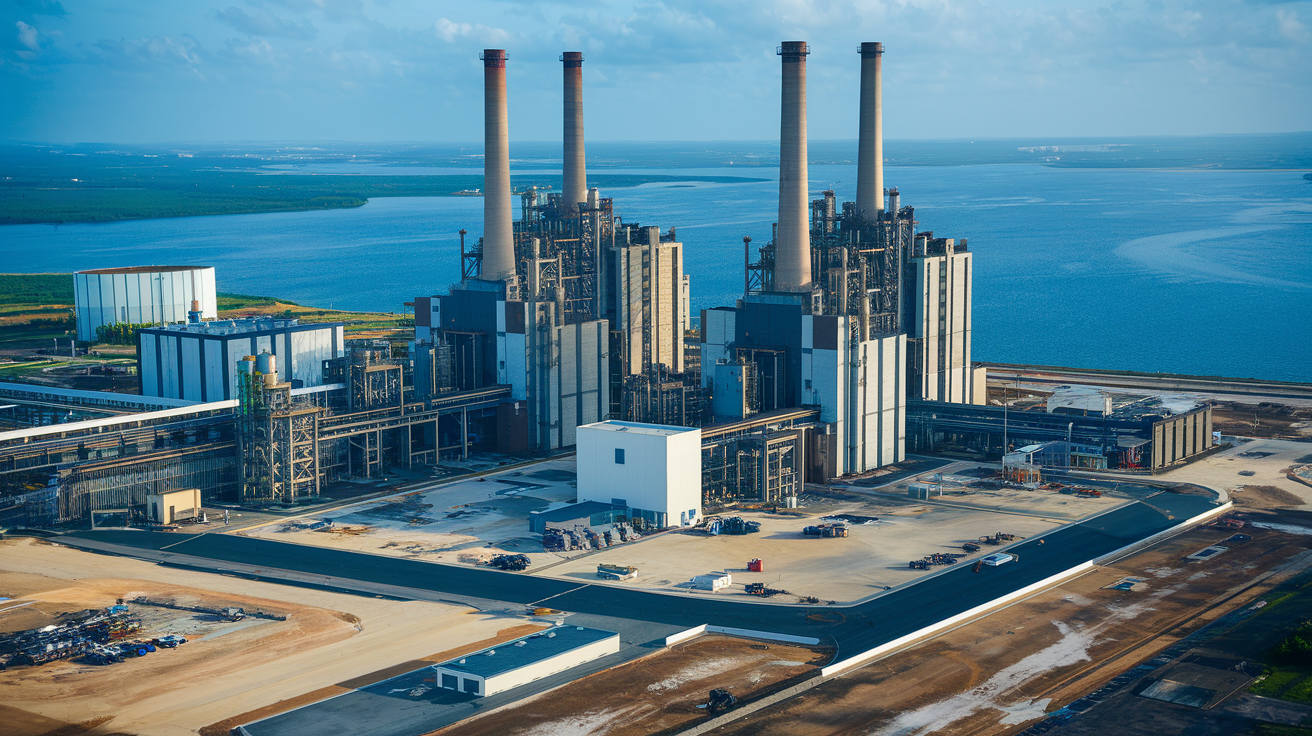
Acelen Renováveis, a company controlled by the Mubadala Fund of the United Arab Emirates, has begun construction of a SAF plant in Mataripe, Bahia. Arabs invest R$ 15 billion to transform Brazilian plants into fuel, and the choice of location is due to its high productivity and absence of environmental restrictions, occupying degraded pasture areas.
The macaúba has an oil yield per hectare up to seven times higher than soybeans, Brazil’s main agricultural commodity. Additionally, it offers multiple uses, from human consumption to biochar production, benefiting the soil with carbon sequestration.
-
Historic bankruptcy of Centauro shocks the market, and the century-old company puts more than 500,000 products, machines, and complete infrastructure up for online auction.

-
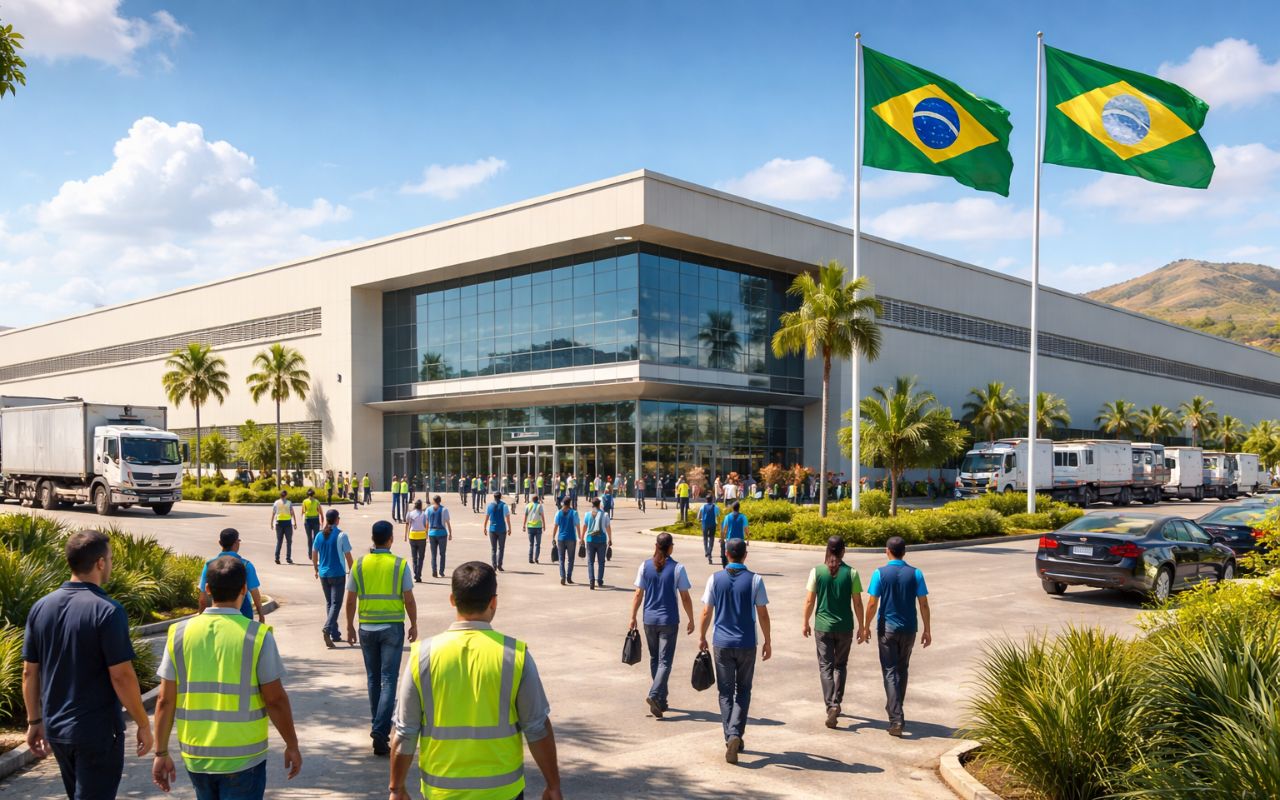
New shoe factory in Ceará is expected to create 400 jobs and strengthen the local economy.
-
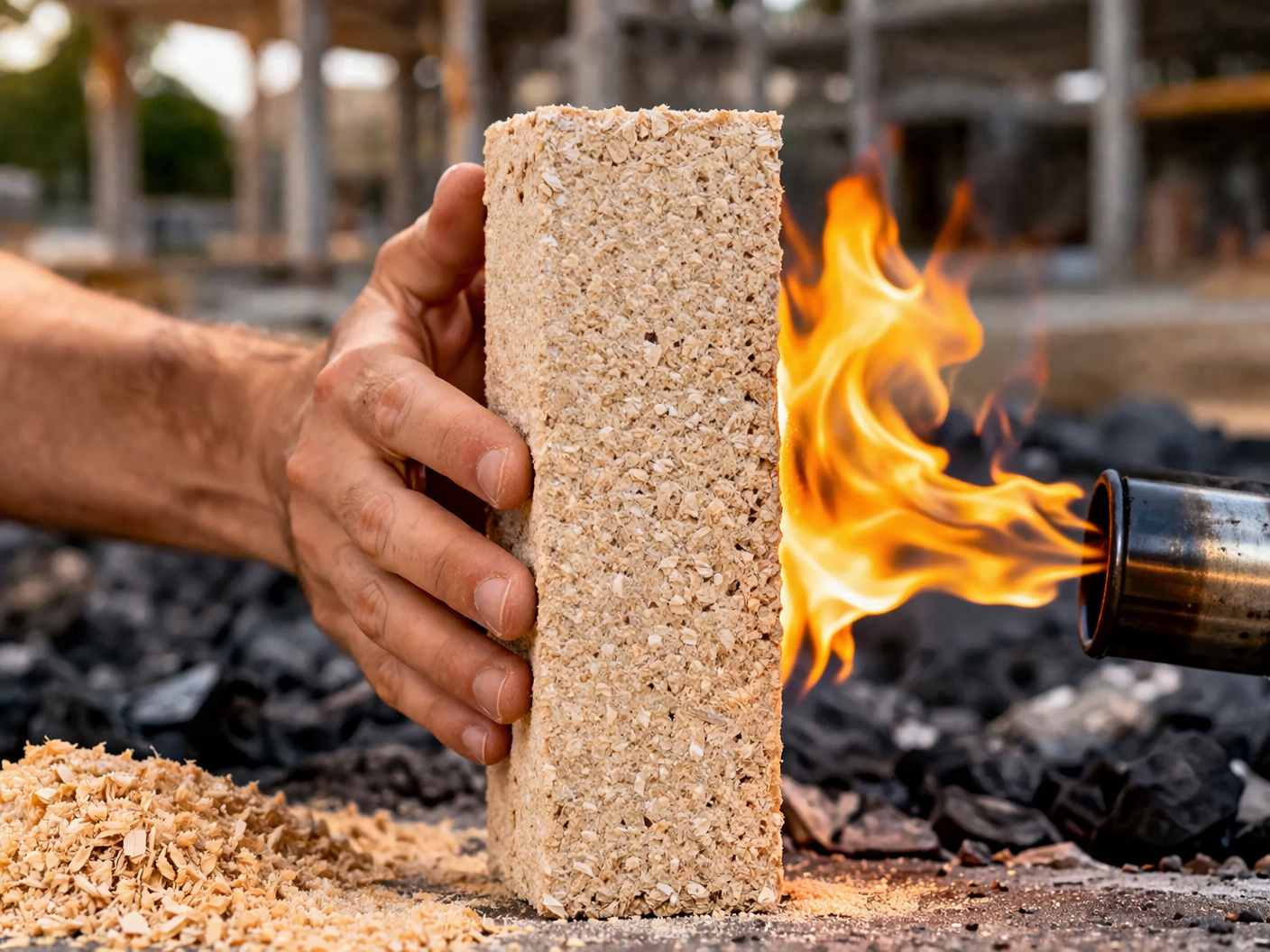
No one imagined it, but a mixture of sawdust with a mineral that fights fires surprises scientists with a result that changes the course of fire-resistant construction.
-
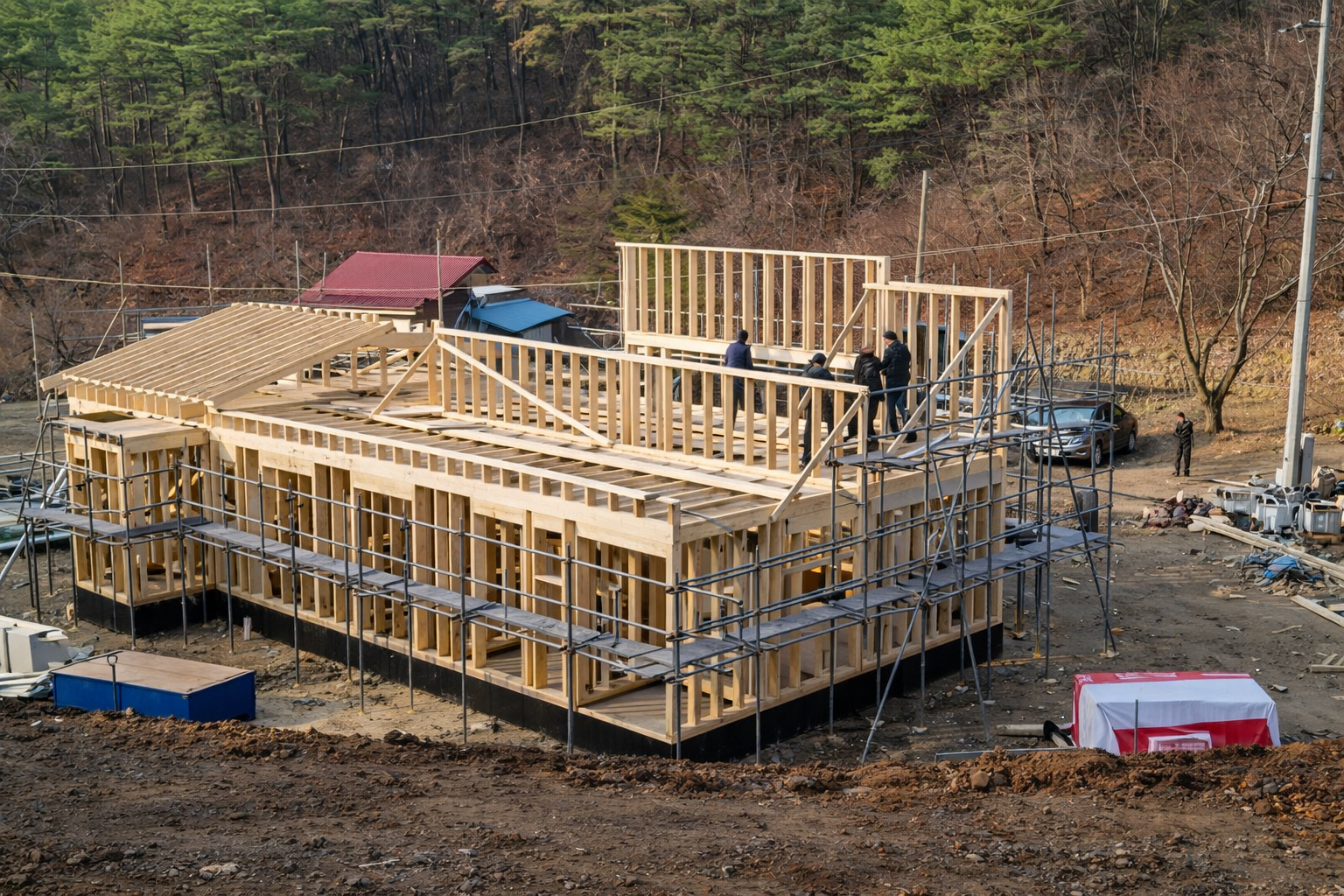
From empty land to a high-end house, wooden construction uses a lightweight system, metal structure for the foundation, ventilated ceramic cladding, and special windows to create an efficient and comfortable living space throughout the year.



The macaúba has the potential to rival soybeans in the future in a scenario of growing demand for vegetable oil, a new sustainable source that the market is ready to absorb. Besides producing green SAF, the plant can provide oil for chemical and cosmetic industries.
Arabs invest R$ 15 billion to transform Brazilian plants into fuel; however, while 200,000 hectares of macaúba remain out of production, Acelen will use soybean oil to maintain its operations. By 2026, the biorefinery will produce the equivalent of 20,000 barrels of SAF or green fuel daily, sufficient for over one million vehicles per year.
Other Initiatives by Acelen for the Domestication of the Macaúba
The Acelen project expects to generate R$ 87 billion and create 90,000 jobs. About 20% of the cultivation will be from family farming, bringing significant income to small properties, an initiative that also aims to transform degraded pastures into bioenergy forests, capturing carbon credits.
Acelen and Embrapa have reached an agreement for the domestication of the macaúba, aiming to genetically select the best species for oil and bioproduct production. Even without domestication, the plant already produces more oil than palm, demonstrating its great potential and why Arabs invest R$ 15 billion to transform Brazilian plants into green fuel.
With domestication, the expectation is to further increase production efficiency. In this way, the project will not only boost the economy but also bring significant environmental and social improvements to the involved regions.
Green SAF Fuel Has Been Receiving Other Studies
Arabs invest R$ 15 billion to transform Brazilian plants into fuel; however, not only the macaúba is gaining prominence in this area. Researchers from the National Bio-renewables Laboratory (LNBR) of the National Energy and Materials Research Center (CNPEM), in Campinas (SP), discovered that sustainable fuel made from microbial oil derived from sugarcane has the potential to replace kerosene and thus reduce aviation greenhouse gas emissions by over 50%.
The study, published in the scientific journal Bioresource Technology, analyzed the conversion of microbial oil into sustainable aviation fuel (SAF) through a hydroprocessing of esters and fatty acids (HEFA) technology, the same used in biodiesel production.
Sugarcane is already used for ethanol production today, replacing gasoline and reducing vehicle emissions. Thus, this is an alternative to aviation kerosene, which would be a similar chemical compound but with lower greenhouse gas emissions.








Mais uma utopia ou um novo golpe
Espero que o Brazil não cometa o mesmo erro da época da borracha, quando usava somente a coleta do látex de plantas da floresta. Inglaterra se aproveitou, levou mudas e criou, nas suas colônias tropicais, os seringais. Hoje dominam o mercado produtivo e o Brasil, pra variar, lá nas últimas posições, sempre. Top 5, só na corrupção.
Outra planta para produzir SAF segundo meus conhecimentos é o Babaçu, existente em cerca de 17 milhões de hectares no Norte e Nordeste do Brasil.
Recomendo reportagem a respeito.