





 Portuguese
  English
  Spanish
  4 min of reading
  0 comments



Saudi Arabia Transformed in Just a Few Decades from an Economy Based on Religious Pilgrimage to One of the Most Economically Influential Countries in the Global Scenario. The Transformation Began After the Discovery of Oil in the Late 1930s, an Event That Forever Changed the Trajectory of the Country Located on the Arabian Peninsula.
The discovery of oil in Saudi Arabia in 1938 marked the beginning of an unprecedented economic transformation in the Middle East. Until then, the country was a young monarchy, with limited resources and an economy primarily sustained by religious pilgrimages to Mecca and Medina. With the entry of oil into the equation, the arid territory became one of the world’s largest energy producers and, within a few decades, ranked among the largest economies on the planet.
Saudi Arabia used the revenue generated from oil exports to modernize its infrastructure, build cities, strengthen its institutions, and exert geopolitical influence on a global scale. The country’s trajectory from the first drilling to establishing itself as one of the richest nations in the world reveals how a single natural resource can profoundly alter the fate of a nation.
Saudi Arabia: From Desert to Energy Powerhouse
Until the early 20th century, the economy of Saudi Arabia was concentrated on subsistence activities and the annual movement of Muslim pilgrims to Mecca and Medina. The foundation of the kingdom in 1932 occurred in a context of low state revenue and little infrastructure. In 1933, the Saudi government signed an agreement with a U.S. company, the Standard Oil Company of California, to begin oil exploration in the territory.
-
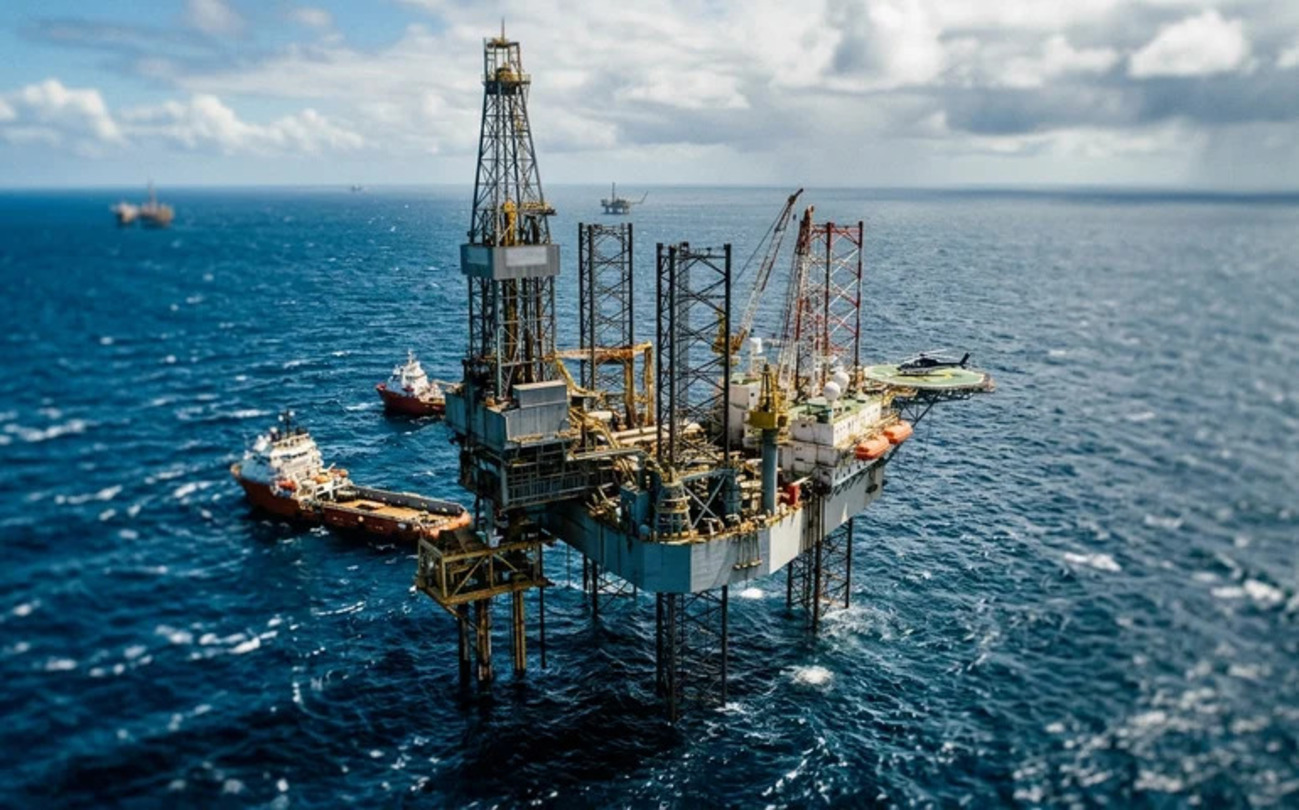
Brazilian giant expands borders in the Southeast: Petrobras confirms new oil discovery in ultra-deep waters in the pre-salt of the Campos Basin.
-
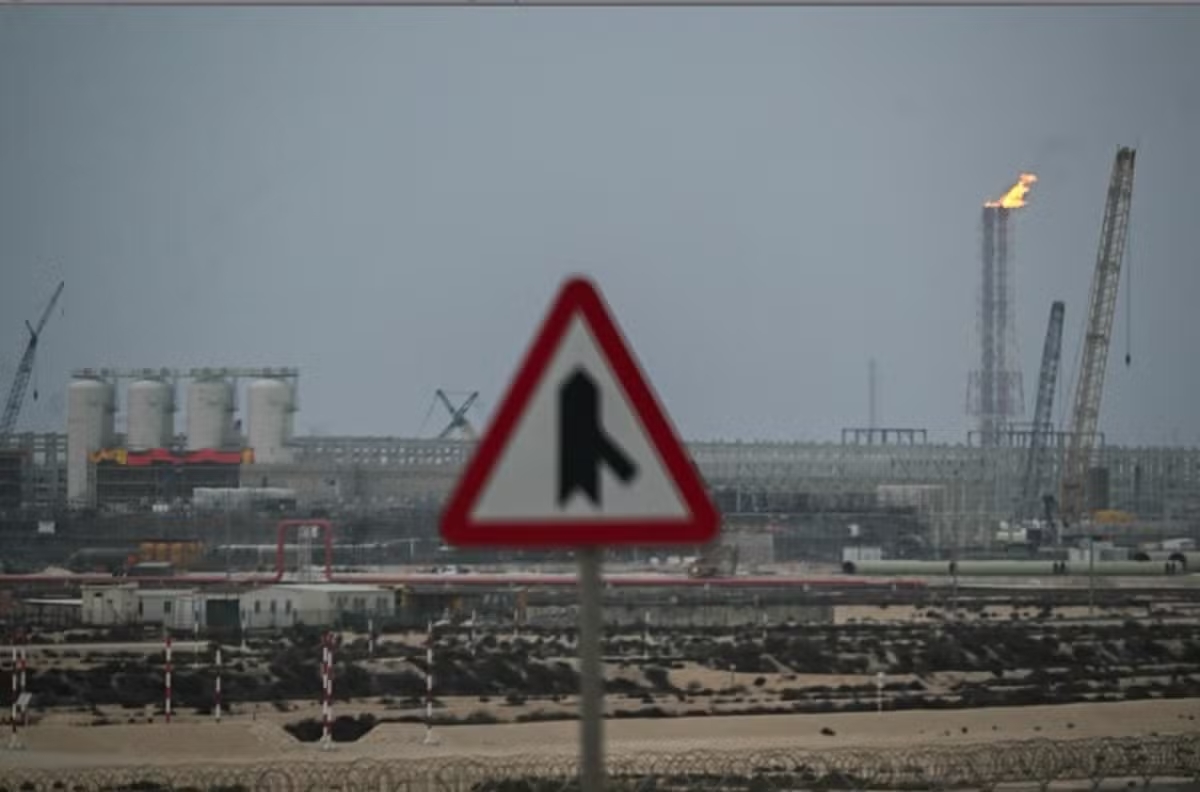
Alert in the global energy market: Severe tropical cyclone hits the coast and disrupts gas production at major plants in Australia, threatening global supply.
-
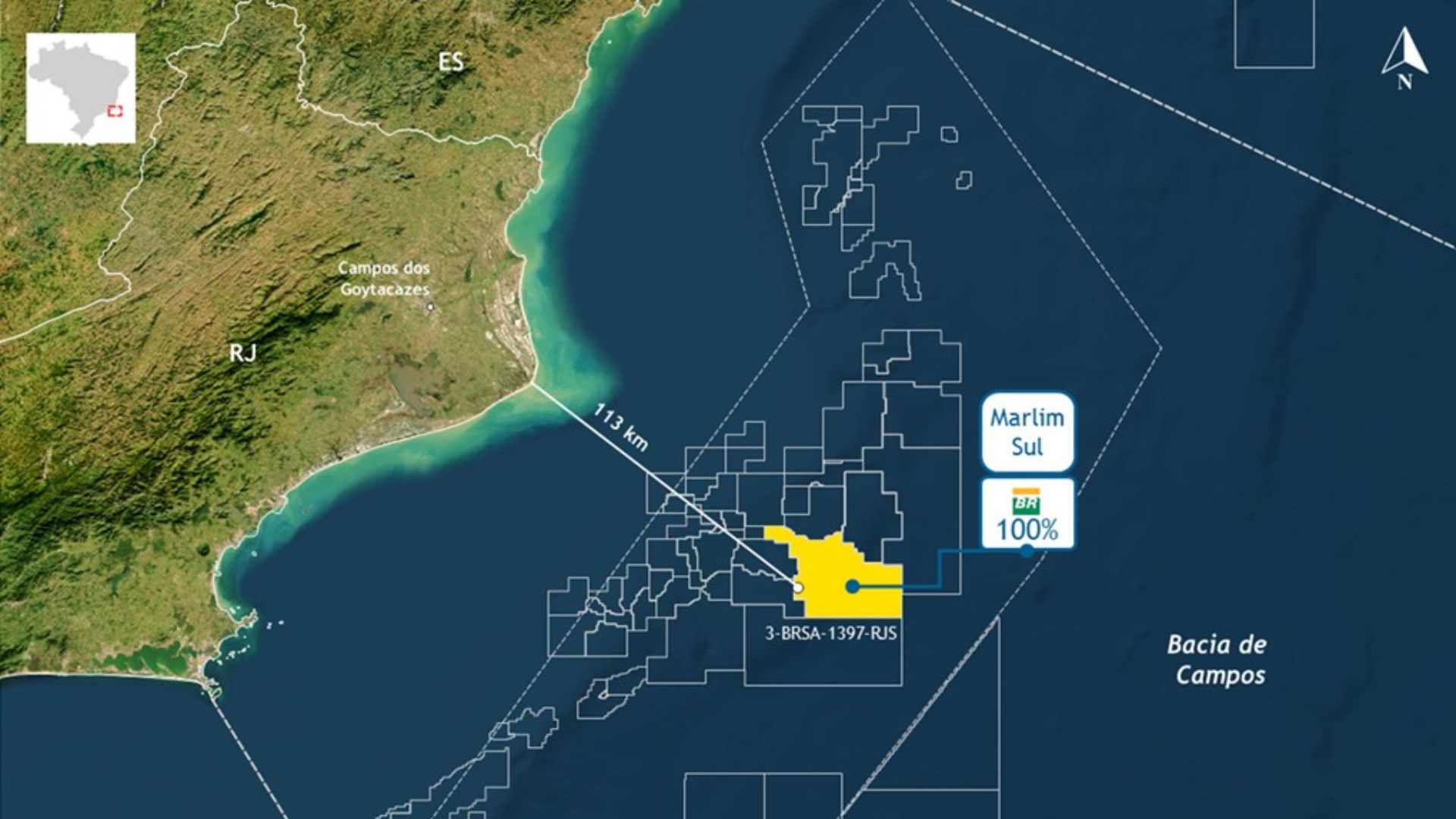
Petrobras finds high-quality oil in the pre-salt at 113 km from RJ and reignites expectations about strategic reserves in the Campos Basin.

-
Ocyan opens registrations for startups focused on innovation in the oil and gas sector and will select projects for Innovation Day with the support of Nexio.




After five years of exploration, on March 3, 1938, oil was found in the Dammam No. 7 well. This discovery marked the beginning of the commercial exploration of the natural resource and inaugurated a new phase for the country.
Formation of Saudi Aramco
The initial exploration was carried out by foreign companies operating under the Saudi government’s authorization. The company responsible for operations evolved into the Arabian American Oil Company, which later became known as Saudi Aramco. As production grew and exports increased, oil began to generate significant revenues for the state.
In the following years, Saudi Arabia began to increase its stake in the company, eventually taking full control of Saudi Aramco in 1980. The nationalization of the company ensured the country dominance over its resources and the fate of the profits obtained from oil production and sales.
Economic Expansion and Infrastructure of Saudi Arabia
With the revenue generated from oil, Saudi Arabia invested in basic infrastructure, city building, hospitals, schools, and highways. Regions such as Riyadh and Jeddah were modernized with resources from the energy sector. The government also funded social programs, created jobs, and promoted large-scale urbanization policies.
These investments positioned Saudi Arabia as one of the richest nations in the world, with oil being the main economic driver for decades. The accumulated wealth allowed the country to create sovereign funds and acquire assets abroad.
Role in OPEC and Global Geopolitics
The importance of Saudi Arabia on the international energy scene grew rapidly. The country became a founding member of the Organization of the Petroleum Exporting Countries (OPEC), actively participating in decisions regarding production quotas and control of global supply.
In addition to its role in the market, Saudi Arabia gained significance in international relations, maintaining strategic alliances with importing nations and influencing political decisions related to energy security.
Vision 2030 and Economic Diversification
The strong dependence on oil led the Saudi government to launch the Vision 2030 program in 2016. The plan aims to diversify the economy by promoting sectors such as tourism, technology, mining, and renewable energy. The objective is to reduce dependence on oil exports and create new sources of revenue.
Among the ongoing projects is the construction of Neom, a planned city in the northwest of the country, focusing on technological innovation. The initiative uses resources obtained from oil to finance the structure of the future metropolis.
Energy Transition and New Investments
Although oil remains the primary source of revenue, Saudi Arabia has begun investing in other energy sources. Solar and wind energy projects are being developed, along with initiatives aimed at hydrogen production and the use of carbon capture technologies.
The declared intention is to adapt the country’s economic model to global transformations in the energy sector while maintaining its leadership position and expanding its areas of operation.
The discovery of oil in 1938 was the starting point for Saudi Arabia’s economic transformation. From a desert territory with low revenue, the country became one of the richest nations in the world, playing a central role in geopolitics and the global energy market. Even with new diversification plans, oil remains an essential element for sustaining the Saudi economy.









-

Uma pessoa reagiu a isso.