





 Portuguese
  English
  Spanish
 5 min of reading
  0 comments


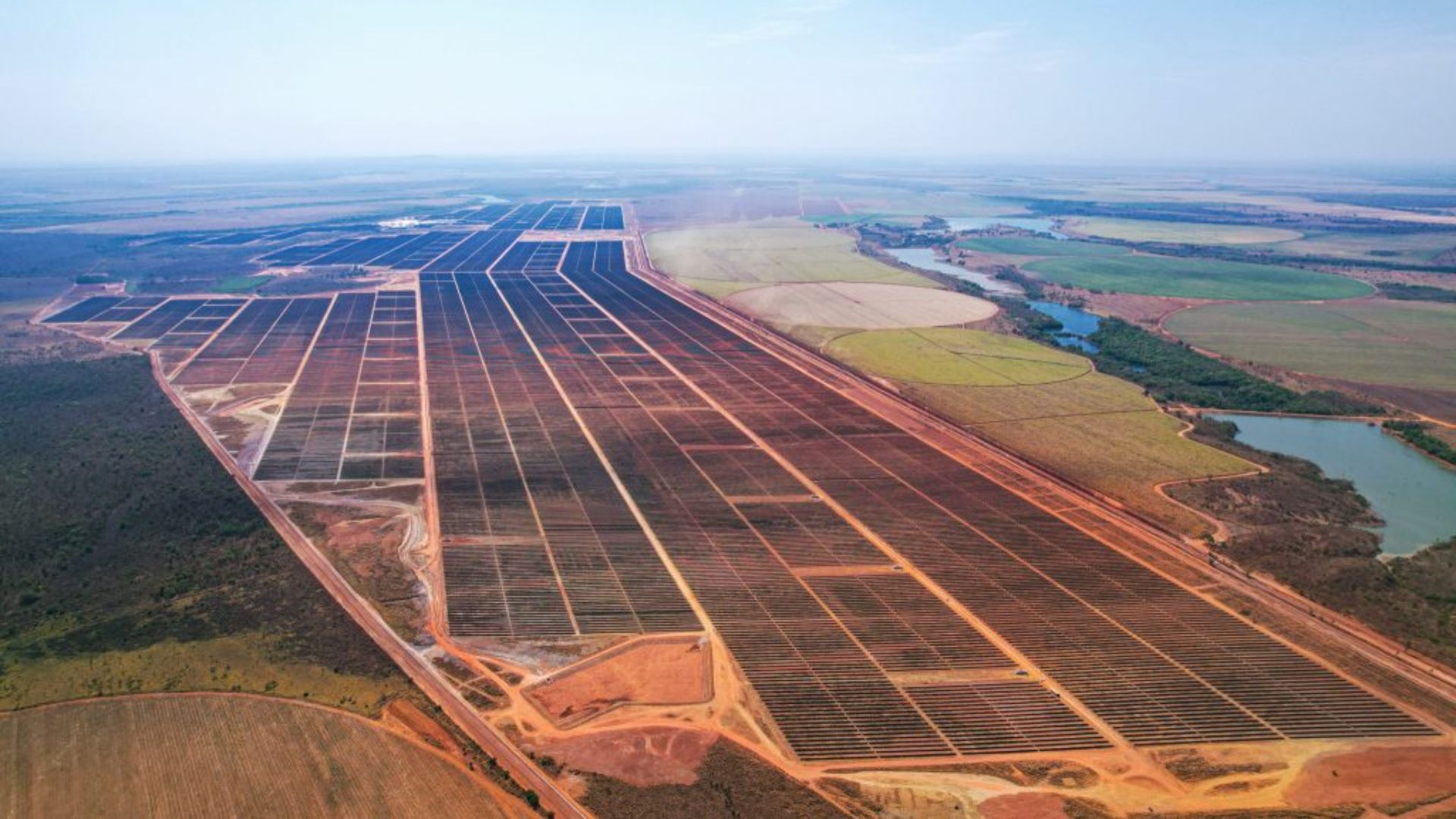
ArcelorMittal Inaugurates A New Solar Park In Minas Gerais, Expanding Solar Power Generation With 320 MW Installed And Strengthening Its Sustainability Strategy By 2030
On December 9, 2025, ArcelorMittal officially announced the completion of the Luiz Carlos Park, its latest renewable energy project installed in Paracatu, in the Northwest of Minas Gerais. According to an article published by Folha de Curitiba and other outlets, with a total investment of R$ 895 million, made in partnership with Atlas Renewable Energy, the project constitutes one of the largest recent advances in the solar energy sector within the steel industry.
Installed Capacity And Operation Of The ArcelorMittal Solar Park
The installation includes 500,000 photovoltaic panels and an installed capacity of 320 MW, enough to significantly strengthen the company’s goal of achieving 85% energy consumption from renewable sources by 2030. It is a milestone for the Brazilian industry, emphasized the company, reinforcing that the project symbolizes more than the expansion of the renewable matrix: it also represents a strategic move towards long-term decarbonization.
The new solar park was structured to generate, on average, 74 MW per year, a volume that will directly strengthen the company’s industrial operations. The self-produced energy has a relevant impact, as the steel industry is highly energy-intensive and depends on a continuous and reliable supply to ensure competitiveness.
-
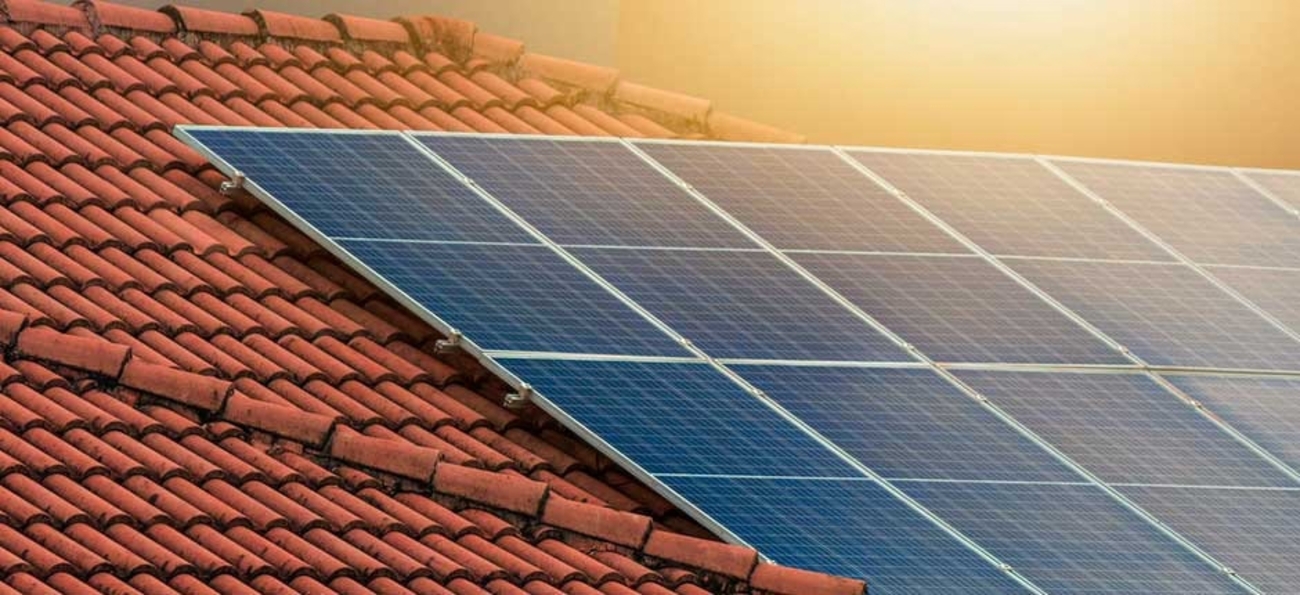
Roraima bets on the sun to escape high tariffs: Amid the energy crisis and price hikes, solar energy is growing in Roraima and transforming consumption in the North region.
-
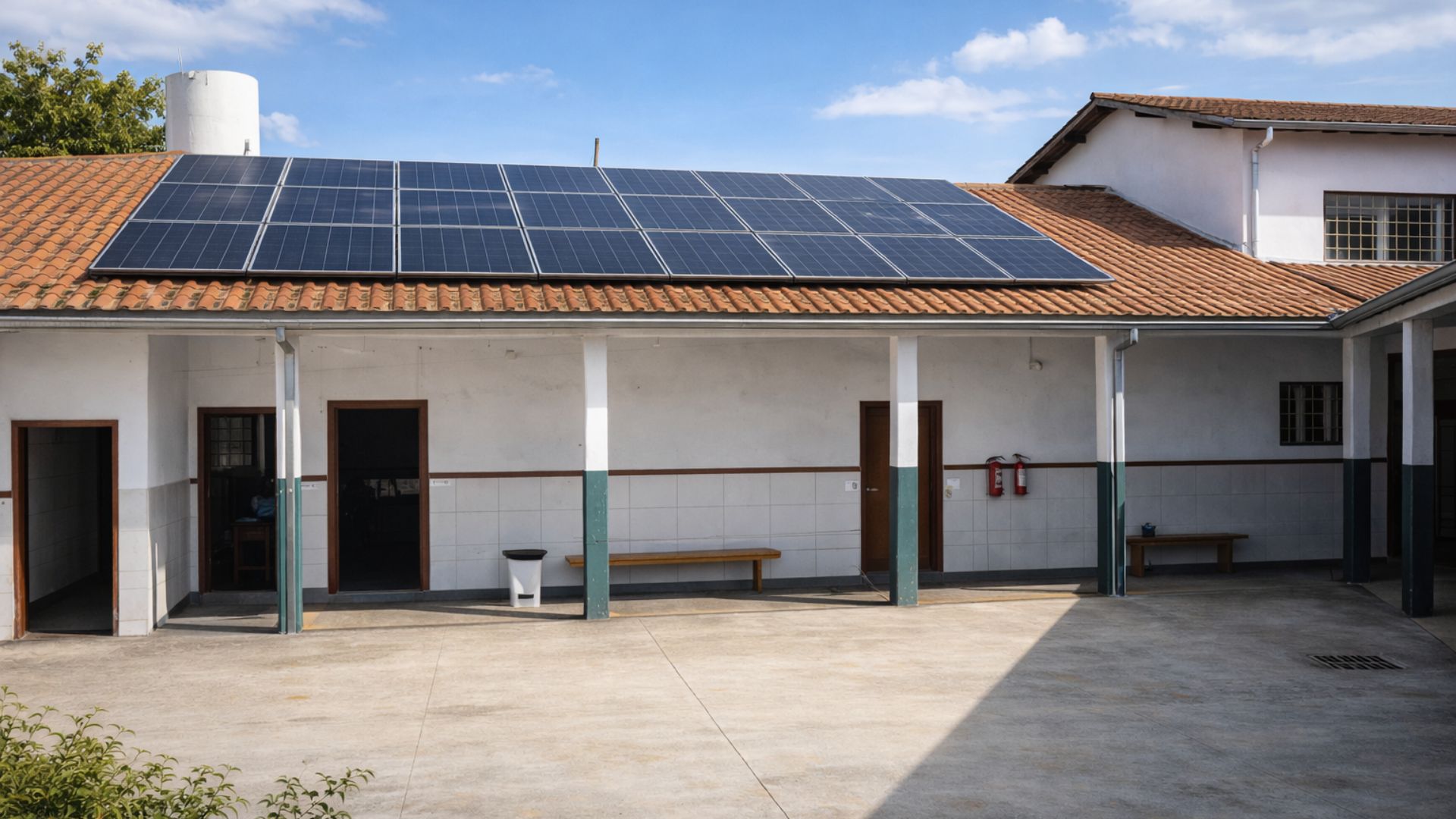
Copel boosts solar energy in Paraná and brings innovation to public schools, promoting savings on electricity bills, energy efficiency, and a direct impact on the quality of education.
-
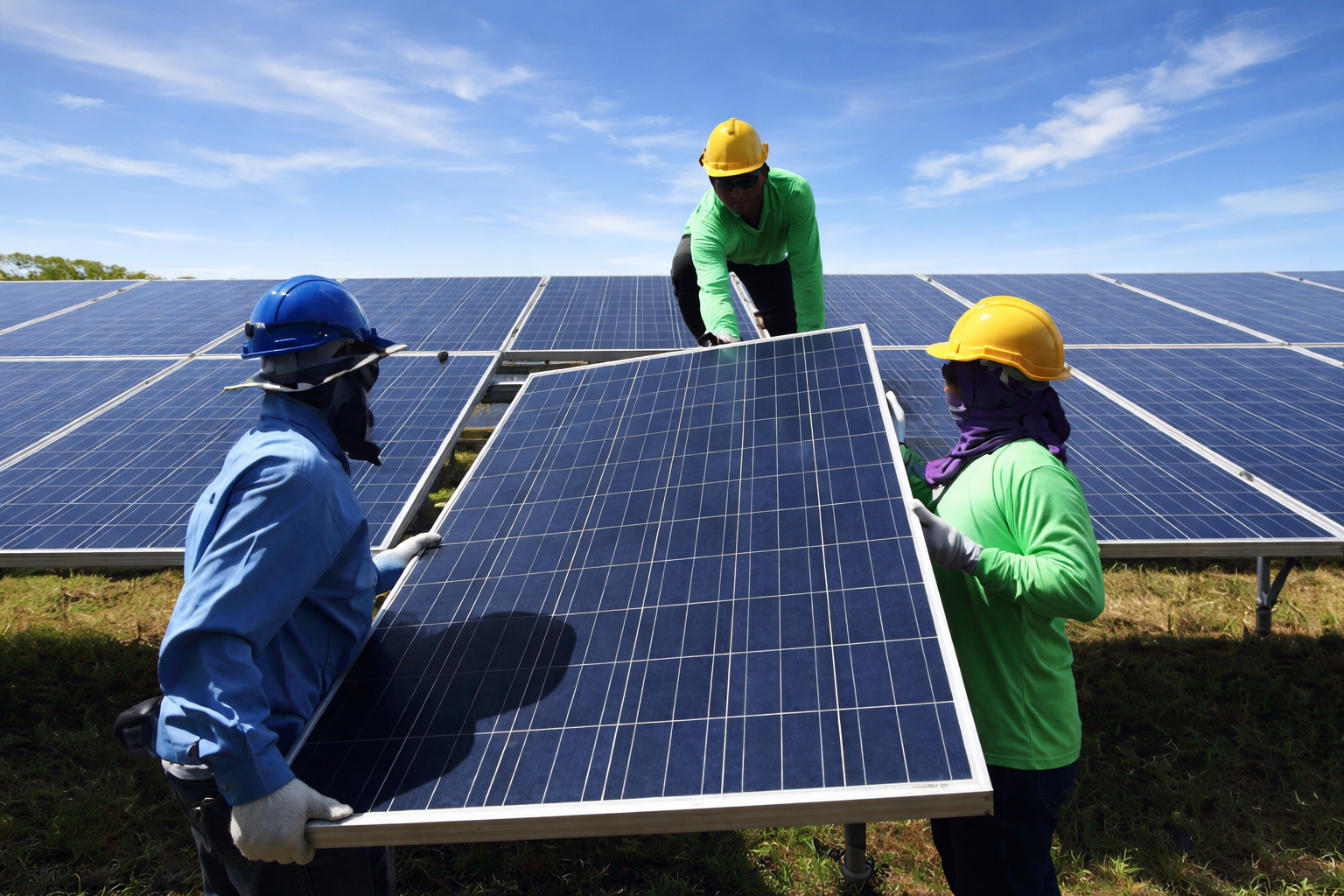
Brazil reaches historic milestone in solar energy: Sector surpasses 2 million accumulated green jobs and generates billions in the national economy even under market pressure.
-
Minas Gerais takes the lead in renewable energy: State surpasses historic mark of 14 GW in solar energy generation in MG and consolidates dominance in the Brazilian electric sector.
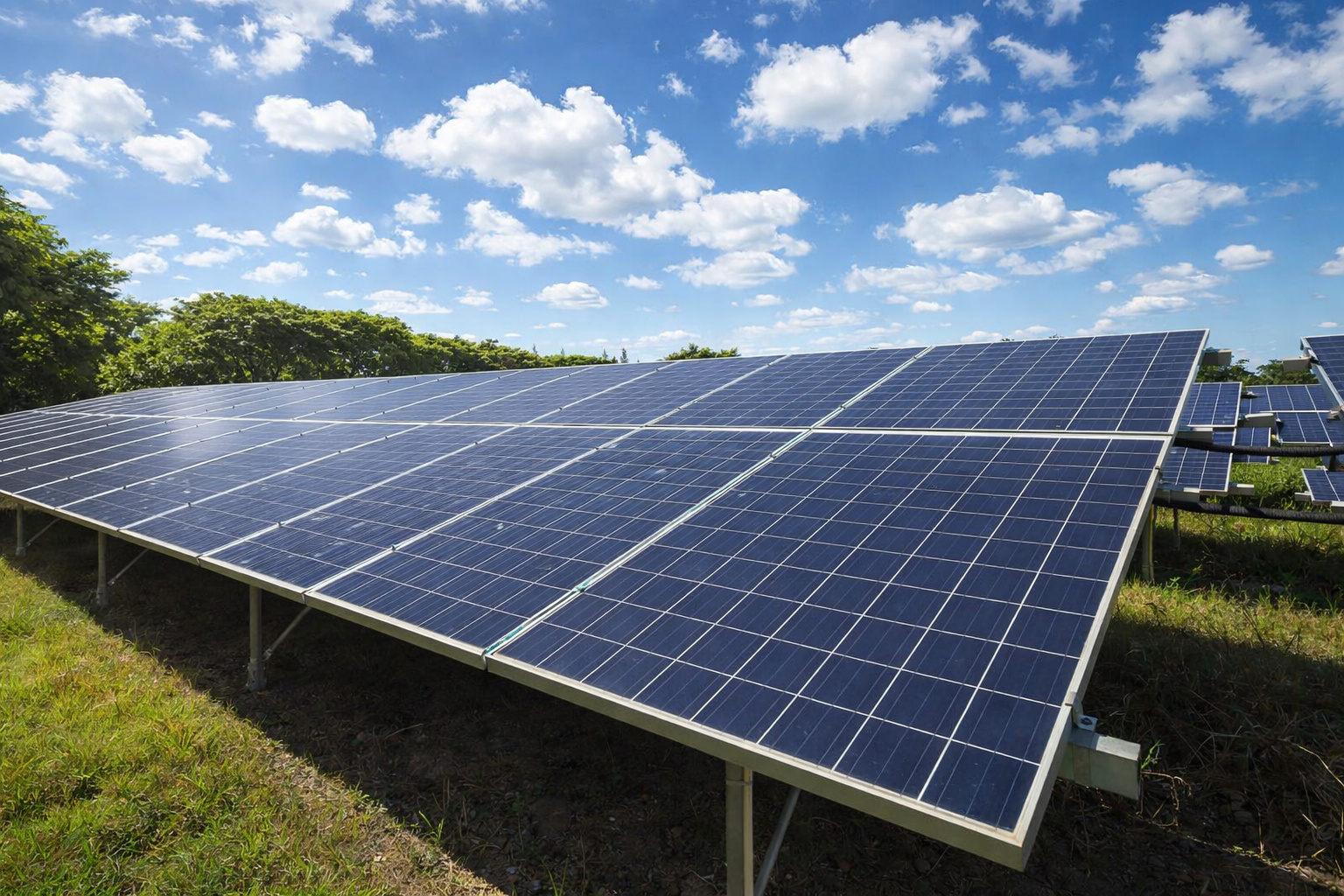

The project was developed following the BOT (Build, Operate and Transfer) model, a common practice in large infrastructure projects. Under the BOT format, Atlas Renewable Energy is responsible for building and operating the park during the initial period, subsequently transferring its complete management to ArcelorMittal. This approach reduces deployment risks, accelerates the start of operations, and ensures international execution standards.
Furthermore, to connect the park to the National Interconnected System (SIN), a 65-kilometer transmission line was installed, ensuring stable integration with the Brazilian electrical grid. This step was essential to ensure the efficient flow of generated energy and avoid bottlenecks that could affect the initial performance of the project.
Economic Impacts And Direct Benefits For ArcelorMittal
The completion of the project represents an important change in ArcelorMittal’s energy management. The self-generation of energy helps reduce operational costs, which can account for between 5% and 8% of total expenses in steel production. This means greater budget predictability, less vulnerability to tariff fluctuations, and enhanced competitiveness in the national and international scenario.
Another relevant economic impact is linked to job creation and regional strengthening. During the construction phase, the project mobilized hundreds of professionals, engaged local suppliers, and stimulated the economy of Northwest Minas Gerais. This reinforced a cycle of sustainable development, where technological innovation and economic growth go hand in hand.
This set of advances highlights the importance of private investments in the expansion of renewable energies, especially in large industrial sectors that have significant demand and capacity to lead structural changes in the Brazilian energy market.
Regulatory Challenges And The Impact Of Curtailment On Solar Energy
Despite the significant results, the solar energy sector still faces important obstacles in Brazil. One of the main ones is curtailment, a practice that involves the forced reduction of energy generation when the electrical system lacks the capacity to absorb all the produced volume. This problem generally occurs due to transmission limitations or delays in essential structural works needed to modernize the system.
According to Fábio Bortoluzo, president of Atlas Renewable Energy in Brazil, the lack of regulatory updates hinders the sector’s advancement and directly affects the efficiency of new projects. The issue has been widely discussed among companies, specialists, and regulatory bodies, as the waste of generated energy can compromise the viability of large projects and discourage future investments.
This case illustrates how the accelerated growth of renewable generation in the country needs to be accompanied by equivalent investments in transmission, storage, and digitalization of the electrical infrastructure. Without this modernization, the sector’s expansion may encounter barriers that reduce its competitiveness and limit its strategic potential.
Sustainability And Environmental Goals Of ArcelorMittal By 2030 And 2050
The new solar park is just one part of the company’s long-term environmental commitment. ArcelorMittal has set a goal to be carbon neutral by 2050, as well as to reduce 25% of greenhouse gas emissions by 2030. To achieve these objectives, the company has also invested in complementary technologies within its industrial plants.
Among the initiatives already underway are heat recovery systems, gas reuse technologies, and optimization of production processes to avoid energy losses. These strategies are part of an integrated efficiency plan that reinforces the company’s position as a global reference in energy transition in the steel sector.
Sustainability is an essential pillar for maintaining competitiveness, the company emphasized when announcing the project. The long-term vision shows that adopting clean technologies not only represents an environmental demand but also a necessary economic movement for companies aiming to lead the market and meet international production standards.
The Role Of Brazil In Renewable Expansion And The Advances In Minas Gerais
Brazil holds a prominent global position in the use of renewable sources, especially due to favorable climate, high solar irradiation, and the availability of suitable areas for the implementation of large photovoltaic projects. In recent years, solar energy has become one of the main alternatives for expanding the national energy matrix, with continuous advances in efficiency, cost reduction, and industrial growth.
Minas Gerais has been one of the leading states in this transformation. With incentive policies, favorable infrastructure, and a skilled workforce, the state has attracted some of the largest investments in the sector. The installation of the Luiz Carlos Park reinforces this vocation by increasing the presence of large-scale projects and strengthening the region’s industrial ecosystem.
At the same time, the presence of private companies like ArcelorMittal drives the modernization of the sector, establishes new efficiency standards, and contributes to consolidating Brazil as an international reference in the development of clean technologies. As more industries adopt self-generation, the country is likely to accelerate its energy transition and increase its global competitiveness.
The Strategic Relevance Of The Luiz Carlos Park For The Future Of Renewable Energy
The completion of the Luiz Carlos Park marks a significant advance not only for ArcelorMittal but for the entire renewable energy sector in Brazil. With robust investment, significant installed capacity, and a structured partnership with an international company, the project demonstrates how industry can lead energy transformation movements and enhance its competitiveness by adopting clean sources.
In addition to reducing costs, increasing energy security, and contributing to decarbonization, the initiative reveals the country’s potential to attract new investments and consolidate sustainable technologies. Although regulatory challenges persist, the continuous advancement of projects of this scale strengthens confidence in the market and demonstrates that Brazil has exceptional conditions to further expand its global presence in the solar energy segment.








-

Uma pessoa reagiu a isso.