





 Portuguese
  English
  Spanish
  2 min of reading
  0 comments


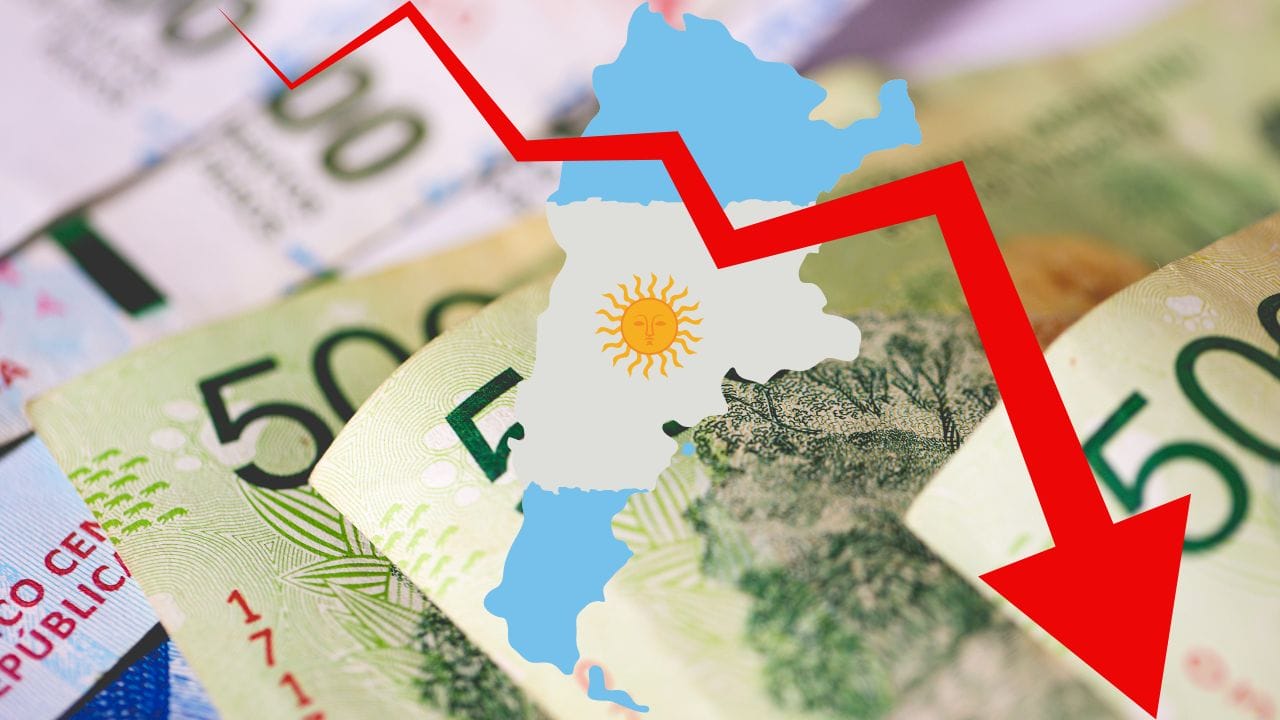
Despite Being the Fourth Largest Country in America and Being One of the Richest on the Continent, the South American Nation Struggles Against Alarming Inflation That Nears 140% Since 2020.
The economic fragility of Argentina has been exacerbated by global events such as the COVID-19 pandemic and the war between Russia and Ukraine, which impacted the global supply chain. However, Argentine inflation far exceeds the global average, highlighted in major portals such as G1, Folha de São Paulo, and Portal 360.
In a more detailed analysis, the channel Capital Finance explores the origins and consequences of the Argentine economic crisis. The history of Argentina is marked by an economy initially based on agricultural exploitation, benefited by the fertility of the Río de la Plata region and the Pampas. However, the Great Depression of 1929 and subsequent economic policies, especially under the leadership of Juan Domingo Perón, began to shape the country’s current economic landscape.


Perón Implemented a Populist Economic Model, with a Significant Increase in State Control and a Focus on Nationalized Industries
These policies isolated Argentina from the international market and inflated the size of the state. Government subsidies for goods and services, such as electricity, and a bloated public sector, where one-third of formal employees work for the state, are reflections of these policies.
-
The government requests the Federal Revenue Service for a new system to automate the income tax declaration, reducing errors, time, and bureaucracy for millions of Brazilians.

-
Pix in installments, international Pix, and contactless payment without internet: the Central Bank revealed the new features coming to the tool that is already used by almost every adult in Brazil.

-
Mercado Livre has just started selling medications with delivery in up to three hours to your door, and this move could completely change the way Brazilians buy medicines on a daily basis.

-
In Dubai, rising tensions from the war in the Middle East are causing super-rich individuals to leave the Gulf and direct their fortunes to a new financial refuge in Asia.

The crisis intensified in 2018, under the presidency of Mauricio Macri, who tried to attract dollar investments but ended up generating more inflation and devaluation of the Argentine peso, as highlighted in a report by BBC. The situation worsened with the COVID-19 pandemic, when the government of Alberto Fernández froze prices and printed more money, leading to a historic devaluation of the peso.
The history of Argentina reveals a series of poor economic decisions that have accumulated over the years, culminating in the current crisis. The out-of-control inflation and the devaluation of the currency are just the tip of the iceberg of a deep economic crisis, rooted in history and exacerbated by poorly directed government policies.









Seja o primeiro a reagir!