





 Portuguese
  English
  Spanish
  5 min of reading
  0 comments


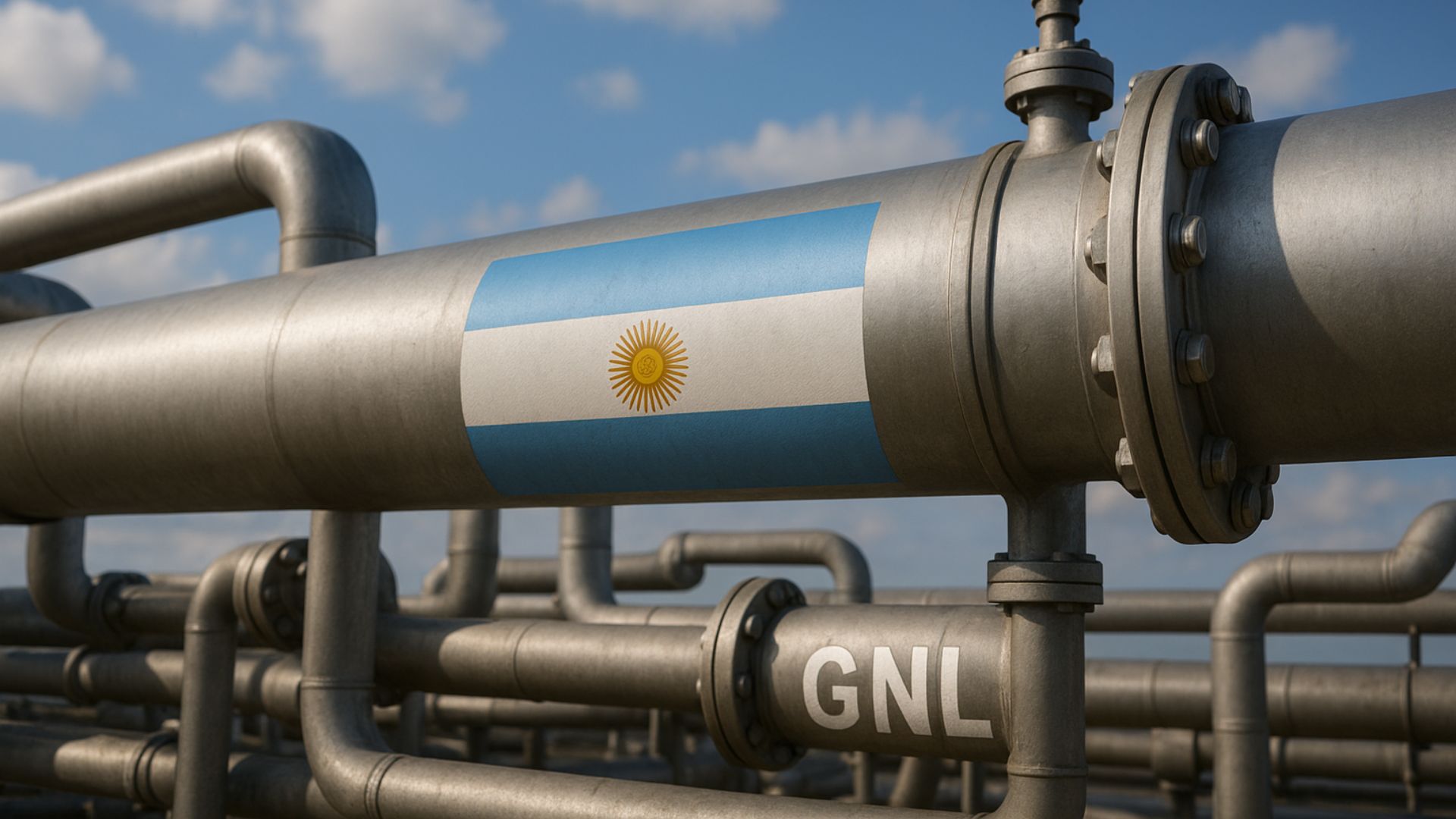
Argentina Advances in the Global Market by Signing a Historic LNG Export Contract with Germany, Strengthening Vaca Muerta and Expanding Its Share in the Natural Gas Industry
On December 1, 2025, Argentina signed its first major long-term LNG export contract with the German state company Securing Energy for Europe (SEFE), in a historic move for the country’s energy sector and the global natural gas liquefaction industry. According to InvestNews, this agreement is seen as a significant advance and represents the beginning of a new phase for Vaca Muerta as a production and commercialization hub in the international market.
Natural Gas Contract Reaches 2 Million Tons Annually
According to official information from both companies involved, the contract stipulates the supply of up to 2 million tons of LNG per year for eight years, starting at the end of 2027. To facilitate loading and processing, floating liquefaction units will be used.
Additionally, a second platform is expected to be installed about a year after the start of operations, which should consolidate the infrastructure needed to meet the contracted volume. This is considered the first long-term export agreement ever signed by Argentina for the LNG market.
-
Brazilian giant expands borders in the Southeast: Petrobras confirms new oil discovery in ultra-deep waters in the pre-salt of the Campos Basin.

-
Alert in the global energy market: Severe tropical cyclone hits the coast and disrupts gas production at major plants in Australia, threatening global supply.

-
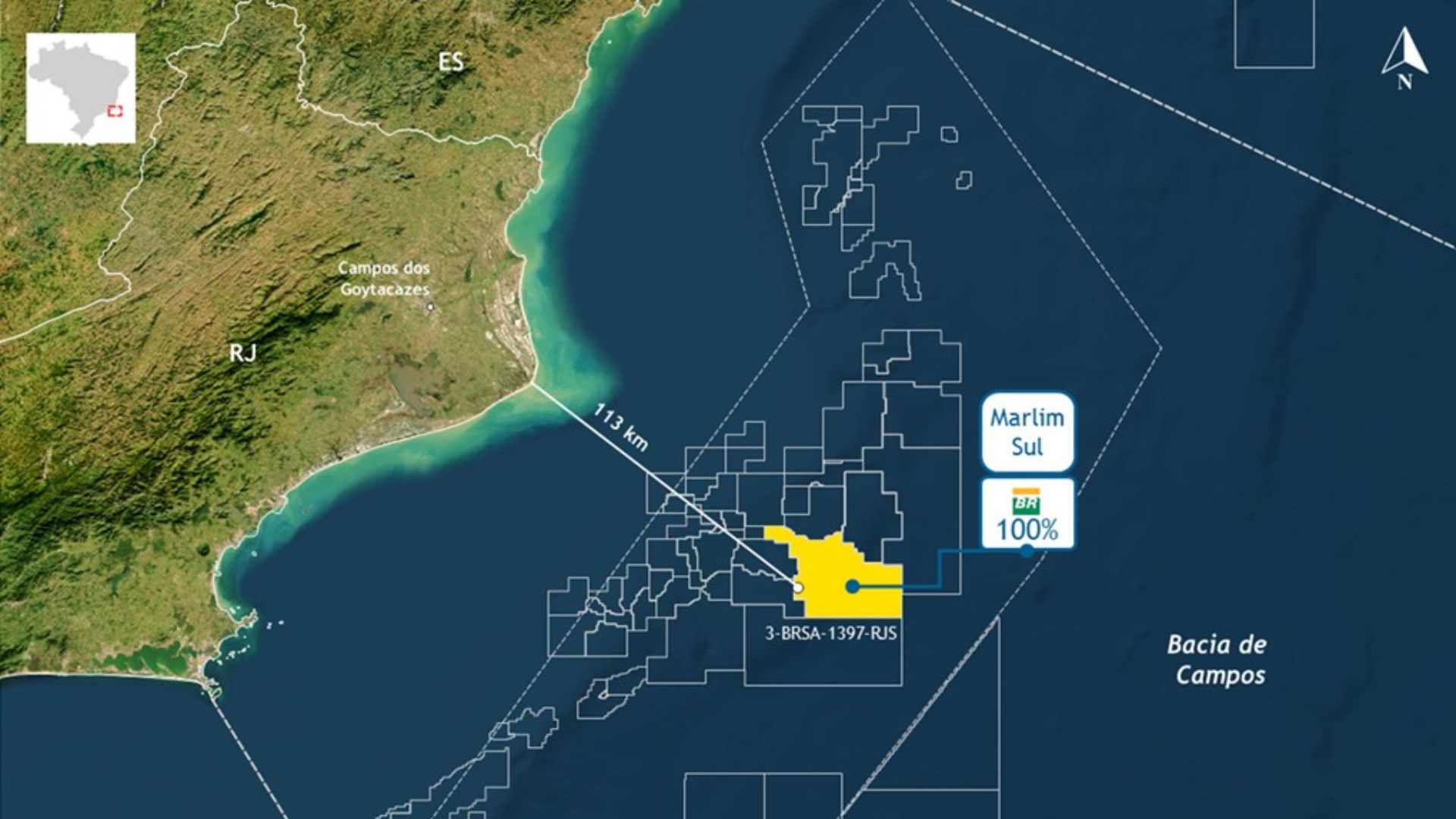
Petrobras finds high-quality oil in the pre-salt at 113 km from RJ and reignites expectations about strategic reserves in the Campos Basin.

-
Ocyan opens registrations for startups focused on innovation in the oil and gas sector and will select projects for Innovation Day with the support of Nexio.


The advance occurs in a global context of energy transformation, geopolitical realignment, and reorganization of suppliers, especially after the European supply crisis that intensified following the war in Ukraine. Thus, the contract also enhances Argentina’s role in a sector previously dominated by traditional exporters such as the United States, Qatar, and Australia.
Strategic Details of the Export Contract
The pact was signed between the Southern Energy consortium, led by Pan American Energy Group, and the German state-owned SEFE. The agreement establishes FOB (“free on board”) conditions, meaning that the responsibility for delivery passes to the buyer after the product is shipped. The expectation is that the first exports will be realized starting in 2027, with the second phase beginning in 2028.
The implementation of this floating liquefaction structure represents a significant advancement for the sector. These platforms, known as FLNG, allow for the direct transformation of natural gas into LNG at sea, without the need for large land-based facilities.
This reduces logistical costs and accelerates the operational timeline, especially in regions that are still developing their transport and compression networks. With this agreement, Argentina approaches a new level in the global energy market.
The agreement, still in the formalization phase, represents “a decisive step for the future development of gas resources in Vaca Muerta,” stated Rodolfo Freyre from Pan American, the company leading the Southern Energy consortium, in a statement.
The Impact for Vaca Muerta and the Natural Gas Sector
Located in the province of Neuquén, Vaca Muerta is one of the largest unconventional gas reserves in the world. For years, experts have pointed to its potential to transform Argentina’s energy matrix and position the country as a strategic exporter. Now, the contract confirms this expectation in practice.
The development of gas infrastructure has been a priority for the country in recent years, with investments in pipelines, flow systems, and projects aimed at exports. The realization of a contract of this magnitude tends to further accelerate private investments, as it guarantees demand predictability and financial return.
Additionally, the agreement acts as a credibility seal for the Argentine energy sector. With a large European buyer validating the reserves and delivery capacity, the country integrates into a global chain that moves billions of dollars annually.
The Role of Germany in the Agreement and the Global Scenario
After reducing imports of Russian gas, Germany initiated an aggressive strategy to diversify its sources and suppliers. The country invested in new receiving terminals, storage infrastructure, and long-term contracts with new partners. The agreement with Argentina is part of this strategy.
The contract is also aligned with a global trend toward greater decentralization in supply. Instead of relying on a few suppliers, major buyers are looking to expand portfolios and create more energy security. With this, new players are entering the market and consolidating their operations with multi-year agreements.
Besides strengthening the European energy sector, the agreement with Argentina contributes to balancing the supply and demand of natural gas, especially during periods of high consumption and economic volatility. At the same time, the advancement of LNG allows greater flexibility in supplying different markets, thanks to the ease of storage and maritime transport.
Opportunities for the Argentine Energy Sector
Economic and Industrial Benefits
The contract has the potential to generate substantial benefits for the Argentine economy. The foreign currency revenue strengthens the external sector and increases investment capacity in the energy industry and infrastructure. The agreement also signals a definitive entry into the global export market with robust long-term contracts.
Among the main impacts, the following stand out:
- Entry of new investors for associated projects.
- Stimulus for building specialized plants and vessels.
- Expansion of local productive and technological capacity.
- Creation of direct and indirect jobs.
For these reasons, experts consider the agreement a milestone for the country and for Vaca Muerta. Argentina joins a select group of relevant exporters and reinforces its role as a reliable supplier to the international market.
Long-Term Perspectives for the LNG Market
The contract represents the beginning of a new export cycle for Argentina. With the establishment of the agreement with Germany, and considering the planned expansion of liquefaction units, the country could achieve larger export volumes and diversify destinations.
Additionally, other projects and partnerships are in development, indicating that this operation may be just the first in a series of international contracts.
This movement aligns with the global strategy of energy transition and supply security. Argentina is set to occupy an increasingly strategic position in the sector.
Global Relevance of Argentina in the Natural Gas Market
The agreement formalized on December 1, 2025, strengthens Argentina’s position in the global energy landscape. The expansion of Vaca Muerta, the creation of floating infrastructure, and Germany’s involvement demonstrate that the South American country is ready to join the ranks of exporting nations of natural gas liquefaction.
With the right investments and the consolidation of ongoing contracts, Argentina has the potential to become a relevant supplier in Latin America, Europe, and Asia. This could have profound impacts on its economy, industrial sector, and global energy geopolitics.








-

Uma pessoa reagiu a isso.