





 Português
  Inglês
  Espanhol
  4 min de leitura
  7 comentários





Historic Privatization in the Government of Argentina: Milei Sells IMPSA to a US Company for R$ 164 Million, Generating Controversy and Expectations About the Impact on the Argentine Economy and Future Reforms.
The government of Argentina, under the leadership of Javier Milei, announced its first major privatization: the sale of IMPSA to the US company ARC Energy for R$ 164 million. The transaction, which includes the acquisition of 84.9% of the shares controlled by the state and the province of Mendoza, marks the beginning of Milei’s liberal economic agenda. Let’s understand how this decision impacts the Argentine economy and the future of the company.
What is IMPSA and Why Did the Argentine Government Decide to Sell it to the US Company?
Founded in 1907 by the Pescarmona family, IMPSA is one of the leading metallurgical and energy companies in Argentina, with a strong presence in hydropower projects, wind farms, and nuclear energy.
Despite its relevance in the sector, the company faced years of financial crisis, exacerbated by problematic contracts in Brazil and Venezuela, leading to nationalization in 2021 during the government of Alberto Fernández.
-
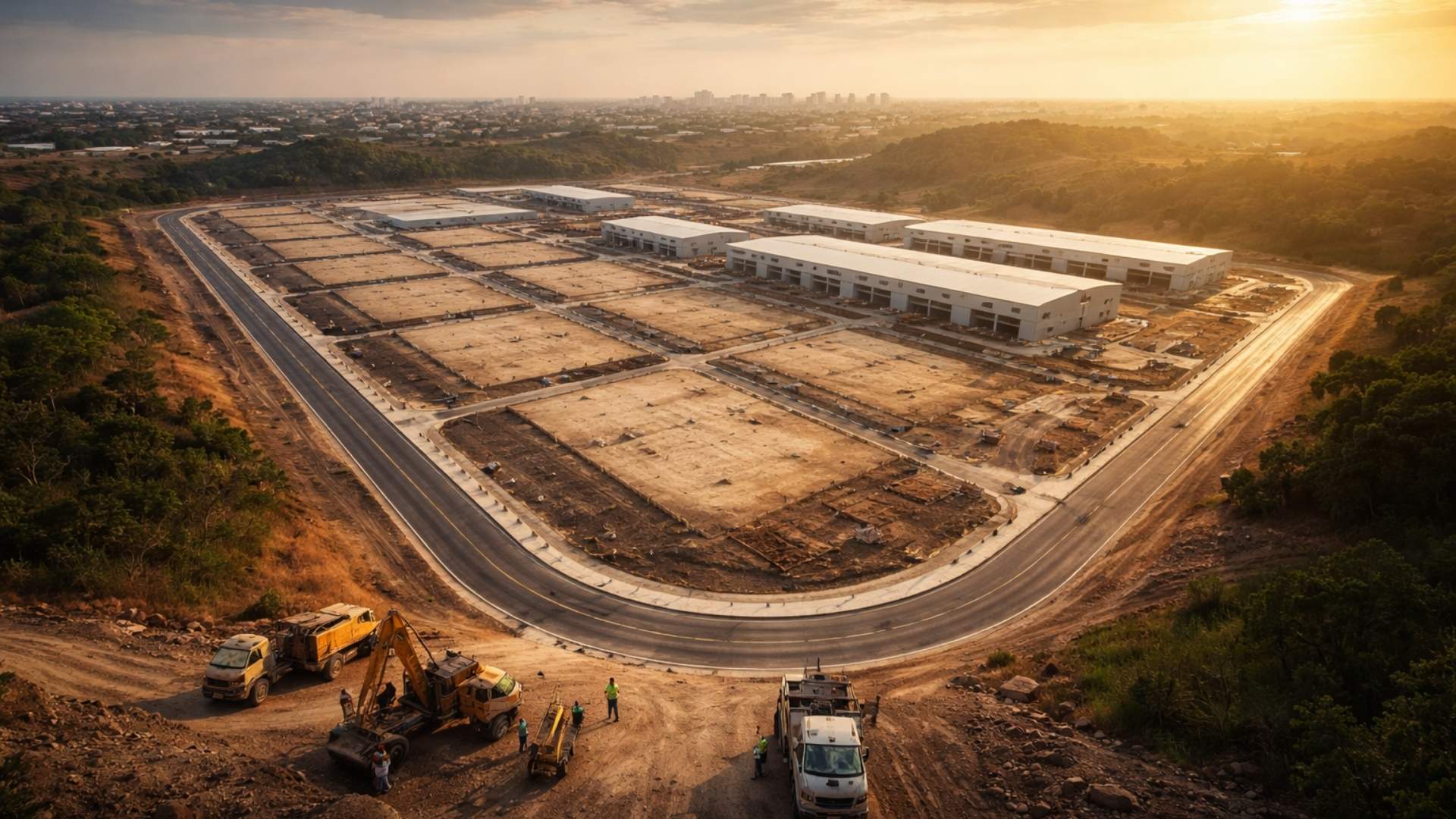
Brazilian city gains industrial hub for 85 companies that is equivalent to 55 football fields.
-
Peugeot and Citroën factory in Argentina cuts production by half and opens a layoff program for more than 2,000 employees after Brazil drastically reduced purchases of Argentine vehicles.

-
A Brazilian city gains a factory worth R$ 300 million with the capacity to process 200 thousand tons of wheat per year, a mill of 660 tons/day, silos for 42 thousand tons, and an industrial area of 276 thousand m².

-
Havan will leave the shopping mall in Blumenau to inaugurate something that the chain has never done before: a megastore in half-timbered style in the Historic Center of the city, which is expected to be completed in May and change the landscape of local retail.




Now, under the leadership of Javier Milei, IMPSA is being privatized as part of a strategy to attract international investments and revitalize the economy. The sale was made for R$ 164 million, with ARC Energy also assuming a debt of US$ 576 million (about R$ 3.5 billion).
The Sale to ARC Energy
The American company ARC Energy, based in Louisiana, was the only one to submit a proposal to acquire IMPSA. Nevertheless, the government and the province of Mendoza demanded adjustments to the initial offer before approving it.
The transaction includes an immediate investment of US$ 7 million (R$ 42.7 million), with the remaining amount to be paid over 2025. ARC Energy has also committed to investing in strategic contracts and keeping the 660 employees at the headquarters in Mendoza.
What Does the Privatization Mean for Argentina?
The sale of IMPSA signals the beginning of a series of economic changes promised by Javier Milei, who seeks to reduce the role of the state in the economy and attract foreign capital. This privatization also occurs at a time when Milei strengthens ties with the United States, evidenced by his recent trip to attend Donald Trump’s inauguration.
For Argentina, the goal is not only to save IMPSA but also to position it in the global market under more efficient management. ARC Energy plans to expand operations, particularly focusing on replacing Chinese cranes in American ports, a move that could gain momentum with Trump’s return to power.
The Challenges and Opportunities of the Sale
Although the privatization of IMPSA brings hopes for a more promising future, the process faces some challenges. The transfer of shares, scheduled for February, depends on renegotiating the company’s debt and agreement from creditors such as Banco Nación and the IDB. Existing contracts with the Ministry of Defense and the state-owned YPF need to be reviewed to ensure the company’s financial viability.
On the other hand, ARC Energy sees a opportunity to transform IMPSA into a strategic partner in the United States, exploring the renewable energy and infrastructure market. Revitalizing IMPSA could also attract more international investors, a crucial step for Argentina’s economic recovery.
A New Era for the Argentine Economy?
The privatization of IMPSA reflects Milei’s vision for the economic future of Argentina: a more liberal model, with less state intervention and greater openness to the external market. However, this approach is controversial, especially in a country where past privatizations have not always been successful.
The decision also brings political implications, as it reinforces Milei’s ties with the United States and Donald Trump. For many, the sale of IMPSA is a test of the government’s economic agenda and an indicator of how other privatizations may be conducted in the future.
With the sale of IMPSA, the government of Argentina seeks to show the world that it is open for business and willing to implement deep economic reforms. ARC Energy, in turn, has the mission of revitalizing a historic company and exploring new markets.
Whether the privatization will be a success or not, only time will tell. But one thing is certain: the sale of IMPSA marks the beginning of a new economic era for Argentina, an era that promises changes, challenges, and perhaps new opportunities for the country on the global stage.









Setores estratégicos e essenciais à coletividade como energia elétrica; telefonia; transportes; combustíveis e água, não deveriam ser privatizados, pois, a concorrência estatal pública é o único meio que o Poder Público tem para garantir o controle da Inflação e evitar a ameaça da hiperinflação induzida pelo Anarcocapitalismo privado, destruidor de Economias. E, não tráz nenhum retorno lucrativo para a União, destinado à outras finalidades essenciais à Sociedade. Liberdade econômica, que acaba sendo prejudicial ao Desenvolvimento coletivo.
Milei está no caminho certo . A quadrilha anterior dilapidou o país, como toda quadrilha comunista, populista. Agora, um homem honesto vai levar o seu povo ao bem estar social devido…diferente do daqui, que já dilacerou NOVAMENTE o Brasil!!!
Aqui no Brasil, privatizar estatal como o Correios não é bem vindo, uma vez que evitaria a roubalheira **** com 800 ministério para defragar a corrupção em todos setores possíveis
Uma vez que cidades do interiores teriam fechadas suas agências.
Mesmo argumentos que usaram na privatização da Telebrás. Kkkk 🤪
Sou socialista, o governo anterior da Argentina não era comunista, mas sim peronista, o peronismo é uma ideologia muito estranha e extremista, em resumo diz que os trabalhadores e patrões devem se unir para o desenvolvimento da nação, o governo anterior não fez um bom governo na Argentina, o país está com uma hiperinflação e a taxa de pobreza era muito elevada quando o presidente anterior deixou o cargo.
Milei também é muito polêmico, diz coisas que não são corretas, como dizer que o marxismo e o keynezianismo é a mesma coisa, ele como economista precisa diferenciar bem as escolas.
Não votaria nele se fosse argentino, mas desejo que ele faça um bom governo, até porquê ele precisa melhorar a economia da Argentina que está em uma situação muito crítica,.
O governo anterior tinha a minia de estatizar empresas que surgiram privadas, isso é um absurdo, a empresa que surge privada deve permanecer privada, sou afavor da privatização desta empresa pelo Milei.
Sobre os correios não sou afavor de uma privatização, os concursos permitem oportunidades de empregos aos que não foram contratados pela iniciativa privada que em muitos casos realizam processos de seleção injustos, além disso, o dinheiro público retorna para o privado, por exemplo, alguém paga uma taxa para colocar uma mercadoria no correio, parte desta taxa é utilizada para pagar o salário do carteiro, que realizará compras no súper mercado, o súper mercado contratará mais funcionários, ocorre o multiplicador defendido por Keynes.
Além disso, o Brasil não está na situação da Argentina, que está endividada com o FMI, aliás, nenhum país da américa do sul está em situação econômica tão grave, só a Venezuela enfrenta desafios econômicos como a Argentina.
Como eu disse no início do meu comentário, sou de esquerda, mas entendo que existem opiniões diferentes das minhas.
De qualquer forma, a privatização desta empresa na Argentina era necessária e é um absurdo esta ideia dos governos peronistas de estatizar empresas que nasceram privadas.
O peronismo estatizou empresas que eram privadas, assim como o comunismo/socialismo fizeram outros regimes, vídeo Venezuela.
Os **** de apartamento gostam de chamar o comunismo prático fracassado de qualquer coisa, menos de comunismo. Defendem um comunismo lúdico que só existe na cabeça deles, que nunca existiu em lugar nenhum e que nunca existirá. Comunismo existe na prática e é essa **** aí mesmo que a gente vê.