





 Portuguese
  English
  Spanish
 5 min of reading
  0 comments


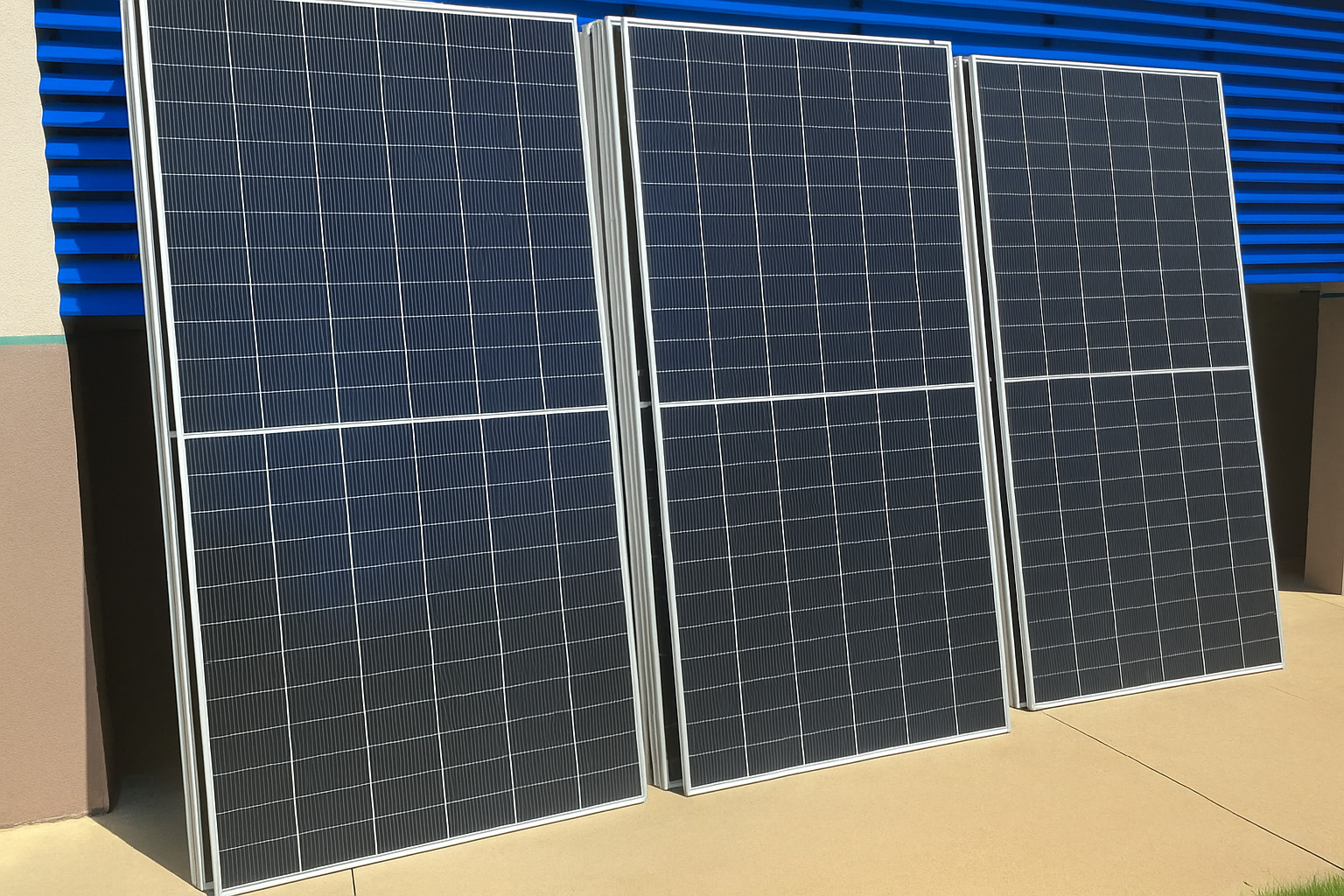
City Hall Invests in Solar Energy for Public Buildings, Reducing Costs and Encouraging Sustainability in the City.
The City Hall of Ariranha do Ivaí took an important step towards sustainability by starting the installation of solar energy for public buildings in the municipality.
In addition, the initiative, in partnership with Itaipu Binacional, reflects a growing trend in Brazil and worldwide: adopting renewable energy sources to reduce costs and minimize environmental impacts.
Thus, the municipality saves resources and demonstrates commitment to a more sustainable and conscious future.
-
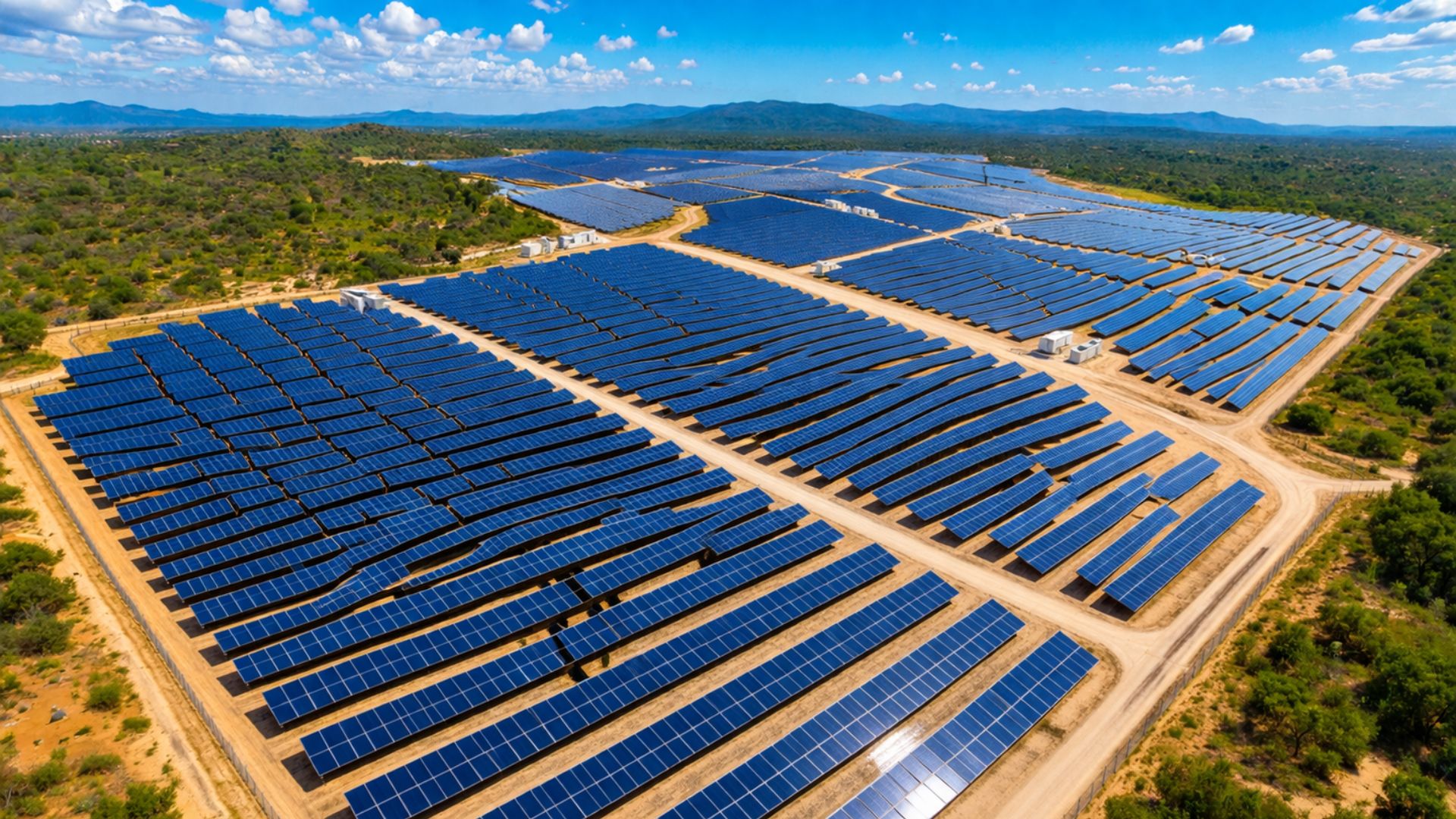
The Sol do Agreste Photovoltaic Complex begins operations in Pernambuco and accelerates the expansion of solar energy in Brazil, directly impacting the reduction of emissions and strengthening the sustainable energy matrix.
-
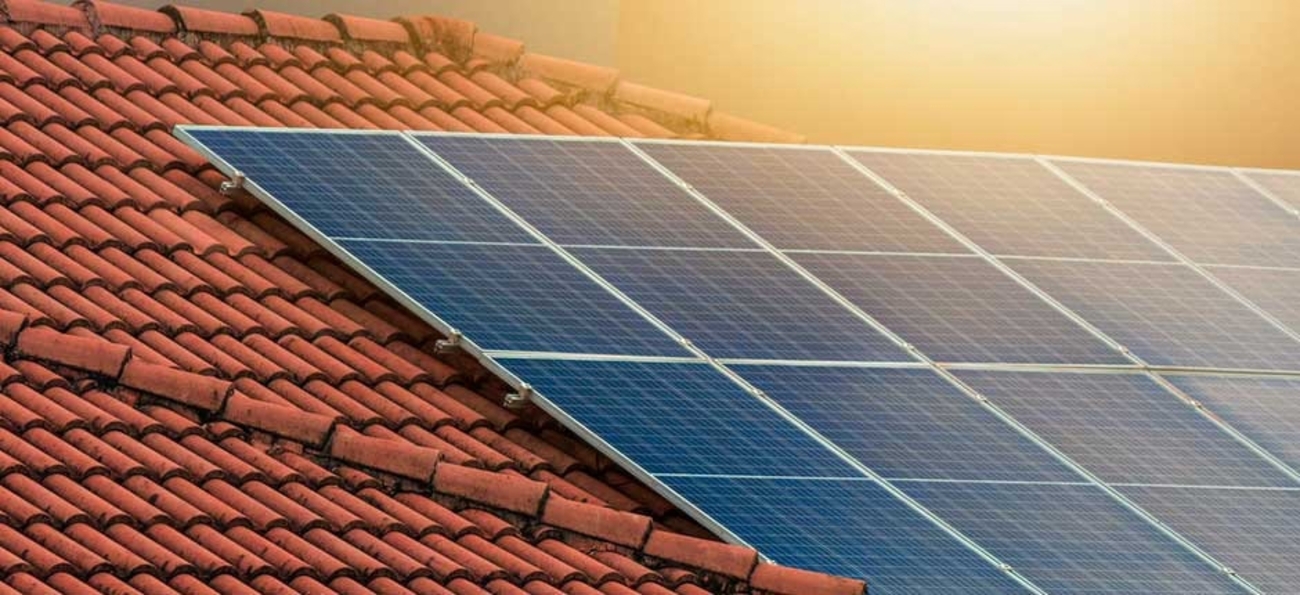
Roraima bets on the sun to escape high tariffs: Amid the energy crisis and price hikes, solar energy is growing in Roraima and transforming consumption in the North region.
-
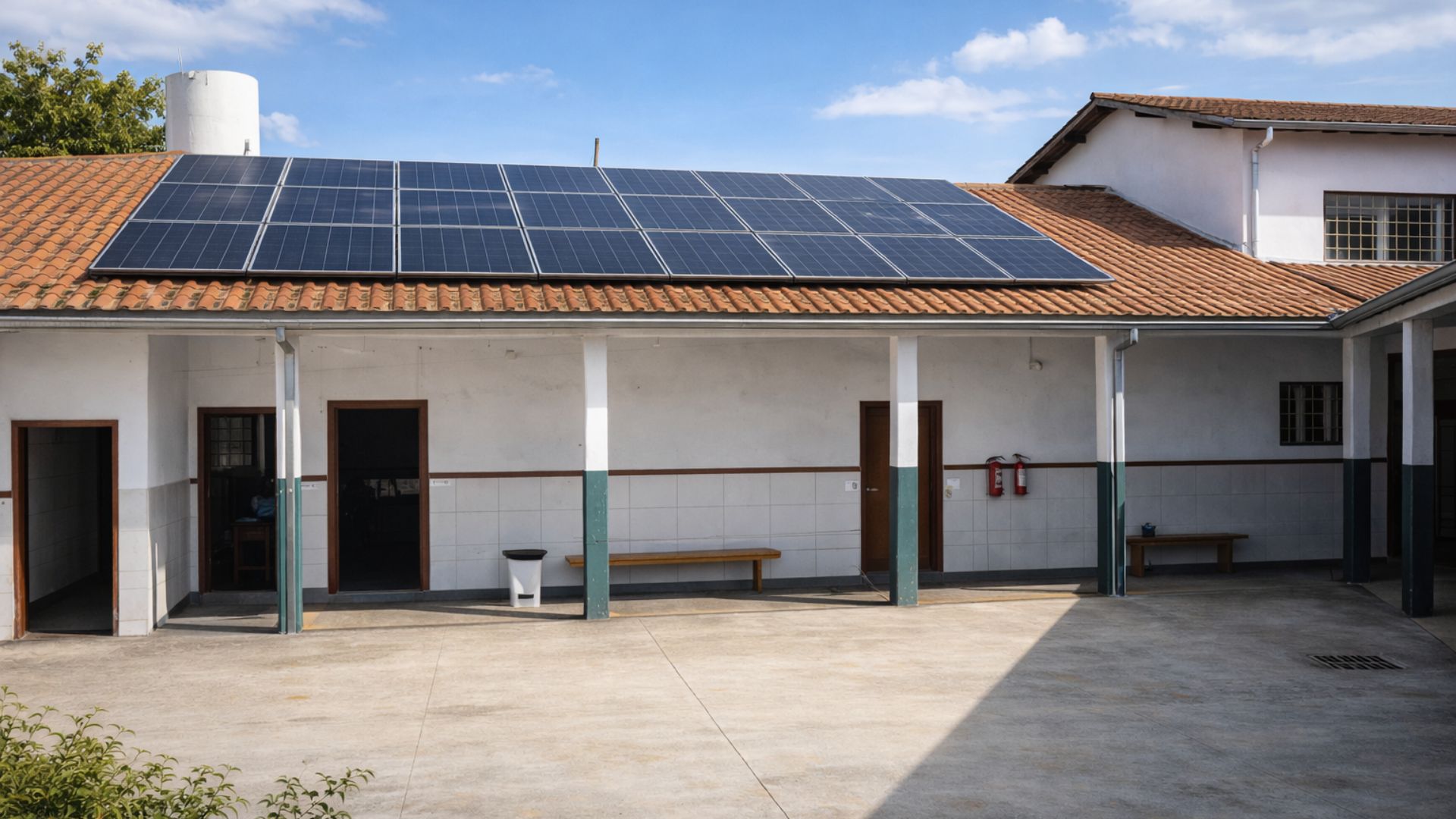
Copel boosts solar energy in Paraná and brings innovation to public schools, promoting savings on electricity bills, energy efficiency, and a direct impact on the quality of education.
-
Brazil reaches historic milestone in solar energy: Sector surpasses 2 million accumulated green jobs and generates billions in the national economy even under market pressure.
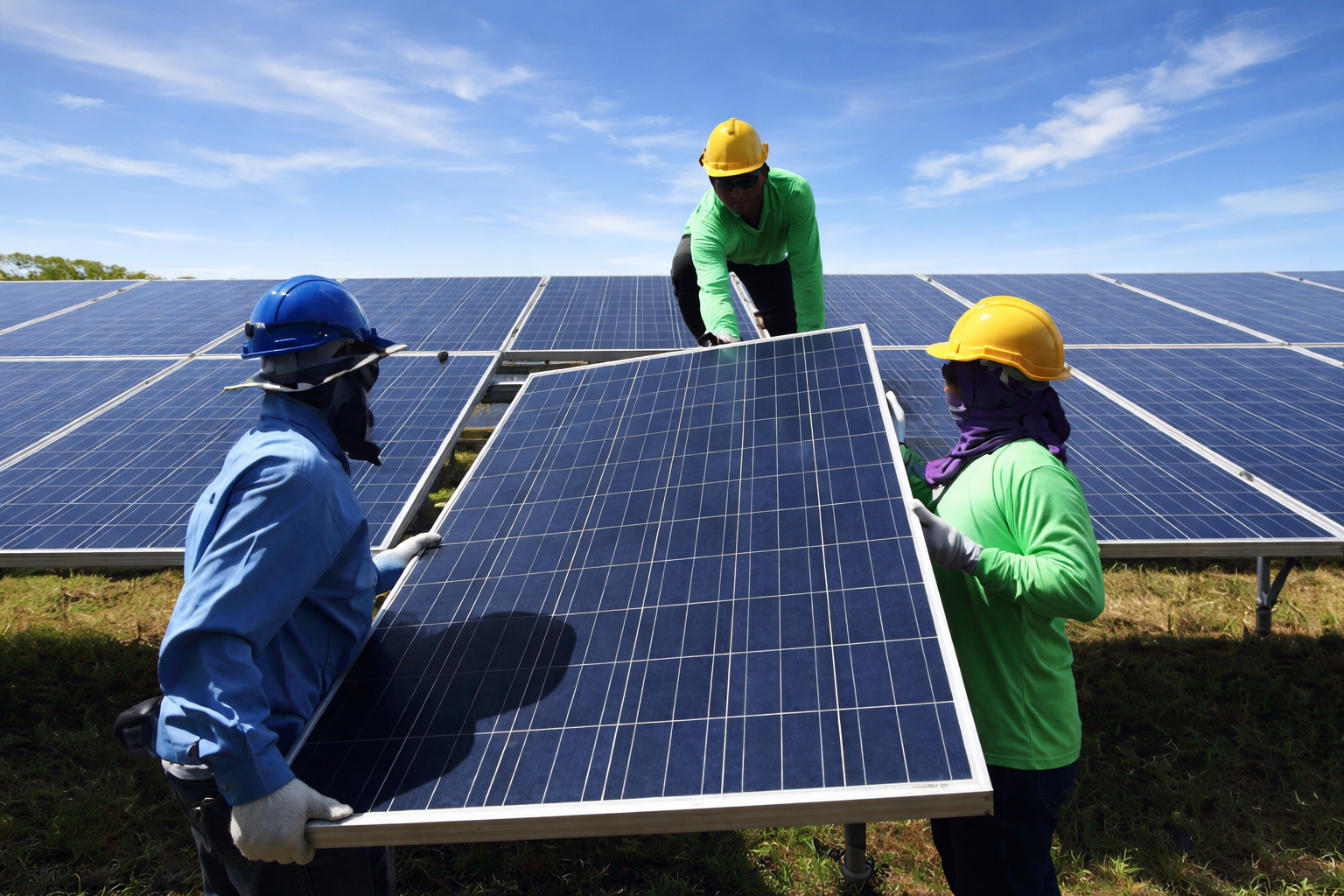

Historically, ancient civilizations already used sunlight to heat water and illuminate spaces.
At the same time, the 20th century brought the development of photovoltaic technologies, allowing for the direct conversion of sunlight into electricity.
In Brazil, the use of solar energy became established starting in the 2000s, driven by the rising cost of electricity and the search for clean and efficient alternatives.
Therefore, today solar energy serves everything from houses to large public enterprises.
The growth of solar energy in the country also occurs thanks to incentive policies and financing programs that make installation more accessible.
In addition, environmental awareness has increased, leading municipal governments to seek innovative solutions.
Consequently, projects for solar energy for public buildings combine economy and sustainability, benefiting both the public administration and society.
Public Buildings in Ariranha do Ivaí Gain Clean Energy
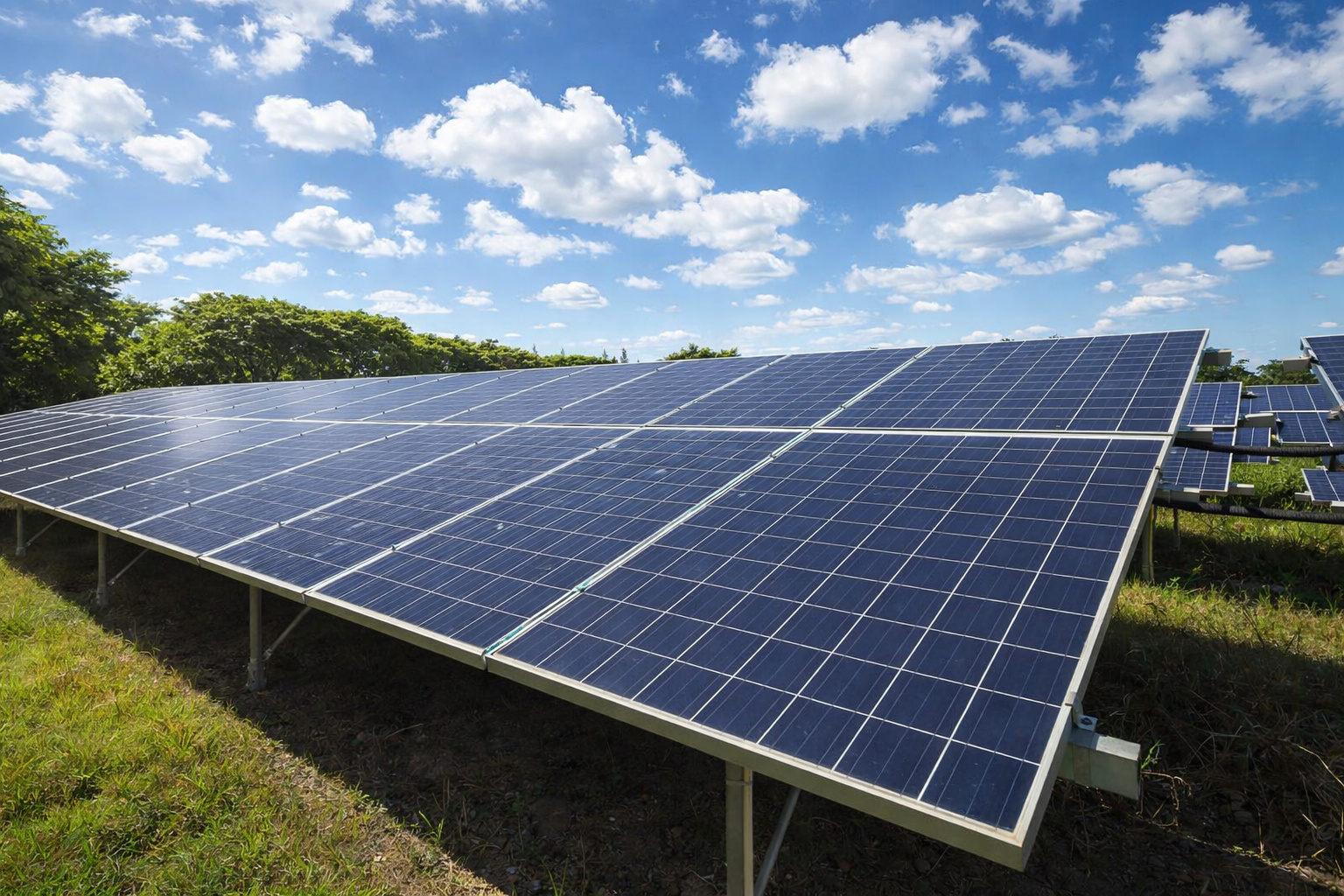
In Ariranha do Ivaí, the City Hall installed solar panels on seven public buildings.
Among them are the Tire Warehouse, former CRAS, the Sewing and Carpet Factory, former City Hall building, the Child and Adolescent Training Center (CEACA), Municipal School Demétrio Verenka, the Warehouse of Industry and Commerce, the Warehouse of Strawberries, and the Sports Gym.
In addition, each location underwent a detailed assessment to ensure maximum efficiency and utilization of solar energy.
The project for solar energy for public buildings in Ariranha do Ivaí goes beyond financial savings.
Therefore, the self-generation of energy directly reduces greenhouse gas emissions, one of the main contributors to climate change.
At the same time, the adoption of clean technology in public buildings encourages companies and households to consider sustainable alternatives for energy consumption.
The savings generated from the reduction of the electricity bill will allow the city hall to allocate more resources to essential areas such as health, education, social assistance, and infrastructure.
Thus, the administration values both financial efficiency and the well-being of the community.
In this way, the integration of economy and sustainability shows that projects for solar energy for public buildings represent strategic and environmentally responsible solutions.
In addition, the investment strengthens the city’s energy independence.
Therefore, by generating its own energy, Ariranha do Ivaí reduces reliance on utility companies and avoids the impacts of potential tariff increases, ensuring greater financial stability.
Technology and Accessibility Transform the Landscape
The advancement of solar technology in recent years has made photovoltaic systems more accessible and efficient.
Previously, the installation of solar panels was expensive and complex, limiting its use to large industries and special projects.
Today, public policies, tax incentives, and strategic partnerships allow municipalities like Ariranha do Ivaí to implement projects for solar energy for public buildings with lower investment and faster returns.
Consequently, this technological transformation marks an important advance in the history of renewable energy in Brazil.
Solar technology has also evolved to include intelligent systems that monitor energy production in real-time and optimize consumption.
Thus, the City Hall can better manage resources and plan strategic interventions, further enhancing the benefits of the installation.
Beyond technical and financial aspects, solar energy in public buildings generates educational and cultural impact.
By seeing municipal buildings using clean energy, students, workers, and residents of the region become familiar with sustainability concepts, renewable energies, and environmental responsibility.
Thus, the city becomes a model of awareness and innovation, demonstrating that it is possible to reconcile economic development and environmental preservation.
Economic and Environmental Benefits
Another relevant point is the durability and low maintenance cost of solar systems.
In this way, unlike other energy sources, solar panels require little intervention after installation, providing a practical and reliable solution for public buildings.
Therefore, the city hall can plan its finances with more predictability, without surprises from unexpected increases in the electricity bill.
Financial stability and sustainability go hand in hand, creating a positive scenario for municipal management and the population.
The experience of Ariranha do Ivaí integrates into a broader context where municipalities throughout Brazil invest in solar energy for public buildings.
Cities of different sizes recognize that adopting clean energy is not only environmentally correct but also strategic.
Thus, self-generation of electricity ensures independence from utility companies, greater cost predictability, and allows for reinvestment of saved resources into essential services.
This movement represents a cultural and administrative shift, valuing sustainable and innovative solutions.
In addition, solar energy strengthens the city’s image as innovative and concerned about the environment, attracting interest from investors and tourists who value sustainable practices.
Therefore, this indirect effect contributes to the economic and social development of the municipality, expanding the benefits of the project.
A Model of Sustainability and the Future
In summary, the investment in solar energy for public buildings in Ariranha do Ivaí represents a significant milestone.
It combines economy, sustainability, education, and innovation, while strengthening the image of the municipality as a pioneer in sustainable practices.
The project shows that medium-sized cities can lead important transformations by adopting modern and responsible technologies.
More than reducing costs, the initiative reinforces the administration’s commitment to the well-being of the population and the preservation of the environment.
The journey of Ariranha do Ivaí demonstrates that solar energy plays a central role in the future of cities.
The investment in public buildings creates a solid foundation to expand the use of renewable energies in other areas, thus stimulating smart and sustainable solutions.
By observing the history of solar energy, one realizes that each technological advance contributes to a more balanced, conscious, and prepared society for the environmental challenges of the 21st century.
Thus, the city becomes a timeless example of how adopting solar energy for public buildings generates lasting benefits, both for the municipal economy and for the quality of life of the population.
Projects like this prove that sustainability and financial efficiency are not opposing concepts, but complementary, capable of positively transforming the lives of people and the future of Brazilian cities.







Seja o primeiro a reagir!