





 Português
  Inglês
  Espanhol
  4 min de leitura
  0 comentários


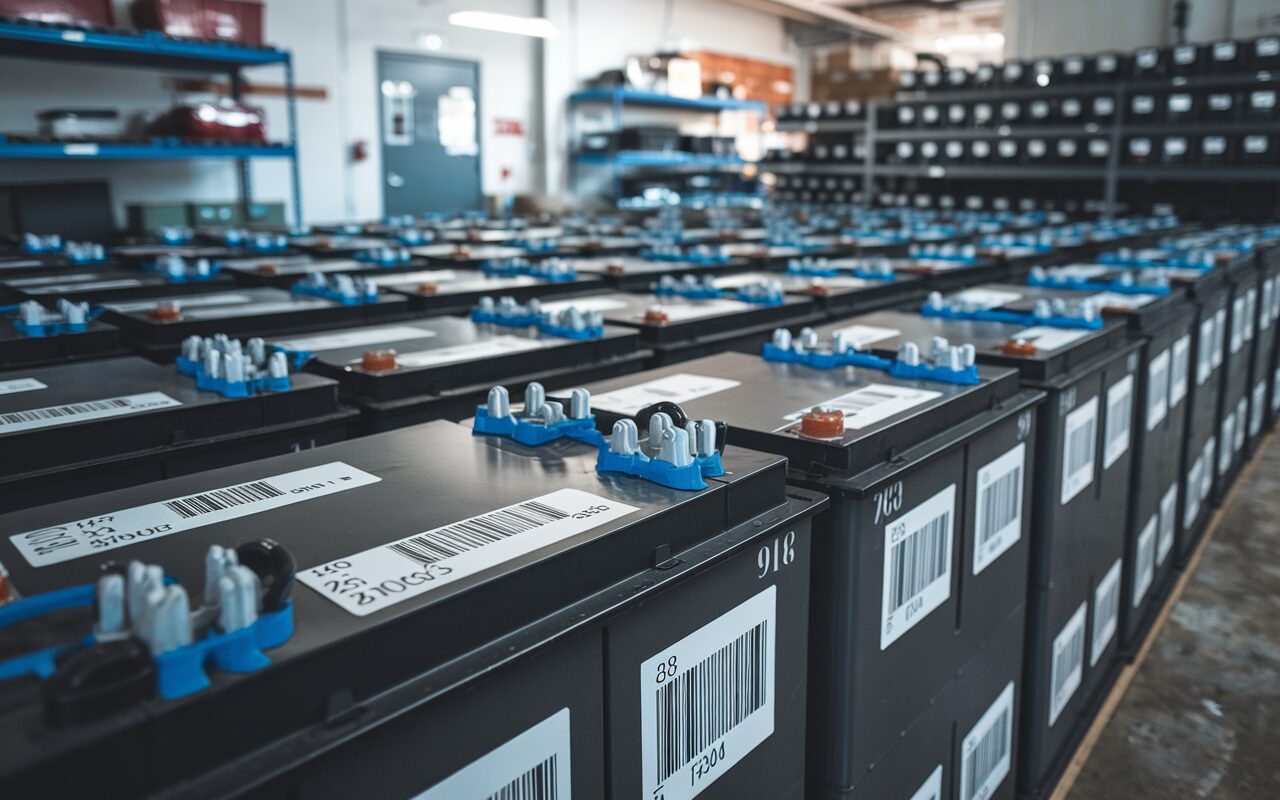
New Energy Storage Technology with Batteries Gains Traction and Promises Significant Savings on Electricity Bills.
Electricity storage in batteries is gaining ground in Brazil, despite the lack of definitive regulation for centralized generation. The estimate is that this technology could reduce the cost of electricity by up to 50%, bringing savings to consumers and strengthening the use of renewable sources.
Markus Vlasits, president of the Brazilian Association of Energy Storage Solutions (Absae), explains that the calculation is based on the value of megawatt-hours (R$/MWh) and the comparison with the need to activate thermoelectric plants, known for their high cost and dependency on fossil fuels.
Cost Difference Between Batteries and Thermoelectric Plants
According to Vlasits, the current cost for installing batteries ranges from R$ 1 million to R$ 1.5 million per MWh of installed capacity, depending on the system size and the method of connection to the grid. This investment, he says, could offer a reduction of approximately 50% in the cost of electricity supply compared to using thermal plants.
-
Renewable energy advances over protected areas in Brazil, and a survey by the Energy Transition Observatory reveals silent impacts that challenge environmental conservation and pressure sensitive traditional territories.

-
Rio Grande do Sul accelerates energy transition: State invests in renewable technologies and consolidates decarbonization strategies and pathways to attract billions in new industrial investments.

-
With 160,000 m² of collectors, an area larger than 20 football fields, Silkeborg, in Denmark, hosts a solar thermal plant that heats 19,500 homes and could become the largest solar heating plant in the world.

-
A study reveals the expansion of renewable energy procurement in Brazil and shows how companies are taking advantage of opportunities to reduce expenses, ensure energy efficiency, and strengthen strategic environmental commitments.


Thermoelectric plants are activated during times of higher energy demand, especially at night, when solar energy production decreases drastically. However, the activation of these plants raises the cost of electricity, directly reflecting on the tariff flags charged to consumers.
How Batteries Can Lower Electricity Bills
The central concept of energy storage is simple: use excess energy produced during off-peak hours and store it for release during peak times, especially at the end of the day.
During the day, solar and wind parks, especially in the Northeast, generate a significant amount of energy that is often not fully utilized and is wasted due to lack of immediate demand.
With the large-scale implementation of batteries, this excess energy would be stored and used during peak consumption hours, reducing the need to resort to more expensive and polluting sources.
The BESS (Battery Energy Storage System), as it is known internationally, acts as a “battery bank,” storing electricity generated by renewable sources for later distribution in the system.

Flexibility and Efficiency of Battery Use in the Electric System
Unlike thermoelectric plants, which require considerable time to start up and incur high ongoing operational costs, batteries offer a quick response to system demands. They can be activated and deactivated quickly, without the need for continuous fuel consumption.
This flexibility makes energy storage an effective solution for balancing daily supply and demand as well as ensuring greater stability for the electrical grid.
Additionally, the use of batteries reduces the waste of renewable energy that cannot be utilized at the moment of production, optimizing the investment made in solar and wind parks.
Energy Production in Brazil and the Role of Storage
According to data from the National Electric System Operator (ONS), by 4:10 PM on Friday (25), energy generation in Brazil was distributed as follows:
- Hydropower: 60.4 GW (68.4%)
- Solar: 13.7 GW (15.5%)
- Wind: 8.1 GW (9.1%)
- Thermal (including nuclear): 6.1 GW (7%)
- Total: 88.3 GW
At night, the contribution of solar energy falls drastically while consumption rises. To meet this demand, the system currently relies on thermoelectric plants, which have high costs and low competitiveness compared to renewable sources.
The price of the megawatt-hour (MWh) generated by solar and wind plants is around R$ 170, while in thermal plants, prices can range from R$ 1,700 to R$ 2,600 per MWh, according to the recent canceled thermal auction. This difference justifies the investment in battery energy storage as a way to reduce costs.
Legislation and Perspective for the Release of Energy Storage
Currently, electrochemical sources — such as large-scale batteries — are still not permitted for centralized generation in Brazil. The Bill 1224/2022, which addresses the regulation of energy storage in the National Interconnected System (SIN), is pending in the National Congress but has not yet been voted on.
However, Markus Vlasits points out that it would not be necessary to wait for a new law to start operating storage systems. According to him, a normative resolution from the National Electric Energy Agency (Aneel) could enable this practice in the short term.
Aneel has already conducted a public consultation on the topic and, according to recent statements, the new regulation on storage is expected to be published by May. This measure would pave the way for the large-scale implementation of storage batteries, aligning the regulatory timeline with the schedules of future energy auctions.
Storage Solution Can Change the National Energy Scenario
With the approval of battery technology, Brazil could drastically reduce its dependence on thermoelectric plants to meet peak demand. This will result not only in lower electricity bills but also in a cleaner and more efficient energy matrix.
Energy storage contributes to better utilization of renewable sources, strengthens the stability of the electrical system, and reduces the need for investments in thermoelectric plants, which have high emissions of polluting gases.
The increased use of BESS systems could also boost economic growth in high-tech sectors and create new job opportunities in the field of renewable energy and information technology applied to the electric sector.
If implemented widely, energy storage in batteries could represent a new chapter in Brazil’s energy history, reinforcing the commitment to transitioning to a low-carbon economy and directly benefiting millions of consumers with more affordable tariffs.
The combination of renewable energies and efficient storage will be crucial to ensure energy security and the competitiveness of the country in the coming years.
The expectation is that with regulatory advances and new private investments, Brazil consolidates its position among the world leaders in the use of clean energy associated with intelligent storage technologies.









Seja o primeiro a reagir!