





 Portuguese
  English
  Spanish
  5 min of reading
  0 comments


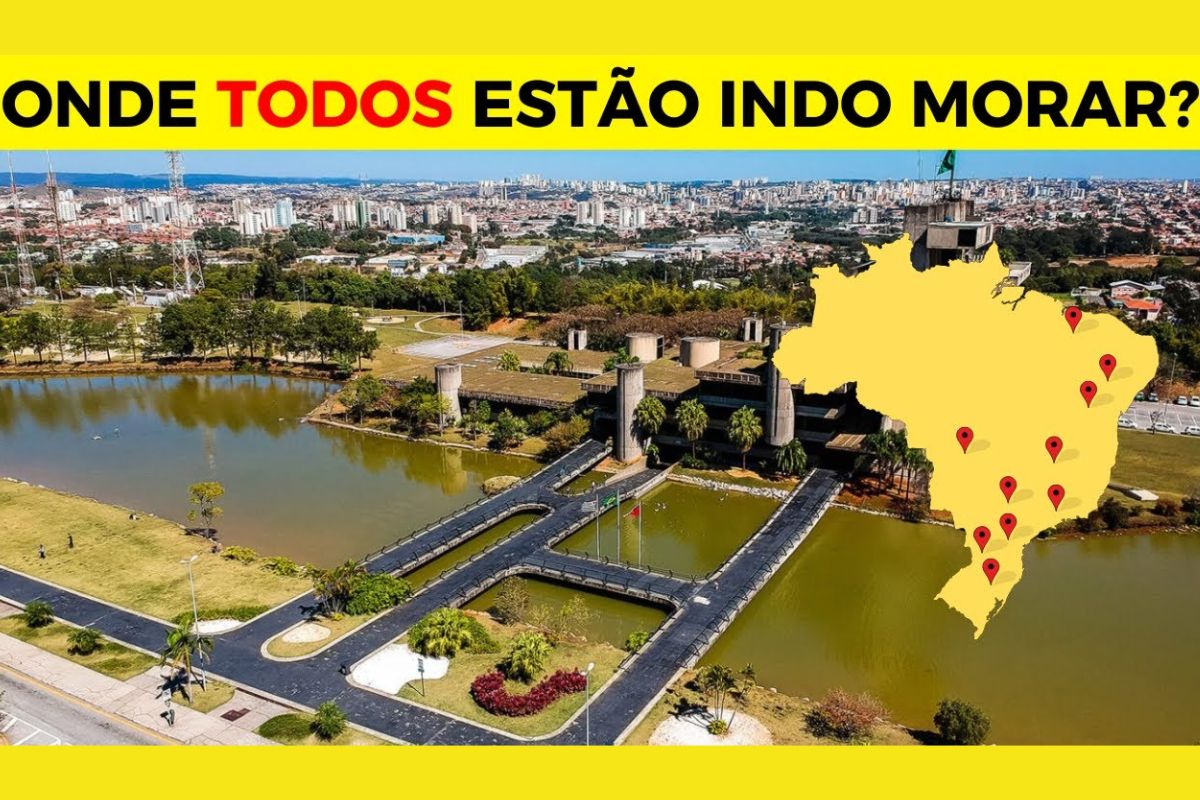
Survey Indicates That The Fastest Growing Cities In Brazil Are Concentrated In Strategic Regions Linked To Agribusiness, Mining, And Industry, Revealing An Economic And Population Transformation Outside The Major Traditional Centers.
Brazil is experiencing a new wave of urban growth, marked by interior municipalities that gain economic, technological, and population strength. The fastest growing cities in Brazil in 2025 reflect the advancement of agribusiness, mining, and modern industry—drivers that have been redefining the map of national development.
From Mato Grosso to Pará, from Santa Catarina to Bahia, these cities present expansion rates above the national average, attracting investments, jobs, and infrastructure improvements. The movement signals a shift in the Brazilian growth, increasingly moving beyond the capitals and major metropolitan hubs.
1. Sorriso (MT): The Heart Of Brazilian Agribusiness
Located in northern Mato Grosso, Sorriso is widely recognized as the national capital of agribusiness. In 2022, the municipality reported over US$ 2.2 billion in agricultural production, equivalent to 1.4% of the national total. Soy and corn lead the production portfolio, with values exceeding R$ 9 billion combined.
-
A couple buys an old chalet, breaks the kitchen floor for renovation, and finds over a thousand coins of gold and silver hidden since the English Civil War over 4 centuries ago.

-
Rigid bags with their days numbered: new trend prioritizes comfort in 2026.

-
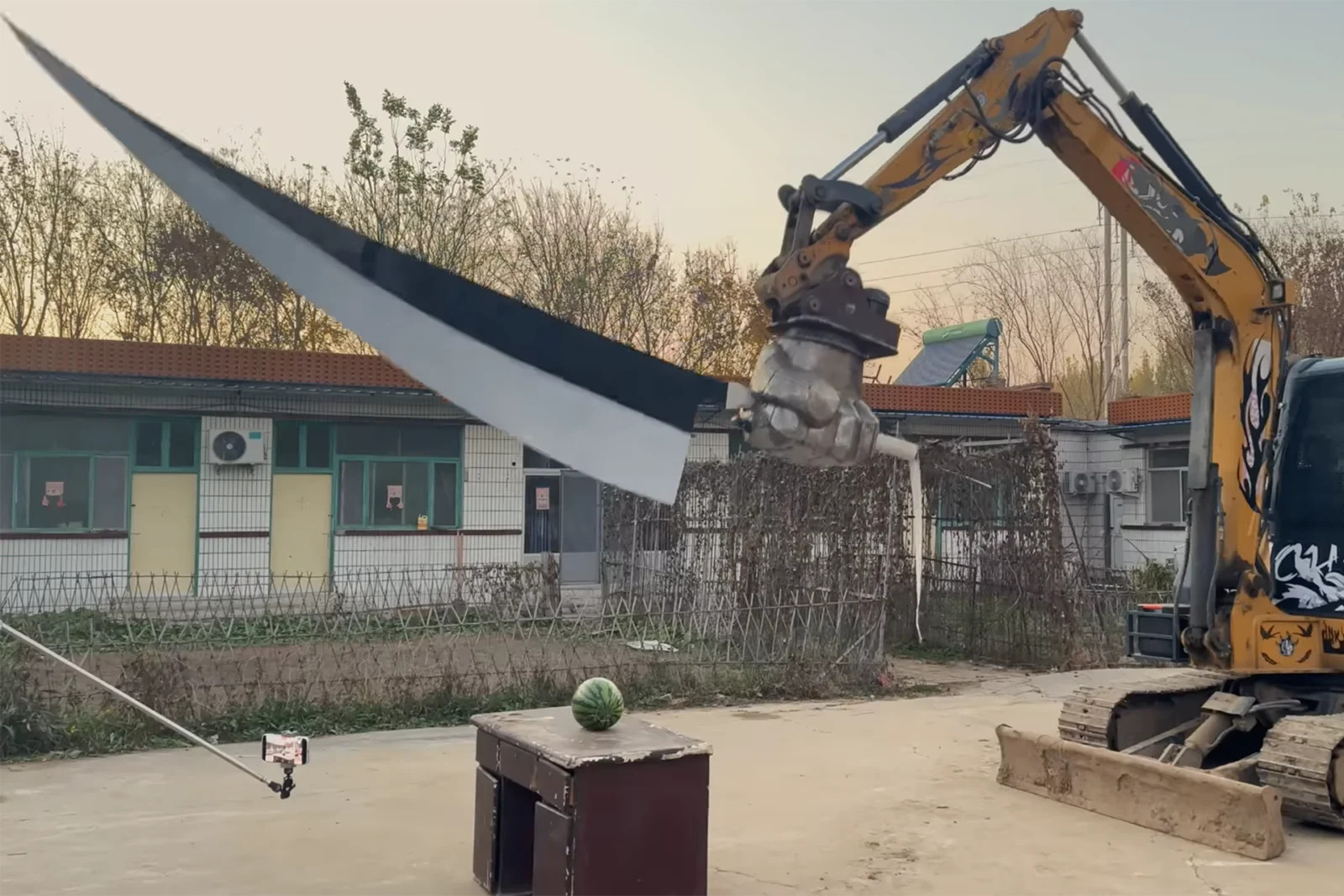
YouTuber creates an excavator equipped with a giant 4.5-meter sword to challenge his brother to a rematch, and the invention quickly goes viral on social media.
-
The U.S. Army surprises the world by presenting the UH-60MX Black Hawk helicopter capable of flying without pilots, controlled by a tablet, featuring the MATRIX system, smart sensors, and full autonomy in real combat and rescue missions.


The population growth accompanies the economic advancement: from 66,000 inhabitants in 2010, Sorriso jumped to over 110,000 in 2022, an increase of 66%. The municipality is a symbol of the strength of Brazilian agriculture and the consolidation of productive chains focused on export and agricultural technology.
2. Camboriú (SC): Accelerated Urbanization On The Santa Catarina Coast
Neighboring Balneário Camboriú, the city of Camboriú has become a new residential and logistical hub along the northern Santa Catarina coast. The population jumped from 62,000 to 103,000 inhabitants between 2010 and 2022—a growth of 65%.
The proximity to the port of Itajaí and the airport of Navegantes boosts the industrial sector and local commerce. In addition to tourism, Camboriú focuses on ecotourism and quality of life, attracting professionals from other regions seeking a more affordable cost of living and established infrastructure.
3. Parauapebas (PA): Capital Of Mining And Symbol Of Productive Amazon
Amid the Serra dos Carajás, Parauapebas has established itself as one of the largest mining hubs on the planet. The municipality houses the largest iron ore reserve in the world and is responsible for a GDP exceeding R$ 8 billion.
The population grew by more than 70% over a decade, driven by Vale’s activities and the emergence of new ventures. Parauapebas is now the richest city in Pará and symbolizes an Amazon attempting to balance economic growth with urban challenges.
4. Sinop (MT): Agribusiness With A Sustainable Focus
With 196,000 inhabitants, Sinop is one of the most dynamic agricultural centers in the country. The municipality represents the advancement of technological and sustainable agribusiness, particularly in soy and corn production, sectors that position Mato Grosso as the national leader in grains.
Strategically located on BR-163, Sinop is also a educational and logistical hub, with universities and research centers focused on agribusiness. The challenge is to reconcile agricultural expansion with environmental preservation in a long-term growth model.
5. Luís Eduardo Magalhães (BA): The Agricultural Engine Of The Northeast
Between 2010 and 2022, the local population grew by almost 80%, reaching 110,000 inhabitants. The municipality is a reference in agricultural productivity and export, with a focus on soy, corn, and cotton.
Located in western Bahia, the agricultural hub has become strategic for the flow of northeastern production and increasingly attracts investors, industries, and logistics companies. The city also invests in urban infrastructure, education, and sanitation, seeking to balance economic advancement and sustainability.
6. Fazenda Rio Grande (PR): The New Industrial Hub Of Greater Curitiba
With a population growth of 82% since 2010, Fazenda Rio Grande stands out as one of the main metropolitan expansion axes in Paraná. The proximity to Curitiba and investments in mobility and infrastructure have transformed the municipality into a destination for industries and developers.
Between 2019 and 2024, over R$ 300 million was invested in structural works, including new accesses to BR-116. The city combines industrial growth and planned urbanization, factors that have boosted the local real estate sector.
7. Senador Canedo (GO): Industrial And Logistical Strength In The Midwest
With a population increase of 84% in just over a decade, Senador Canedo is now an important petrochemical and industrial hub in Goiás. Home to companies like Petrobras and over 50 active industries, the municipality generates thousands of direct and indirect jobs.
The city is just 16 km from Goiânia and is part of the metropolitan belt of the capital, with a strong presence of road infrastructure and industrial districts managed by Codego. Development is visible, but the challenge is to keep up with population expansion through sustainable urban policies.
8. Itajaí (SC): Logistics And Port Power In The South
With a GDP of R$ 47 billion and nearly 290,000 inhabitants, Itajaí is now the city with the highest economic growth in Santa Catarina. The port is the second largest in the country in container movement and boosts sectors such as shipbuilding, fishing, and foreign trade.
The municipality also records one of the highest rates of real estate appreciation in Brazil, combined with the expansion of tourism and per capita income above the national average. The challenge for Itajaí is to balance economic growth with urban management and mobility.
9. Canaã dos Carajás (PA): Mining And Urban Development
Canaã dos Carajás is experiencing one of the fastest growth rates in Brazil, driven by Vale’s S11D project—the largest in the history of iron ore mining. The city houses reserves estimated at over 4 billion tons and an annual production of 90 million tons.
With billion-dollar investments in education, health, and infrastructure, the municipality has become an example of accelerated urbanization in the Amazon, attracting qualified labor and families from various regions.
10. Lucas do Rio Verde (MT): Capital Of Brazilian Agroindustry
Officially recognized as the capital of agroindustry, Lucas do Rio Verde has consolidated a development model based on production, technology, and regional integration. Large companies like BRF and Sadia have boosted the local economy and job creation.
With continuous population growth and planned urban policies since 2005, the city has become a reference in public management and sustainability in agribusiness, attracting national and foreign investors.
The fastest growing cities in Brazil reveal the emergence of new poles of prosperity outside the Rio–São Paulo axis, based on innovation, logistics, and high value-added production.
Do you believe that this decentralization of growth is positive for the country? Or is economic advancement still too concentrated in a few regions? Share your opinion in the comments.






-

-

3 pessoas reagiram a isso.