





 Portuguese
  English
  Spanish
  5 min of reading
  0 comments



Government Will Grant Bridges Linking Brazil to Other Countries: Revolution in International Connection! Model Reduces Loading Time at Borders, and Bid for Bridges is Scheduled for December
The bridges connecting Brazil to other countries will be granted to the private sector, revolutionizing transportation and making life easier for those crossing borders. The project, considered innovative by the federal Executive, promises to reduce bureaucracy and expedite the release of cargo, bringing significant efficiency gains.
The government will begin, in December, a project to grant the private sector all 12 bridges linking Brazil to other countries. The first phase will include six bridges, with the first being the International Integration Bridge, which connects São Borja in Rio Grande do Sul to Santo Tomé, Argentina. The tender will be launched this month, and the auction is scheduled for December. The winner will be the one who offers the lowest toll.
Negotiations in Mercosur About the Bridges
The negotiations also involve the granting of the bridges in Uruguaiana, which links Brazil to Argentina, and the Friendship Bridge, between Foz do Iguaçu and Ciudad del Este, Paraguay. The expectation is that these grants will occur in the second half of 2025. These bridges are considered strategic, as the Uruguaiana bridge accounts for 37% of land trade between Brazil and Argentina and 30% with Chile.
-
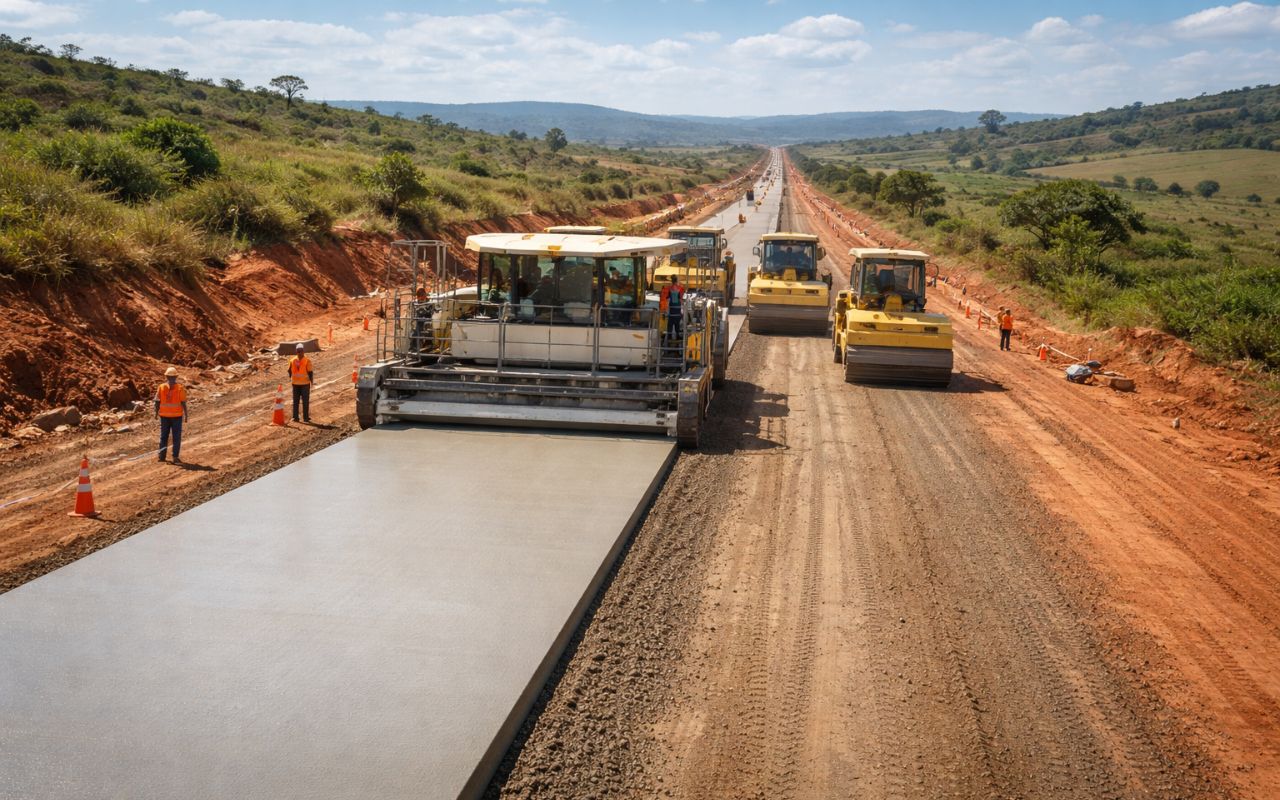
New CCR concrete paving technology promises roads up to 3x more durable, less maintenance, and cost reduction in Brazil.
-
Made from recycled plastic, plastic wood is gaining space in the construction industry because it does not rot, resists moisture, and reduces maintenance costs over the years.

-
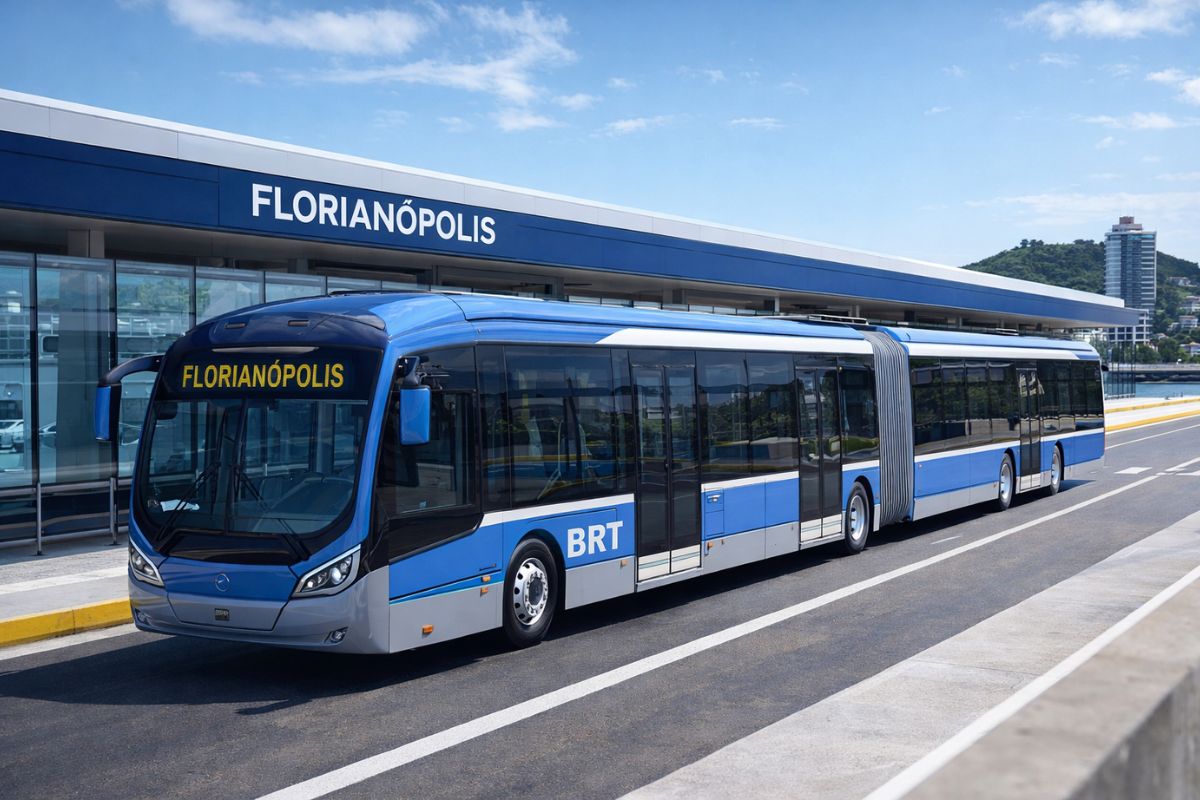
Florianópolis will receive a million-dollar BRT that will begin construction in 2026 with nearly 400 million in funding from the federal government and the Inter-American Development Bank, and the map already shows the routes for the exclusive bus corridors.
-
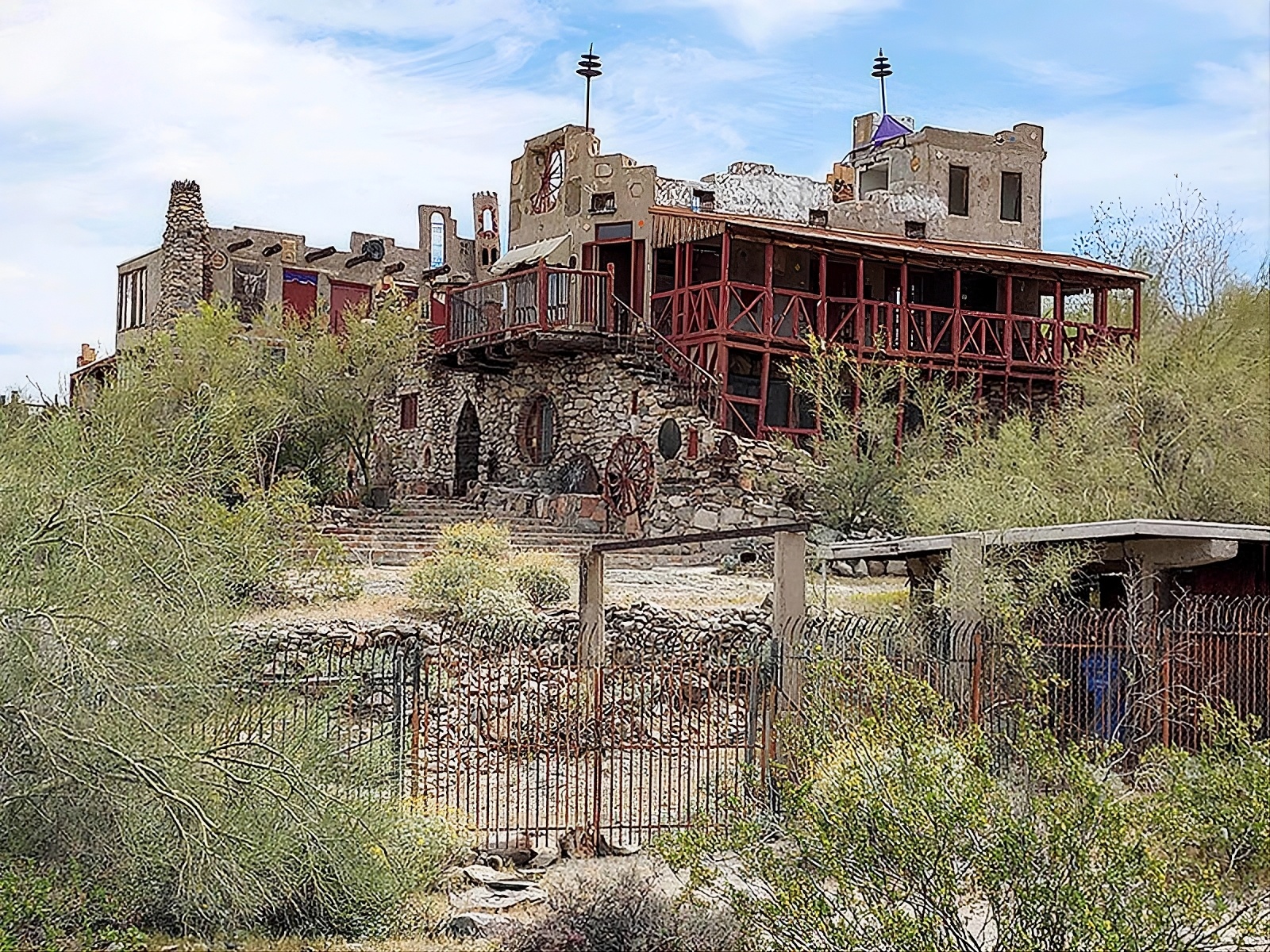
Without a blueprint, without an engineer, and using scrap from the dump, a father spends 15 years building an 18-room castle for his daughter, featuring tram tracks, 13 fireplaces, and over 700 m², which may now be demolished.

The São Borja bridge was chosen as a model to be replicated for the others. It is the only one operated by the private sector since 1996, when it was granted for 25 years, and the contract has been extended in recent years. According to the Ministry of Transport, São Borja is the bridge that is in the best structural condition and has the shortest wait time at customs clearance, because the service is unified between the two countries.
Investments and Improvements
The investment in the project is estimated at US$ 45.6 million. The concession includes project, construction, maintenance, operation, and exploitation of the international roadway connection. The works should also include improvements to the roadway accesses to the structure on both sides of the bridge. The ministry expects that, with the new concession of the São Borja bridge, the toll will decrease by 18%.
Toll in Dollars
With 1,400 meters over the Uruguay River and 14 kilometers of accesses, the asset has attracted the interest of foreign and national investors. The short stretch does not require high investments, and the toll is charged in dollars, which provides security for the operators.
Faster Customs Clearance
The government expects to reduce customs clearance time from 24 hours to just four hours. According to the National Secretary of Road Transportation, Viviane Esse, the faster customs clearance, in a single step, mainly benefits the transport of food, such as salmon coming from Chile to Brazil.
Bottleneck in Foz do Iguaçu
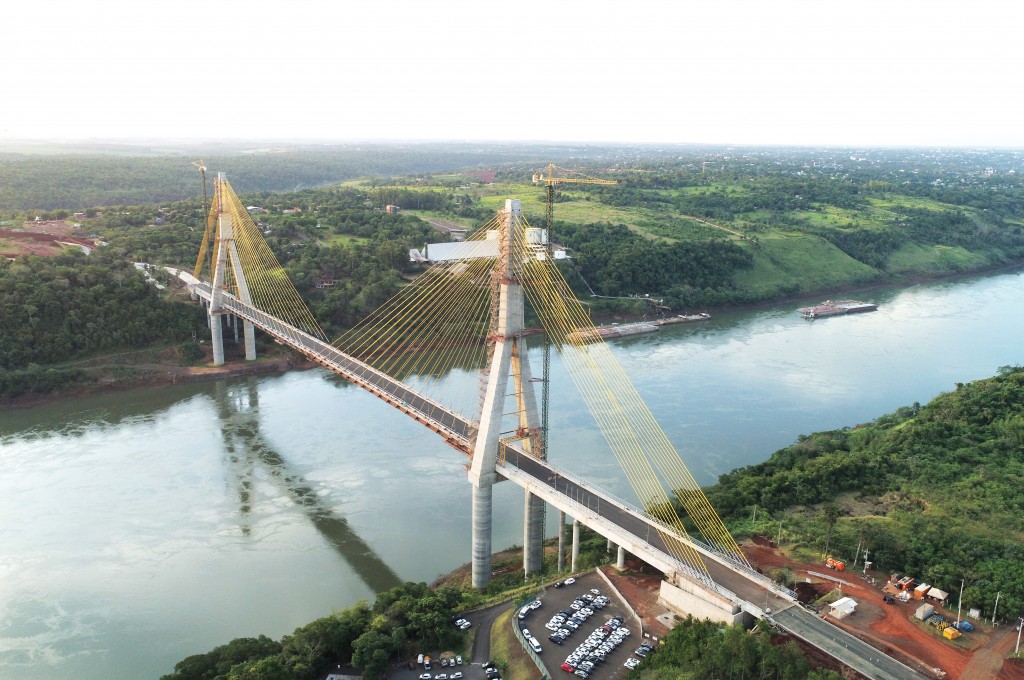
In the government’s plans, there is also the joint granting of the Friendship and Integration bridges, between Foz do Iguaçu and Paraguay. The Integration Bridge was completed about two years ago, but has not been released yet. It has a 760-meter roadway, support towers 120 meters high, and the largest free span in Latin America. The release of this bridge is hindered by delays in completing works at the border.
Economy and Efficiency
With the concessions, the Ministry of Transport estimates a savings in maintenance costs of R$ 1 billion over the 30 years of the contracts. Furthermore, the National Department of Transport Infrastructure (Dnit) will be able to use the saved resources for maintenance of other roads. Per year, there will be savings of around R$ 30 million — enough to double small stretches of roads, carry out resurfacing, and expand access.
Challenges and Bilateral Agreements
The work involves the ministries of Transport, Foreign Affairs, Agriculture, as well as representatives from the Treasury and the Federal Police. The progress also depends on bilateral agreements, as any intervention in these stretches is a complicated process because both parties need to agree.
List of Bridges to Be Bid
International Integration Bridge (BR-285): Links São Borja (RS) to Santo Tomé (Argentina).
International Uruguaiana Bridge (BR-290): Links Uruguaiana (RS) to Paso de los Libres (Argentina).
Franco-Brazilian Binational Bridge (BR-156): Over the Oiapoque River, links Oiapoque (AP) to São Jorge do Oiapoque (French Guiana).
Friendship Bridge (BR-277): Links Foz do Iguaçu (PR) to Ciudad del Este (Paraguay).
Tancredo Neves Bridge (BR-469): Links Foz do Iguaçu (PR) to Puerto Iguazú (Argentina).
Barão de Mauá (BR-116): Over the Jaguarão River, links Jaguarão (RS) to Rio Branco (Uruguay).
Integration Bridge (BR-277): Links Foz do Iguaçu (PR) to Presidente Franco (Paraguay).
Bridges to be constructed and operated by the private sector:
Bridge over the Mamoré River (BR-425): Links Guajará-Mirim (RO) to Guayaramerin (Bolivia).
Bridge in Porto Xavier over the Uruguay River: Links Porto Xavier (RS) to San Javier (Argentina).
Jaguarão Bridge (BR-116): Links Jaguarão (RS) to Rio Branco (Uruguay).
Bridges under construction by the Brazilian government for future concession:
Assis Brasil Bridge (BR-317): Links Iñapari (Peru) to Assis Brasil (AC).
Porto Murtinho Bridge (BR-267): Over the Paraguay River, between Porto Murtinho (MS) and Carmelo Peralta (Paraguay).
Structural Challenges
Secretary Viviane Esse mentioned that current contracts have “picturesque” clauses: for example, one country maintains half of the bridge and the other, the rest. If one does not have resources or a team to perform the intervention, the service cannot be done. This happened with the Uruguaiana bridge, where delays in reaching an agreement with Argentina led to traffic restrictions because a pillar of the bridge on the Brazilian side was damaged.
According to the Executive Secretary of the Ministry of Transport, George Santoro, the government opted for the concessions of the bridges to reduce bureaucracy and bring gains to both sides. “With the concessions, we will reduce bureaucracy, gain efficiency, and consequently, commercial relations with neighboring countries will increase,” said Viviane.
And you, do you believe that the concession of these bridges will really improve trade and reduce bureaucracy at the borders? Leave your opinion in the comments!








Seja o primeiro a reagir!